
Vernacular Oak Chair
A vernacular oak chair carries the unpretentious character of regional craftsmanship, shaped by local tradition rather than metropolitan fashion.
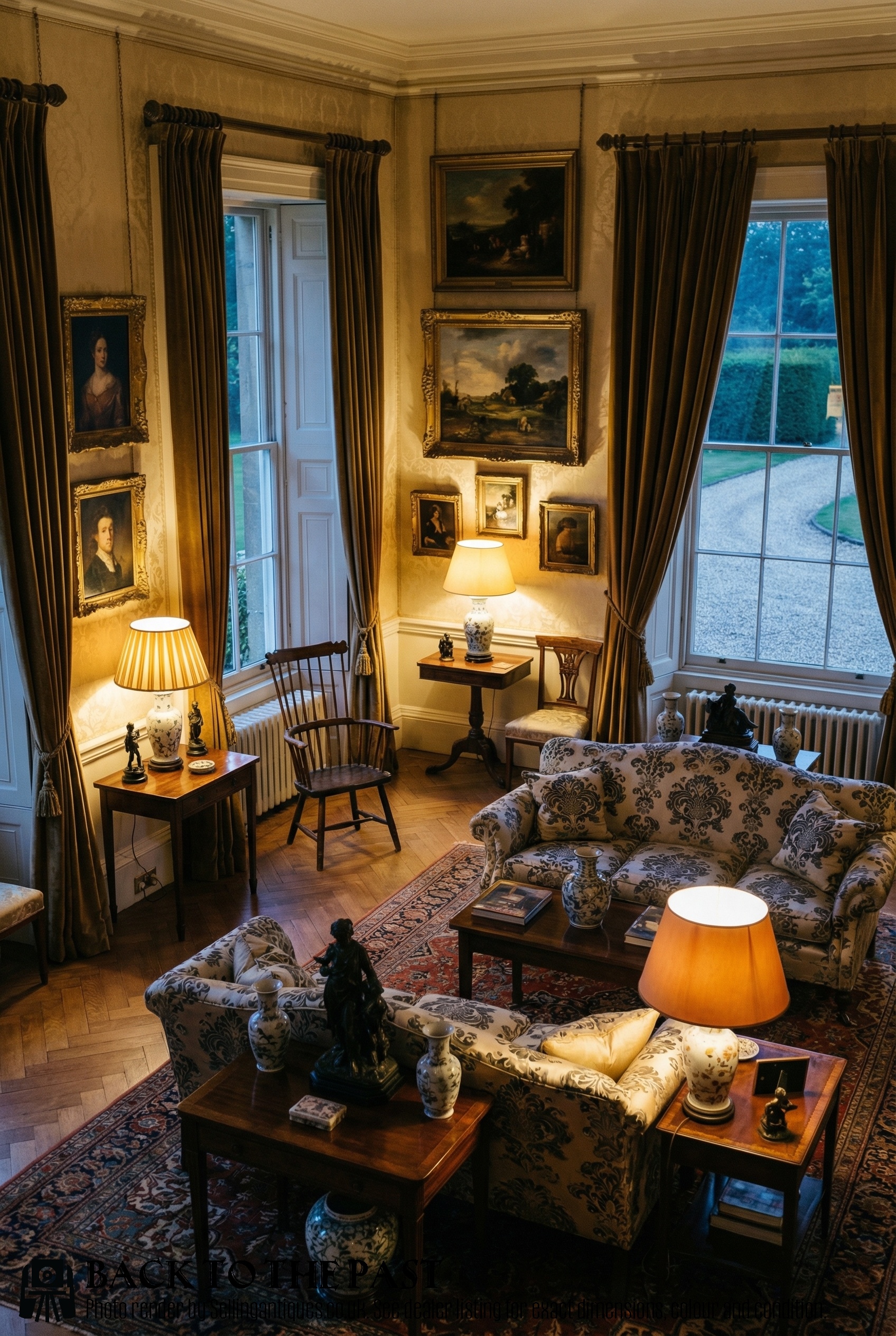
Vernacular Oak Chair
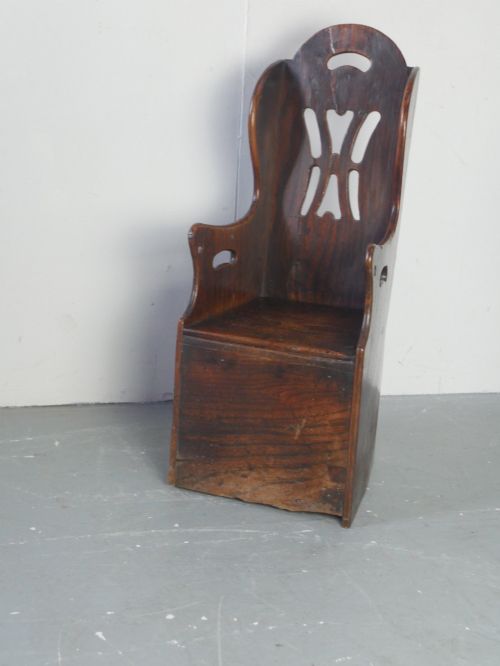
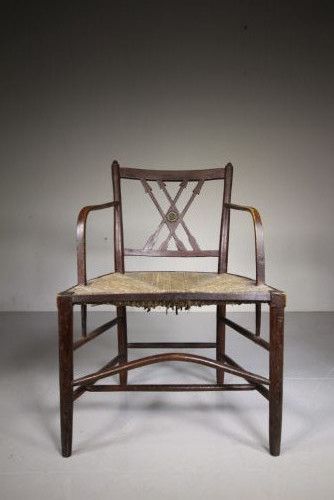
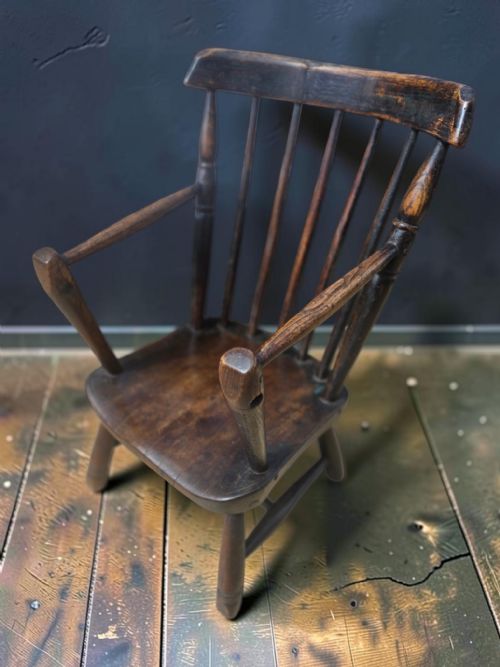
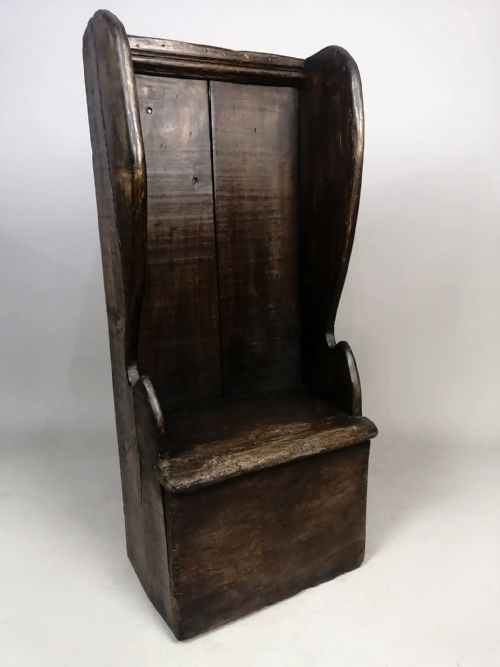
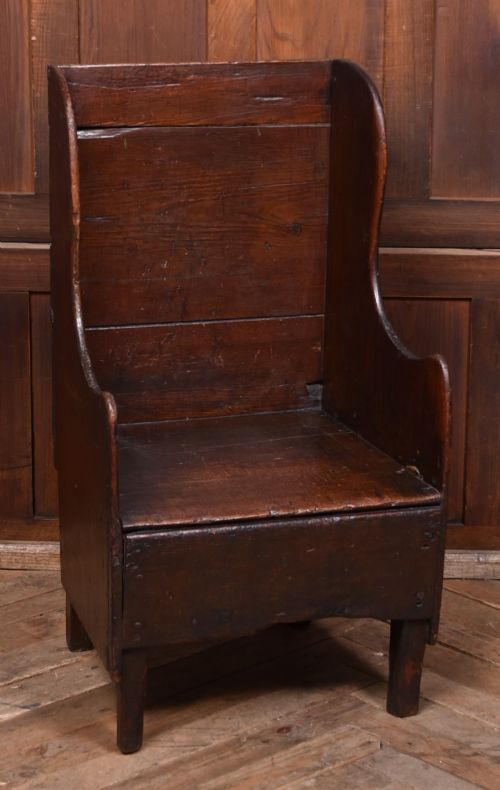
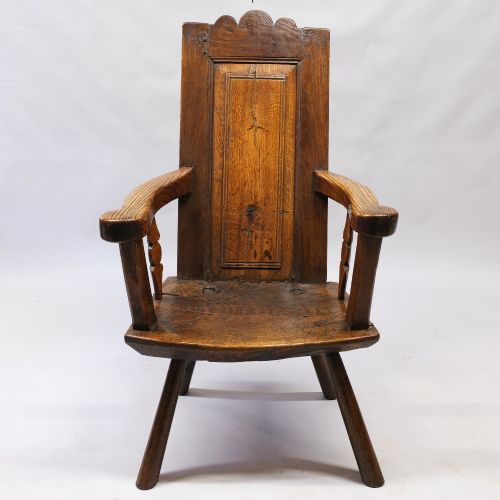
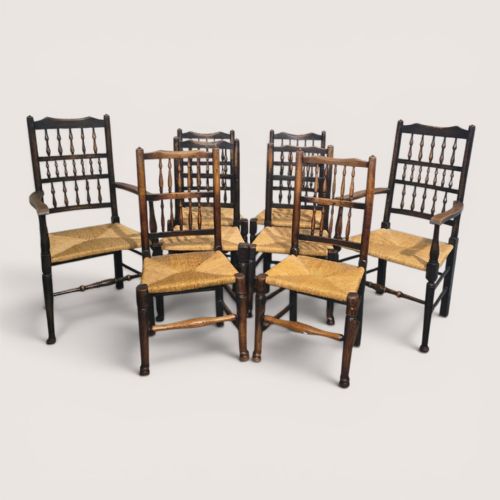
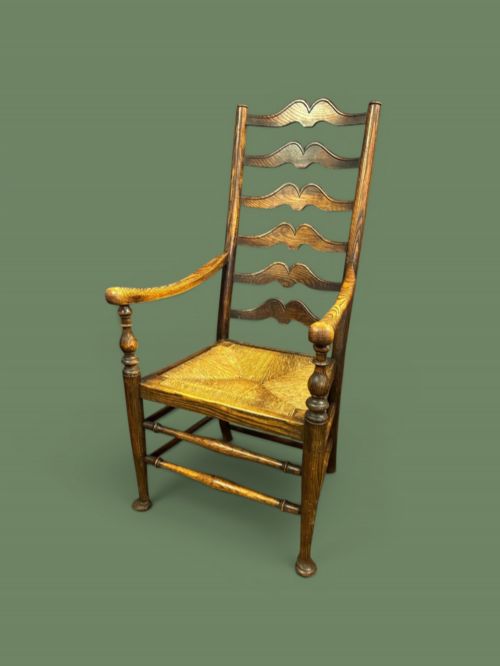
A vernacular oak chair is a piece of regional seating built to serve everyday domestic life rather than follow formal court trends. When searching for a vernacular oak chair, buyers encounter robust dining seats, low back Windsors, and hooded lambing forms spanning the seventeenth to the nineteenth centuries.
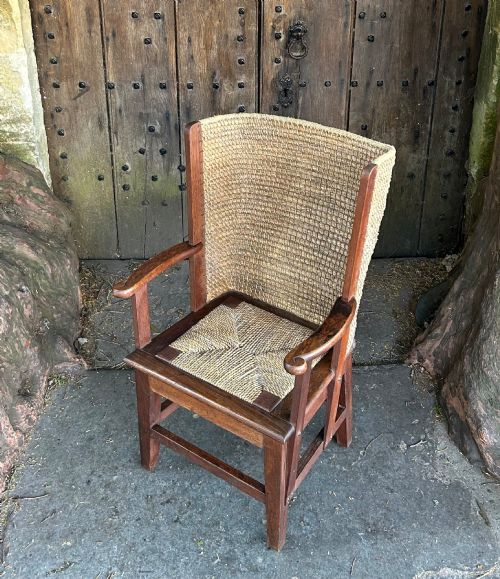
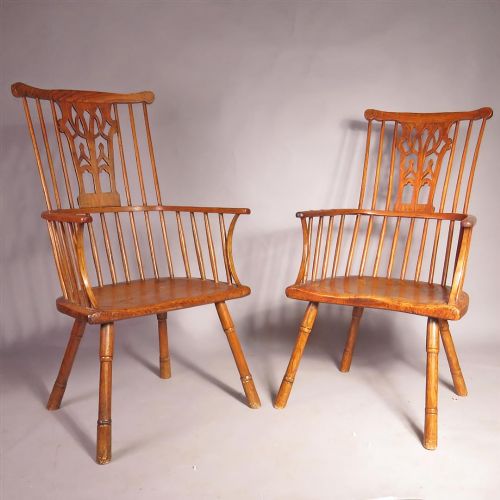
The regional variety runs from Welsh comb backs and Lakeland lambing chairs to Scottish Orkney and fair isle designs. Oak is the primary framing timber, often supported by elm, ash, or fruitwood components.
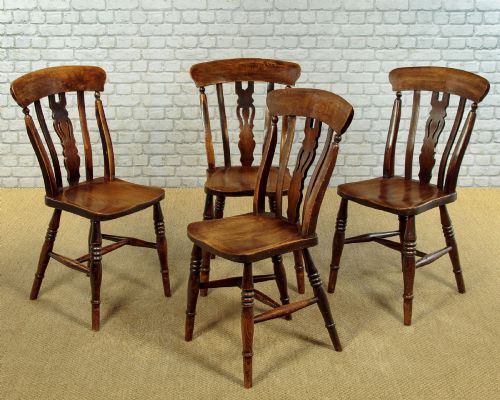
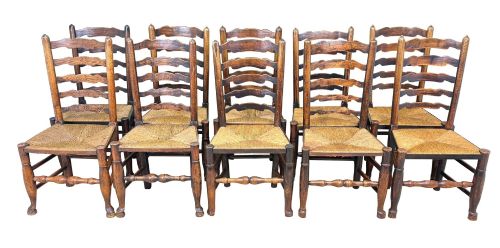
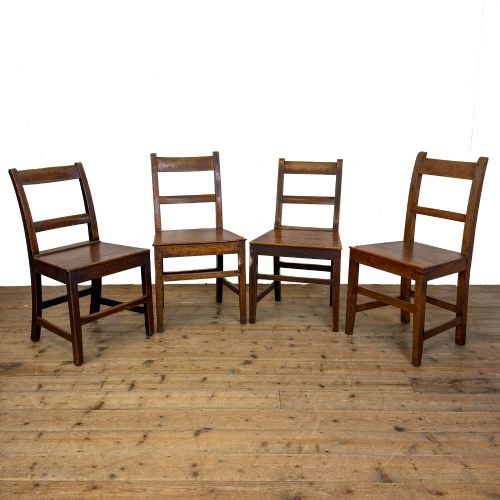
Most examples hail from English, Welsh, and Scottish rural workshops, reflecting the specific timber supplies and seating customs of their local districts. Sets of kitchen dining chairs appear alongside solitary armchairs and children's rockers.
How they were made
Makers built these seats using solid native timbers, pairing sturdy oak for frames with resilient woods like elm and ash for seats and spindles. Turnery and simple joinery formed the structural backbone, often utilising cleft or unseasoned wood that dried into tight, locked joints.
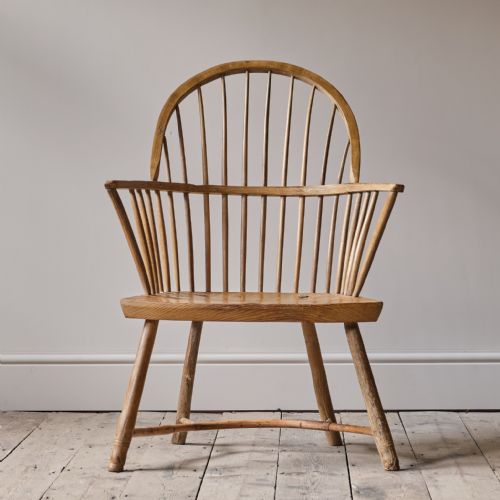
Seats were frequently shaped from a single solid slab of elm or hollowed out as dug-out troughs. Rush, straw, and painted finishes added comfort and protection, while steamed elements provided the curved hoop backs characteristic of Windsor variants.
Vernacular Oak Chair Retail Price Guide 2026
Typical asking prices for vernacular oak chair among the pieces listed under this phrase on Sellingantiques today, from the lower quarter to the upper quarter. They describe what is for sale here now, not the wider market.
Some chairs were built with miniature proportions specifically for children, mirroring full-sized farmhouse hearth seats down to the last spindle.
What varies in quality
Quality rests in the integrity of the original construction and the survival of an uncompromised surface texture. Pieces retaining their early paint layers or deep patination command greater interest than those stripped down to raw timber.
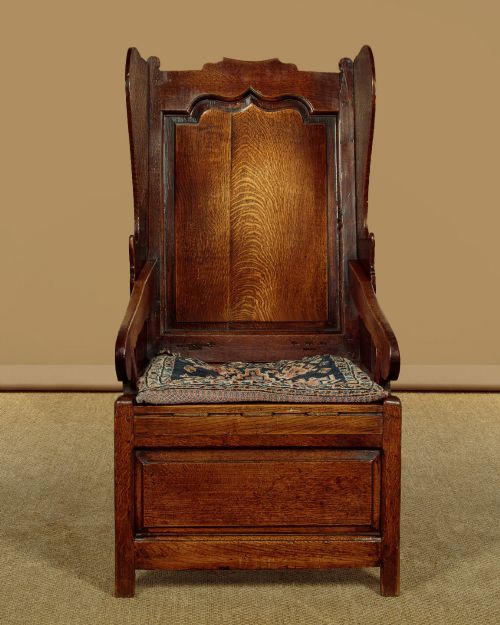
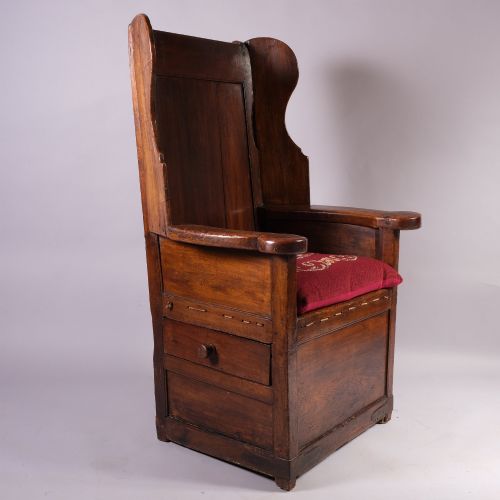
Proportion and the harmony of regional details define the finer examples, such as a well-balanced comb back or a finely turned spindle set. Evidence of careful regional adaptation, like integrated drawers or clever hood framing on lambing chairs, elevates the execution.
Duncan McKellar
The Vernacular Oak Chair Glossary
- Lambing chair
- A high backed, often solid sided seat designed to shelter the sitter from draughts near a hearth. Many include under-seat storage compartments or extended hooded wings.
- Windsor chair
- A chair built with a solid wooden seat into which the legs, back staves, and bow are independently fitted. Regional variations include hoop backs, comb backs, and low backs.
- Ladderback
- A chair back constructed from horizontal slats set between two vertical uprights. These frames frequently carry rush or straw woven seats.
- Dug out chair
- A primitive seating form hewn directly from a single massive log or trunk. This technique creates a heavy, monolithic chair body.
- Comb back
- A Windsor variant where the top bow of the spindle back extends upwards to resemble the teeth of a hair comb. This upper rail often terminates in small scroll ears.
Vernacular Oak Chair: Frequently Asked Questions
How do I date an old oak chair?
Dating relies on observing construction methods, tool marks, and timber shrinkage. Hand- cleft wood, early joined frames, and original pegging point towards earlier centuries.
Subsequent Victorian copies or later rural adaptations often display machine-cut components, standardised turnery, and different joint clearances.
Were these chairs used in dining rooms?
Many examples served utilitarian roles in farmhouses, cottages, and kitchens rather than formal dining spaces. Harlequin sets of kitchen chairs combined similar regional types around a central table.
Armchairs and lambing variants sat beside hearths, while side chairs served general domestic duties throughout the home.
How do I care for a painted wooden chair?
Painted surfaces require stable indoor humidity away from direct heat sources to prevent the historic finish from lifting. Gentle dusting with a dry cloth preserves the pigment.
Avoid modern liquid polishes or harsh chemical cleaners that can degrade fragile early paint layers.