
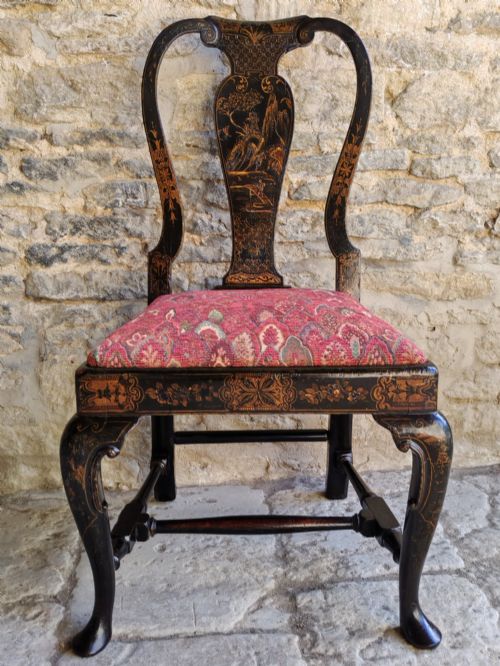

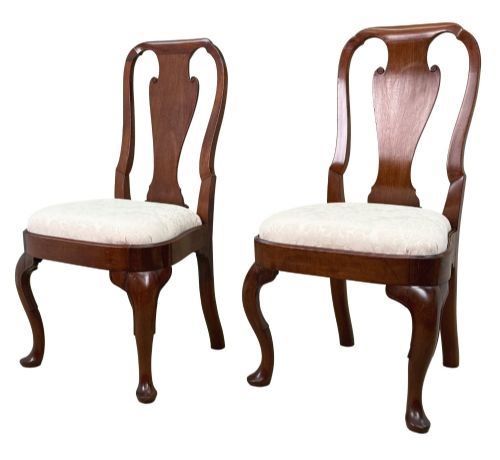
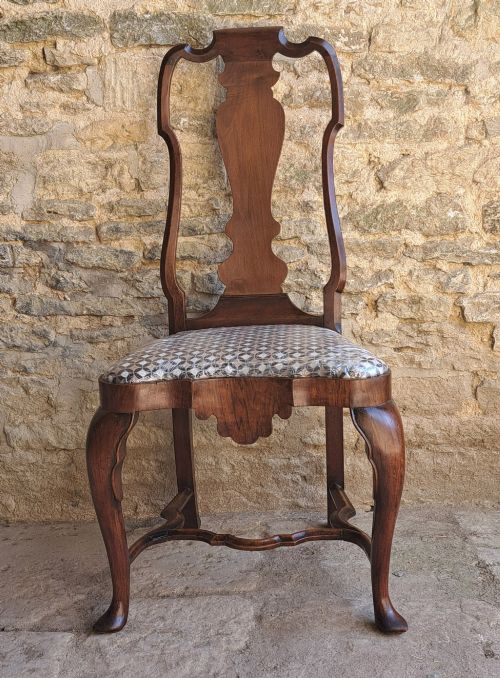
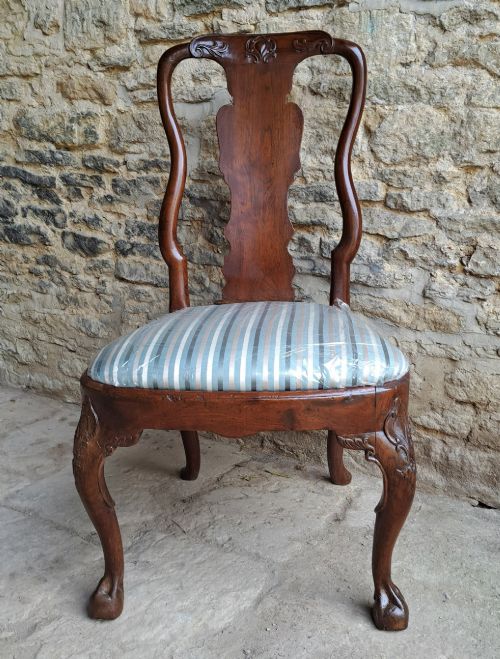



Vase Splat Chairs
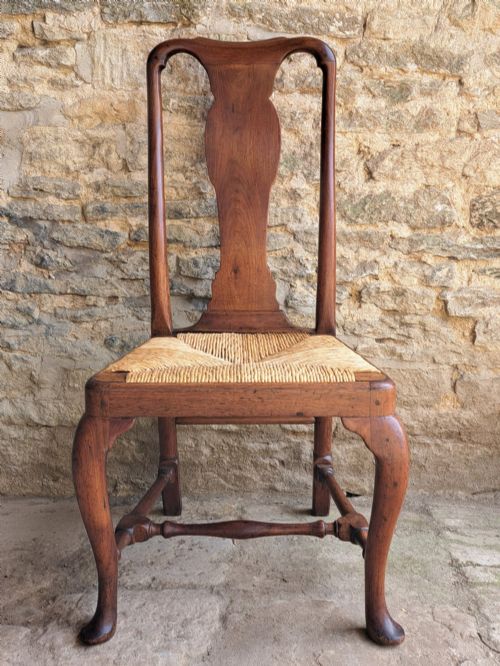
Vase splat chairs are traditional seating pieces defined by their characteristic central backboard, offering enduring form and robust construction for daily use.
Vase Splat Chairs
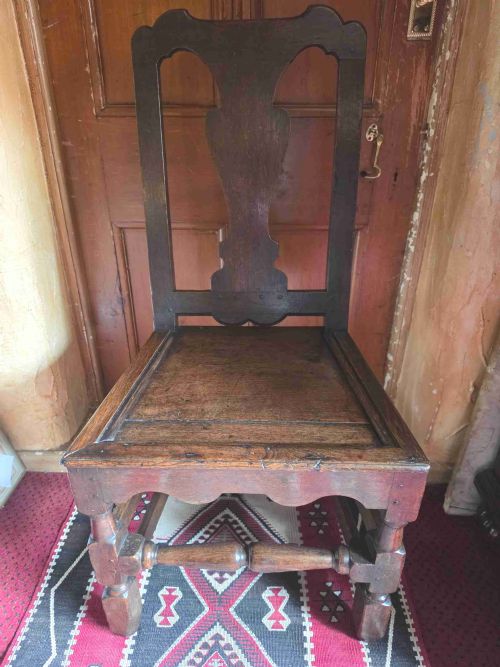
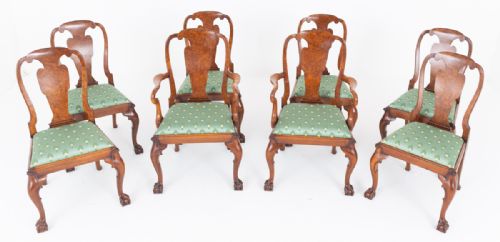
Vase splat chairs emerge principally across the eighteenth century, taking shape in walnut, mahogany, and oak through periods spanning Queen Anne, George I, and George II. These seats appear as single items, pairs, or matched sets intended for dining rooms and parlours.
Buyers frequently encounter nineteenth-century interpretations and later revivals alongside period pieces. Forms include side chairs, carver armchairs, high-back dining chairs, and occasional settees, featuring drop-in seats, rush seats, or upholstered pads.
How they were made
Carpenters constructed these frames using timbers such as walnut, mahogany, and oak, often shaping the upright splat into a distinct vase profile. Craftsmen employed cabriole legs, turned supports, and pegged joinery to ensure stability.
Seats incorporated drop-in frames, woven rush, or solid boards covered with fabric, leather, or textile upholstery. Marquetry inlay and veneers occasionally embellished the primary wooden surfaces.
Vase Splat Chairs Retail Price Guide 2026
Typical asking prices for vase splat chairs among the pieces listed under this phrase on Sellingantiques today, from the lower quarter to the upper quarter. They describe what is for sale here now, not the wider market.
What varies in quality
The degree of refinement in the carved splat and the choice of timber grain define the upper tier of production. Dense burr walnut or figured mahogany denote superior selection compared to plain secondary woods.
Proportion and structural integrity separate robust examples from compromised ones. Well-executed cabriole legs and crisp joinery indicate skilled workshop execution.
Charles Tozer·Cooper & Holt
The Vase Splat Chairs Glossary
- Vase splat
- A central vertical wooden back support shaped to resemble a classical vase. This component tapers inward near the base before expanding.
- Drop-in seat
- A removable wooden frame padded and covered with fabric or leather that rests inside the seat rail rebate.
- Cabriole leg
- A furniture leg that curves outward at the knee and tapers inward toward the foot. This design references animal limbs.
- Carver chair
- An armchair designed in a matching style to a set of dining chairs. These usually sit at the head of a table.
Vase Splat Chairs: Frequently Asked Questions
How do I identify a period vase splat chair?
Examination of timber patination, construction marks, and joinery methods helps distinguish eighteenth-century originals from later revivals. Secondary woods and hand-cut joints provide clues regarding age and origin.
Style characteristics such as cabriole leg profiles and splat thickness also shift between the Georgian era and nineteenth-century reproductions.
What woods were used for these chairs?
Walnut, mahogany, and oak represent the primary materials found in these seating pieces. Cabinetmakers utilised burr walnut and figured mahogany for high-status commissions.
Oak appears frequently in earlier provincial examples, while later Victorian versions rely heavily on mahogany.
Can I use these chairs for daily dining?
Solid construction and durable timber frames allow these chairs to function in modern dining spaces. Many sets provide sturdy seating supported by rush or upholstered pads.
Regular checks of the joinery help maintain stability during everyday use.
What seat types should I expect?
Surviving examples feature drop-in upholstered frames, woven rush pads, or fixed textile covers. Fabric and leather selections often reflect later reupholstery work.
Original frames frequently accommodate modern replacement upholstery without altering the underlying woodwork.