

Uzbek Silk Textile
When choosing an uzbek silk textile, collectors acquire richly embroidered wall hangings, ceremonial horse covers and vibrant ikats that bring Central Asian artistry into modern spaces.
Uzbek Silk Textile
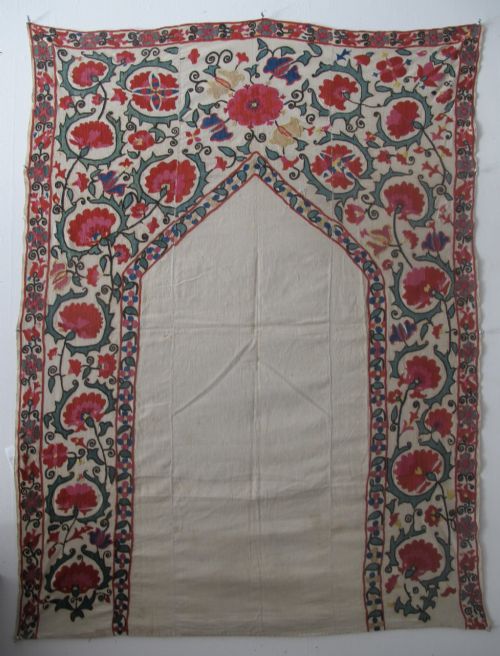
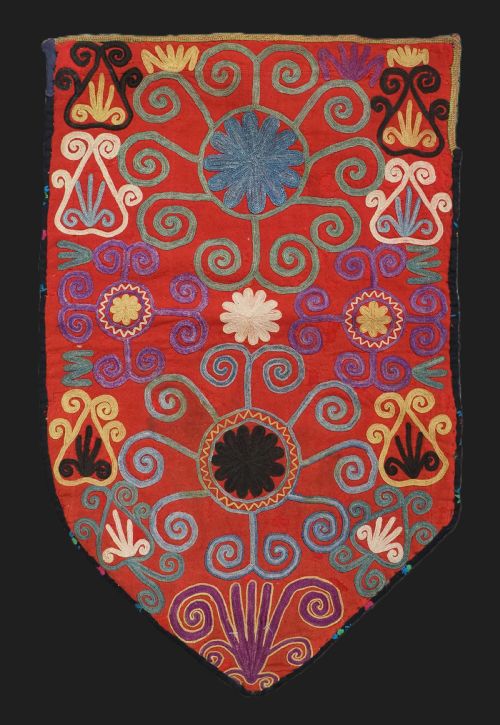
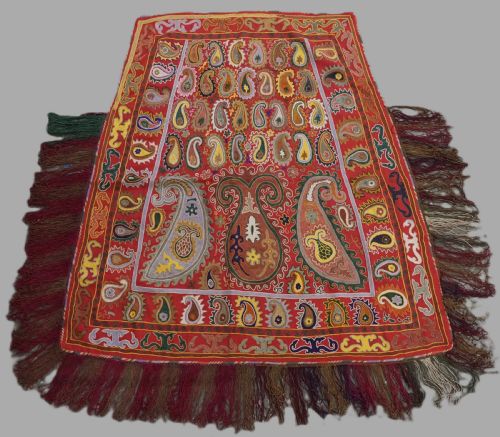
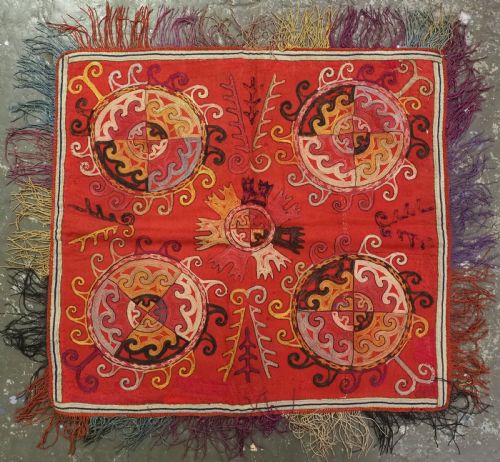
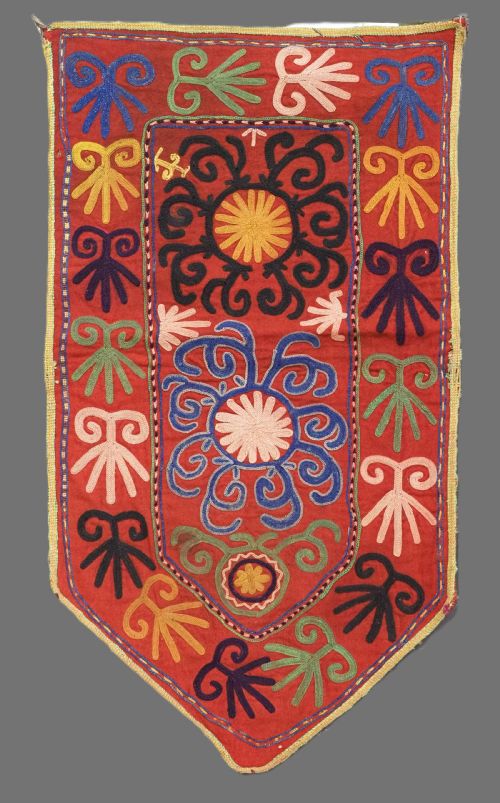
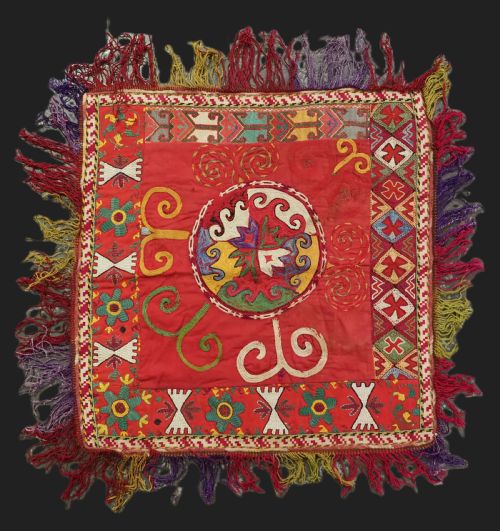
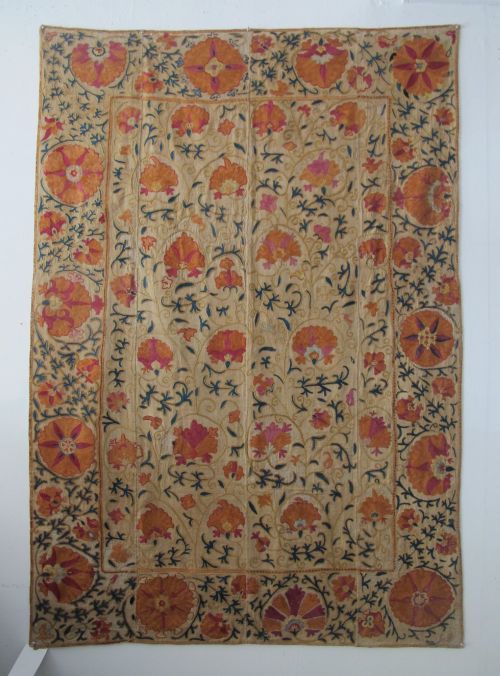
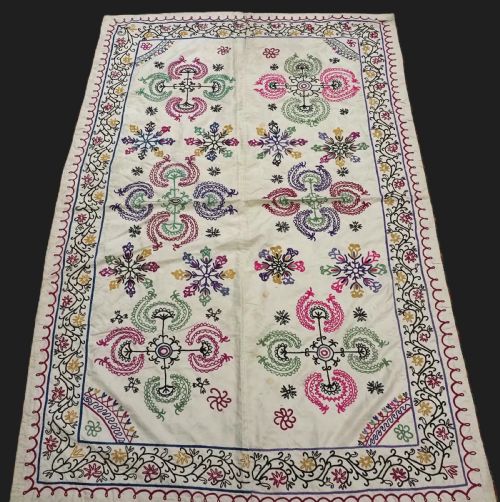
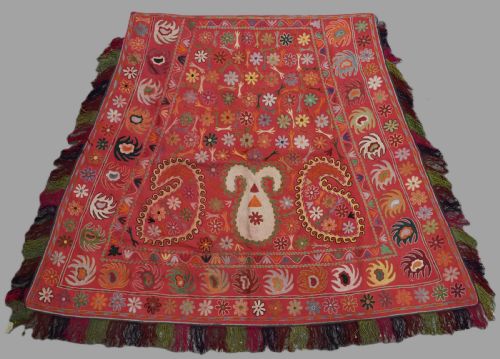
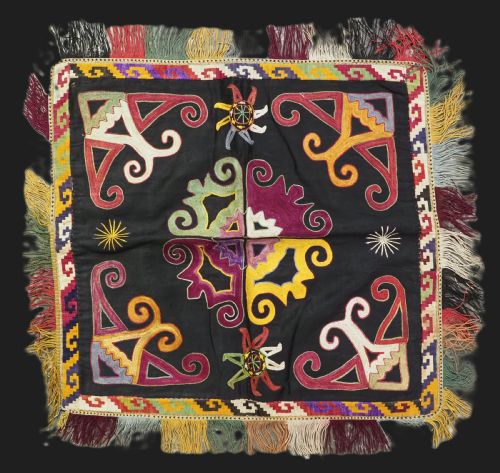
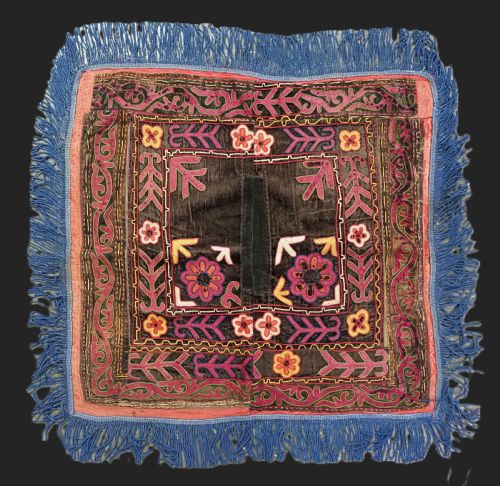
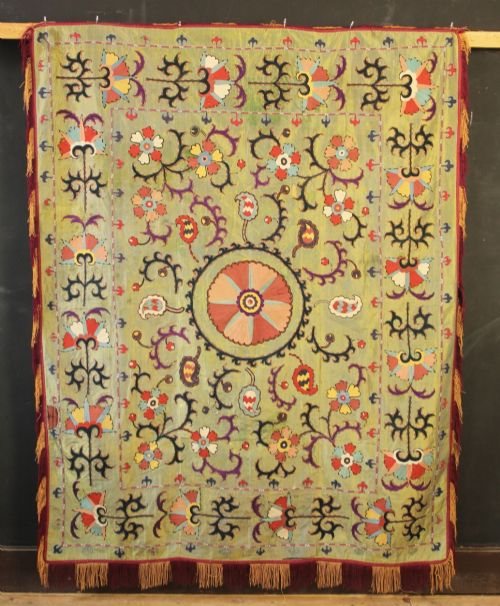
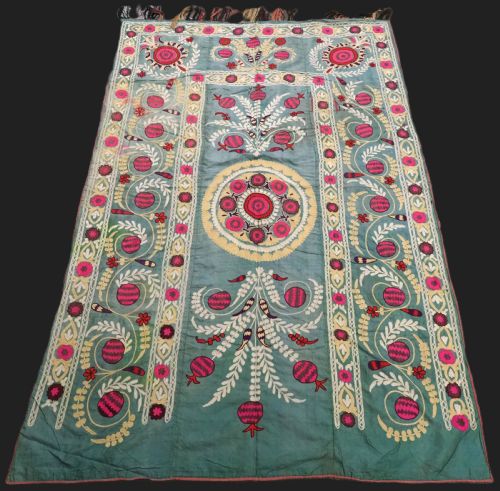
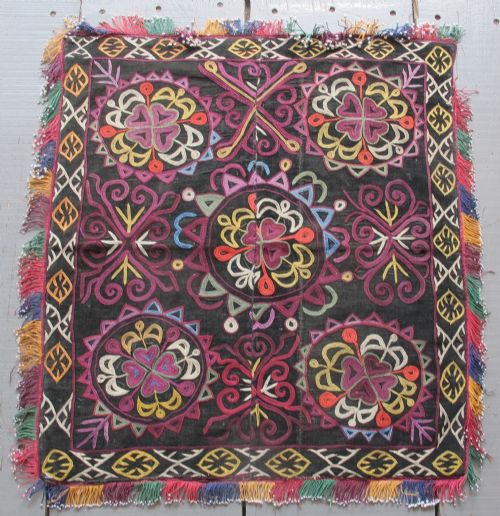
An uzbek silk textile encompasses a diverse range of traditional hand-worked items originating from Central Asia, including large embroidered wall hangings known as suzanis, smaller dowry hangings called ilgiches, and ceremonial horse covers created by tribal groups such as the Lakai. Buyers frequently encounter nineteenth-century pieces alongside early twentieth-century examples, reflecting the traditional craft output of regions like Bukhara, Samarkand and Shakrisabz.
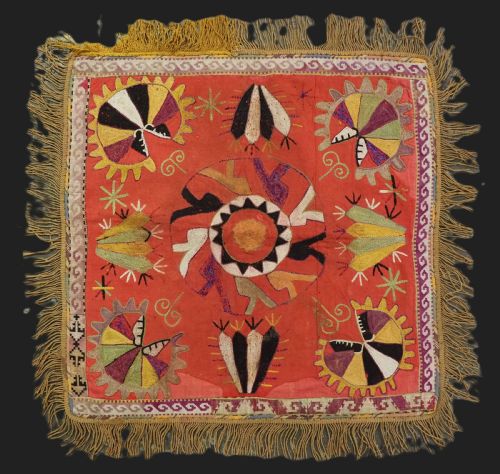
The selection includes functional garments and furnishings transformed by ornate needlework, such as quilted coats, gentleman's khalats, bed covers, and mirror covers. These objects often display regional variations in design, ranging from architectural motifs and large medallion variants to geometric tribal compositions executed on grounds of silk, cotton, wool or velvet.
How they were made
Artisans constructed these works primarily using fine silk threads, cotton, wool, and linen, frequently employing silk-on-silk embroidery or combining silk with cotton foundations known as adras. Certain ceremonial pieces and garments incorporate luxury elements such as velvet grounds, wool backing, glass beads, and silver metal thread brocade work.
Needlework techniques varied by region and tribal affiliation, with artisans utilising specialised stitches to build dense floral, geometric, and figurative patterns. Items like winter chapan coats involved quilting and padding layers of fabric to achieve warmth and structure alongside decorative impact.
Uzbek Silk Textile Retail Price Guide 2026
Typical asking prices for uzbek silk textile among the pieces listed under this phrase on Sellingantiques today, from the lower quarter to the upper quarter. They describe what is for sale here now, not the wider market.
Listings feature pieces spanning the nineteenth and early twentieth centuries, constructed from silk, cotton, wool, linen, velvet, glass beads, and silver thread.
What varies in quality
The degree of fineness in the needlework and the complexity of the design composition heavily dictate the standing of an individual piece. Works displaying tight, intricate silk embroidery and balanced colour distribution represent the higher end of the tradition.
Material selection also defines the tier of the object, with pure silk grounds and the inclusion of precious elements like silver thread or glass beads indicating superior production compared to simpler utility items.
The Uzbek Silk Textile Glossary
- Suzani
- An embroidered tribal wall hanging or decorative textile originating from Central Asia, traditionally worked in silk on a cotton or linen ground.
- Ilgich
- A specific form of dowry embroidery created for wall hanging use, frequently associated with the Lakai tribe.
- Adras
- A traditional semi-silk fabric woven with a warp of silk and a weft of cotton, commonly utilised for ikat panels.
- Khalat
- A traditional gentleman's coat or robe from the Bukhara or Samarkand regions, often decorated with vibrant ikat patterns.
- Uut Kap
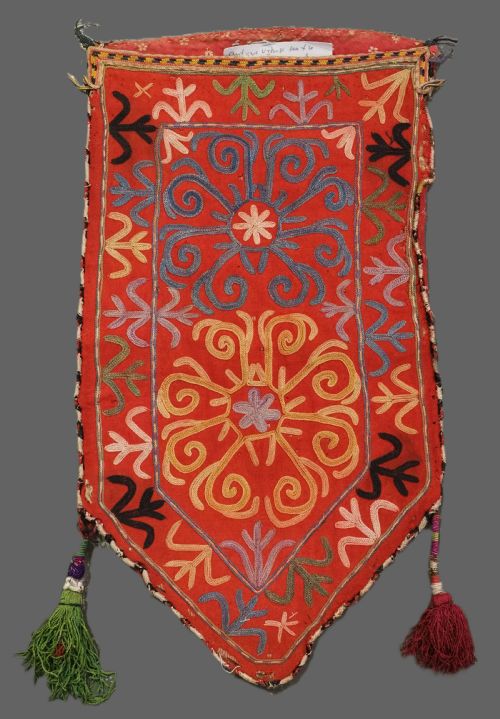
- A storage bag or hanging utilised within nomadic yurt dwellings, frequently heavily embroidered by tribal makers.
Uzbek Silk Textile: Frequently Asked Questions
How were suzanis used in traditional homes?
Suzanis served primarily as ceremonial wall hangings, bed covers, and decorative furnishings within Central Asian homes, often forming a vital part of a bride's dowry.
Families displayed them on special occasions such as weddings, where their rich embroidery and auspicious motifs symbolised wealth, health, and good fortune.
What is the difference between a suzani and an ikat?
Suzanis are textiles decorated with needle embroidery applied by hand onto a woven fabric ground, resulting in raised, textured patterns.
Ikats are created through a complex resist-dyeing process applied to the threads before the fabric itself is woven, producing blurred, fluid pattern edges.
How should antique textiles be displayed safely?
Mounting textiles on a padded support allows the weight of the fabric to distribute evenly without placing stress on the historical fibres.
Placing pieces away from direct sunlight protects delicate silk threads and natural dyes from fading over time.
How can I tell the regional origin of a piece?
Regional attribution relies on identifying specific design vocabularies, colour palettes, and embroidery structures associated with centres like Bukhara, Nurata, or Shakrisabz.
Tribal groups such as the Lakai often utilised distinct geometric motifs and contrasting wool grounds that set their work apart from urban workshop productions.