



Cream Embroidered Wall Hanging
A cream embroidered wall hanging brings rich global textiles into a room, offering tactile depth and history through needlework.
Cream Embroidered Wall Hanging
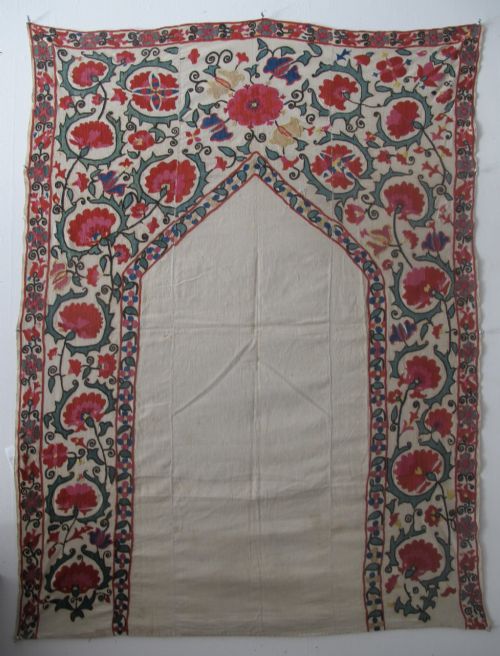
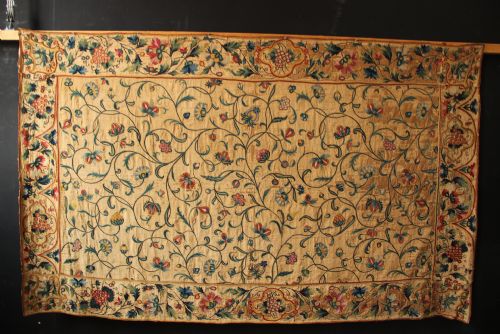
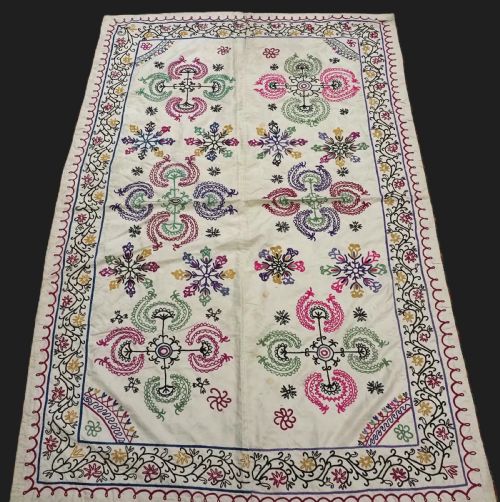
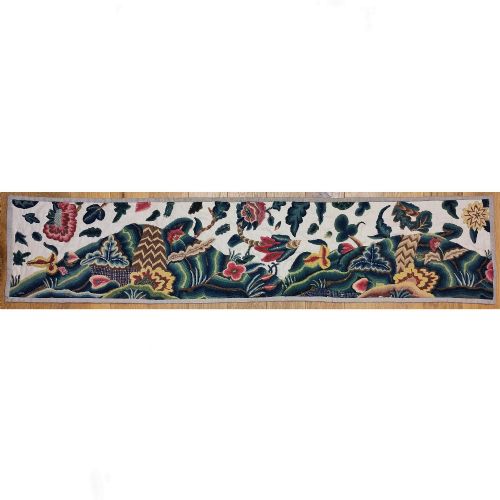
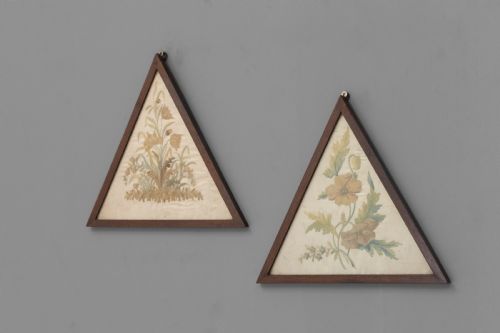
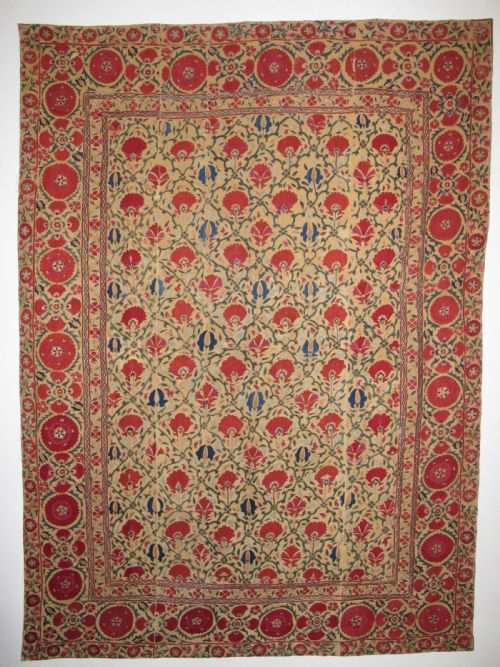
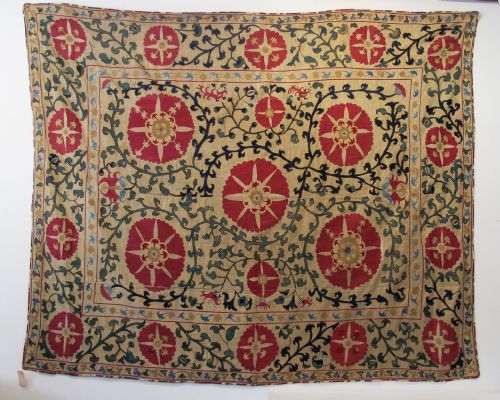
A cream embroidered wall hanging encompasses historic textile panels, traditional covers, and tribal needlework designed to be displayed on interior walls. When searching for a cream embroidered wall hanging, buyers encounter diverse forms ranging from Central Asian suzanis to English crewelwork panels.
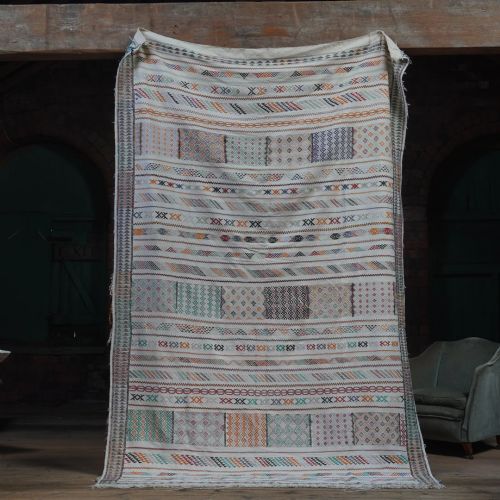
The selections span multiple centuries, showing periods from the seventeenth century through to the early twentieth century. Common formats include rectangular Suzani panels from Uzbekistan, British crewelwork, Moroccan kilims, and Persian embroidery.
Originating from regions such as Central Asia, England, Morocco, and Persia, these textiles reflect distinct regional aesthetics while sharing a foundational cream textile base. Buyers are most likely to meet mid-nineteenth-century Uzbek suzanis and English crewelwork panels on this page.
How they were made
The construction of these pieces relies on a foundation fabric of cotton, linen, wool, or wood-mounted textile supports. Artisans worked upon these base materials using supplementary yarns to build up dense decorative patterns.
Stitching was executed primarily with silk thread, wool, and sabra cactus silk. Needlework techniques such as crewelwork and traditional tambour or surface embroidery created the intricate floral, architectural, and tribal motifs characteristic of the period.
Cream Embroidered Wall Hanging Retail Price Guide 2026
Typical asking prices for cream embroidered wall hanging among the pieces listed under this phrase on Sellingantiques today, from the lower quarter to the upper quarter. They describe what is for sale here now, not the wider market.
What varies in quality
Quality in these textiles rests upon the density of the needlework and the fineness of the ground fabric. Tightly stitched silk threads on a balanced linen or cotton ground represent the upper tier of execution.
The precision of the traditional design and the complexity of regional motifs distinguish exceptional examples from simpler decorative pieces. Finer works display meticulous control over needle direction and colour blending within the embroidery.
The Cream Embroidered Wall Hanging Glossary
- Suzani
- A traditional embroidered tribal textile originating from Central Asia, typically worked in silk thread on a cotton or linen ground. These panels often feature large-scale floral and medallion designs.
- Crewelwork
- A traditional form of embroidery using wool yarn on a heavy linen or cotton twill fabric. English examples from the seventeenth century onward frequently depict scrolling vines and exotic flora.
- Sabra
- A vegetable silk extracted from the aloe cactus plant, utilised in traditional Moroccan weaving and embroidery. It provides a distinct lustrous finish to kilims and wall hangings.
- Nim-Suzani
- A smaller scale version of the traditional Central Asian suzani, generally configured in half the standard dimensions. These pieces maintain the intricate needlework of their larger counterparts.
- Prayer format
- A compositional layout featuring a distinct architectural arch or mihrab motif within the embroidery. This design originates from Islamic textile traditions and guides the visual focus of the panel.
Cream Embroidered Wall Hanging: Frequently Asked Questions
How do I hang a vintage textile?
Textiles are typically mounted on a fabric-covered wooden batten or framed behind glass with archival support. This distributes the weight evenly and prevents distortion of the base cloth.
Direct pinning or nailing damages the historic fabric and should be avoided. Professional framing ensures the piece remains secure over time.
What is a suzani?
A suzani is a large embroidered panel made in Central Asian regions such as Uzbekistan and Tajikistan. They were traditionally created by brides as part of their dowry.
These textiles feature bold botanical motifs and geometric arrangements worked in vibrant silk threads. Today they serve primarily as decorative wall art.
Are these pieces antique?
The selection includes pieces dating from the seventeenth century up to the early twentieth century. Each item reflects the specific period techniques and materials of its origin.
Documentation of periods helps identify the age and geographic source of the textile. Examining the backing fabric and thread composition clarifies the historical timeline.
Where were crewelwork panels made?
Crewelwork wall panels are historically associated with English country house traditions dating back to the seventeenth and eighteenth centuries. Artisans utilised wool threads on sturdy linen twill grounds to create durable domestic furnishings.
These panels often depict elaborate floral trees and scrolling patterns. Surviving examples provide insight into historical English interior decoration.