


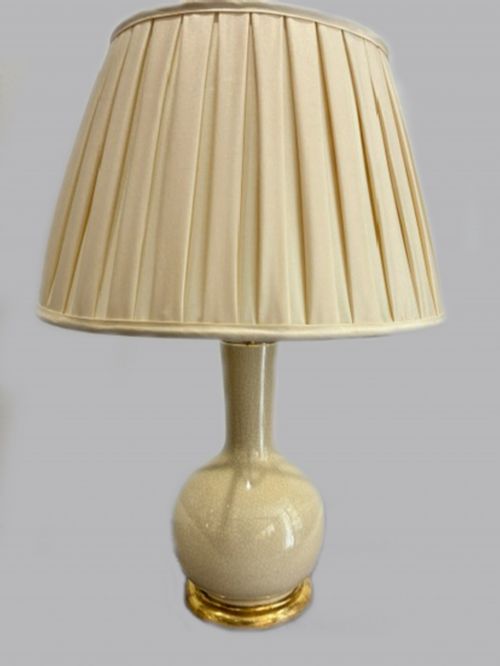
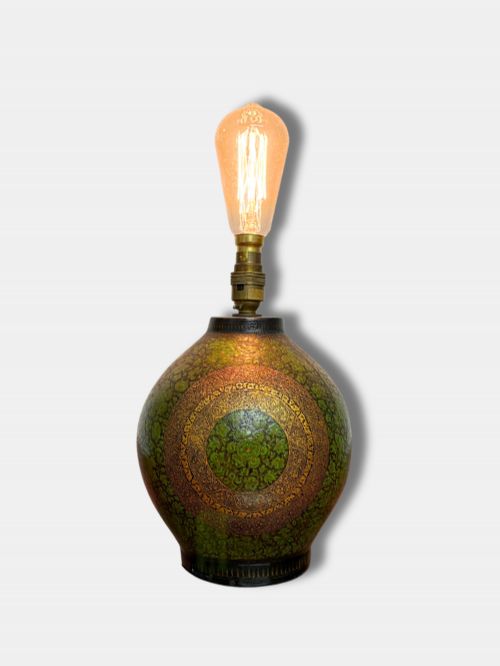
Urn Bedside Lamps
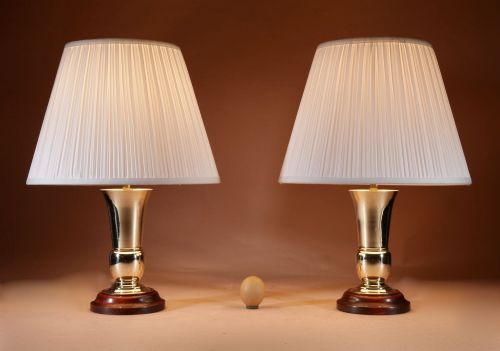
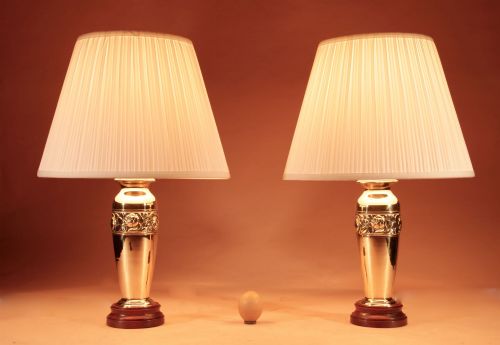
These urn bedside lamps bring classical proportion to the bedroom, pairing vessel-shaped bodies with warm lighting.
Urn Bedside Lamps
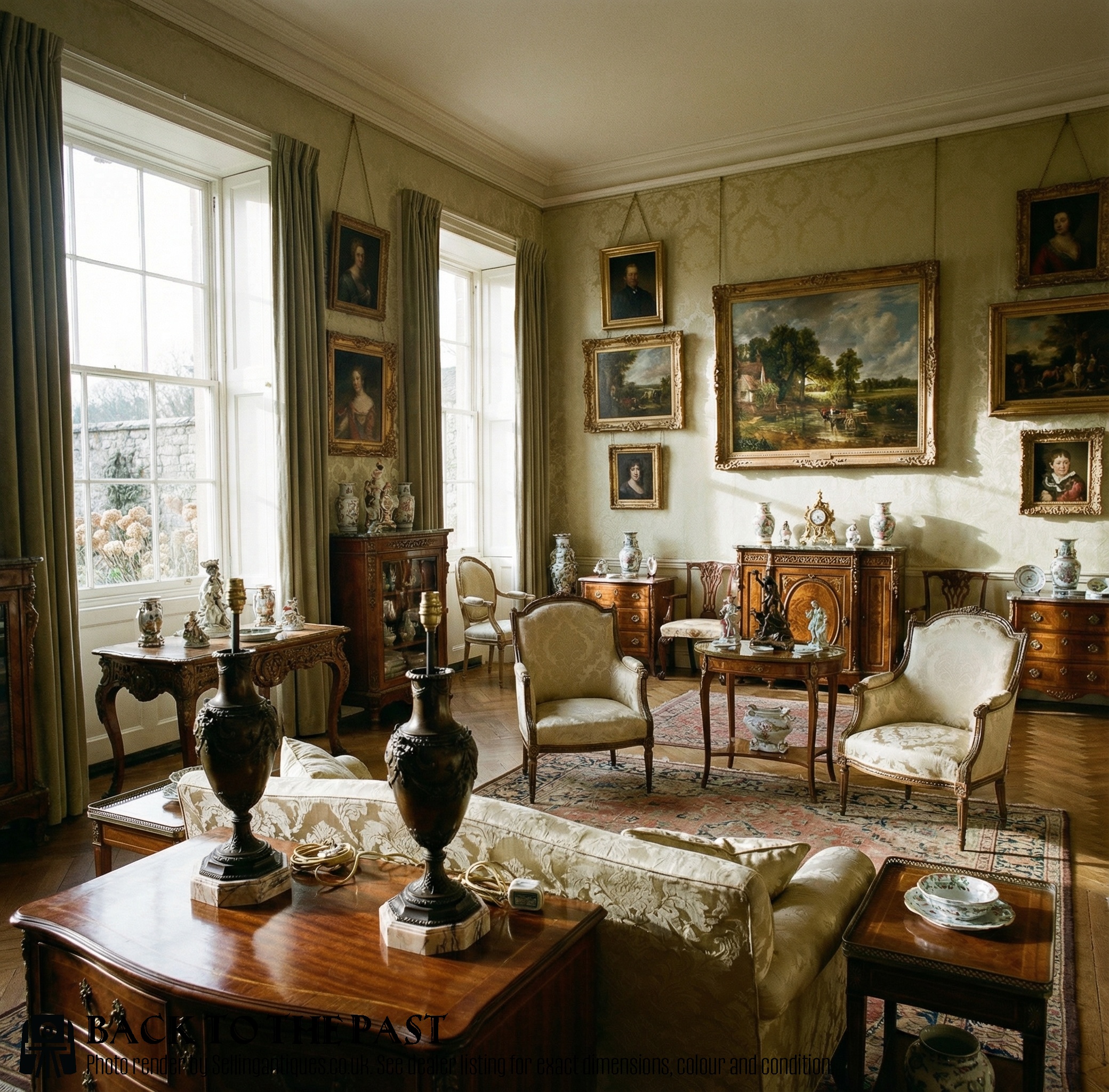
When you search for urn bedside lamps, you encounter lighting constructed from classical vessel forms adapted into table lamps. These pieces originate across the nineteenth and twentieth centuries, spanning Victorian, Edwardian, and Art Deco periods.
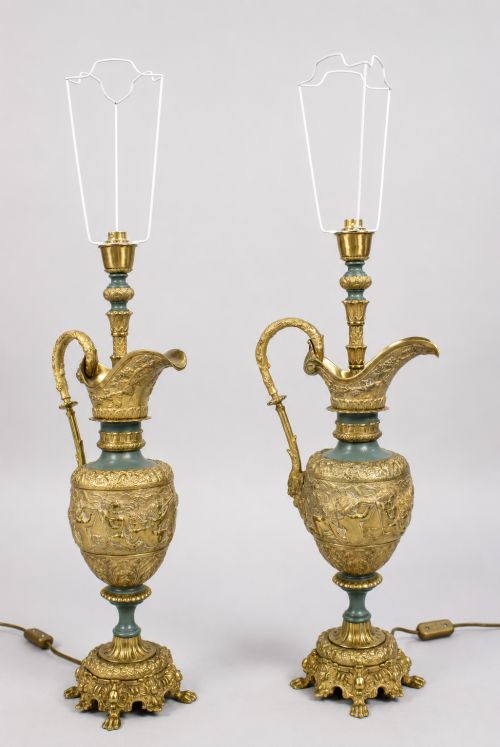
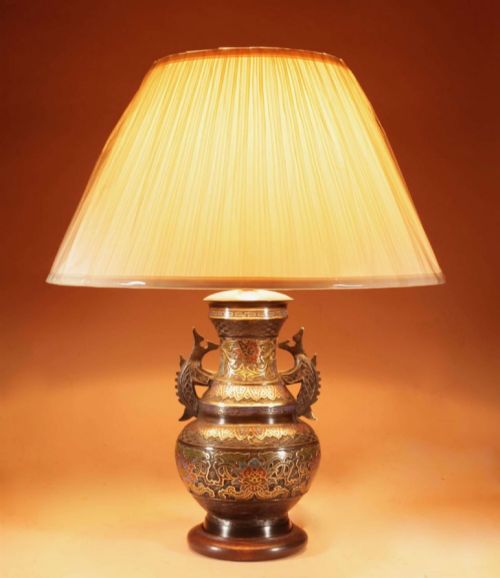
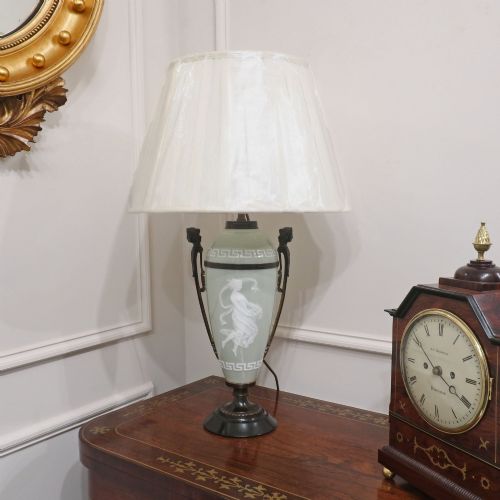
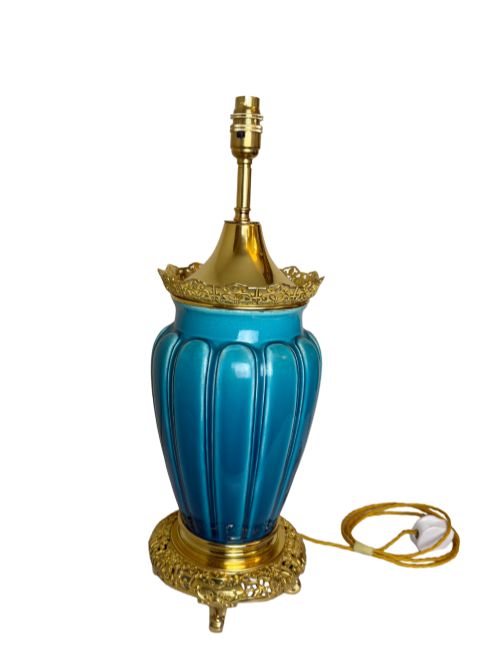
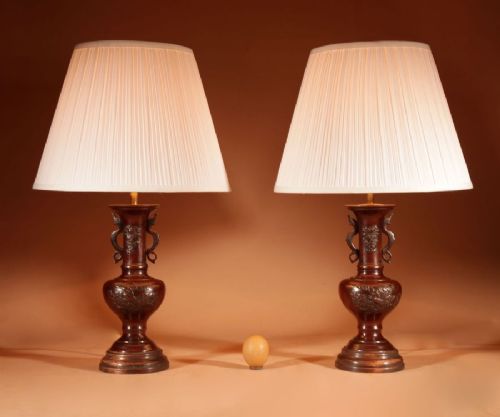
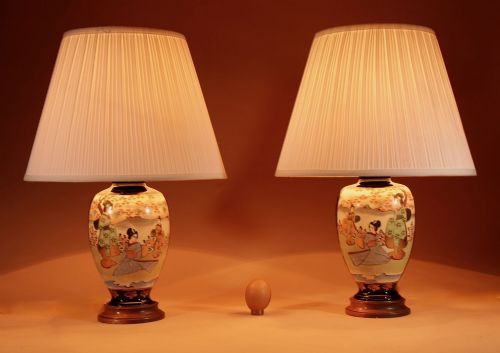
The versions most common on this page pair marble, porcelain, or bronze urn bodies with fabric shades. Many appear in pairs, utilising forms derived from French Neoclassical and Japanese Meiji period aesthetics.
While some pieces begin life as decorative urns or ewers before conversion into lamps, others are manufactured specifically as lighting. They sit naturally upon bedside tables, side tables, and occasional tables.
Materials and construction
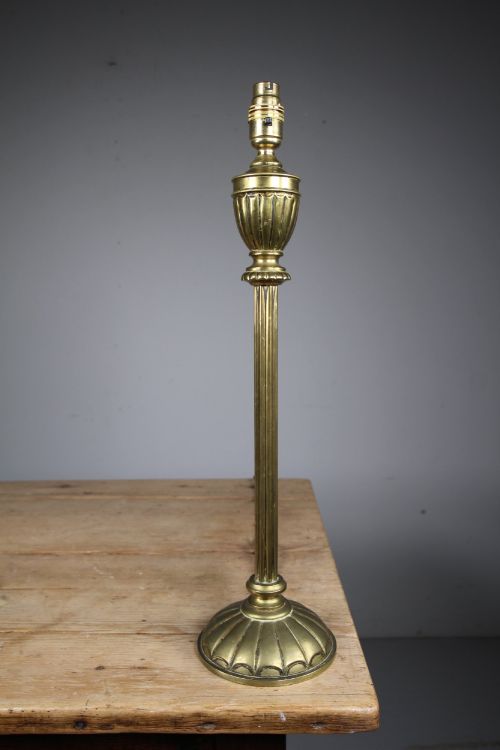
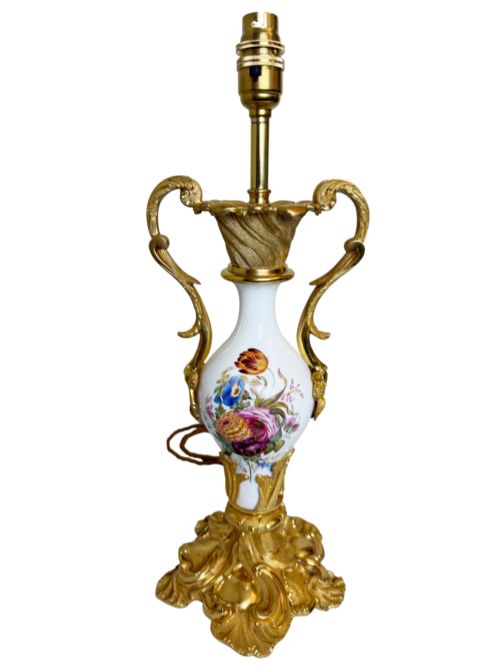
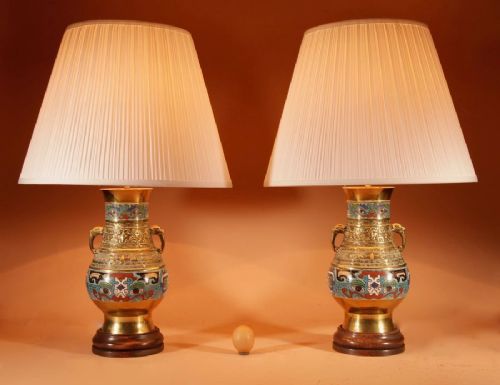
Makers construct the bodies of these lamps from cast metals such as brass, bronze, gilt bronze, and ormolu, often paired with carved marble, alabaster, or glazed porcelain. Surface decoration relies on champleve enamel, pate sur pate, and gilding.
Many designs incorporate mounts, trim, and bases cast in metal and attached to stone or ceramic bodies. Fabric shades complete the construction, sometimes paired with handmade elements or glass components.
Listings feature materials spanning marble, brass, bronze, porcelain, alabaster, and glass across Victorian, Edwardian, and Art Deco periods.
What determines quality
Quality rests in the crispness of the casting work on metal mounts and the depth of the glaze on porcelain or ceramic urns. Finer examples display precise chasing on ormolu and well-figured marble or alabaster.
The integrity of the pairing between the urn body and the lamp fittings dictates the overall balance of the piece. Superior examples maintain proportion and harmonious material combinations throughout.
The Urn Bedside Lamps Glossary
- Ormolu
- Gilded bronze mounts applied to furniture, porcelain, and clocks. This technique was widely utilised in French decorative arts.
- Champleve
- An enamelling technique where troughs are dug into a metal surface and filled with enamel before firing. Japanese and European pieces frequently employ this method.
- Pate sur pate
- A ceramic decorating method where a relief design is built up layer by layer using liquid clay. This technique creates a cameo effect against a contrasting background.
- Alabaster
- A fine-grained stone used for carving decorative vessels and lamp bodies. Its translucent quality allows light to diffuse softly through the material.
- Ewer
- A large jug with a wide spout and handle, frequently adapted into lamp bases. These forms draw directly from classical antiquity.
Urn Bedside Lamps: Frequently Asked Questions
Are these lamps supplied with shades?
Many examples include fabric shades as part of the assembly, whilst others consist of the base alone.
Buyers often select shades that complement the proportions of the urn body and the metal mounts.
How do I date a marble urn lamp?
Dating relies on the style of the metal mounts, the type of marble used, and the construction methods visible in the base.
Nineteenth-century pieces frequently display Louis XVI Revival characteristics, whereas later twentieth-century examples shift towards simpler geometries.
Can these lamps be used on small bedside tables?
Their footprint depends on the width of the urn body and the accompanying shade.
Petite versions and slender forms sit comfortably on compact surfaces alongside other bedroom furniture.
What is the difference between porcelain and ceramic urn lamps?
Porcelain is a fired ceramic material known for its vitrified, dense body and smooth glaze.
Other ceramic variants, including crackle ware and earthenware, offer different surface textures and glaze depths.