




Urban Landscape Art
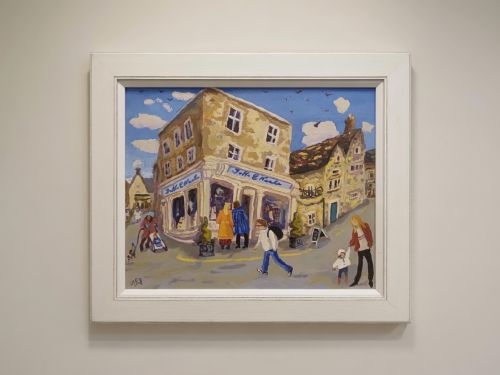
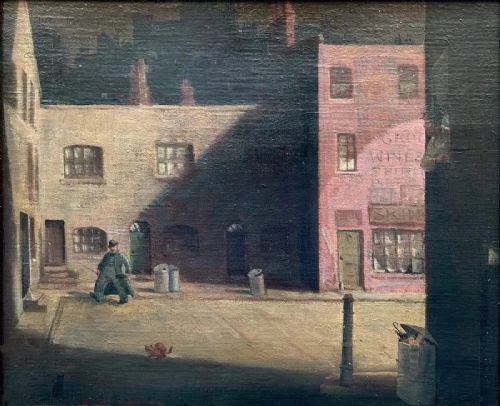
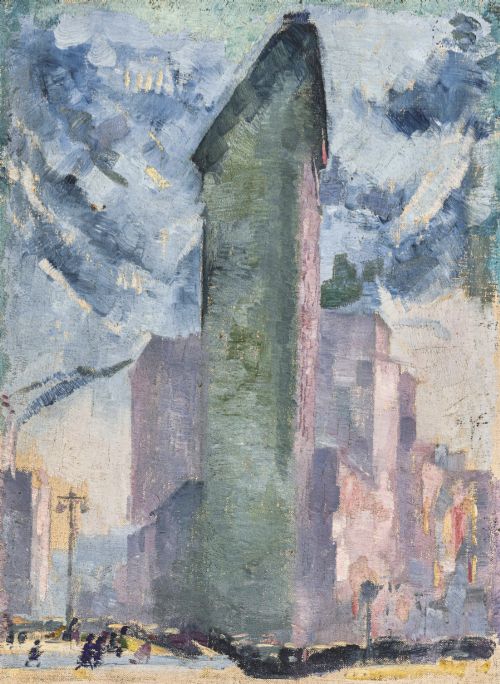
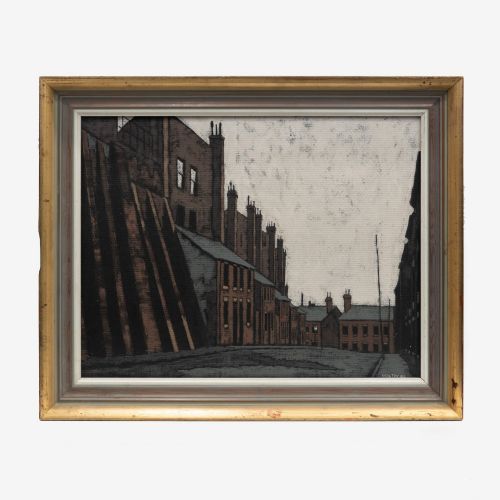
Urban landscape art captures the architectural character of towns and cities through oils and watercolours spanning from the Georgian period to later than 1960.
Urban Landscape Art
Urban landscape art depicts city streets, architectural views, bridges, and townscapes rendered by various hands across multiple centuries. Buyers searching for urban landscape art encounter everything from late Georgian town scenes to mid-century abstract cityscapes.
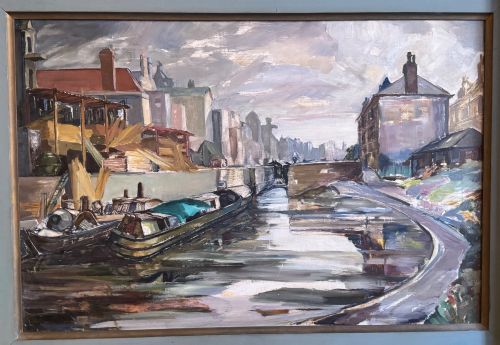
The selections span traditional watercolours on paper and substantial oil paintings on canvas or board. Common subjects range from specific London and Paris locations to continental city views and imaginative urban abstracts.
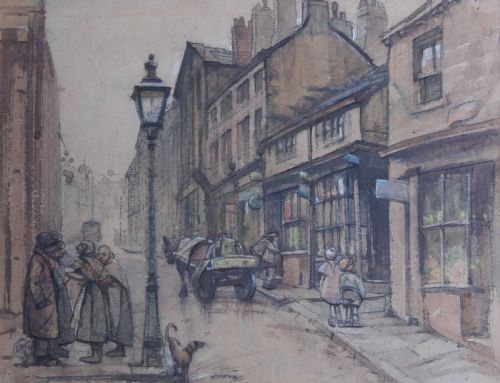
Works originate from distinct periods including the nineteenth century, the Edwardian era, and the mid-century decades. British Impressionism and Northern Realism frequently shape the aesthetic of these town and city depictions.
Materials and technique
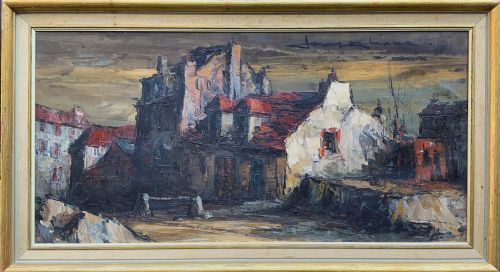
Artists apply oil paint or watercolour onto supports such as canvas, wood boards, and paper. Impasto technique appears frequently in mid-century abstract and expressionist pieces, building thick textures that give physical presence to city buildings.
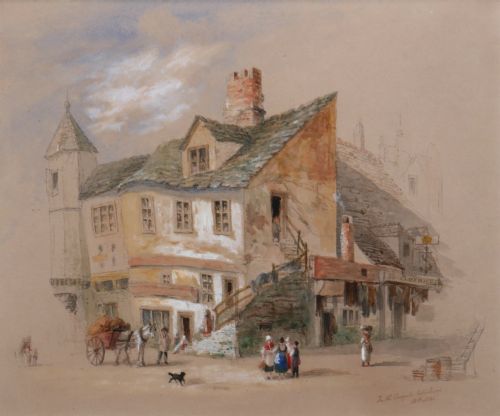
Traditional watercolours rely on fluid washes applied to paper to capture atmospheric effects like moonlight or winter twilight. Oil paintings utilise canvas stretched over frames or rigid wooden panels, often housed in giltwood frames.
Urban Landscape Art Retail Price Guide 2026
Typical asking prices for urban landscape art among the pieces listed under this phrase on Sellingantiques today, from the lower quarter to the upper quarter. They describe what is for sale here now, not the wider market.
Several urban views include unexpected moments of daily life, capturing birds fed outside St Martins in the Fields or figures crossing continental bridges.
Distinctions in quality
Quality rests in the artist's handling of perspective, light, and architectural detail within the urban scene. Stronger works demonstrate confident brushwork and a clear understanding of tone, whether the style is realist or abstract.
The choice of medium and surface integration also separates pieces, as seen in the deliberate texture of impasto cityscapes versus flat applications of paint. Preserved condition of the canvas, board, or paper contributes significantly to the visual impact.
Lucy Pratt·Francisco Sancha·Alfred Wolmark·Stuart Walton·Lilian Colbourn·William Manners·Florence Hess·Lewis J Wood·Job de Vogel·Walter Meegan·Jack Merriott·Guillaume Urban Régamey·Rowland Henry Hill·Fred Lawson·Matthew Hale
The Urban Landscape Art Glossary
- Impasto
- Paint applied thickly to a canvas or board, standing out in relief from the surface. This technique builds physical depth and texture within architectural and street elements.
- Giltwood
- Wood carved and covered with a thin layer of gold leaf or gold paint. This material is commonly found framing traditional nineteenth-century and early twentieth-century oil paintings.
- Watercolour
- Paint consisting of pigment suspended in a water-based solution, traditionally applied to paper. It allows for translucent washes that capture subtle atmospheric changes in townscapes.
- Townscape
- A visual representation of the urban environment, including buildings, streets, and squares. It forms the primary subject matter across these paintings and watercolours.
- Canvas
- Heavy woven fabric stretched across a wooden frame to act as a painting surface. Oil painters rely on this traditional ground for durability and texture.
Urban Landscape Art: Frequently Asked Questions
What is urban landscape art?
Urban landscape art encompasses paintings and watercolours that focus on city environments, buildings, streets, and architectural landmarks. These works record urban development and artistic interpretations of towns across different centuries.
Creators utilise mediums like oil paint and watercolour to capture the specific atmosphere of locations ranging from London and Paris to continental European cities.
How do I date an urban painting?
Dating relies on stylistic evidence, artist signatures, framing materials, and the structural support such as canvas or wooden board. Mid-century works often display expressionist or abstract tendencies, whereas nineteenth-century pieces lean towards realism.
Examining the architectural styles depicted in the streets and buildings can also provide clues regarding the era in which the piece was created.
Where should I hang these paintings?
These artworks suit living spaces, studies, or hallways where adequate wall space allows the composition to be viewed clearly. Oil paintings on canvas and framed watercolours require placement away from direct sunlight to protect the pigments.
Matching the frame, such as giltwood or simpler wooden mouldings, to the room's interior helps integrate the urban artwork into the home.
Are watercolours fragile?
Watercolours on paper are sensitive to light and moisture because of the medium and the paper support. Proper framing behind glass with acid-free mounts protects the surface from environmental damage.
Keeping these works away from humid areas and direct sun exposure ensures the longevity of the pigments.