



Underglaze Blue Charger Plate
An underglaze blue charger plate brings centuries of kiln craft to your wall or table.
Underglaze Blue Charger Plate
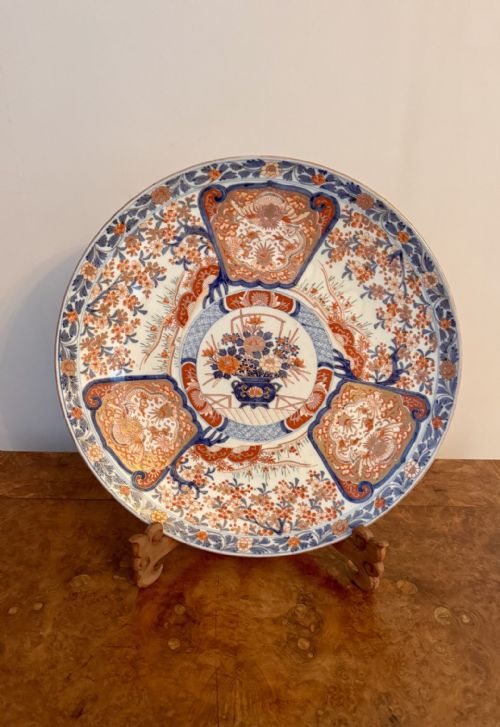
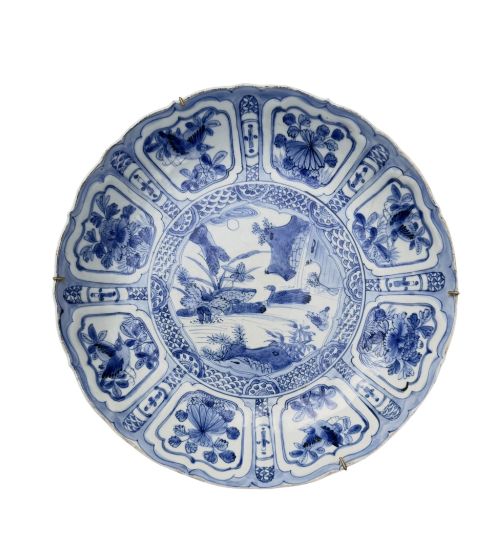
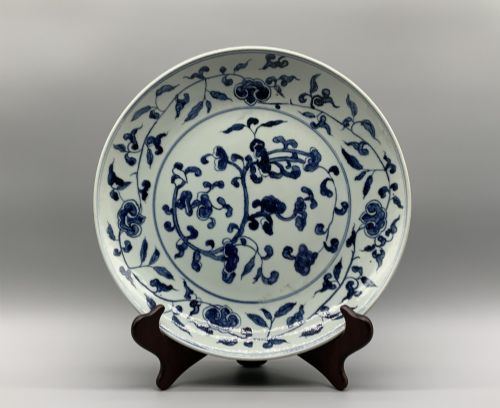
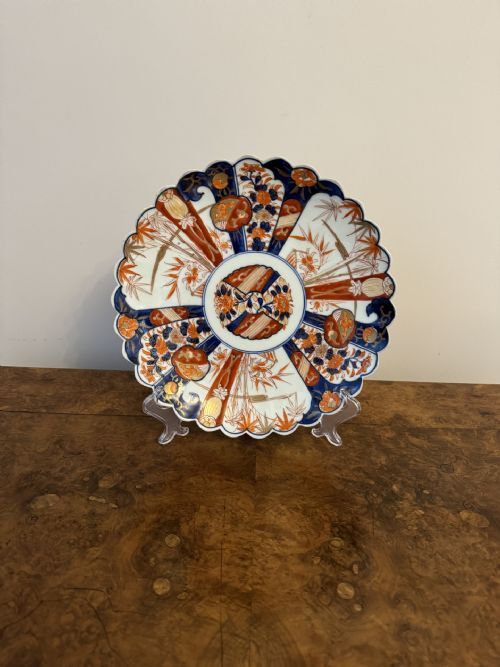
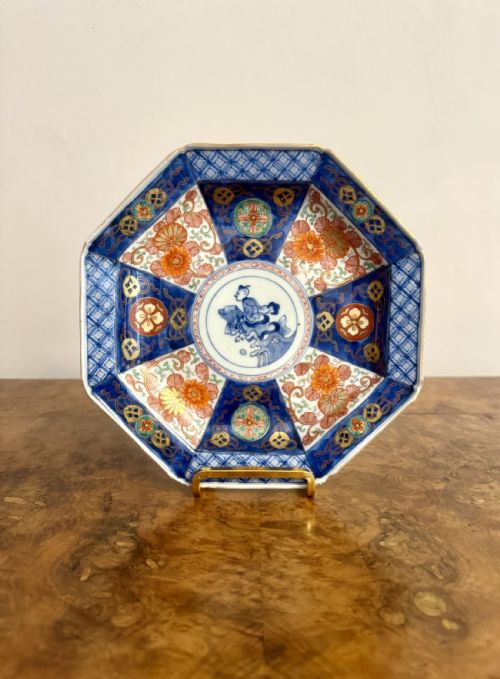
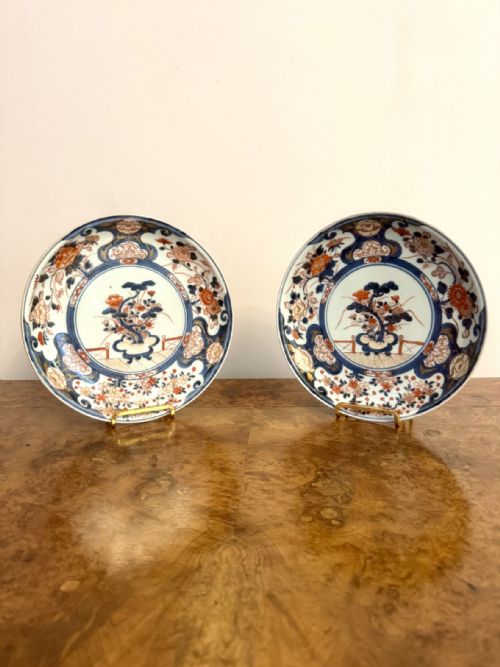
When you search for an underglaze blue charger plate, you encounter large serving dishes and decorative plates spanning multiple centuries of Asian and English ceramic production. The selection draws heavily on Japanese Imari wares from the Meiji period alongside Chinese porcelain dating back to the Kangxi and Qing dynasties.
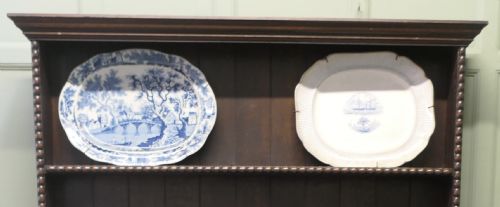
You will frequently meet large Arita imari chargers and eighteenth-century blue and white dishes featuring moulded floral motifs or barbed rims. English pearlware pieces like the Caughley willow pattern charger also appear among the broader mix of oriental porcelain.
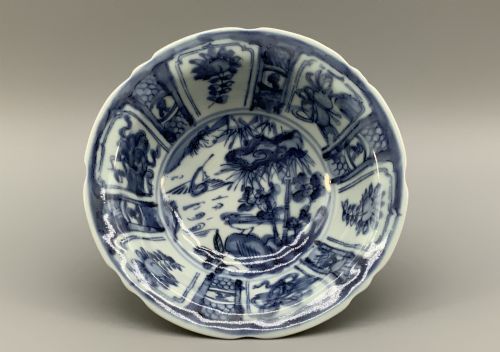
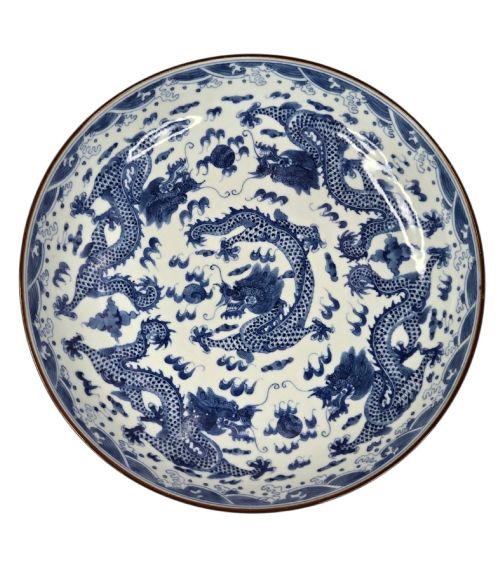
The forms range from lobed bowls and hexagonal plates to sweeping chargers adorned with dragons, koi carp, and cranes. These pieces serve primarily as decorative wall displays or centrepiece platters due to their generous diameters.
What varies in quality
The clarity and depth of the cobalt pigment dictate much of the visual strength, with finer pieces showing sharp brushwork without blurring or pooling in the glaze. Crisp moulding around barbed or scalloped edges points to superior control during the forming stage.
The intricacy of the painted subject matter, from five-clawed dragons to detailed koi carp, separates standard production wares from pieces executed with exceptional artistic ambition. Preservation of overlying gold leaf and enamel accents also influences the standing of individual chargers.
Swatow chargers arrive bearing maritime scars from ancient cargo holds, having survived centuries at sea to reach modern walls.
The Underglaze Blue Charger Plate Glossary
- Underglaze
- A decoration method where metallic pigments are applied to the unglazed ceramic body before a transparent glaze covers the surface.
- Charger
- A large decorative plate or platter traditionally used for ceremonial serving or displayed upright on sideboards.
- Imari
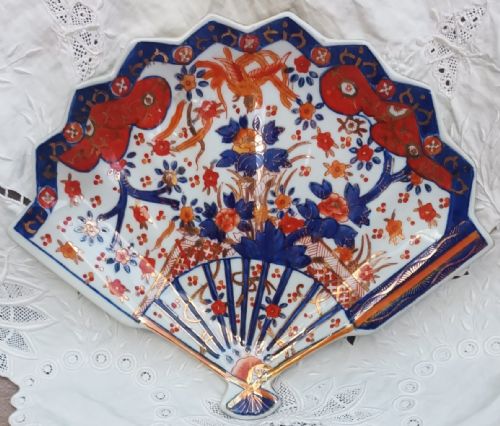
- A style of Japanese porcelain featuring cobalt blue underglaze combined with iron red, enamel, and gold overglaze decoration.
- Pearlware
- A refined fine earthenware developed in England during the late eighteenth century, possessing a bluish glaze that pooled in recesses.
Underglaze Blue Charger Plate: Frequently Asked Questions
How were charger plates used?
These large vessels originally served grand dining tables for holding joints of meat or sharing courses among guests. Over time, their impressive scale and painted designs led to them being displayed on walls or sideboards.
Today, they function primarily as decorative statements rather than everyday tableware. Their robust ceramic bodies easily withstand being mounted on sturdy display brackets.
How do I date Chinese porcelain?
Dating relies on comparing stylistic motifs, potting techniques, and reign marks against known examples from dynasties such as Kangxi or Qing. Subtle variations in the shade of cobalt blue and the texture of the glaze help narrow down the period.
Many pieces carry apocryphal marks paying homage to earlier emperors rather than dating from the original reign. Examining the wear on the foot rim provides further clues to an object's true age.
What is Japanese Imari?
Japanese Imari refers to porcelain manufactured in the town of Arita and exported through the port of Imari from the Edo period onward. These pieces are distinguished by a rich palette combining cobalt blue underglaze with iron red and gold overglaze.
The resulting high-contrast patterns made these wares immensely popular across European courts and homes. Later nineteenth-century Meiji period examples continued these traditional decorative schemes with great technical skill.