



Underglaze Blue Ceramic Platter
When you search for an underglaze blue ceramic platter, you enter a world of cobalt pigment fired beneath a clear glaze across centuries of global kilns.

Underglaze Blue Ceramic Platter
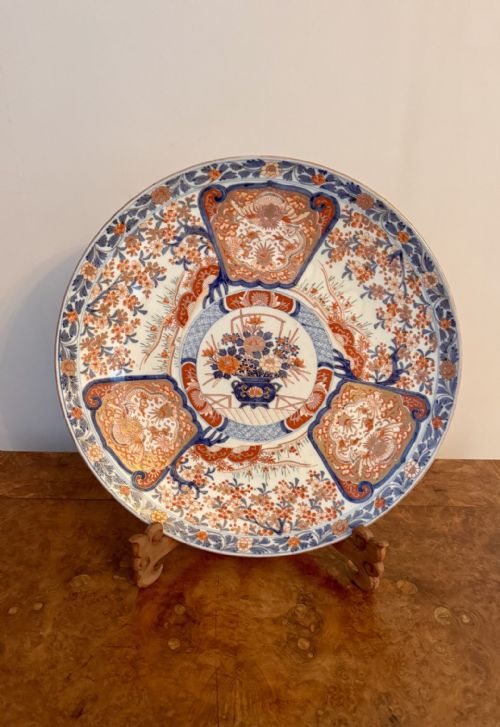
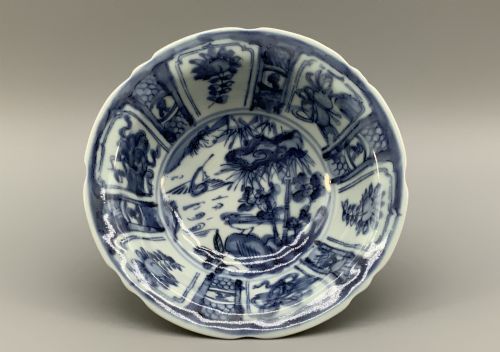
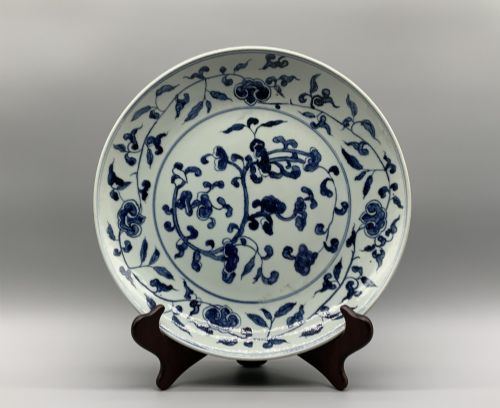
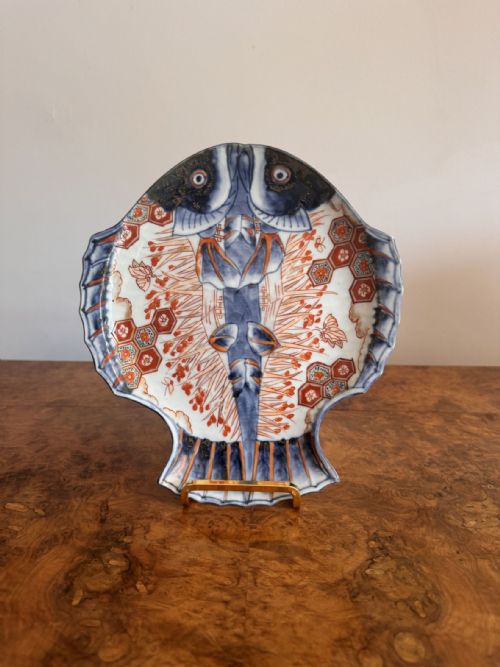
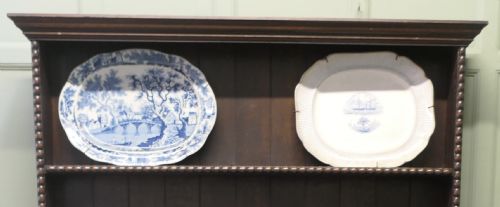
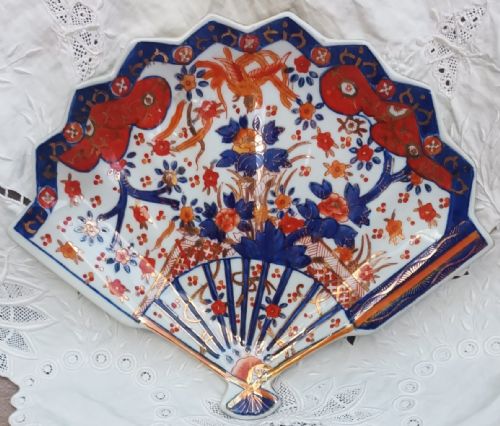
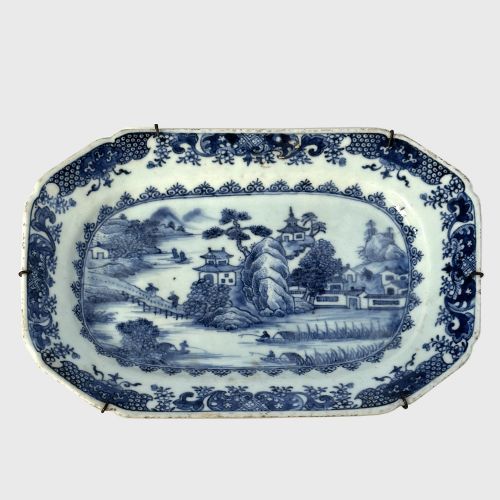
An underglaze blue ceramic platter spans several centuries of production, originating in Chinese export kilns before spreading to Japanese workshops and English factories. When browsing this selection, you encounter serving platters, meat dishes, and large chargers shaped in circles, lobes, or fish forms.
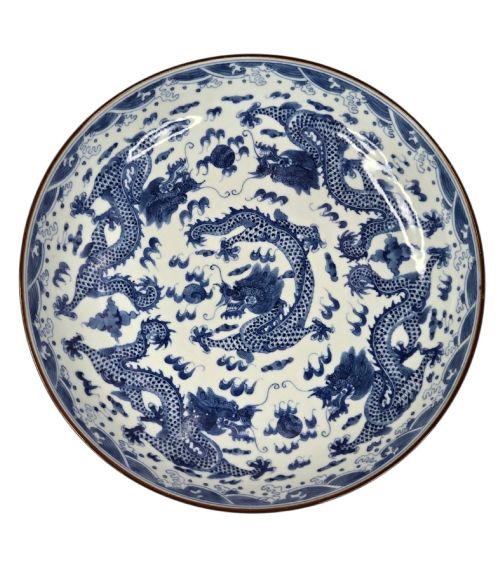
The material foundations range from early Chinese porcelain and Japanese Arita wares to English pearlware and earthenware. The decorative vocabulary draws heavily on blue and white landscapes, floral motifs, dragons, and willow patterns executed in cobalt.
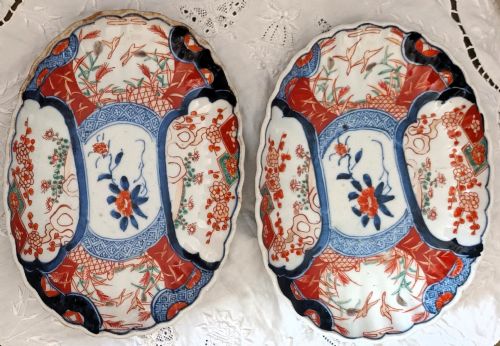
Pieces stretch chronologically from the seventeenth century through the Georgian and Victorian eras up to the Meiji period. English Staffordshire potteries sit alongside Qing Dynasty dishes and Japanese Imari creations.
Materials and Kiln Techniques
Makers applied cobalt oxide pigments directly onto the unfawned ceramic body before applying a transparent glaze and firing the piece at high temperatures. This underglaze technique ensured the blue decoration fused permanently with the body, protecting the pigment from wear over generations of use.
Production utilised refined porcelain, earthenware, and pearlware pastes moulded or thrown into platters, chargers, and meat drains. Kiln conditions dictated the final depth of the cobalt, ranging from soft grey-blues to vibrant, deep navy tones.
Underglaze Blue Ceramic Platter Retail Price Guide 2026
Typical asking prices for underglaze blue ceramic platter among the pieces listed under this phrase on Sellingantiques today, from the lower quarter to the upper quarter. They describe what is for sale here now, not the wider market.
Listings span seventeenth-century Chinese porcelain through to Victorian English earthenware and Meiji period Japanese Arita wares.
Distinctions in Quality and Execution
The hierarchy of these pieces rests upon the crispness of the cobalt brushwork and the control maintained inside the kiln. Superior examples display sharply defined motifs without blurring or running of the pigment into the surrounding glaze.
Form and potting weight further separate standard domestic wares from ambitious chargers and meat drainers. Balanced proportions, intricate moulded rims, and successful execution of difficult shapes like fish or barbed edges elevate individual pieces.
Copeland and Garrett
The Underglaze Blue Ceramic Platter Glossary
- Underglaze
- A decoration method where metallic pigments are applied to the raw ceramic body before glazing and firing. This seals the design beneath a glassy layer.
- Cobalt
- The mineral oxide responsible for the intense blue colour in traditional ceramic painting. It withstands the extreme heat required for porcelain maturation.
- Charger
- A large decorative plate or platter utilised historically for ceremonial dining or as a base for smaller courses. They frequently measure over twelve inches across.
- Pearlware
- An earthenware body developed in English potteries featuring a slightly bluish glaze that pooled in recesses to mimic Chinese porcelain. It dominated production around the turn of the nineteenth century.
- Imari
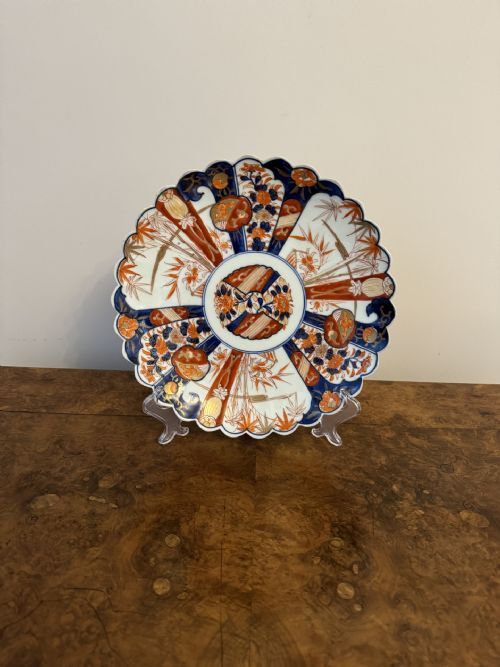
- A style of Japanese porcelain featuring blue underglaze combined with iron red and gold enamel accents. Many pieces emerged from Arita kilns for export.
Underglaze Blue Ceramic Platter: Frequently Asked Questions
How do I date an underglaze blue ceramic platter?
Dating relies on combining the ceramic body type, glaze characteristics, and stylistic motifs recorded in the piece. Early pieces often exhibit distinct potting flaws and specific cobalt tones associated with dynasties or Georgian eras.
Examining foot rims and base markings provides further clues regarding the manufacturing period and geographic origin.
What is the difference between porcelain and earthenware platters?
Porcelain is vitrified at high temperatures, resulting in a dense, non-porous body that often rings when struck and may show translucency under strong light. Earthenware is fired at lower temperatures, producing a heavier, opaque ceramic body.
Pearlware represents a refined intermediate earthenware body developed to achieve a whiter surface resembling porcelain.
Were these platters used for serving food?
Many large platters and meat dishes served functional roles on dining tables, often featuring gravy wells or drainers to collect juices during carving. Chargers were frequently decorative or used for grand presentation rather than everyday dining.
The presence of utensil marks often indicates active historical service at the table.
How should I care for an antique ceramic platter?
Antique ceramic platters require gentle hand washing in lukewarm water using mild detergent to protect the historic glaze and underglaze pigments. Dishwashers and abrasive scourers must be strictly avoided.
Displaying or storing them securely on stable plate stands prevents accidental chipping of the edges.