
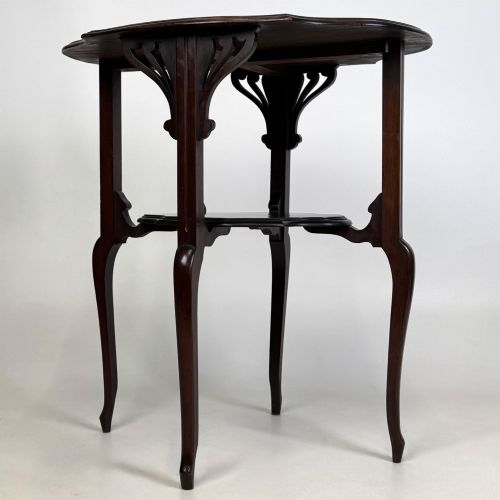
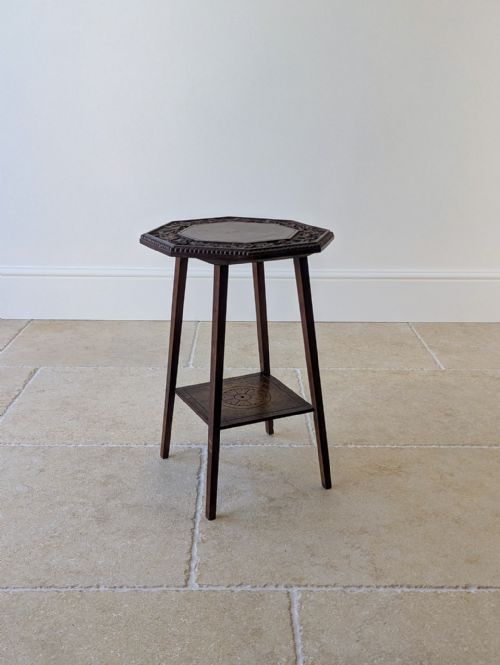
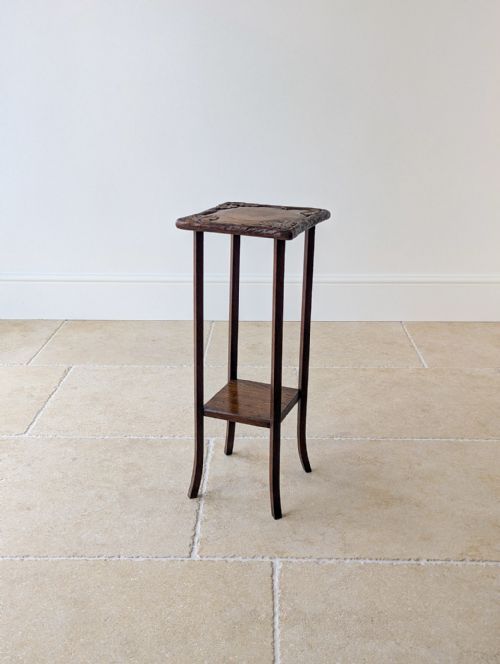
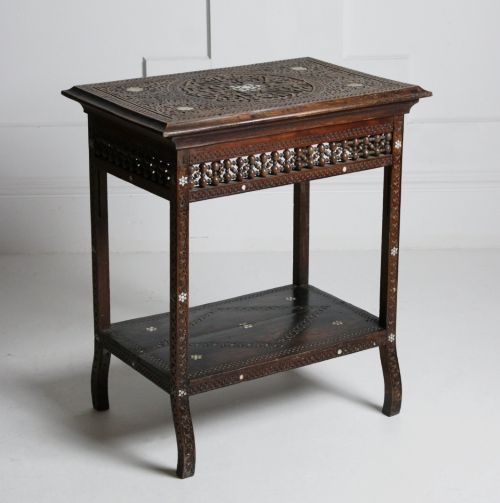

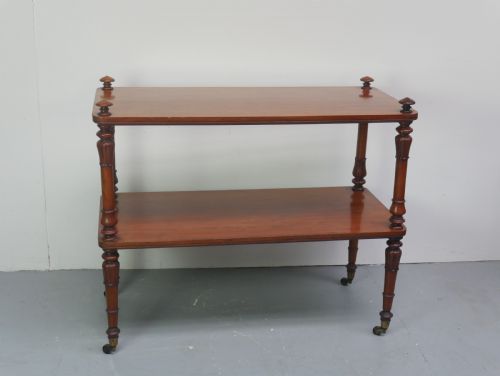
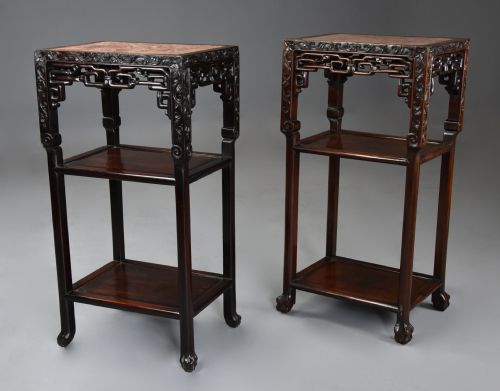
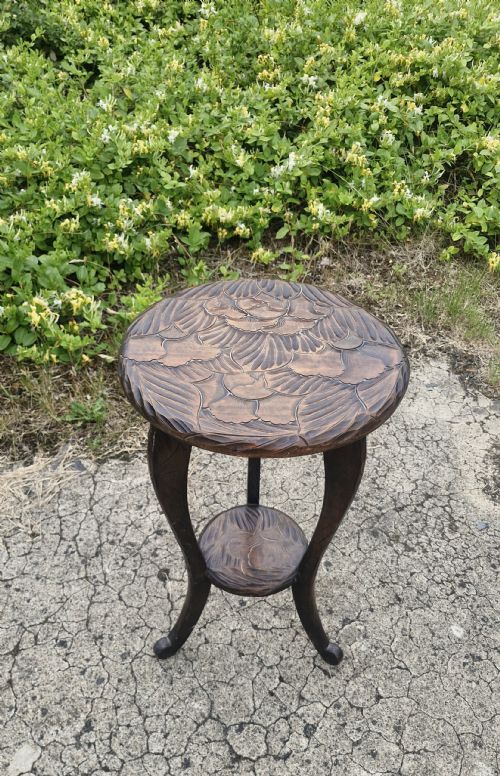
Two Tier Carved Table
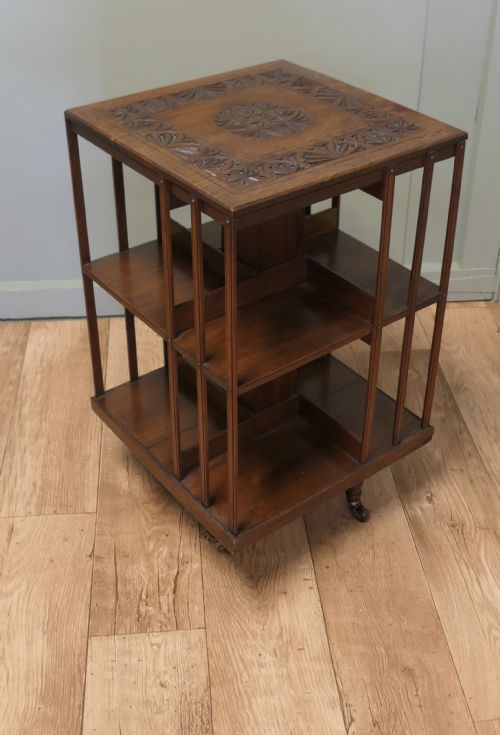
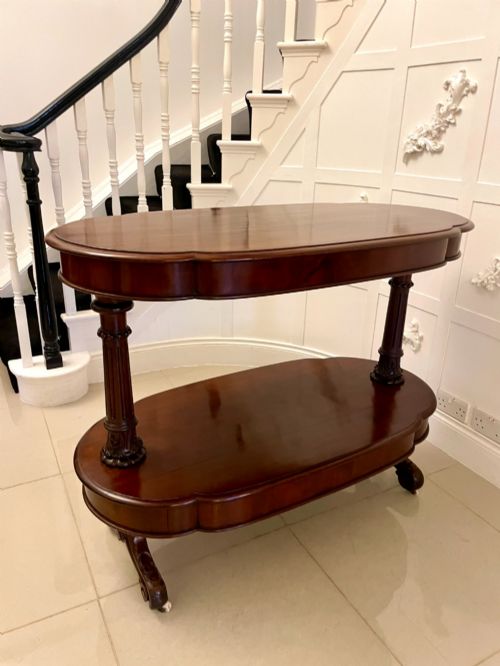
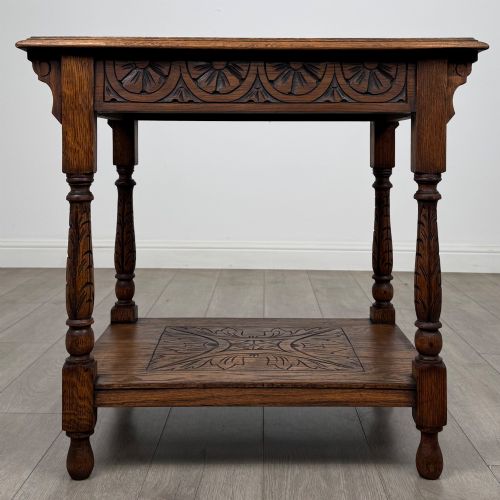
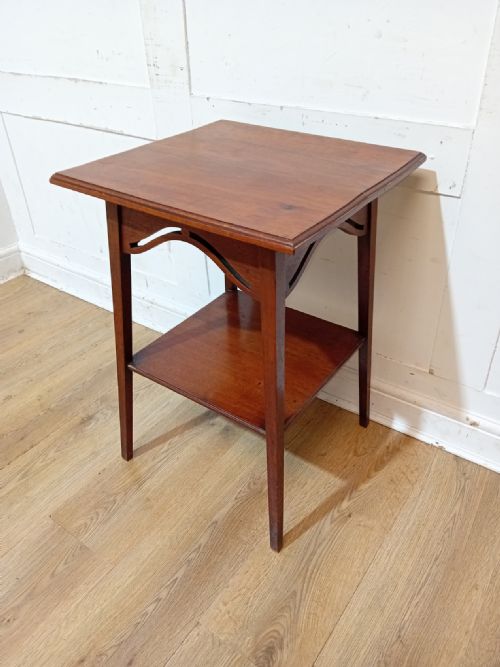
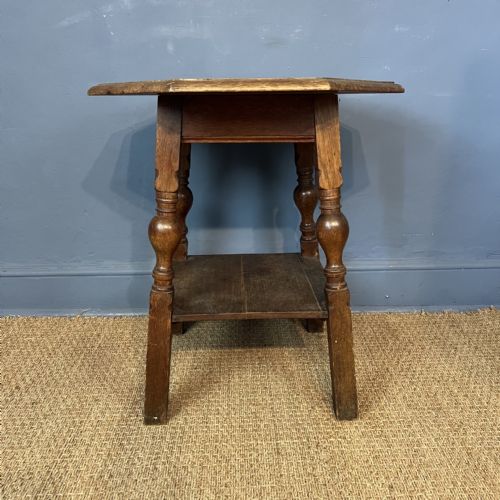
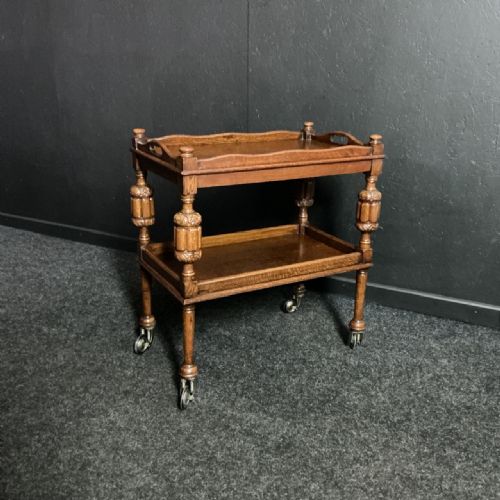
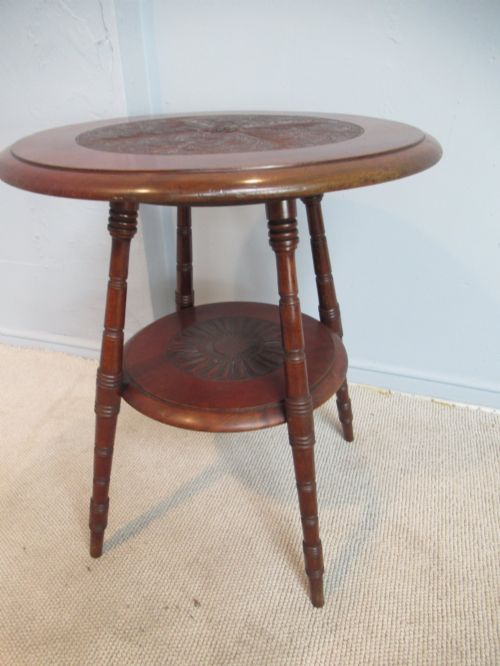
A two tier carved table brings distinct surface space and depth to a room through stacked platforms and detailed woodwork.
Two Tier Carved Table
A two tier carved table provides dual display surfaces across various forms such as occasional tables, plant stands, and small side tables. These pieces emerge predominantly from nineteenth and early twentieth century workshops, spanning Victorian and Edwardian periods.
Quality variations
The crispness and depth of the timber carving dictate visual merit, distinguishing sharply carved foliage from shallow, mechanically pressed detail. Timber selection also matters, as well-figured grain and solid construction elevate the piece above plain utility.
Proportion and structural integrity separate standard workshop output from finer production. Well-balanced tier spacing and tight joinery ensure the upper and lower platforms remain steady under everyday use.
Listings feature timbers including mahogany, oak, walnut, rosewood, yew wood, brass, and ebonised wood across multiple centuries.
Liberty of London
The Two Tier Carved Table Glossary
- Tiered stand
- An item featuring multiple stacked levels for display or storage. These configurations maximise vertical space in compact rooms.
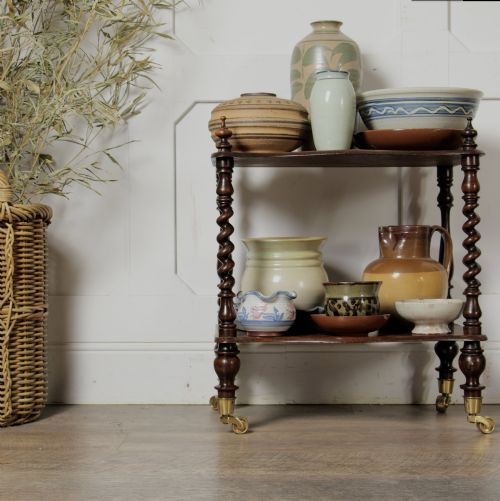
- Barley twist
- A helical turning resembling a spiral rope. This form appears frequently on table legs and upright supports during the nineteenth century.
- Etagere
- A set of open shelves or tiers used for displaying small objects. French examples often incorporate japanning or delicate framework.
- Whatnot
- A piece of furniture consisting of shelves for books or ornaments. They frequently take multi-tiered forms with decorative wooden supports.
- Jardiniere
- A ornamental stand or pot designed to hold plants. These often feature waterproof linings or raised platforms suited for heavy planters.
Two Tier Carved Table: Frequently Asked Questions
Where should I place a two tier carved table?
These tables fit well beside seating arrangements where the lower shelf holds books or small items while the top surface remains clear for lamps or drinks.
They also function effectively in corners or empty hallways as plant stands and display surfaces.
How do I clean carved wooden tiers?
Dust the carved recesses regularly with a soft brush to prevent dirt accumulation in the intricate woodwork.
Apply a dry microfibre cloth for routine polishing and avoid harsh liquid cleaners that can damage the timber finish.
Are these tables sturdy enough for daily use?
Solid hardwood construction provides adequate strength for holding everyday objects on both upper and lower levels.
Checking the joints beneath the shelves ensures the structure remains firm over decades of domestic placement.
How do I distinguish Edwardian pieces from Victorian ones?
Victorian examples often display heavier timber profiles, deeper carving, and darker finishes associated with revival styles.
Edwardian items frequently lean towards lighter oak construction, simpler lines, and Arts and Crafts influences.