
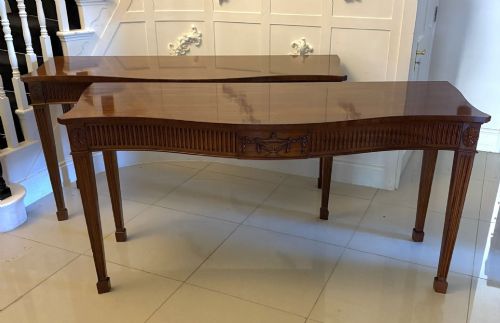
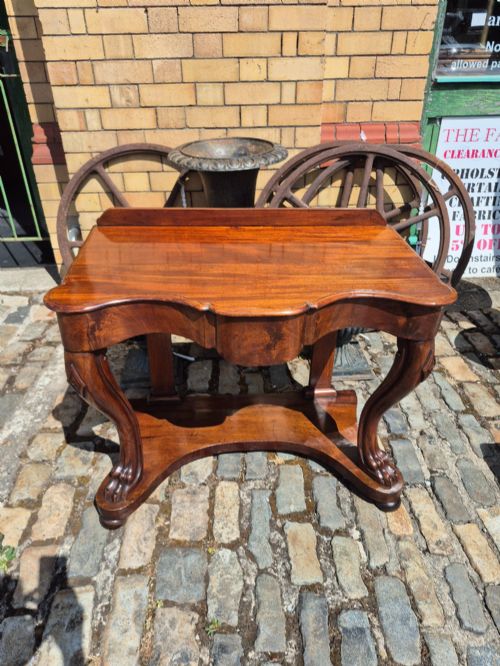
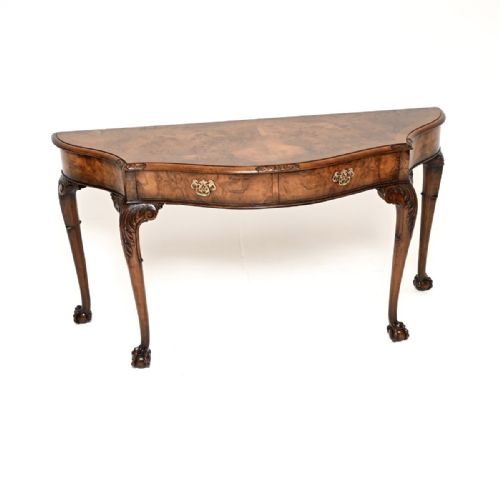
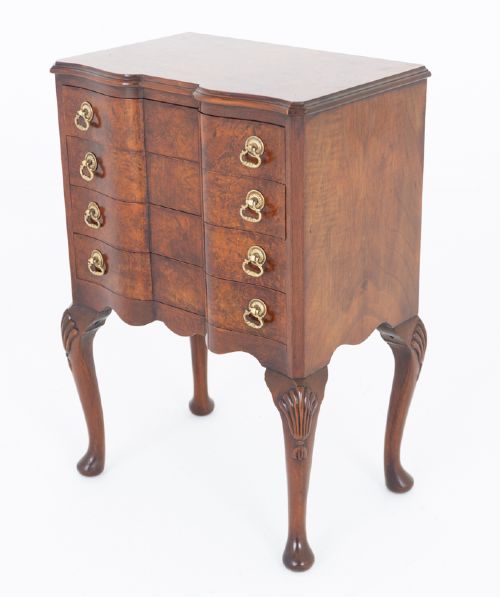
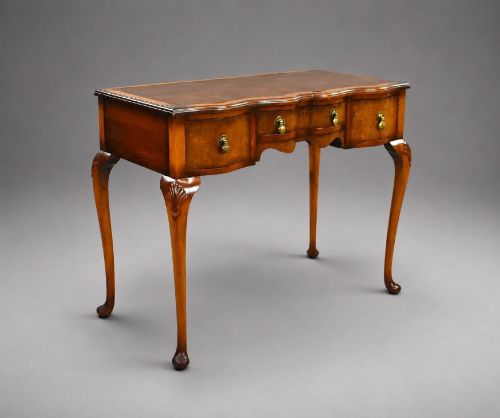
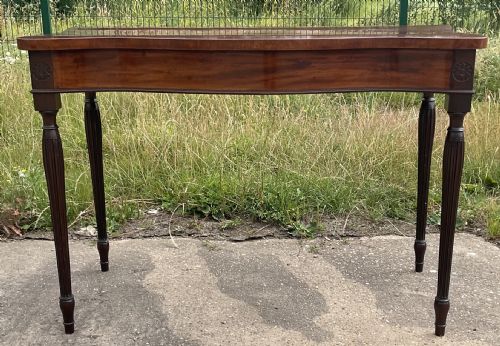
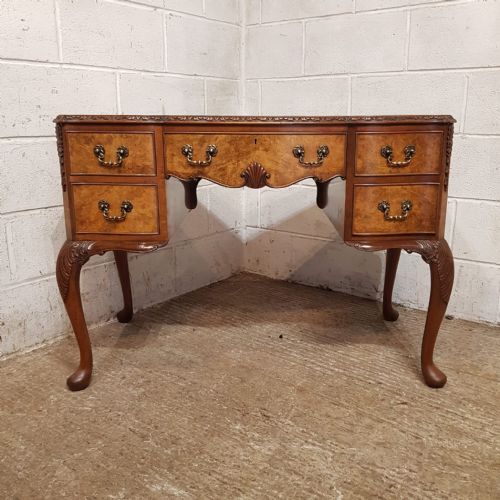
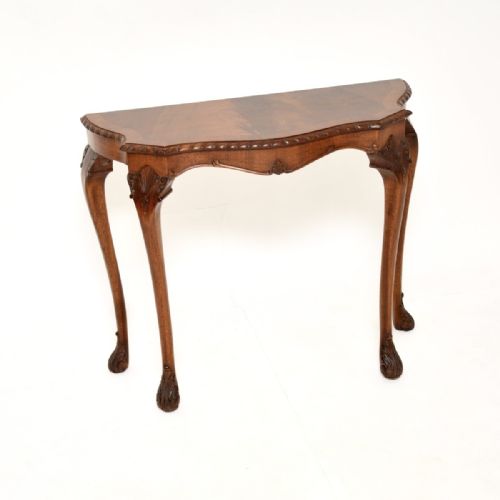
Serpentine Carved Leg Table
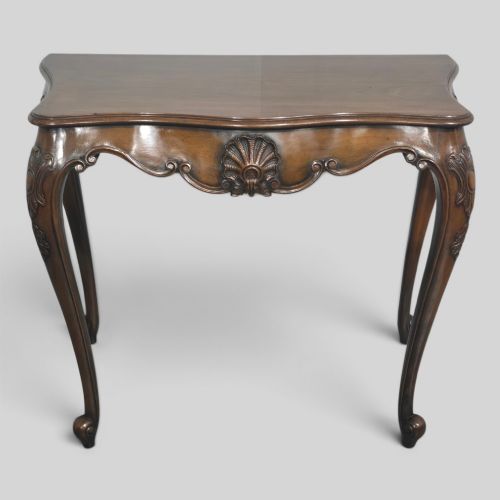
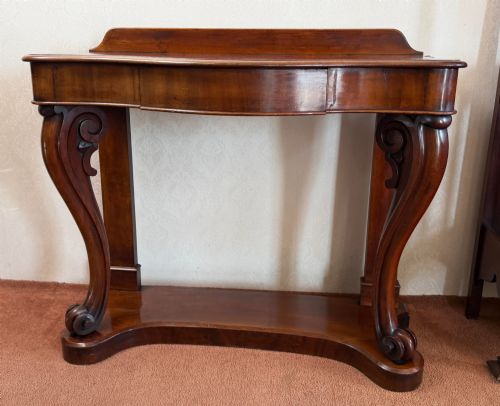
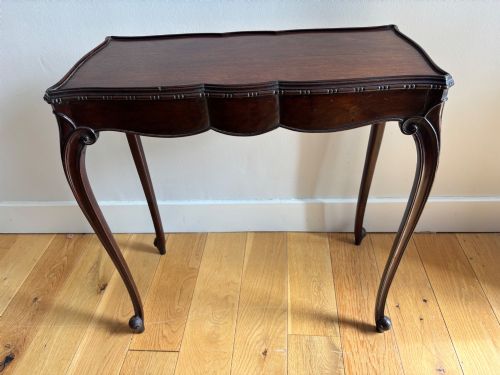
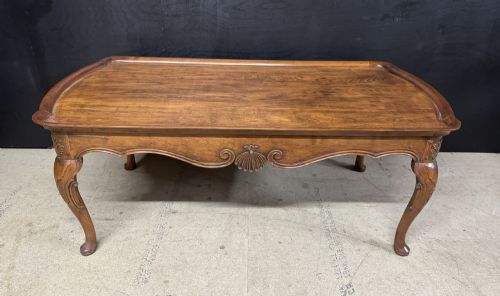
A serpentine carved leg table brings undulating lines and sculptural timber into a room, offering both surface utility and distinct period presence.
Serpentine Carved Leg Table
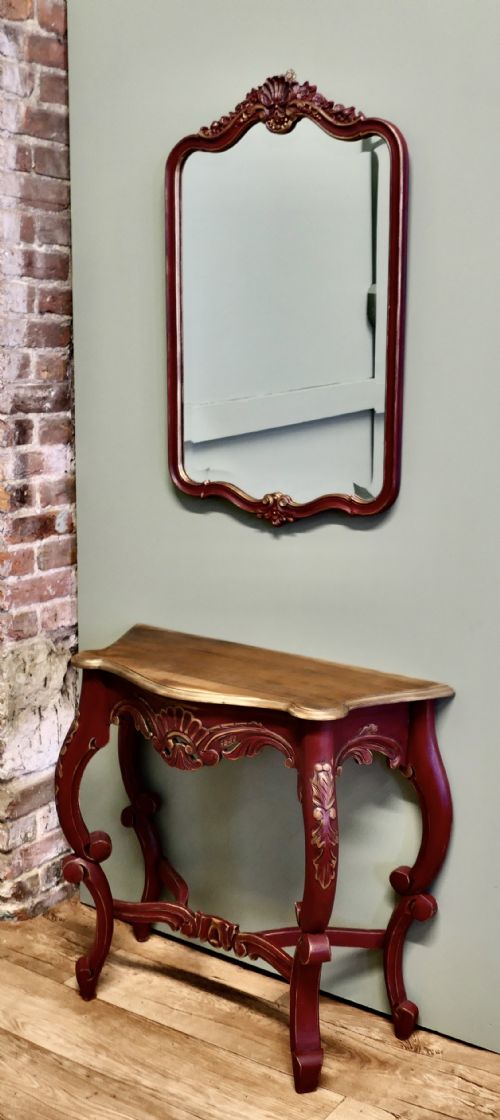
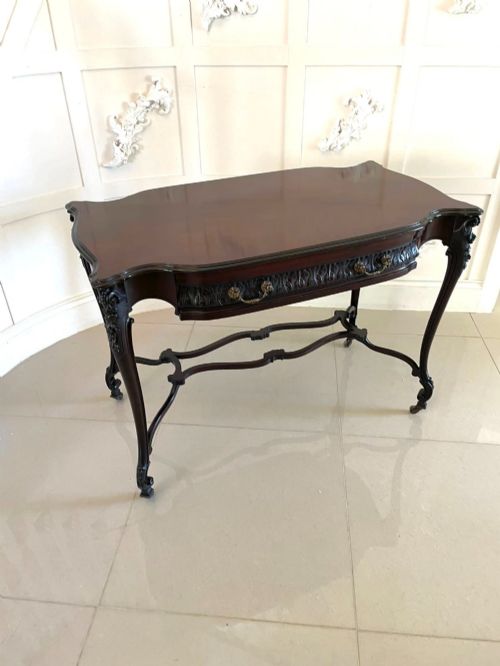
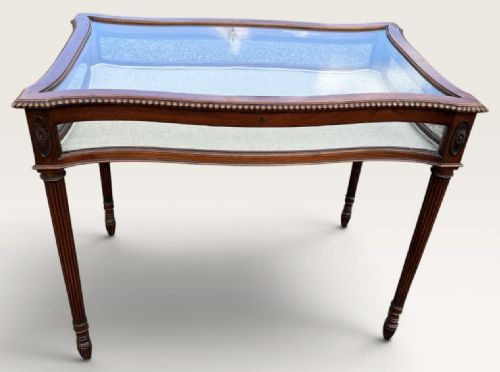
A serpentine carved leg table presents a distinctive undulating front edge paired with shaped supports, appearing in forms such as console tables, card tables, and desks.
The selections span the eighteenth century, the Victorian era, and early twentieth-century revivals, showing sustained interest in curving walnut and mahogany silhouettes.
Makers and cabinetmakers drew on Queen Anne, Chippendale, and Rococo styling to shape these functional surfaces for drawing rooms and halls.
Assessing quality and execution
The distinction between standard and superior pieces rests on the crispness of the hand-carving and the depth of figure within the walnut or mahogany veneer.
Proportion and the harmonious integration of the serpentine curve dictate the visual success of the piece, separating accomplished workshops from routine production.
Several pieces include hidden compartments and secret drawers, designed for letters or small valuables.
Epstein and Co
The Serpentine Carved Leg Table Glossary
- Serpentine
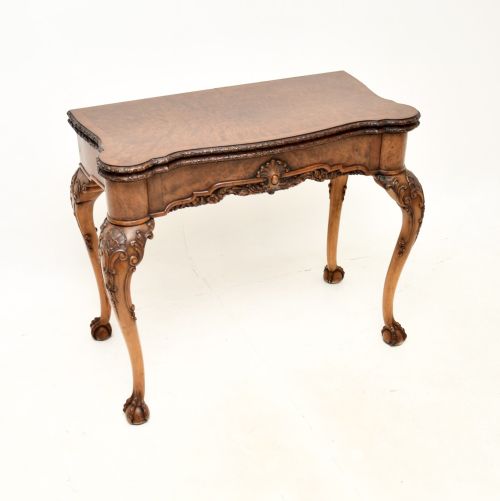
- A curved edge or front profile shaped like a gentle 'S', featuring a convex centre flanked by concave wings. This contour requires careful timber selection and joinery.
- Burr Walnut
- Timber taken from walnut tree growths that produces intricate, swirling grain patterns. It is typically applied as a veneer on high-status surfaces.
- Console Table
- A wall-mounted or freestanding table designed to stand against a vertical surface, frequently featuring decorative legs and a shaped top.
- Card Table
- A small folding table designed for gaming, often lined with baize or leather and supported by hinged legs.
Serpentine Carved Leg Table: Frequently Asked Questions
Where should I place a serpentine console table?
These tables suit entrance halls or living spaces where their curved profiles catch the light and soften rigid architectural lines.
Because they are typically shallow, they occupy minimal floor space while providing a useful surface for lamps or ornaments.
How do I care for burr walnut veneer?
Keep walnut furniture away from direct sunlight and excessive heat sources to prevent the delicate veneer from drying and cracking.
Regular dusting with a dry cloth and occasional application of appropriate furniture wax maintains the timber's natural sheen.
What is the difference between an original eighteenth-century table and a revival piece?
Eighteenth-century examples display construction methods, timber ageing, and tool marks specific to their period of origin.
Revival pieces from the Edwardian era or the 1920s emulate these earlier proportions using machinery alongside traditional hand-finishing.
Are these tables suitable for everyday use?
Solid mahogany and walnut construction makes these tables durable enough for daily domestic tasks like writing or holding drinks.
Care should be taken with veneered surfaces to avoid moisture rings and deep scratches from unpadded items.