
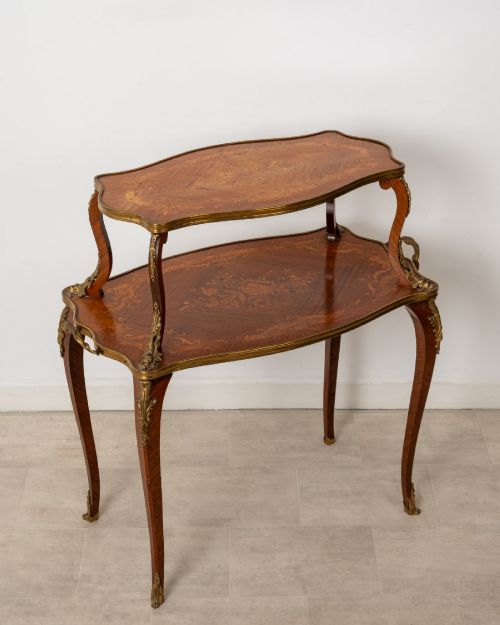
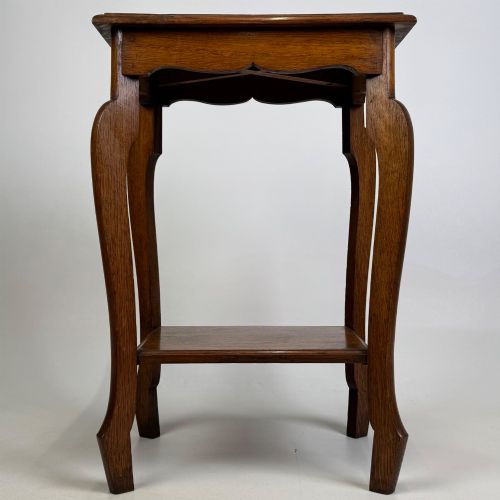
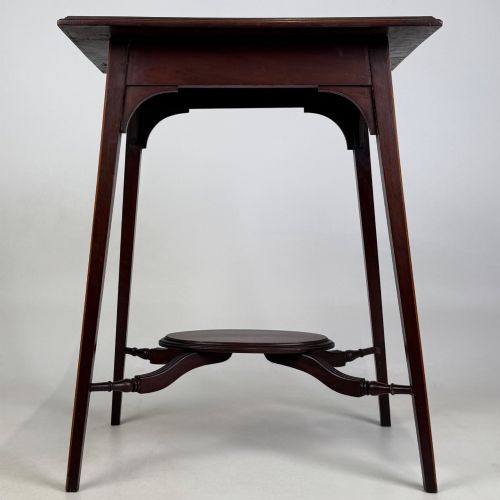
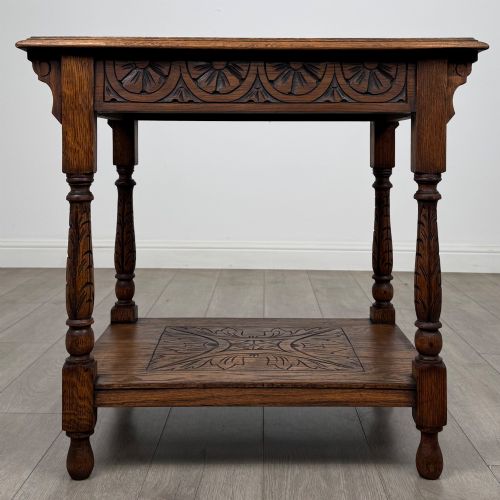
Two Tier Accent Table
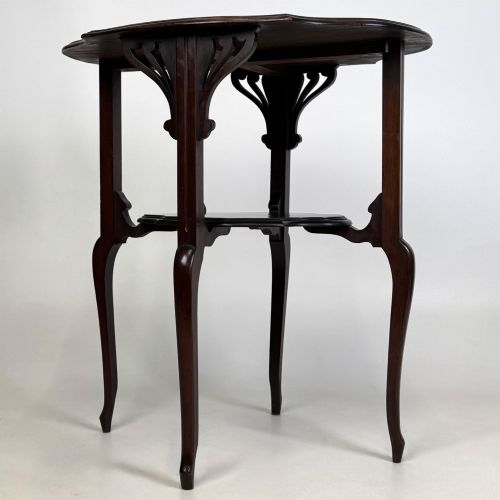
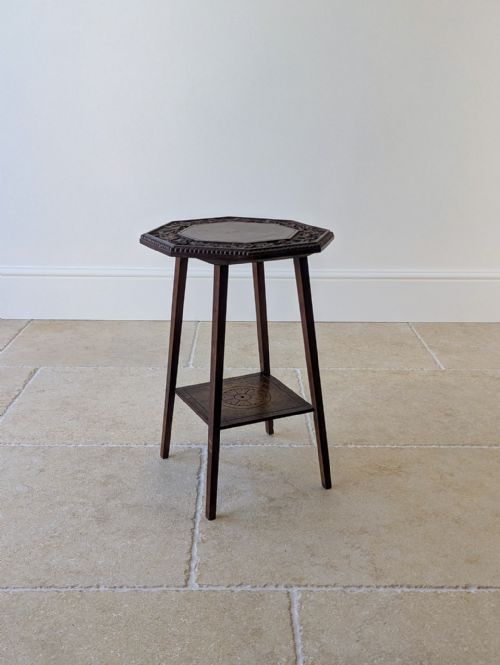
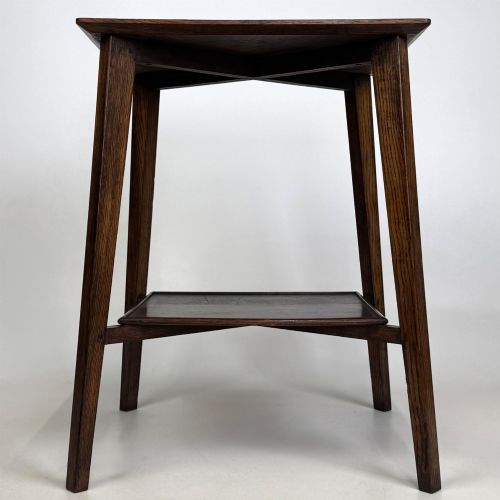
A two tier accent table brings practical tiered surfaces to a room, offering compact display space across varied historical periods.

What a two tier accent table is
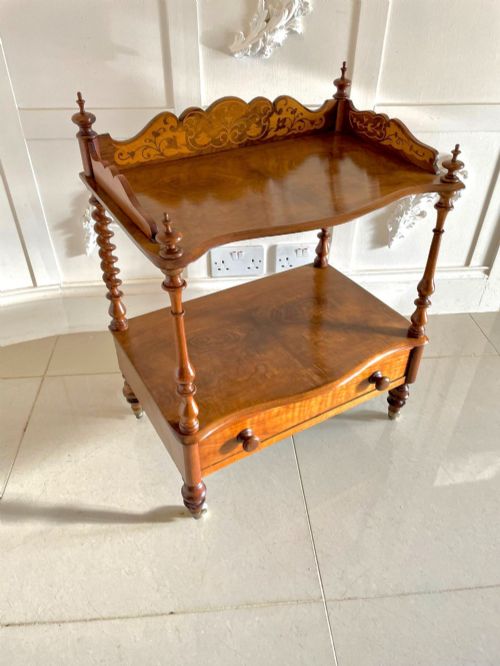
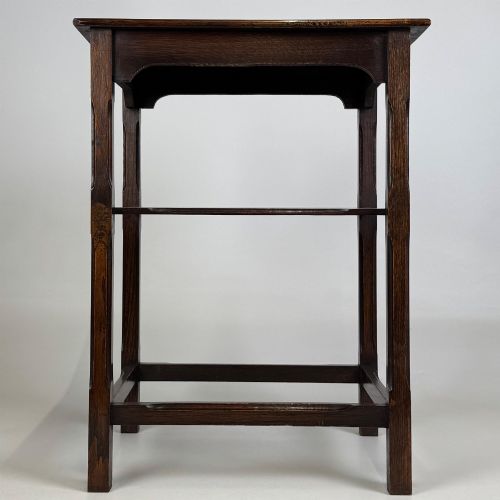
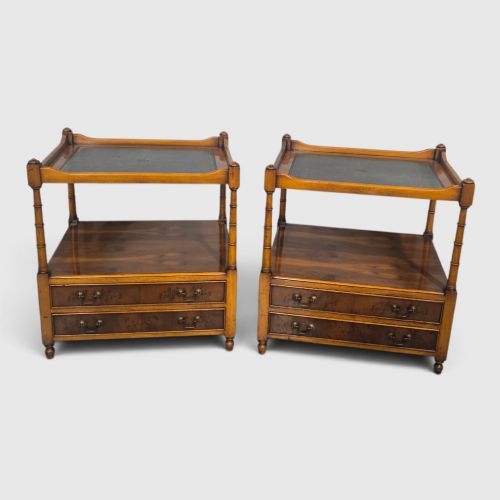
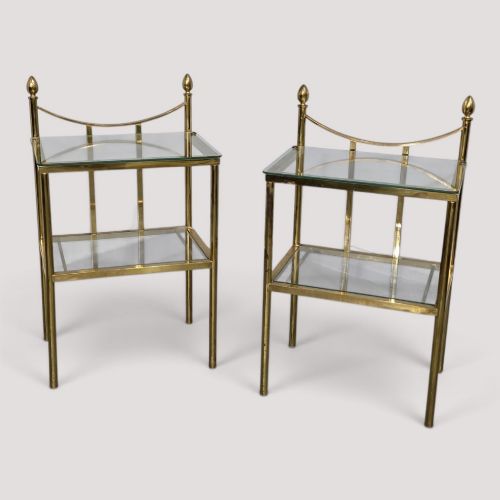
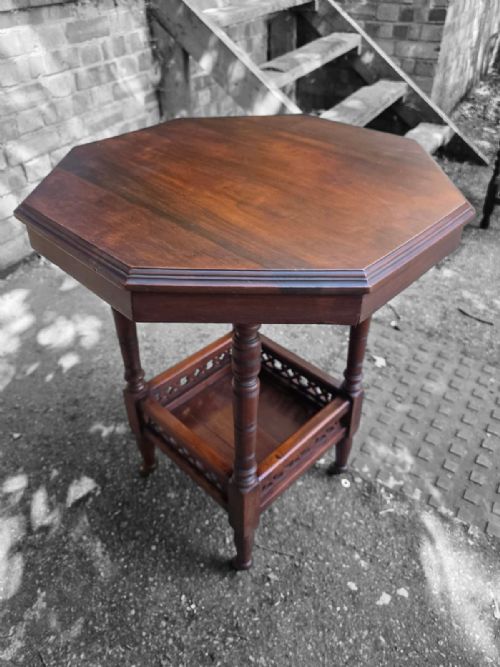
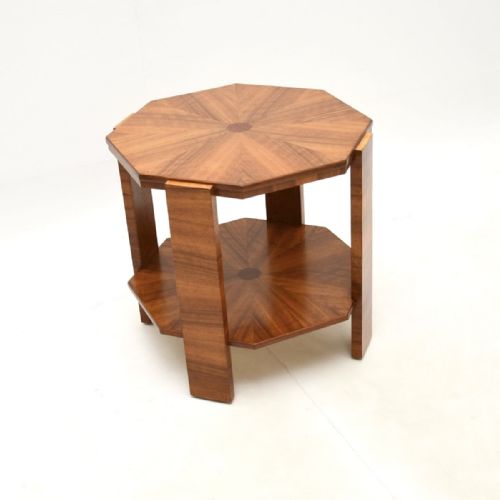
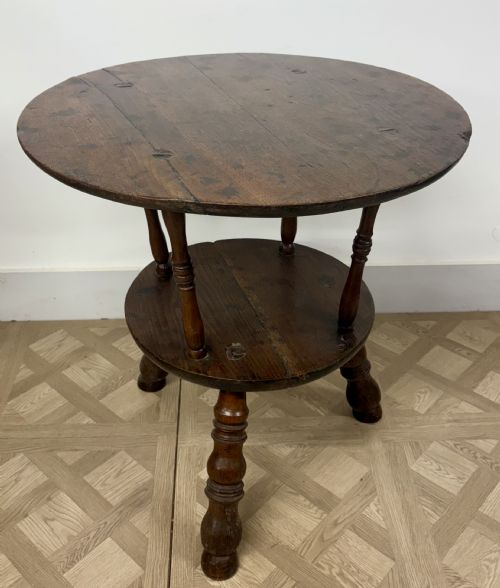
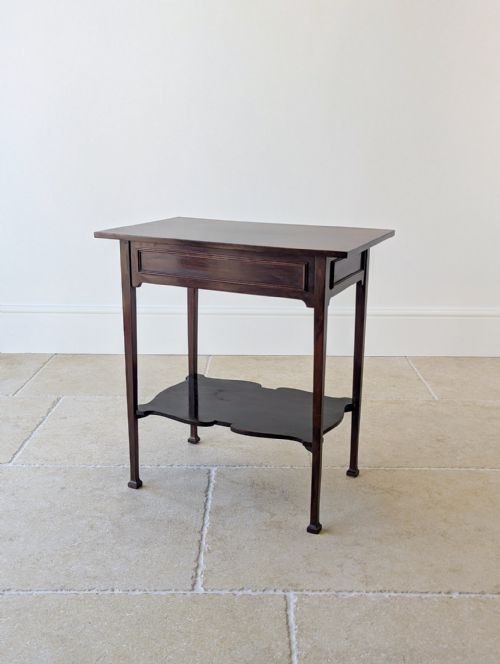
A two tier accent table provides double the surface area of a standard small table by adding a lower shelf beneath the main top. Buyers seeking this form encounter occasional tables and side tables spanning George III, Victorian, Edwardian, and Regency periods.
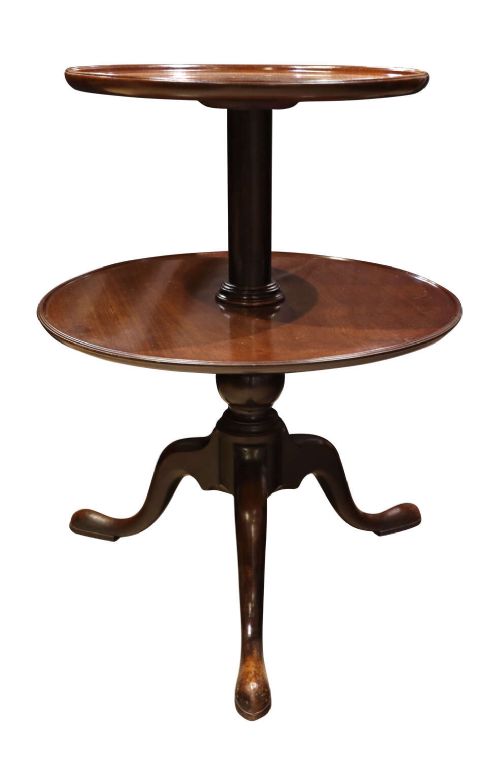
The pieces on this page include tripod forms, fold-down dumb-waiters, and cross-braced occasional tables. These formats serve varied interior needs while maintaining a compact footprint in a room.
Origins stretch from the late eighteenth century through the nineteenth century and into the early twentieth century. Mahogany, walnut, rosewood, and oak appear frequently across these diverse historical iterations.
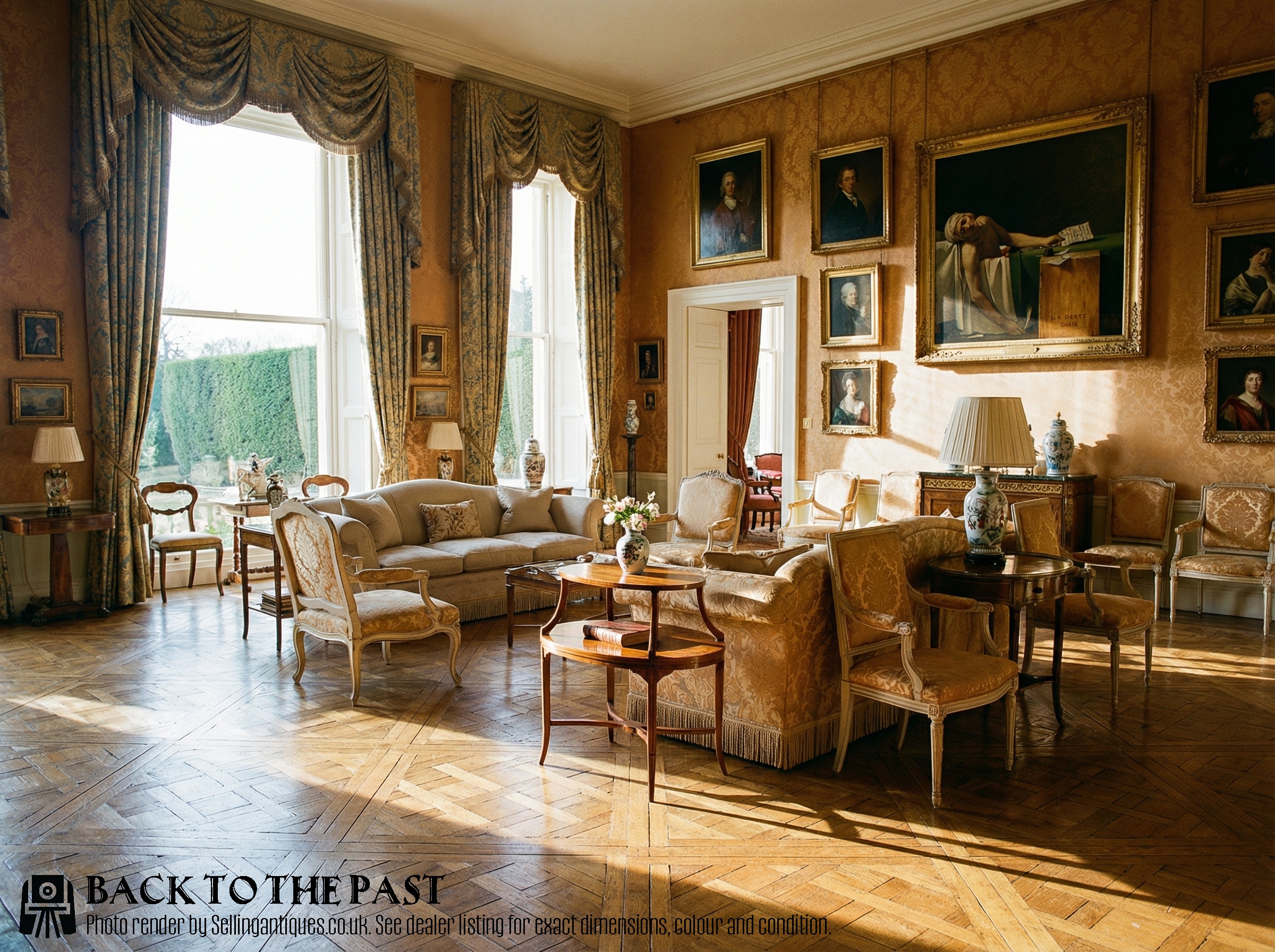
What varies in quality
The refinement of the timber and the precision of the joinery define the distinction between standard examples and finer pieces. Subtle details such as crisp crossbanding and well-executed inlay separate simpler utility tables from more ambitious cabinet work.
The integrity of the secondary tier and its support structure dictates the overall durability of the piece. Well-balanced tripod bases and sturdy cross-bracing ensure stability across both levels.
Retail Price Guide 2026
Typical UK retail prices for two tier accent table, calculated from the Sellingantiques database of over a million retail prices indexed since 2003. This retail price guide relies exclusively on Sellingantiques data; no external sources or auction records are used, so the figures do not describe the wider market.
A fold-down dumb-waiter lets a table change its silhouette entirely when supper ends and the tier folds away.
The Two Tier Accent Table Glossary
- Étagère
- A piece of furniture with a set of open shelves for displaying small objects. This form provides multiple tiers for decorative placement.
- Crossbanding
- A strip of veneer running perpendicular to the grain of the main surface. This technique frames the top with a contrasting border.
- Tripod table
- A small table supported by a pillar resting on three legs. This design reduces floor space while maintaining balance.
- Vernis Martin
- A type of simulated japanning or lacquer finish developed in eighteenth-century France. It appears on revival pieces mimicking that decorative tradition.
Frequently Asked Questions
What is a two tier accent table used for?
These tables provide an upper surface for lamps or drinks alongside a lower shelf for books or small objects.
Their compact size allows them to sit beside seating or in corners without crowding the room.
How do I date a two tier table?
Dating relies on identifying timber choices, construction techniques, and stylistic markers associated with specific periods like Georgian or Edwardian.
Details such as inlay styles and leg configurations offer further clues to the decade of manufacture.
Are these tables sturdy enough for daily use?
Most examples are built from durable hardwoods like mahogany or oak designed for practical domestic service.
Sound joinery and stable tier supports ensure they handle everyday placement of household items safely.
What is the difference between an étagère and a side table?
An étagère specifically emphasises multiple open tiers for display rather than a single primary surface.
Side tables with two tiers bridge this category by offering both working surface and storage shelf together.