
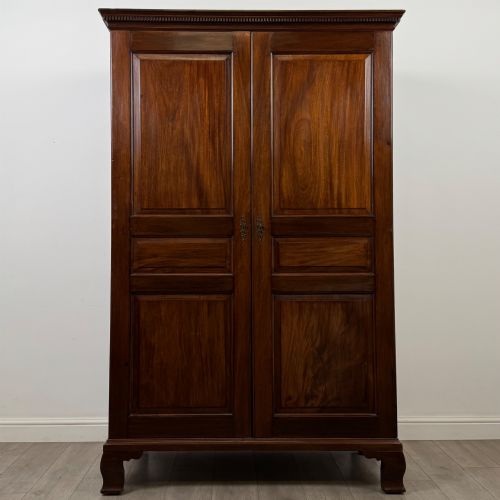
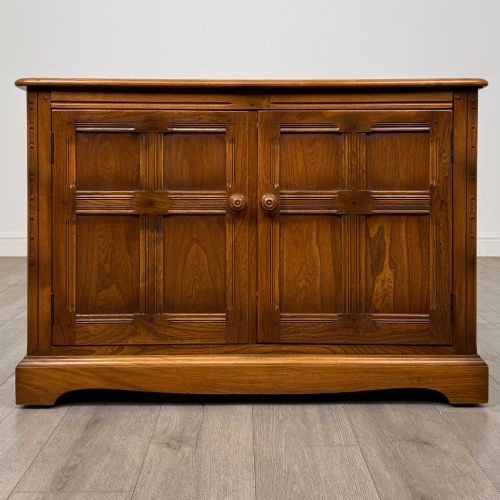
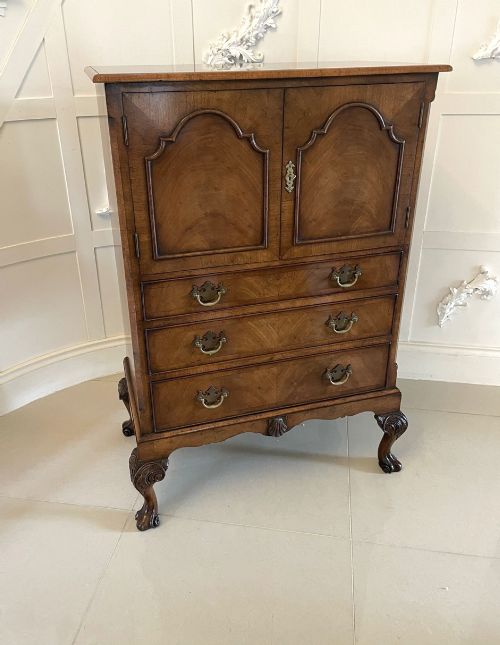
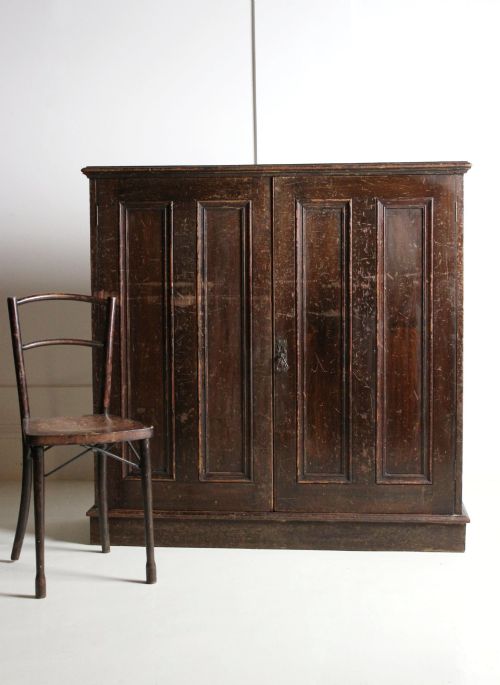
Two Door Storage Cabinet
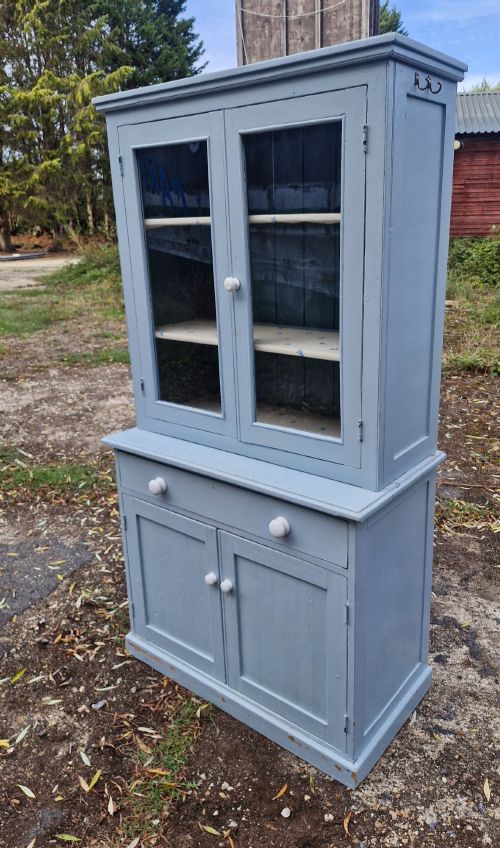
A two door storage cabinet provides practical utility, appearing across Georgian, Victorian, and Edwardian periods in timber like mahogany and pine.
Two Door Storage Cabinet
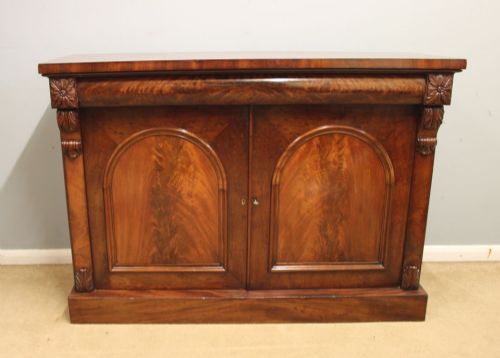
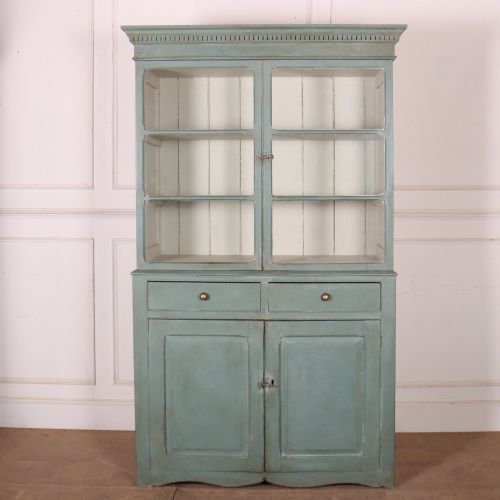
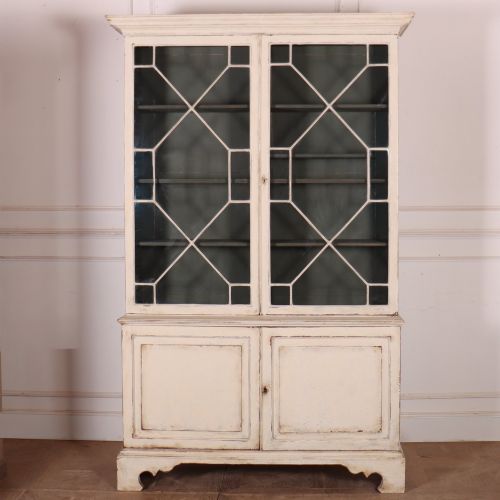
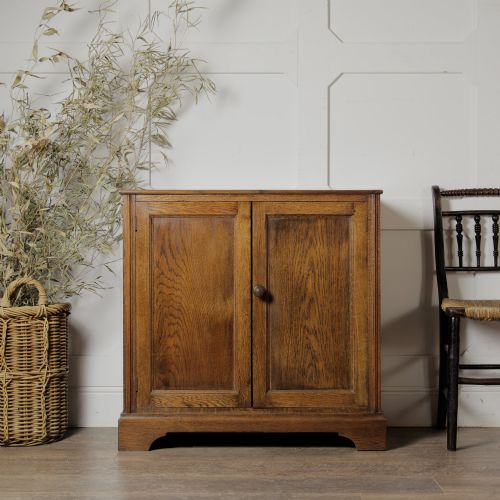
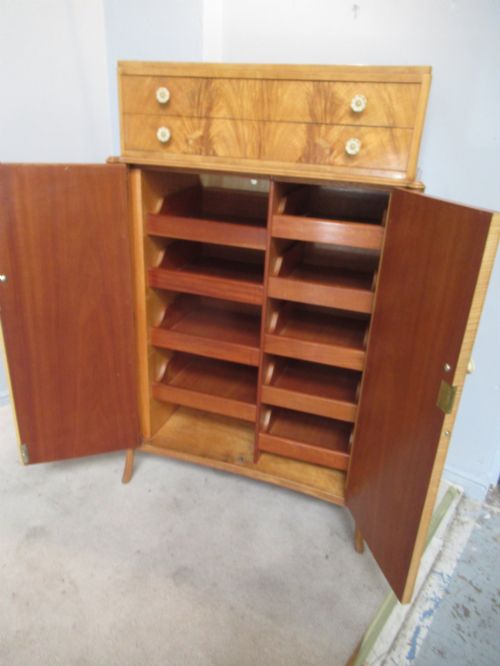
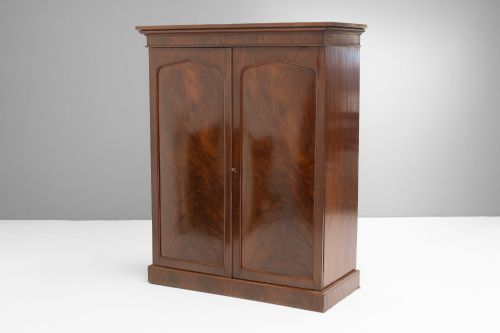
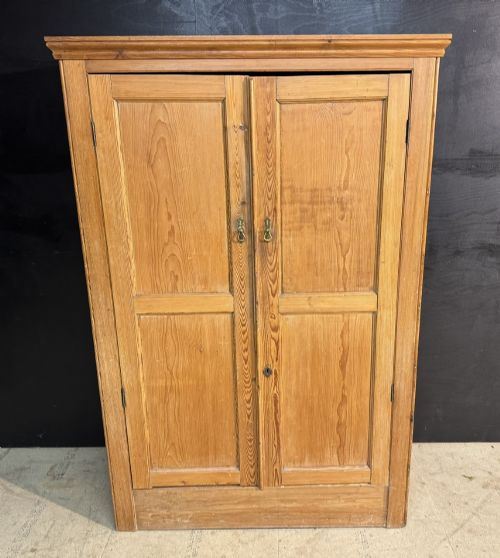
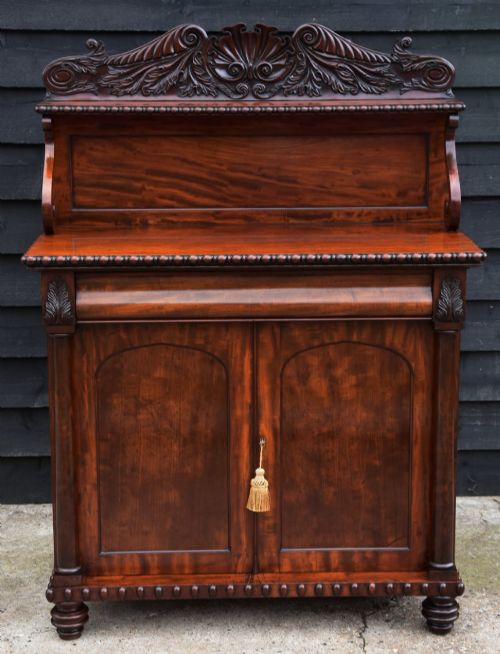
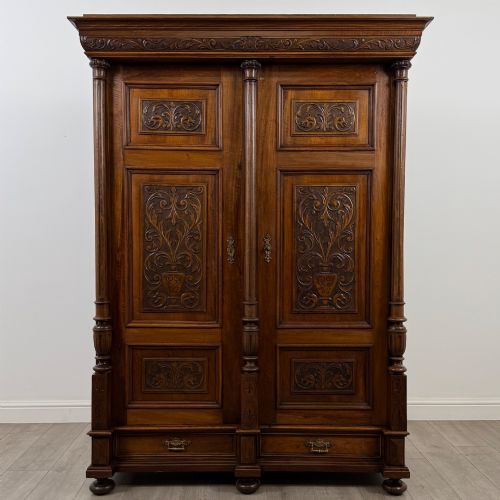
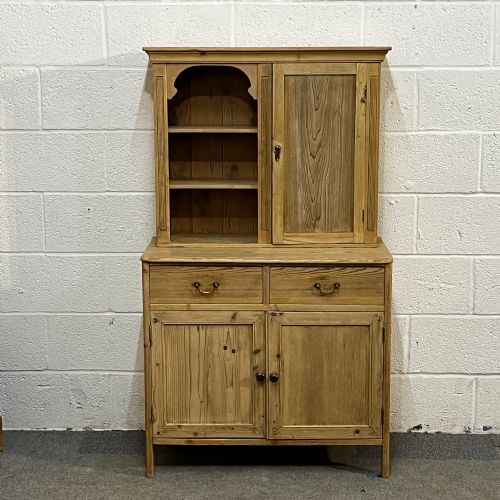
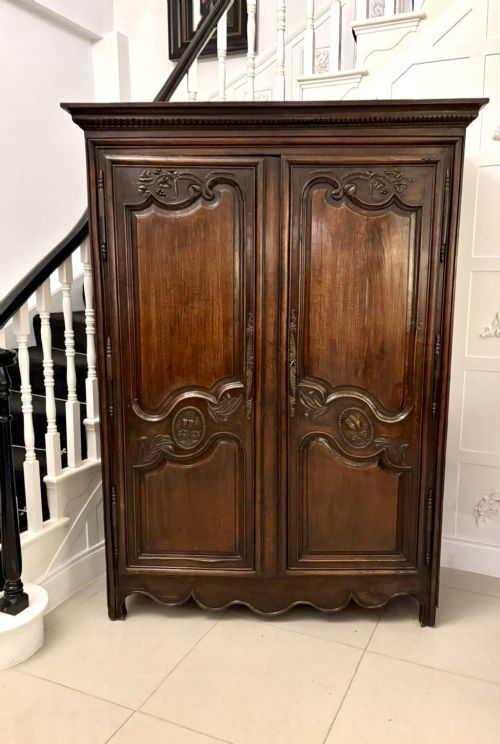
A two door storage cabinet encompasses a range of domestic timber furniture designed to hold household goods, books, and clothing. Buyers searching for a two door storage cabinet encounter utilitarian pine larder cupboards, mahogany chiffoniers, and oak pieces spanning the Georgian, Victorian, and Edwardian eras.
The selection includes low cupboards, glazed bookcases, and French Provincial armoires alongside kitchen dressers and side cabinets. Construction methods shift from regional country pine pieces to refined mahogany and walnut designs intended for formal rooms.
Materials and Construction
Carpenters utilised native and imported timbers, notably solid oak, mahogany, and pine, frequently pairing them with brass hardware and glass panels. Surfaces show wax finishes, painted treatments, ebonised details, and red lacquer.
Joinery methods range from simple country pine construction to sophisticated cabinet making involving burr walnut veneers, bowfronts, and fitted interior shelving.
A few cabinets still retain their original internal hooks, once intended for hanging pocket watches or keys.
Evaluating the Pieces
Quality rests upon the selection of timber figure, such as burr walnut or figured mahogany, and the integrity of the original construction. Pieces exhibiting finer proportion, careful dovetailing, and intact brass fittings stand apart from utilitarian storage items.
The presence of original surfaces, whether waxed pine, paint, or polish, determines the character of the cabinet. Altered hardware or stripped timber alters the original visual balance of the piece.
Peter Waals
The Two Door Storage Cabinet Glossary
- Chiffonier
- A low sideboard or cabinet featuring a combination of drawers and doors below a shelf tier. This form gained popularity during the Regency and Victorian periods.
- Armoire
- A large freestanding wardrobe or cupboard with doors enclosing shelving or hanging space. French Provincial examples often utilise solid oak or fruitwood.
- Bookcase
- A piece of furniture fitted with shelves for books, frequently enclosed by glazed wooden doors. Victorian and Georgian iterations appear in mahogany and pine.
- Larder cupboard
- A tall storage unit originally ventilated for food preservation in domestic kitchens. These pieces are typically constructed from solid pine.
- Bowfront
- A convex curved front profile utilised on cabinets and chests. This design detail appears on mahogany pieces from the Georgian and Edwardian eras.
Two Door Storage Cabinet: Frequently Asked Questions
What periods do these cabinets come from?
The available items span the seventeenth, eighteenth, nineteenth, and twentieth centuries. Examples range from Georgian mahogany designs to Victorian pine cupboards and Edwardian oak pieces.
Craftsmanship and timber choices shift across these eras, reflecting changing domestic requirements and regional British and continental workshop traditions.
Are these cabinets made of solid wood?
Makers utilised solid timbers including oak, mahogany, pine, and fruitwood across the various periods. Some refined pieces incorporate veneers such as burr walnut applied to secondary woods.
Construction methods vary from robust country pine joinery to sophisticated cabinet making with dovetailed drawers and panelled doors.
How were these cabinets used originally?
Households utilised these cupboards for storing kitchen provisions, linens, books, and clothing depending on the specific form. Taller armoires and wardrobes held garments, while smaller side cabinets served living and dining rooms.
Larder cupboards managed food stores, whereas glazed bookcases displayed library collections in formal rooms.
What is the difference between a chiffonier and a sideboard?
A chiffonier is typically a more compact sideboard, frequently featuring enclosed cupboard doors below and a raised shelf superstructure above. These pieces developed during the Regency and Victorian periods for smaller dining spaces.
Sideboards generally offer broader proportions with extended drawer and cupboard configurations suited to larger formal dining rooms.