

Twentieth Century Oil Canvas
Twentieth century oil canvas works bring home the vibrant brushwork and shifting light of an era defined by impressionism and modernism.
Twentieth Century Oil Canvas
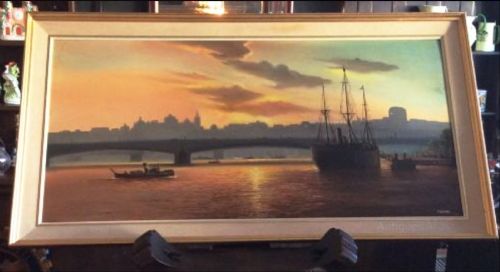
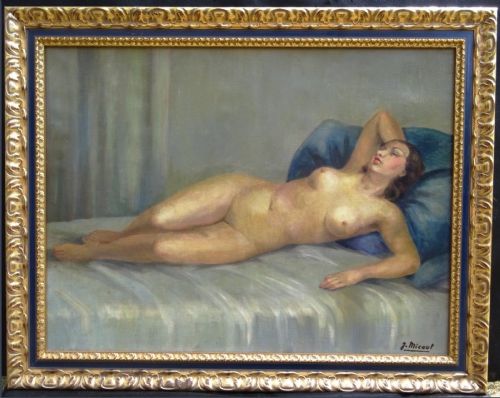
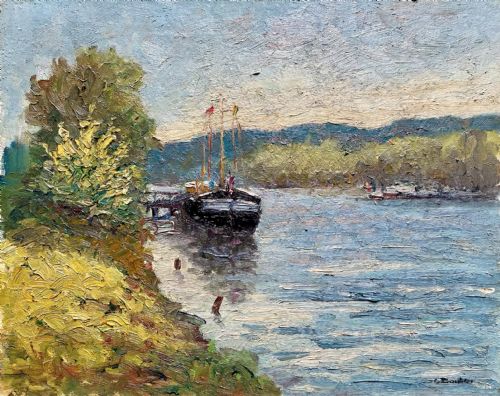
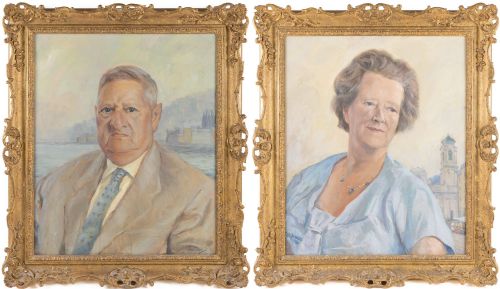
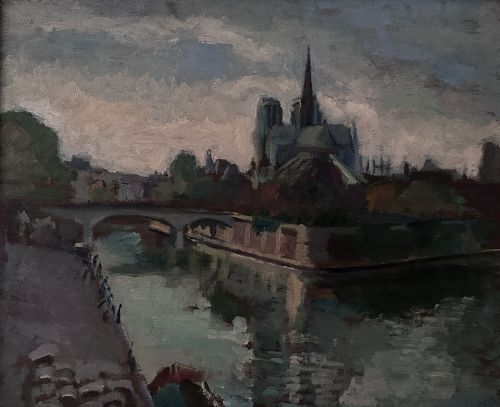
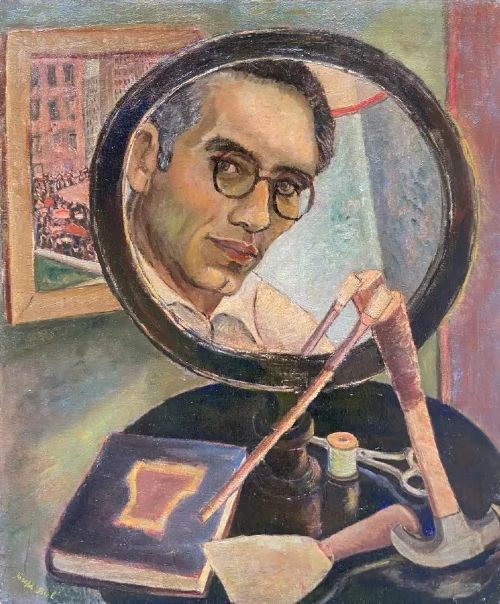
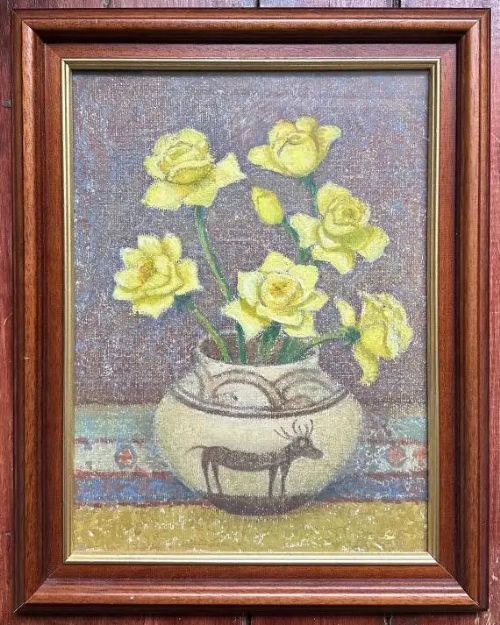
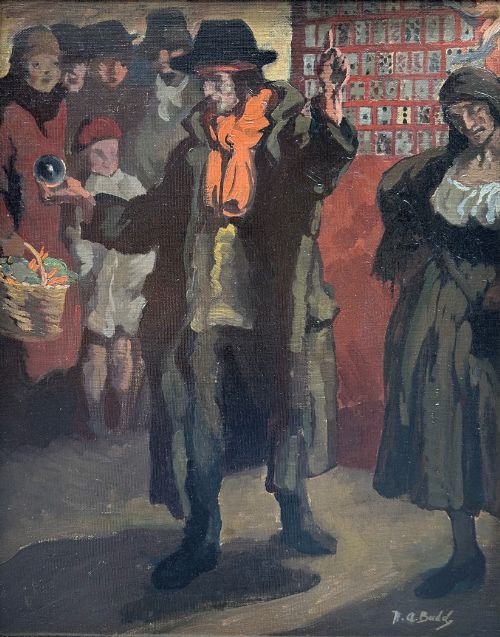
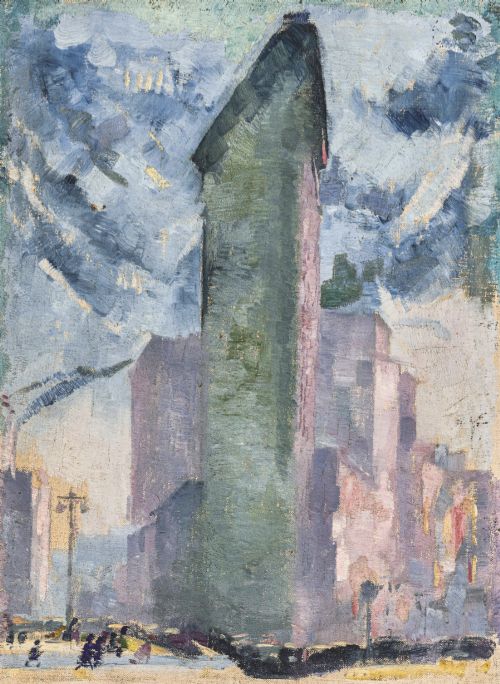
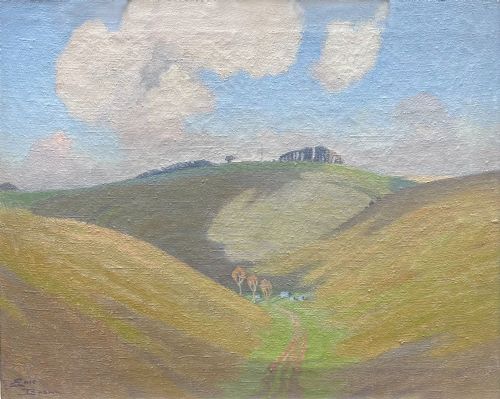
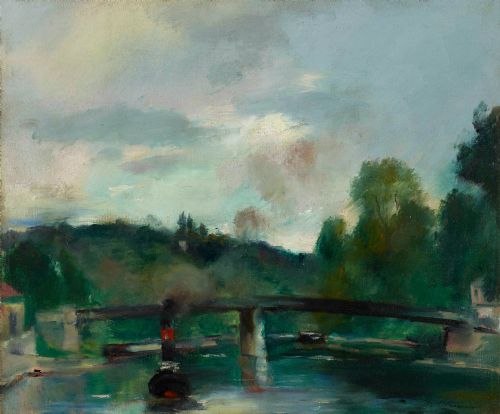
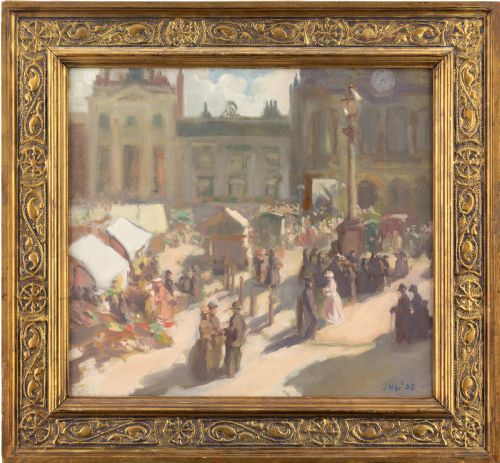
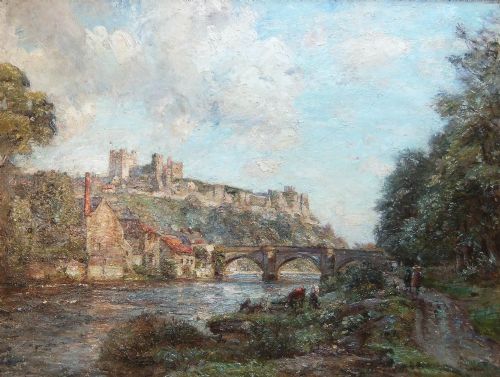
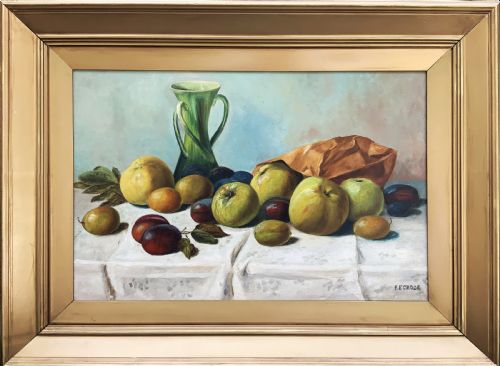
A twentieth century oil canvas captures subjects ranging from bustling river scenes and quiet countryside landscapes to intimate portraits and striking still lifes. These original fine art paintings reflect the shifting artistic movements of the era, moving from Edwardian and art nouveau traditions towards British impressionism and mid-century realism.
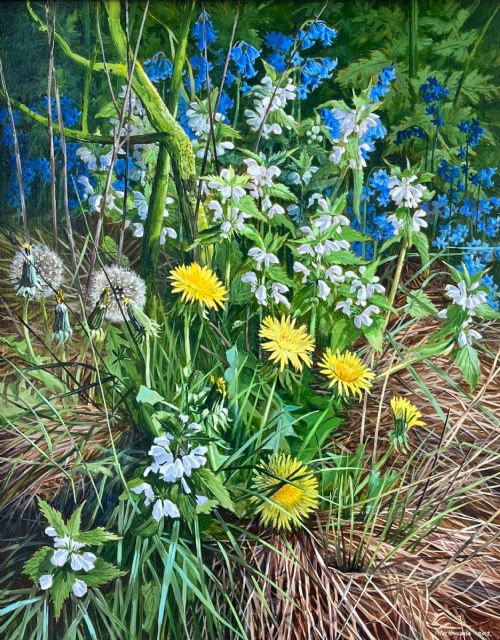
Buyers exploring this selection encounter diverse compositions originating from British, French, Italian, and Belgian workshops. The forms vary from large panoramic seascapes and historic maritime battles to delicate floral studies housed in traditional wood frames.
Materials and construction methods
Artists of this period applied rich oil paint directly onto stretched canvas surfaces, often utilising wood frames finished with gesso details to complete each piece. The medium allowed for textured brushwork, luminous colour blending, and layered compositions that have survived across the decades.
The physical support typically consists of woven fabric stretched over wooden stretcher bars, secured within decorative or simple wooden frames that frequently bear the marks of their original period.
Listings feature canvases spanning from the nineteenth century through the 1960s, executed in oil paint on stretched canvas and wood.
Distinctions in quality and execution
Quality in these paintings rests upon the confidence of the brushwork, the balance of the composition, and the artist's command of light and shadow. Superior examples demonstrate a distinct handling of the medium that captures atmosphere and movement with economy and precision.
The integration between the canvas and its period frame also influences the overall integrity of the piece. Works that retain their original gesso frames and display clear provenance or documented signatures by established practitioners hold a distinct position within the range.
Clifford Hanney·Joseph Biel·Herbert Ashwin Budd·Alfred Wolmark·Henri Ottmann·John Hodgson Lobley·Herbert Royle·Antoine Calbet·Gabriel Dauchot·Septimus Scott·Philippa Maynard Romer·Merio Ameglio·Jules Rambo·Donald McIntyre·William Grant Murray·Jean Sobieski·Cecil R. Doyly-John·Helmut Reuter·Dion Pears·Paul Schier·Robin MacKertich·Andrew Young·Pinchus Krémègne
The Twentieth Century Oil Canvas Glossary
- Canvas
- A heavy woven fabric used as a surface for painting, typically stretched tightly over a wooden frame before oil pigments are applied.
- Gesso
- A plaster-like mixture applied to wood frames to create a smooth surface for gilding and ornamentation.
- Post-Impressionism
- An art movement extending impressionist techniques while emphasising symbolic content, heavier brushwork, and expressive use of colour.
- Provenance
- The documented history of ownership of a work of art, establishing its authenticity and origin.
- Swept frame
- A decorative wooden picture frame featuring ornate, curved moulding patterns characteristic of period framing styles.
Twentieth Century Oil Canvas: Frequently Asked Questions
How do I care for a twentieth century oil canvas?
Keep the painting away from direct sunlight and fluctuating temperatures to protect the canvas and oil pigments from cracking.
Dust the surface gently with a soft, dry brush and avoid using chemical cleaners on either the canvas or the frame.
Were these paintings always framed in wood?
Most works from this period were paired with wooden frames, often enhanced with gesso mouldings or gilded finishes to complement the artwork.
Original frames can sometimes provide valuable clues regarding the geographic origin and date of the painting.
How can I tell an impressionist piece from a modernist one?
Impressionist works usually focus on natural light, outdoor settings, and visible, rapid brushstrokes that capture a fleeting moment.
Modernist pieces often experiment with simplified forms, bolder palettes, and non-traditional perspectives that prioritize emotional or structural impact.
What subjects are most common in these paintings?
Landscapes, marine views, and cityscapes feature prominently, reflecting a strong interest in recording both natural scenery and modern industrial progress.
Portraiture and still life compositions involving flowers or everyday objects also appear frequently across the decades.