
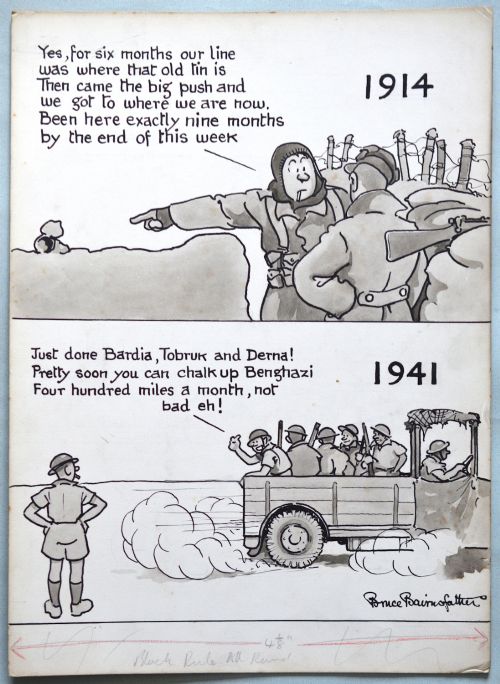
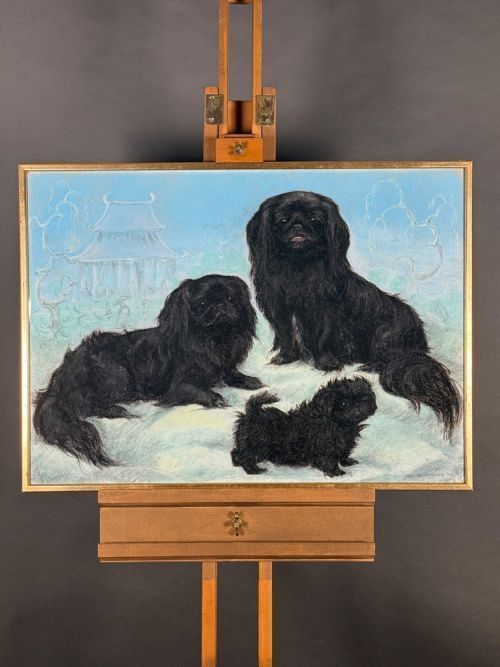
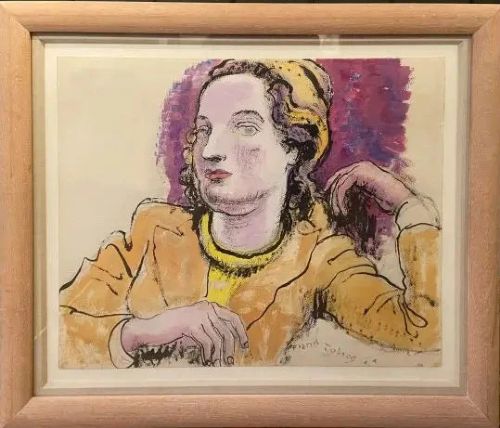
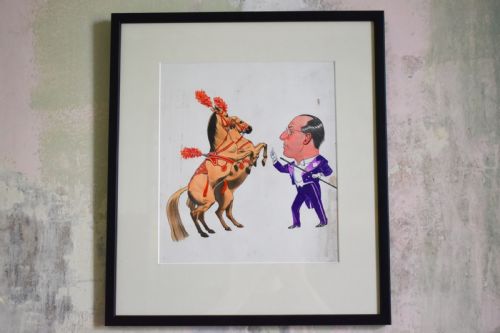





Twentieth Century Drawing
Twentieth century drawing covers works on paper spanning portraits, landscapes and illustrations created across several decades.
Twentieth Century Drawing
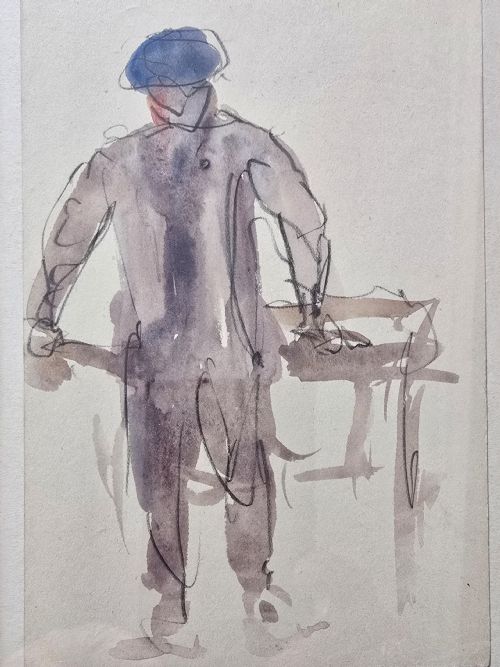
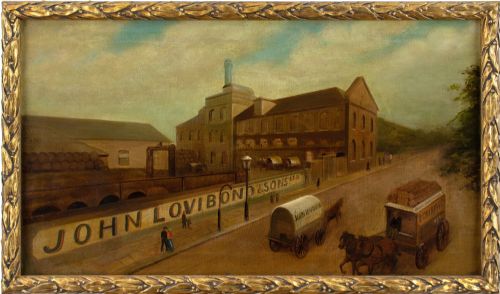
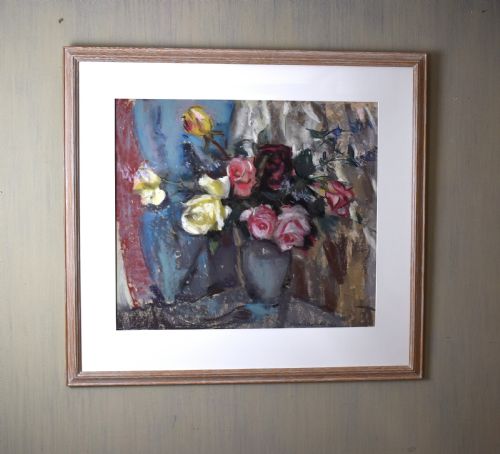
A twentieth century drawing on this page typically involves works on paper created using media such as ink, watercolour, pastel, charcoal and pencil. These pieces range from portraits and figure studies to landscapes and cartoon illustrations.
The selection reflects British and Irish schools alongside continental European artists, dating from the early decades through to the mid-century period. Buyers encounter framed original drawings, fine art prints and preparatory studies.
Makers and artists represented span named practitioners of the period as well as works attributed to the English school. Each piece offers a direct connection to the graphic practices of the era.
Materials and techniques
Works in this category rely primarily on paper supports combined with fluid or dry drawing media. Artists utilise ink, watercolour, pastel, charcoal, gouache and pencil to build line, tone and colour.
Framing materials complete the construction, featuring wood, giltwood and burr frames that protect the paper sheets. Glazing often preserves the delicate surfaces of pastels and watercolours from environmental damage.
Listings feature works executed on paper using ink, watercolour, pastel, charcoal, gouache and pencil across twentieth century periods.
Evaluating quality and execution
Quality in these works rests upon the surety of the line, the handling of the medium and the condition of the paper support. Strong draughtsmanship and deliberate composition distinguish accomplished pieces from minor studies.
The preservation of the paper, the stability of pigments against fading and the appropriateness of the surrounding frame contribute to the overall standard of a piece. Original signatures, dates and provenance further elevate individual examples.
Bruce Bairnsfather·Frank Dobson·John Merrifield·Stanley Orchart·J D Fergusson·Berthe des Clayes·Pablo Picasso·Lena M Alexander·Dame Laura Knight·Fred Lawson·Jennifer Toombs·Aubrey Sykes·Yves Brayer·Reginald Mills·Juliet Pannett
The Twentieth Century Drawing Glossary
- Pastel
- A dry drawing medium consisting of powdered pigment and a binder, applied to paper to create rich, velvety colour effects. It requires careful framing under glass to prevent smudging.
- Gouache
- An opaque water-based paint that produces a heavier, more solid surface than traditional watercolour. Artists employ it to build flat areas of dense colour.
- Charcoal
- A form of dry carbonised wood used for sketching and finished works, valued for deep blacks and broad tonal range. It is typically fixed to prevent dusting.
- Giltwood
- Wood carved and coated with a thin layer of gold leaf, commonly used for traditional picture frames during this period. It adds a warm reflective border to works on paper.
- Lithograph
- A printmaking process based on the antipathy of oil and water, enabling artists to produce multiple original impressions on paper. Several twentieth century examples utilise this technique.
Twentieth Century Drawing: Frequently Asked Questions
How should I hang a twentieth century drawing?
Keep drawings away from direct sunlight to prevent delicate watercolours and pastels from fading over time. Ensure the room maintains stable humidity to protect the paper support.
Use appropriate picture hooks secured firmly to the wall. Hang the artwork at eye level to appreciate the details of the ink, charcoal or pencil lines.
Are these drawings original works?
The selection includes original hand-drawn works in ink, pastel, charcoal and watercolour created directly by the artist. Each piece represents a unique execution rather than a mass-produced reproduction.
Certain listings also feature period lithographs, which are original prints pulled directly from the artist's prepared stone or plate.
How do I identify the date of a drawing?
Many works bear explicit signatures, dates or inscriptions left by the artist on the front or reverse of the paper. Frame styles and framing labels can also offer clues to the period.
Stylistic elements and documented working dates of the artist help narrow down the decade of creation when a specific year is absent.
What is the difference between pastel and watercolour?
Pastel is a dry medium applied as a stick of compressed pigment, offering soft textures and deep, blendable colour fields. Watercolour uses fluid pigments suspended in water applied with a brush for transparent washes.
Both require protection behind glass, but pastels are particularly fragile and vulnerable to disturbance if the frame is shaken.