




Turquoise Cloisonne Enamel Vessel
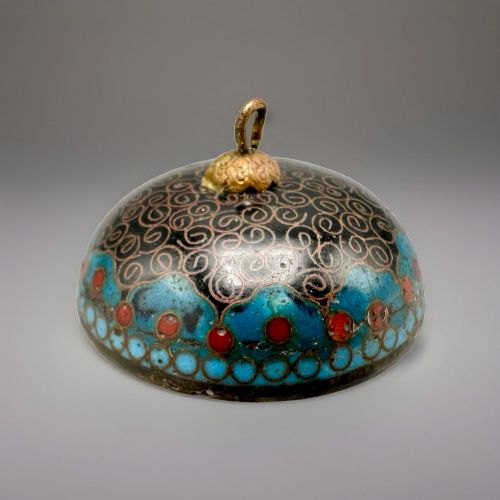
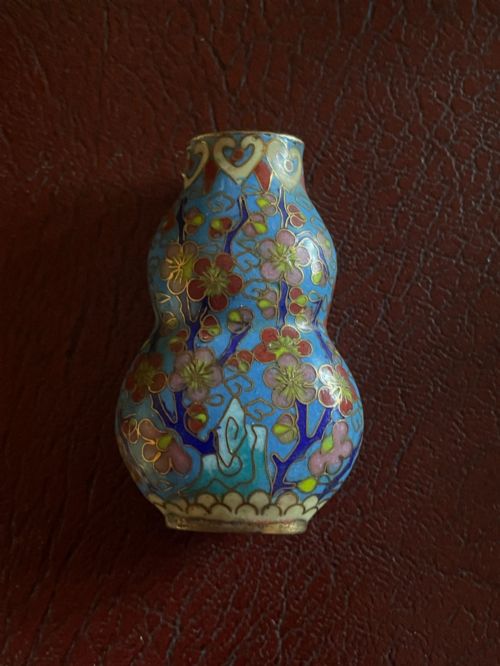
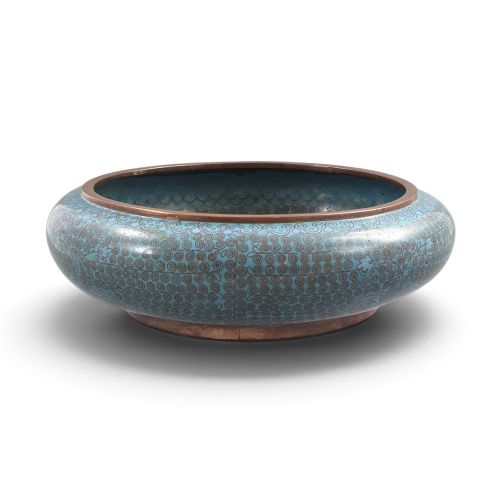
A turquoise cloisonne enamel vessel brings intricate wirework and vibrant blue fields to a room, drawing the eye instantly.
Turquoise Cloisonne Enamel Vessel
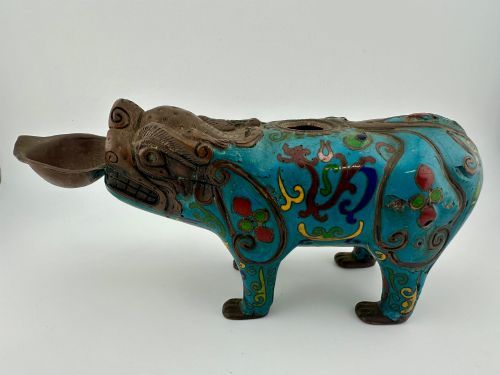
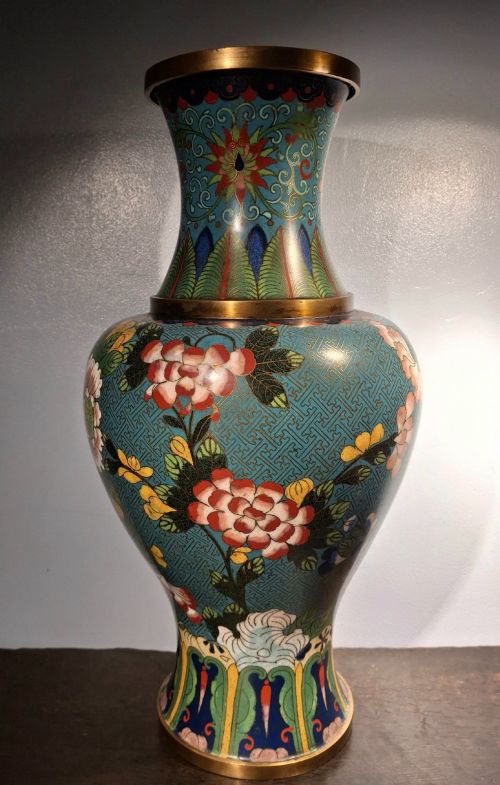
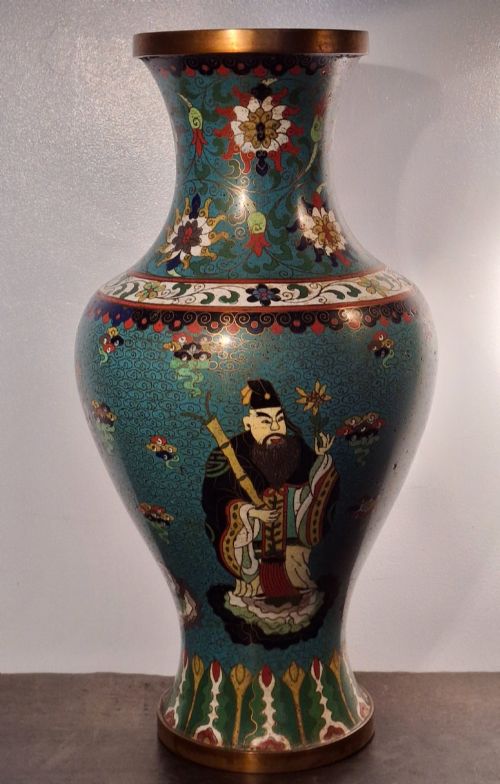
When you search for a turquoise cloisonne enamel vessel, you encounter a range of forms spanning Chinese and Japanese workshops from the nineteenth and early twentieth centuries. The selection encompasses vases, censers, bowls, and jardinieres utilising copper, bronze, and brass as foundation metals.
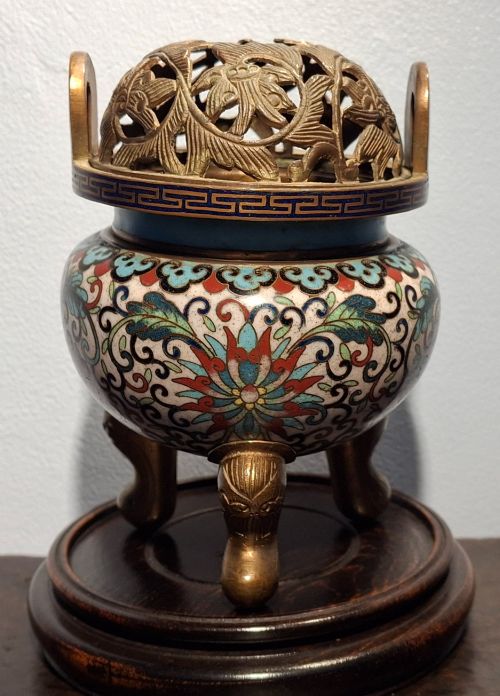
You are most likely to meet nineteenth-century Chinese pieces, including tripod censers, scholar's brush washers, and archaistic wine vessels, alongside Japanese lidded pedestal bowls and vases from the Meiji and Edo periods.
These items served both ritual and decorative functions in Eastern and export markets, featuring bird and lion ornamentation alongside traditional floral motifs set against turquoise enamel grounds.
How they were made
Craftsmen shaped a base of copper, brass, or bronze, often incorporating gilt metal mounts and tripod supports for stability. Thin metal wires were soldered onto the metallic body to create detailed cellular compartments known as cloisons.
Pasted enamel in vibrant turquoise and contrasting colours was packed tightly into these wire cells before firing in a kiln to vitrify the glass paste. Subsequent grinding and polishing levelled the surface so the metallic wire network remained flush with the hardened enamel.
Turquoise Cloisonne Enamel Vessel Retail Price Guide 2026
Typical asking prices for turquoise cloisonne enamel vessel among the pieces listed under this phrase on Sellingantiques today, from the lower quarter to the upper quarter. They describe what is for sale here now, not the wider market.
Listings feature items from the nineteenth and early twentieth centuries, spanning the Qing Dynasty, Meiji period, and Edo period.
What varies in quality
The precision and fineness of the wirework define the upper tier of these vessels, where intricate designs show no gaps or uneven solder joints. Poorer execution reveals distorted cells, bubbling in the enamel, and irregular polishing across the body.
Heavier metal foundations in bronze or substantial copper alloy generally indicate superior construction compared to thin, lightweight substitutes. The richness and consistency of the turquoise ground enamel further distinguish standard decorative production from exceptional masterworks.
The Turquoise Cloisonne Enamel Vessel Glossary
- Cloisonne
- A decorative metalwork technique where fine wire creates compartments that are filled with enamel paste and fired. This method allows for intricate multicoloured patterns across vases and bowls.
- Archaistic
- A style that consciously imitates ancient forms and motifs from earlier dynastic periods. You see this in wine vessels and censers that reference ancient ritual bronzes.
- Censer
- A vessel designed for burning incense during ceremonies or quiet contemplation. Many examples feature tripod legs and pierced lidded tops for smoke dispersal.
- Jardiniere
- A large ornamental pot or bowl intended to hold growing plants or floral arrangements. These substantial vessels often rest on dedicated stands.
- Champleve
- An enamelling technique where troughs or cavities are carved directly into the metal surface to hold the coloured paste. It differs from wire-based cloisonne by using excavated metal channels.
Turquoise Cloisonne Enamel Vessel: Frequently Asked Questions
Where should I display a cloisonne vessel at home?
Place these pieces on sturdy shelves, mantelpieces, or dedicated display tables where their bright turquoise grounds catch natural light. Ensure they sit away from direct, harsh sunlight and extreme temperature fluctuations that might stress the historic enamel.
Because many examples feature delicate tripod feet or bronze bases, choose a stable location free from heavy vibrations or passing traffic. Pairing a bowl or vase with a flat wooden stand enhances its presentation and protects the underlying surface.
How do I tell Chinese and Japanese pieces apart?
Chinese pieces often lean towards archaistic bronze forms, heavy tripod censers, and scholar's objects reflecting imperial tastes. The turquoise enamel grounds on these items frequently accompany intricate floral fields and mythical beasts like the qilin.
Japanese examples from the Meiji and Edo periods frequently highlight naturalistic imagery, such as large birds or asymmetric flora. The wirework on Japanese production can also exhibit extreme fineness and distinct colour palettes compared to earlier continental work.
What is the purpose of an archaistic wine vessel?
Archaistic wine vessels, such as jue cups, were modelled after ancient bronze ritual forms used in dynastic ceremonies. They served symbolic and ceremonial functions rather than everyday dining use.
In later centuries, craftsmen revived these venerable shapes to appeal to collectors who prized historical continuity and classical aesthetics. Their distinct tripod supports and sweeping spouts make them striking sculptural objects.