




Turned Wood Dining Chairs
Turned wood dining chairs bring honest vernacular character and sturdy seating to a room, offering enduring craftsmanship across regional country and formal styles.
Turned Wood Dining Chairs
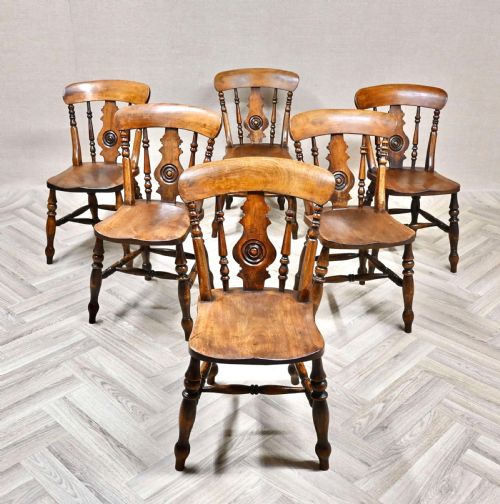
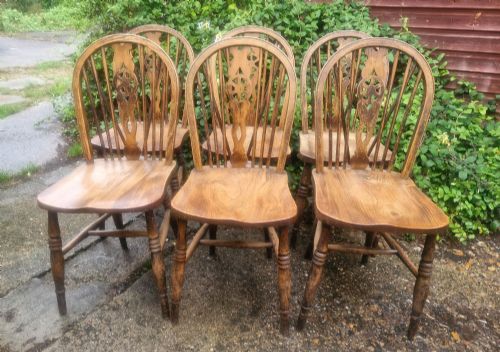
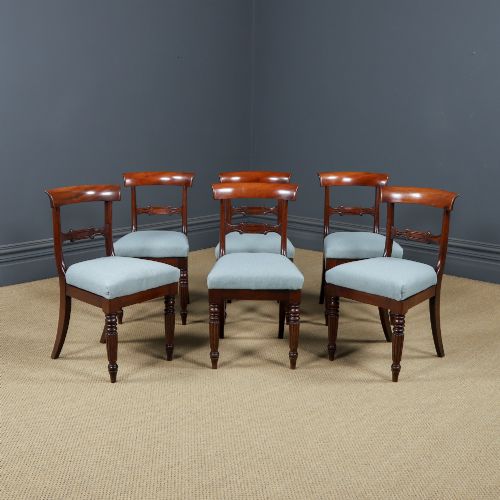
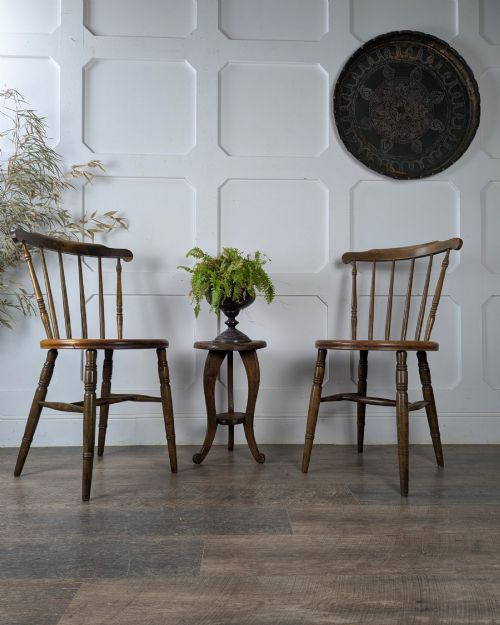
When you search for turned wood dining chairs, you encounter a broad spectrum spanning sturdy kitchen seating and formal parlour suites. The most common varieties include Windsor chairs, farmhouse country kitchen designs, and formal dining chairs featuring turned supports and spindles.
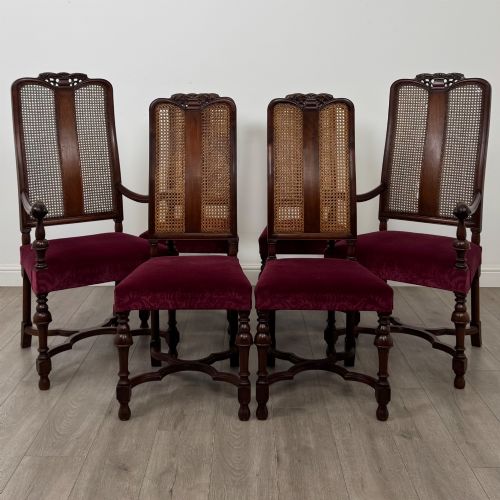
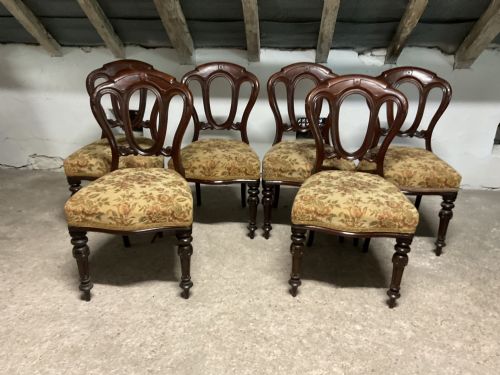
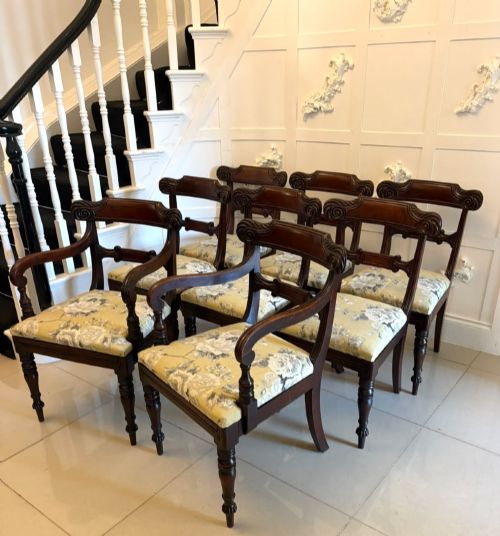
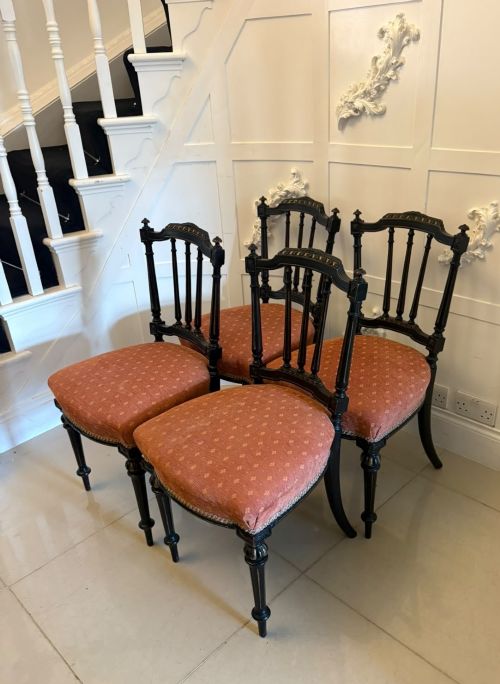
The selection extends from 18th-century country armchairs to Victorian mahogany sets and Edwardian side chairs. Originating primarily from English, Scottish, and regional workshops, these pieces function as practical dining seats with distinct historical character.
How they were made
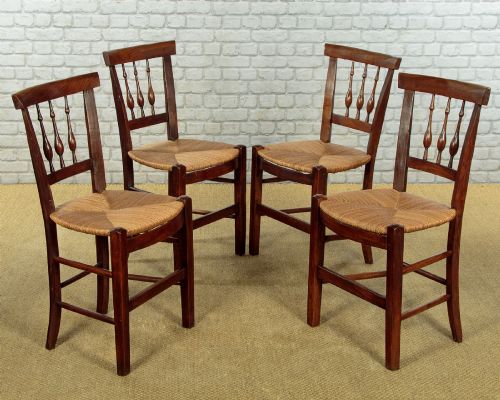
Cabinet makers and bodgers utilised native and imported timbers, pairing dense hardwoods like mahogany, rosewood, and oak for frames with resilient woods like elm, ash, beech, and yew for seats, bent elements, and spindles. Rush and leather provided durable seating surfaces alongside solid wood.
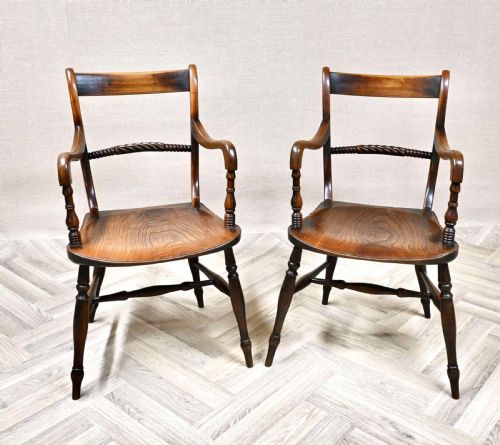
Construction relied on traditional joinery, steam bending for components such as hoop backs and bentwood bistro frames, and lathe turning for legs, stretchers, and bars. Bobbin, ropetwist, and spindle turning techniques created structural rigidity while adding ornamental detail.
Some nineteenth-century Windsor chairs retain deep saddle seats hollowed out by adze to fit the nineteenth-century sitter quite comfortably.
What varies in quality
The distinction between standard utility seating and finer examples lies in timber selection, grain figure, and the crispness of the lathe work. Matched sets of chairs demonstrate greater uniformity in timber matching and proportion than assembled groups gathered over time.
Patina and surface preservation separate well-maintained examples from heavily restored ones. Original finish, tight joints without excessive replacement parts, and balanced proportions determine the standing of an individual chair within its type.
Codina·Thonet·Liberty & Co
The Turned Wood Dining Chairs Glossary
- Windsor
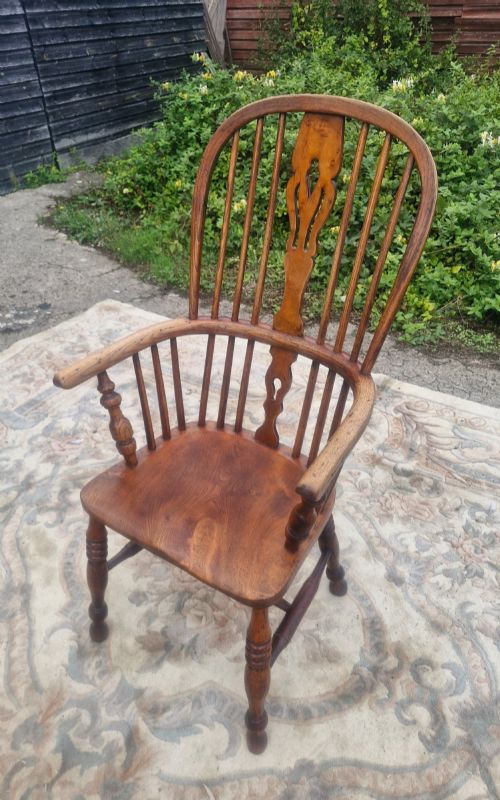
- A chair built with a solid wooden seat into which the legs and back spindles are tenoned directly. These vernacular seats often incorporate bowed backs and armrests.
- Spindle back
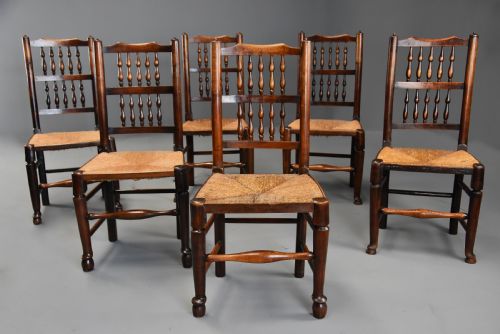
- A chair back constructed from a series of slender turned uprights positioned between a top rail and the seat. This method provides lightweight strength.
- Cracker stretcher
- An arched or bow-shaped stretcher connecting the legs of a Windsor chair to increase stability. It is also known as a crinoline stretcher.
- Bentwood
- Wood softened through steaming and bent into curved shapes under pressure. This technique defines bistro chairs and hoop backs.
- Barback
- A chair design featuring a horizontal wooden bar across the upper back, frequently decorated with carved or turned motifs.
Turned Wood Dining Chairs: Frequently Asked Questions
Are these chairs suitable for daily use?
Most antique turned wood dining chairs remain robust enough for regular dining room use, having survived over a century of domestic service. Solid timber construction and sound joinery provide reliable everyday support.
Checking joint stability and wood condition ensures the chairs handle routine sitting without undue wear to antique frames.
How do I mix different chair styles?
Mixing country vernacular chairs with formal dining tables creates a layered, collected interior rather than a uniform suite. Matching wood tones or shared turning details helps unify dissimilar chairs around a single table.
Pairing carvers at the head of the table with simpler side chairs along the sides maintains visual balance while incorporating varied forms.
What is the difference between a side chair and a carver?
Side chairs are built without armrests, designed to tuck neatly beneath a dining table and save space. They form the majority of standard dining sets.
Carvers feature integrated armrests and slightly wider proportions, traditionally placed at the head and foot of the dining table for the host.