
Turned Wood Candle Stands
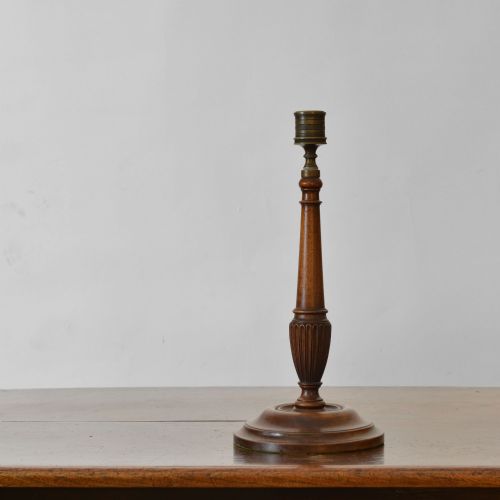
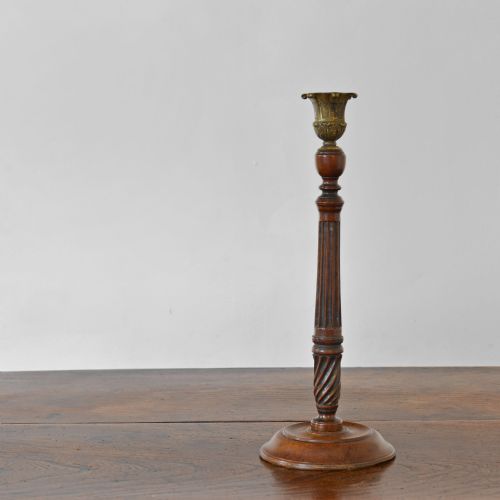
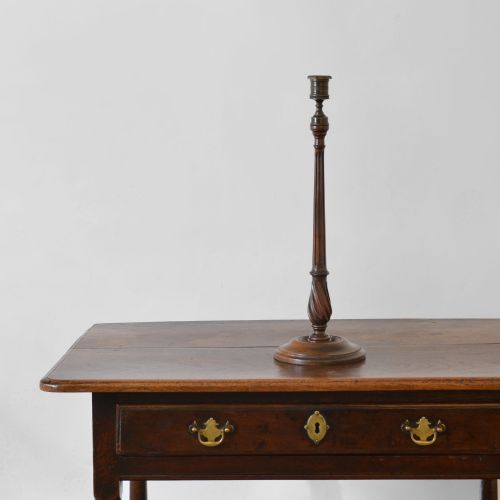
Turned wood candle stands bring height and structure to a room, holding light or small objects upon sturdy, carved legs.
Turned Wood Candle Stands
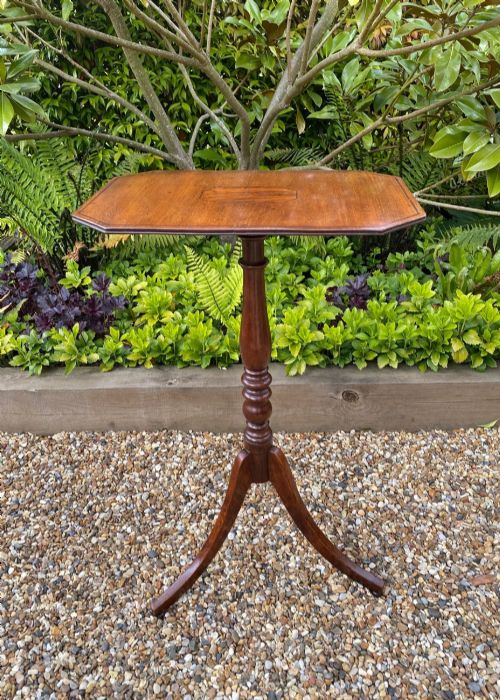
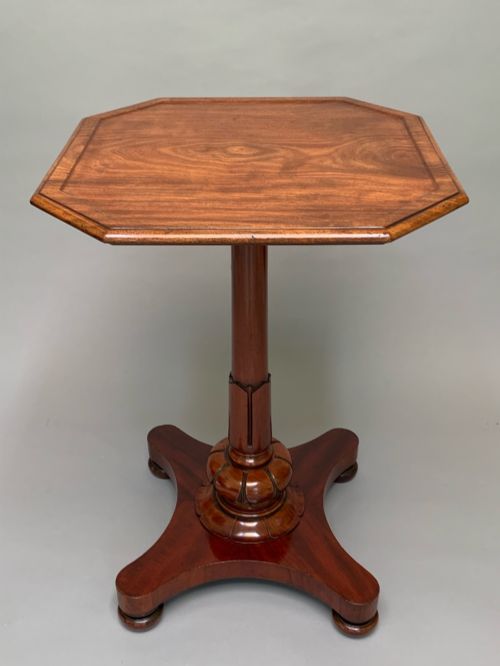
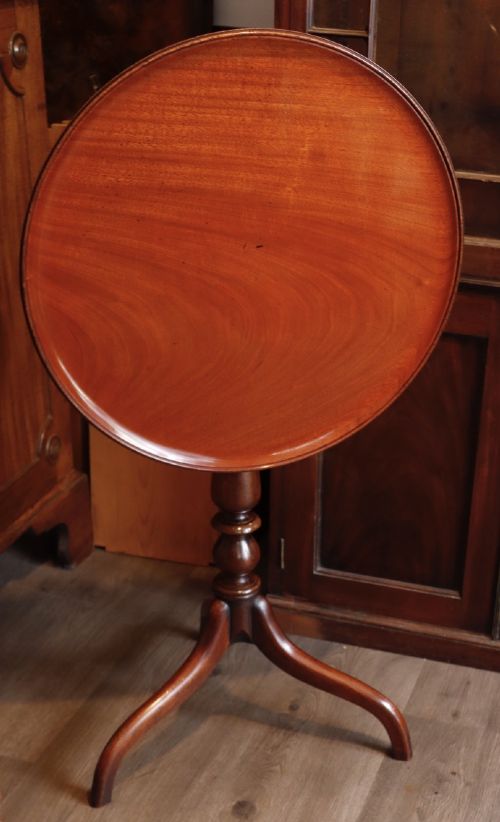
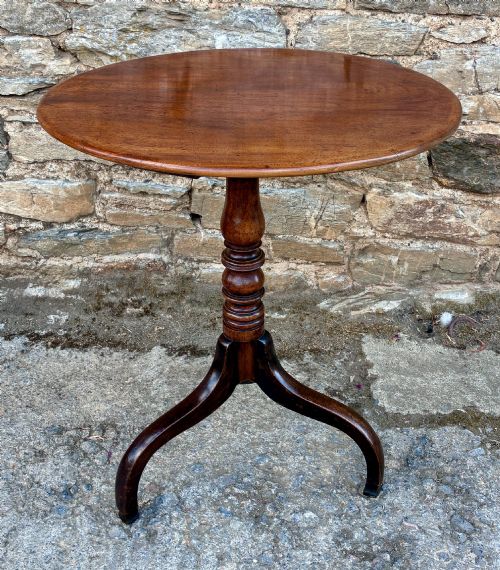
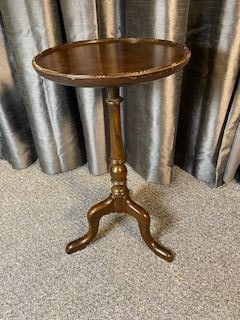
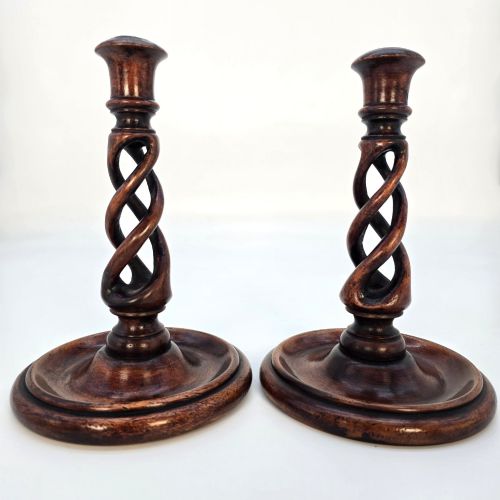
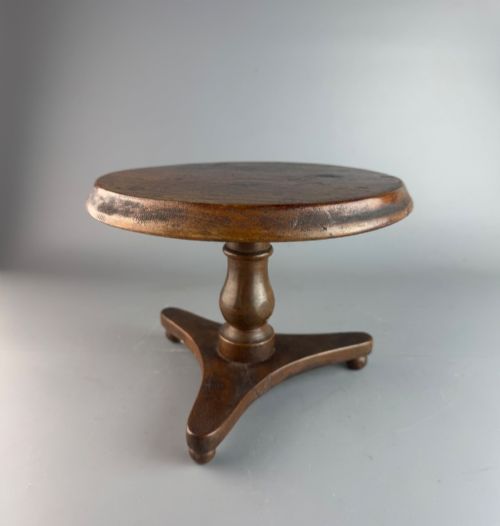
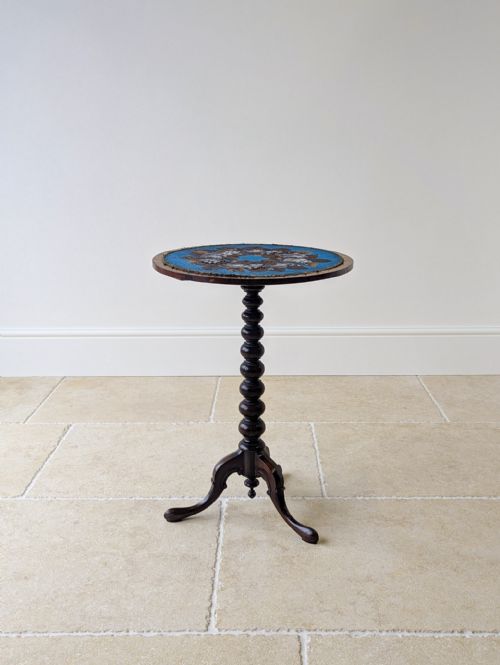
Turned wood candle stands comprise elevated supports and small tables designed to hold candles or lamps, appearing across Georgian, Victorian, and Regency periods. The forms include tripod tables, wine tables, torchères, and candlesticks, often standing on slender stems.
Mahogany, oak, yew wood, and fruitwood form the primary bodies of these pieces, alongside occasional brass accents and fruitwood twists. Examples range from simple 18th-century oak and mahogany tripod designs to later Victorian twists and torchères.
The selection on this page leans heavily towards mahogany tripod tables and wine tables from the Georgian and Victorian eras. Buyers also encounter occasional plant stands, occasional tables, and specific fruitwood or oak configurations.
Factors of quality
Quality rests in the choice of timber figure, such as rich mahogany grain or figured yew wood, and the crispness of the turned stem details. Hand-carved tripod legs and well-fitted tilt-top mechanisms demonstrate superior craftsmanship.
Proportion and stability dictate the usefulness of a stand, with finer pieces maintaining balanced weight distribution across slender stems and splayed feet. Surface finish and original decorative elements, including penwork or brass mounts, separate standard examples from finer works.
Listings feature woods including mahogany, oak, yew wood, walnut, rosewood, and fruitwood across Georgian, Regency, and Victorian periods.
The Turned Wood Candle Stands Glossary
- Tripod table
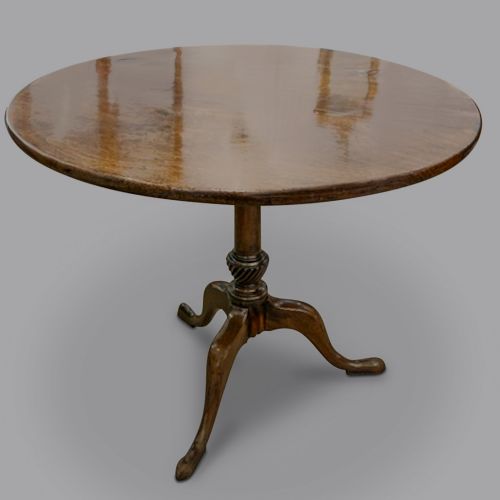
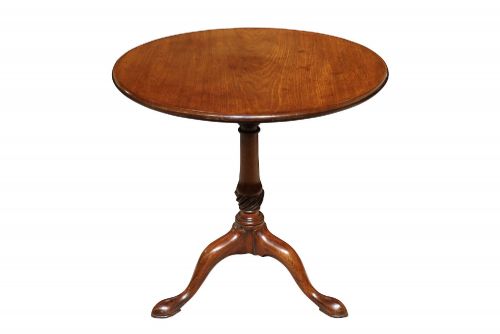
- A small circular table supported by a central pillar and three legs. This form provides a stable base on uneven floors.
- Torchère
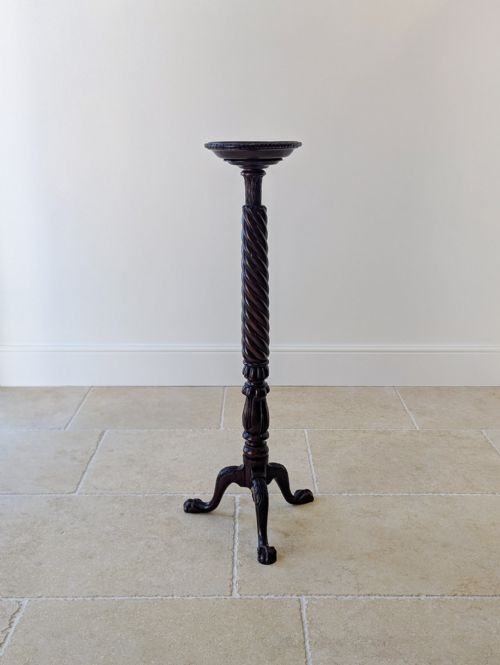
- A tall stand designed to support a lamp or candle. These pieces utilise height to illuminate specific corners of a room.
- Tilt-top
- A tabletop mechanism allowing the surface to pivot upright when not in use. This clever design saved space in period interiors.
- Birdcage
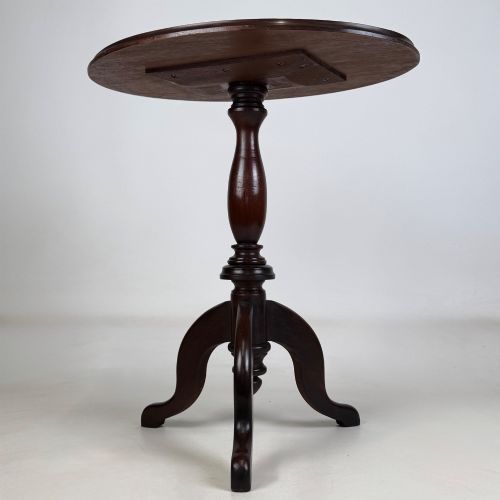
- A revolving wooden framework beneath a tabletop enabling the surface to turn and tilt. It connects the top to the central turned pillar.
- Barley twist
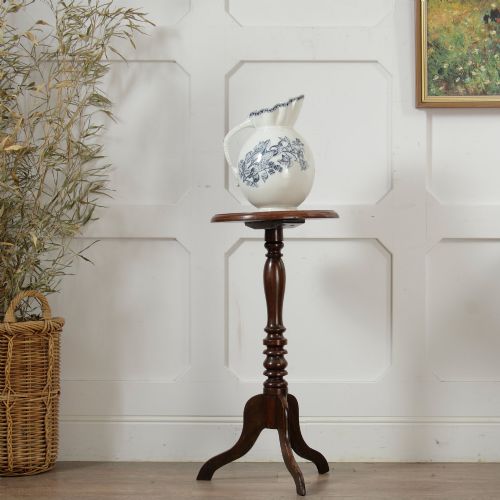
- A spiral turning technique resembling a twisted rope. Woodturners carved this rhythmic pattern along the central column of stands and tables.
Turned Wood Candle Stands: Frequently Asked Questions
What is a candle stand used for?
These pieces originally elevated a single candle or lamp to provide task lighting where needed in a room. Today, they function as small side tables for drinks, books, or plant displays.
Their compact footprint allows them to fit easily beside armchairs or in narrow hallways without crowding the floor space.
How do I tell Georgian from Victorian stands?
Georgian stands generally show restrained classical proportions with clean-turned pillars and understated tripod legs. Mahogany and oak dominate this earlier period.
Victorian examples often introduce heavier ornamentation, such as barley twists, carved acanthus leaves, and revival styles like Chippendale. The turning tends to be more robust and elaborate.
Are tilt-top mechanisms original?
Many tripod tables feature original birdcage or catch mechanisms that allow the top to fold flat against the stem. Examining the pivot pins and underlying blocks reveals whether the action belongs to the original period of manufacture.
Original mechanisms show consistent wear matching the age of the timber above and below the joint.
Where should I place a torchère?
Torchères suit corners, landings, or spaces beside large pieces of furniture where vertical height adds balance. Their elevated platforms draw the eye upward.
Because of their slender tripod bases, they perform best away from heavy foot traffic where they might be easily knocked.