


Traditional Wooden Candlesticks
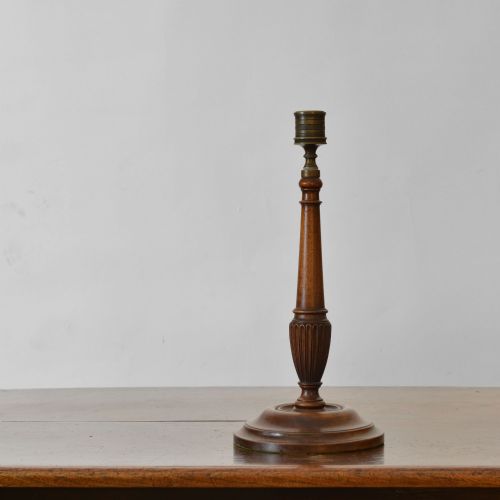
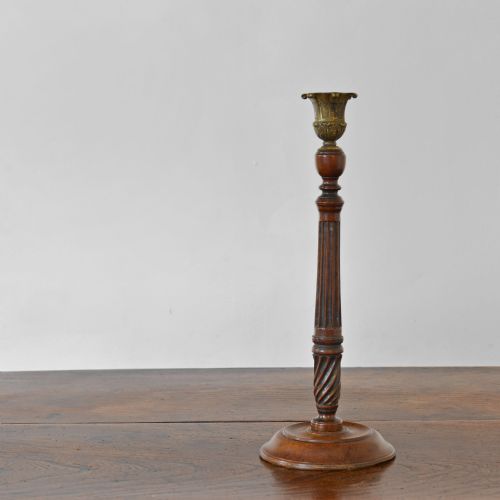
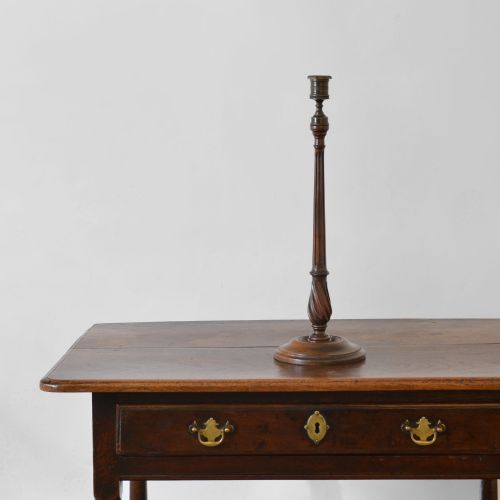
Traditional wooden candlesticks bring tactile warmth and enduring craftsmanship to a room, offering functional illumination through turned mahogany, carved oak, and rich grain patterns.
Traditional Wooden Candlesticks
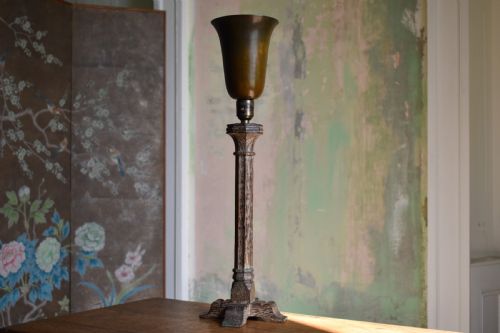
Traditional wooden candlesticks span several centuries of domestic lighting, originating from periods including the seventeenth, eighteenth, and nineteenth centuries. The selection encompasses Georgian mahogany forms, Victorian turned examples, and early twentieth century oak or folk art pieces. Many survive alongside converted table lamps retaining their original wooden shafts.
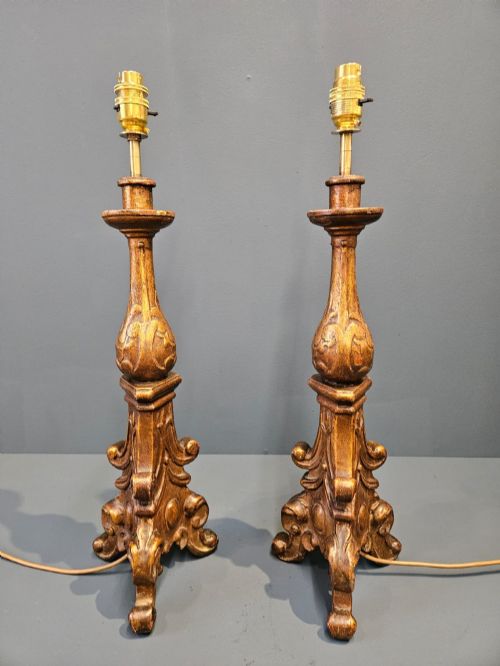
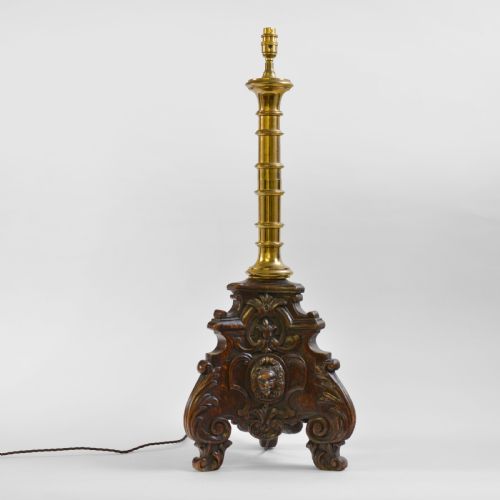
Origin and form vary considerably, incorporating English, continental, and folk art expressions such as carved figures. While many items function purely as candlesticks, others are adapted as table lamps while maintaining their historic wooden character. These items demonstrate how domestic objects evolved from pure utility into decorative mantel and table ornaments.
What varies in quality
The choice of timber heavily dictates the grade of a piece, with dense native hardwoods and carefully selected grain patterns sitting at the upper end. Superior examples display precise lathe turning and deliberate proportions, whereas lesser items may show crude shaping or poorly proportioned stems.
Carved detail differentiates mass-produced or simple turned items from high art expressions such as detailed figures or baroque scrolls. The integration of original brass hardware and the preservation of historic surface patination further separate standard domestic pieces from finer decorative works.
Current listings feature traditional wooden candlesticks spanning the 17th century through the 1920s, utilising mahogany, oak, and giltwood.
The Traditional Wooden Candlesticks Glossary
- Barley twist
- A spiral column turned on a lathe, popular in seventeenth century furniture and revived during the early twentieth century.
- Treen
- Small handmade wooden domestic objects, encompassing small taper candlesticks and utilitarian vessels collected for their tactile quality.
- Sconce
- The metal cup or nozzle fitted to the top of a candlestick to catch melting wax and hold the candle securely.
- Giltwood
- Timber treated with gold leaf or a gold-coloured finish, frequently seen on continental and baroque decorative pieces.
- Lignum vitae
- An extremely dense and heavy wood derived from tropical trees, often utilised for durable nineteenth century turned objects.
Traditional Wooden Candlesticks: Frequently Asked Questions
How do I date traditional wooden candlesticks?
Dating relies on examining the turned profiles, timber species, and tool marks left by the maker. Georgian and eighteenth-century examples often feature different lathe characteristics compared to later Edwardian or 1920s revivals.
Hardware elements such as brass sconces also provide clues, as manufacturing techniques shifted from hand-hammered brass to machine-turned components by the late nineteenth century.
Were these candlesticks converted into lamps?
Many wooden candlesticks have been adapted to house electrical fittings for modern domestic use. This conversion was often carried out sensitively to preserve the original turned wood stem and base.
Buyers can find both unadapted taper sticks and lamp-converted variants across seventeenth, eighteenth, and nineteenth-century styles.
What woods were used for these candlesticks?
Maker choices typically centred on durable hardwoods capable of holding fine turned details without splitting. Mahogany and oak appear frequently across Georgian and Victorian periods.
Other utilised timbers include dense lignum vitae, walnut, limed oak, and carved exotic woods found on continental and folk art pieces.
How should I clean wooden candlesticks?
Maintenance requires gentle dusting with a soft dry cloth to protect the historic polish and natural wood grain. Avoid using modern chemical sprays or wet polishes that can degrade older finishes.
Wax polish suitable for antiques may be applied sparingly to nourish dry timber when necessary.