


Turned Spindle Table
These turned spindle table examples bring practical surface space and distinct decorative character, rooted in centuries of classical furniture design.
Turned Spindle Table
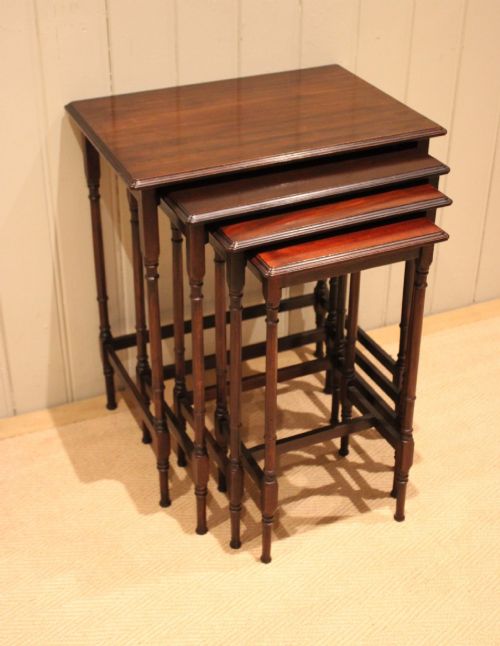
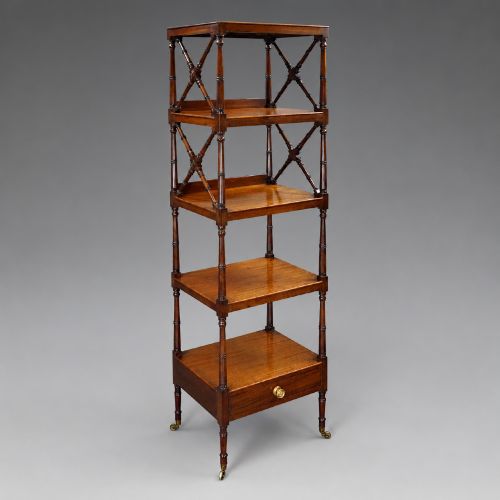
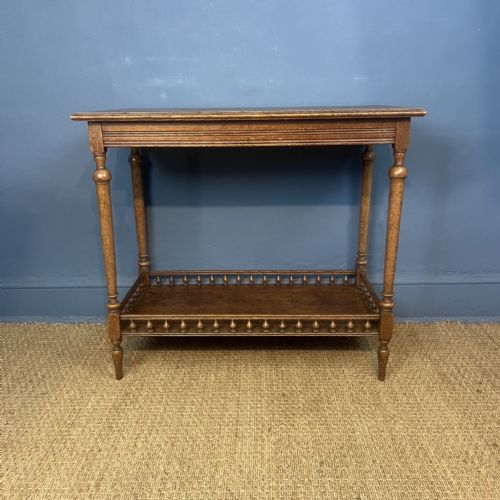
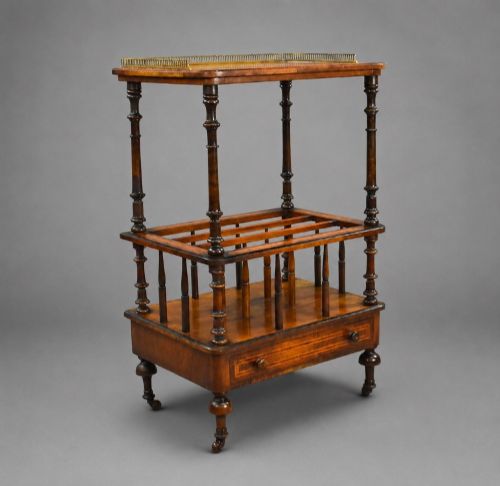
A turned spindle table provides a functional surface with distinctive leg or base detailing shaped on a lathe, appearing frequently across Victorian and Edwardian periods. Buyers searching for a turned spindle table encounter various forms including side tables, occasional pieces, and multi-tiered whatnots constructed in multiple timber varieties.
The evidence shows these designs span from the seventeenth century through to the nineteen-twenties, incorporating styles like the Aesthetic Movement, Jacobean Revival, and Regency. Side tables and occasional tables dominate the selection, often featuring circular, rectangular, or octagonal tops paired with slender vertical supports.
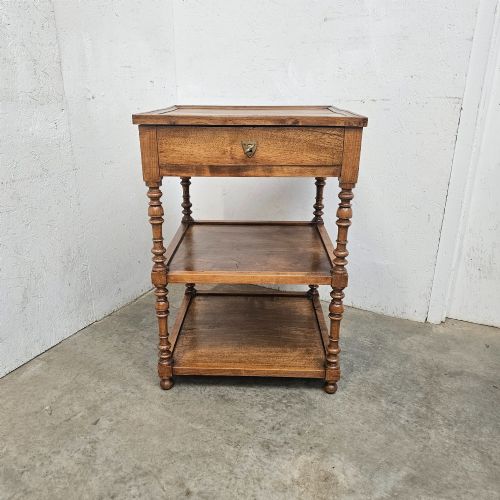
Many items incorporate lower tiers, shelves, or revolving mechanisms, reflecting the versatile domestic requirements of nineteenth and twentieth-century households. The turned elements provide structural stability while introducing rhythm and texture to the framework of the furniture.
What varies in quality
The choice of primary timber and secondary framing woods establishes the baseline standard of construction, with dense hardwoods outlasting softer alternatives. Selection of figured veneers and the crispness of lathe-turned spindles further distinguish standard production from finer examples.
Design complexity and structural integration dictate the refinement of the piece, visible in whether shelves and tiers align harmoniously with the main supports. Subtle details such as inlaid marquetry and crossbanding demonstrate superior craftsmanship by the cabinetmaker.
Listings feature woods including mahogany, oak, walnut, rosewood, and ebonised timber across Victorian, Edwardian, and earlier historical periods.
The Turned Spindle Table Glossary
- Bobbin leg
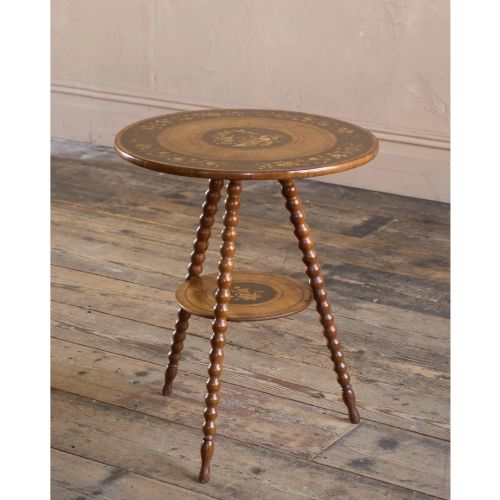
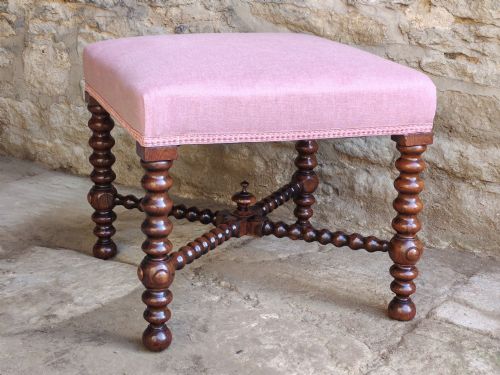
- A turned furniture support shaped to resemble a string of rounded wooden beads or bobbins. This decorative turning style is particularly prevalent in seventeenth-century revivals and nineteenth-century Aesthetic Movement pieces.
- Occasional table
- A small, movable table designed for light, specific uses around a sitting room or hallway. These versatile pieces emerge frequently in Victorian and Edwardian inventories.
- Whatnot
- A multi-tiered shelving unit used for displaying ornaments, books, or small possessions. Evidence shows these pieces often incorporate turned supports and lower drawers or cellarettes.
- Etagere
- A set of open shelves for displaying small objects, similar in function to a whatnot. French walnut and nineteenth-century examples frequently employ this lighter form.
- Marquetry
- Decorative patterns formed by the insertion of contrasting pieces of veneer into a solid wood ground. This technique adds floral or geometric detail to table tops.
Turned Spindle Table: Frequently Asked Questions
What is a turned spindle table used for?
These tables serve primarily as side pieces, lamp stands, or occasional surfaces for holding books and decorative objects in living spaces.
Their compact dimensions allow them to fit easily beside sofas or in hallways without dominating the room.
How do I identify a Victorian spindle table?
Victorian examples often feature dark ebonised finishes, walnut timbers, or bobbin-turned legs associated with the Aesthetic Movement.
Construction traits and secondary woods from the period help confirm the era of manufacture.
Are these tables sturdy?
The turned spindles and heavy hardwood frames provide robust structural integrity suitable for daily household use.
Careful joinery ensures that multi-tiered stands and side tables remain stable under normal placement.
What woods were commonly used?
Craftsmen utilised mahogany, oak, walnut, and rosewood, alongside ebonised wood and applied decorative veneers.
These materials dictated both the weight and the formal appearance of the finished furniture.