




Turned Spindle Leg Table
A turned spindle leg table brings the distinct warmth of carved timber and balanced joinery straight into a room.
Turned Spindle Leg Table
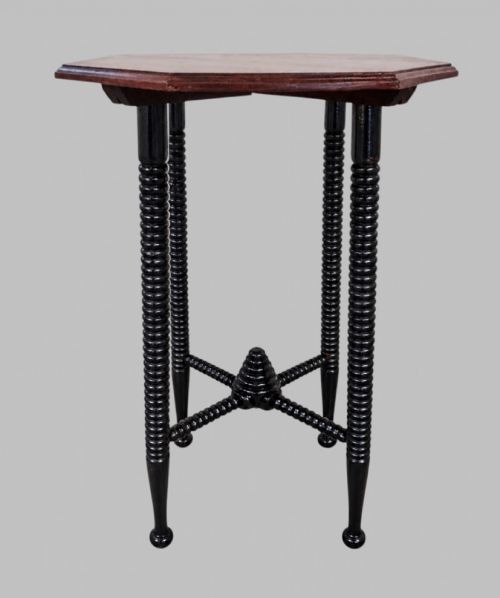
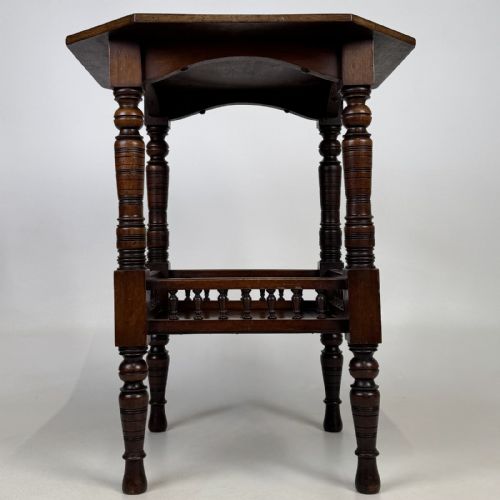
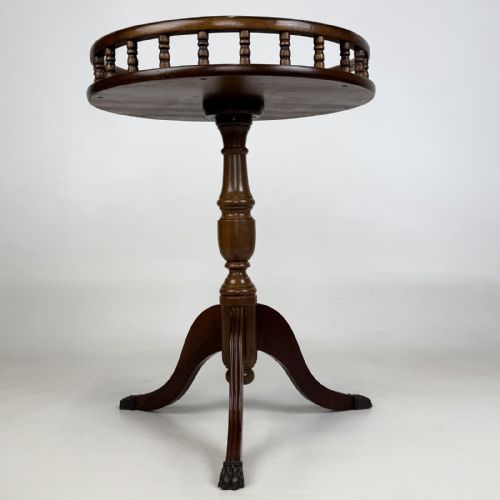
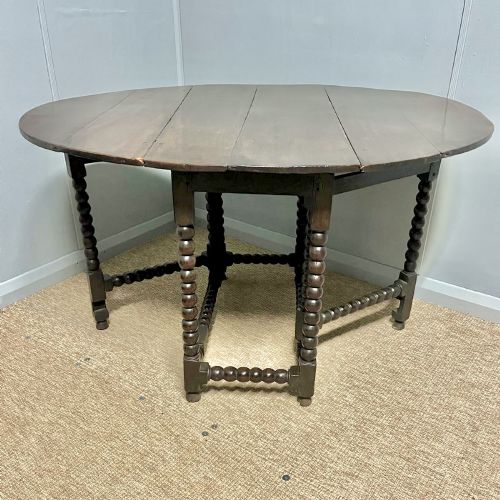
A turned spindle leg table relies on lathe-shaped supports to bring structural rhythm and traditional form to domestic furniture. When browsing a turned spindle leg table, buyers encounter a broad selection ranging from compact side pieces to sturdy gateleg designs.
The material palette draws heavily on traditional timbers, with oak, walnut, and mahogany forming the backbone of the selection. These tables span several centuries of production, capturing periods from seventeenth-century joinery up to early twentieth-century revivals.
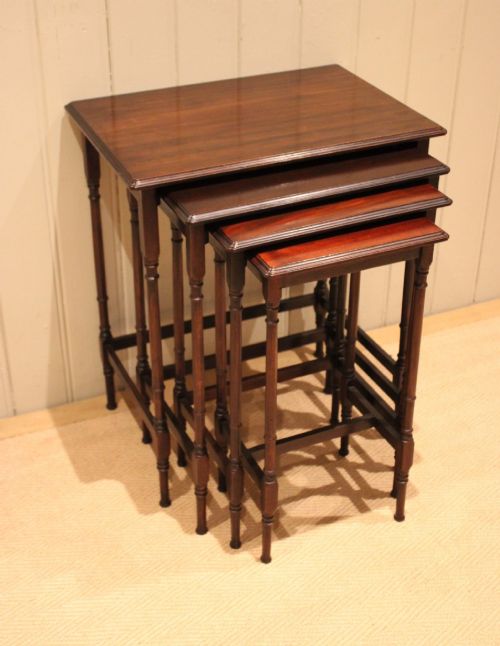
Object types vary widely across the inventory, encompassing occasional tables, side pieces, nests of tables, and larger dining or console formats. Pieces often feature distinct period styling, including Aesthetic Movement accents and Jacobean influences.
Materials and construction methods
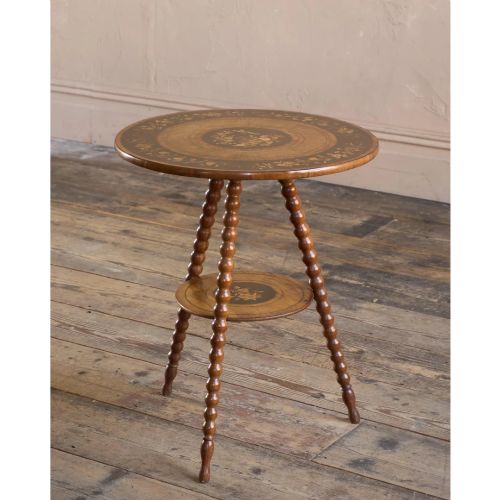
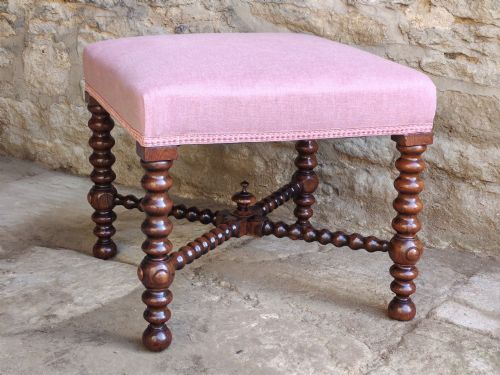
Makers utilised solid hardwoods like oak, walnut, and beech to construct the frames and structural supports of these tables. Turning timber on a lathe created the characteristic bobbin and spindle legs, requiring steady hand-craftsmanship and accurate wood-turning techniques.
Surface decoration incorporated inlaid wood, veneer work, marquetry, and ebonised finishes to enhance the visual depth of the timber. Brass hardware and raised galleries occasionally appeared on specific forms, adding functional detail to the turned framework.
Turned Spindle Leg Table Retail Price Guide 2026
Typical asking prices for turned spindle leg table among the pieces listed under this phrase on Sellingantiques today, from the lower quarter to the upper quarter. They describe what is for sale here now, not the wider market.
Materials appearing across the inventory include walnut, oak, mahogany, beech, and ebonised wood.
Factors that separate examples
Quality rests in the precision of the wood-turning and the crispness of the spindle profiles carved along the legs. Finer examples display harmonious proportions where the weight of the top balances cleanly against the turned underframe.
The choice of timber and the execution of secondary decorative elements, such as marquetry or ebonised surfaces, dictate the refinement of the piece. Sound structural integrity and honest historical joinery separate superior items from standard utilitarian work.
The Turned Spindle Leg Table Glossary
- Bobbin leg
- A turned furniture leg shaped on a lathe to resemble a series of bobbins or spools strung together.
- Gateleg table
- A table with hinged drop leaves supported by legs that swing out like a gate to hold the leaves.
- Marquetry
- Decorative veneer patterns applied to the surface of a piece using thin pieces of wood or other materials.
- Ebonised
- Wood treated with a chemical stain or finish to imitate the dark, dense appearance of ebony.
- Etagere
- A piece of furniture consisting of a set of open shelves for displaying small objects.
Turned Spindle Leg Table: Frequently Asked Questions
How do I date a turned spindle leg table?
Dating relies on examining the timber species, construction joinery, and the specific style of the turned spindle legs. Earlier examples from the seventeenth century often show pegged oak framing, while later Victorian and Edwardian pieces utilise factory-assisted turning methods.
Comparing the secondary woods and surface finishes against known period characteristics helps confirm whether a piece belongs to an original era or a later revival.
Where should I place a side table with bobbin legs?
These tables work well in hallways, living rooms, or as bedside surfaces where their compact footprint and detailed legs can be appreciated. They fit neatly beside sofas or in corners that require a touch of historical character.
Keep them away from direct heat sources and strong sunlight to protect the aged timber and any delicate veneer or ebonised finishes.
Are oak and walnut turned tables sturdy?
Hardwoods such as oak and walnut provide robust structural strength capable of handling everyday domestic use. The rigid geometry of turned legs and stretcher bases generally offers excellent stability for side and occasional tables.
Routine checking of the joints ensures the table remains firm over decades of daily placement.
What is the difference between a side table and an occasional table?
A side table typically serves a designated spot against a wall or beside furniture, often featuring drawers or lower shelves for storage. An occasional table is generally lighter and more portable, designed to be moved around a room as needed.
Both categories frequently incorporate turned legs and decorative tops across various historical periods.