


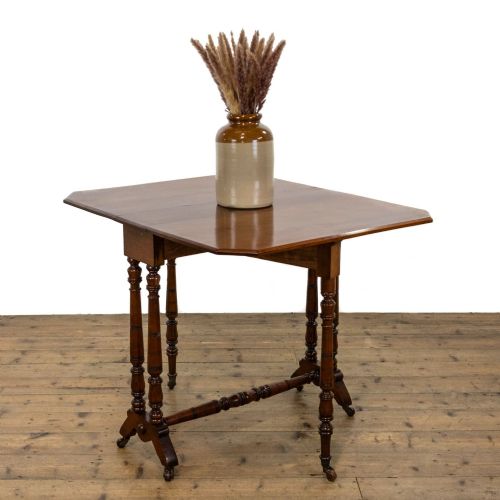
Turned Leg End Table
A turned leg end table brings practical surface space and traditional craftsmanship to a room.
Turned Leg End Table
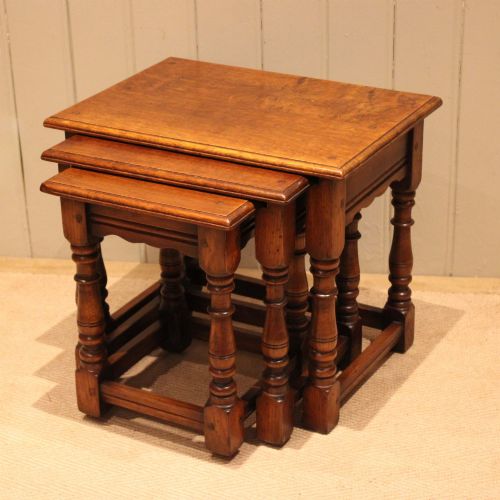
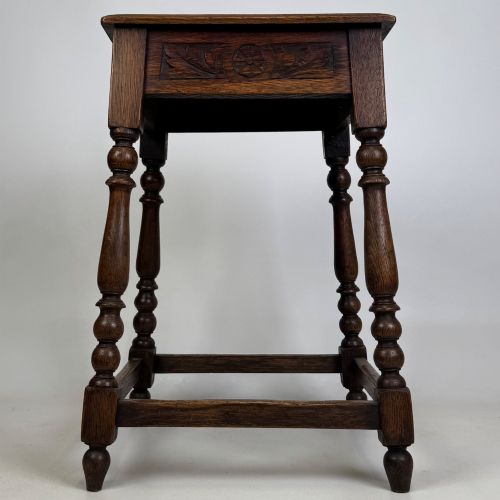
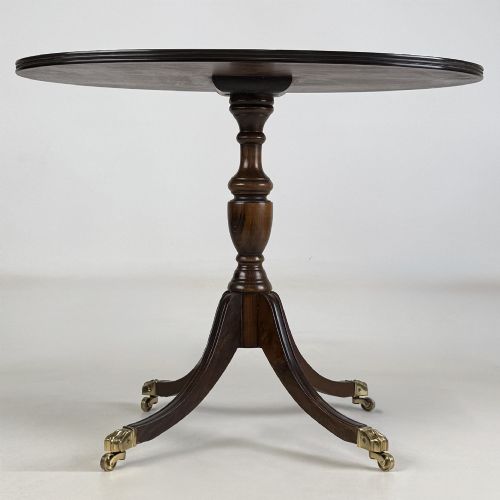
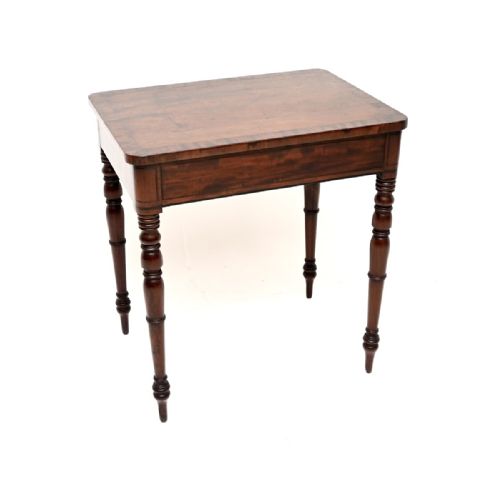
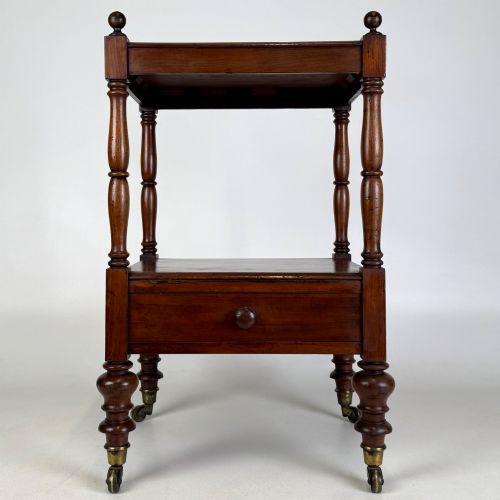
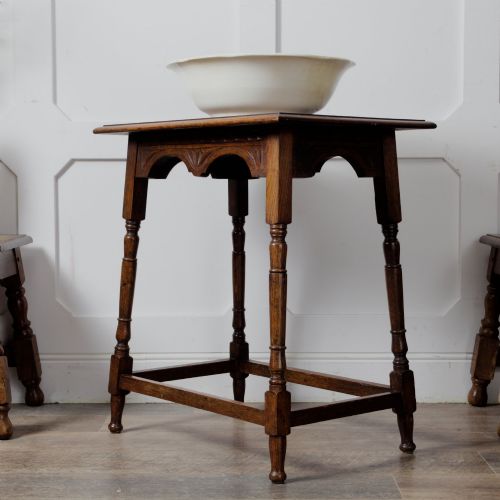
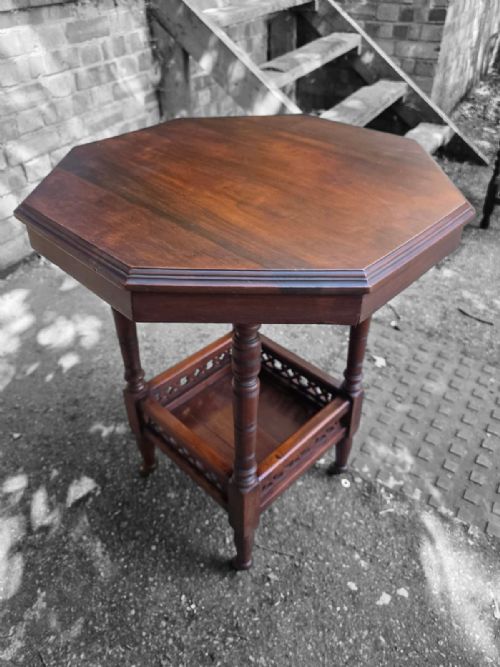
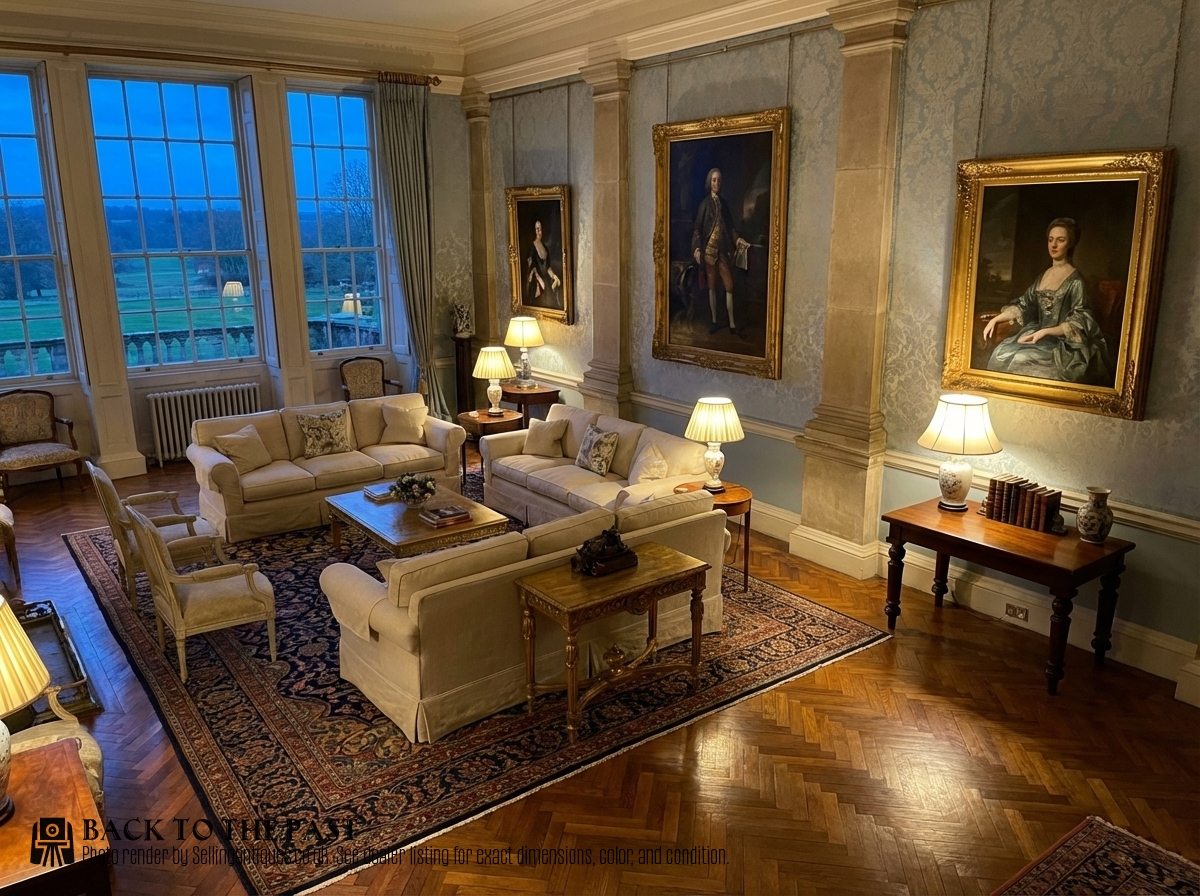
A turned leg end table functions primarily as a side table, lamp table or occasional table in traditional interiors. When searching this phrase, buyers encounter various formats including small oak side tables, nests of tables and occasional lamp tables dating from the eighteenth century through to the Edwardian period and nineteen-twenty.
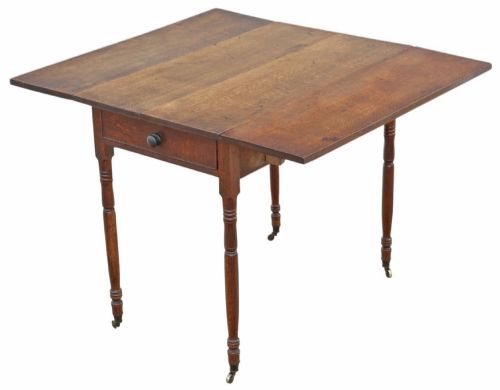
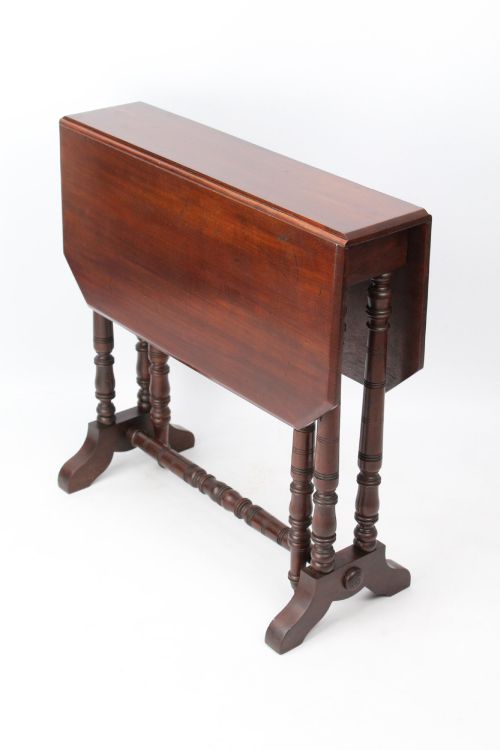
The inventory on this page draws heavily from English cabinet-making traditions, showcasing forms such as the Pembroke table, Sutherland table and drop-leaf designs alongside simple oak and mahogany side tables. These pieces generally serve beside seating or in hallways, offering compact utility alongside period character.
Materials and Construction
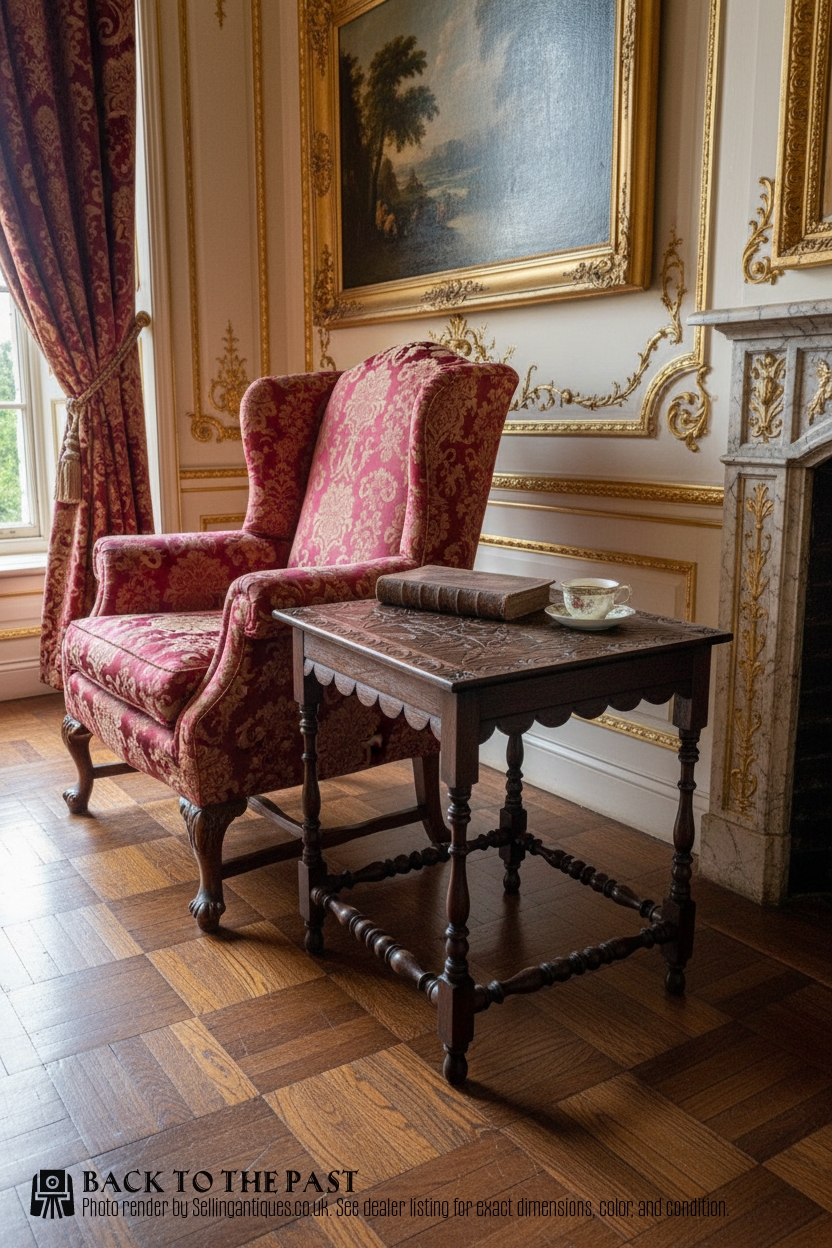
Cabinet-makers constructed these tables using solid timbers such as oak, mahogany, walnut and yew wood, occasionally incorporating secondary woods like elm and pine. Surfaces frequently highlight the natural grain of golden oak, burr oak or figured mahogany.
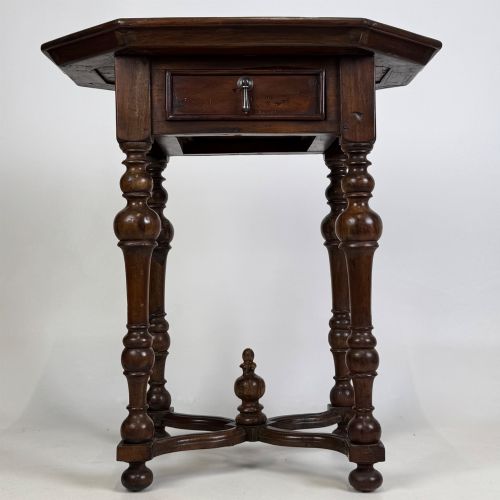
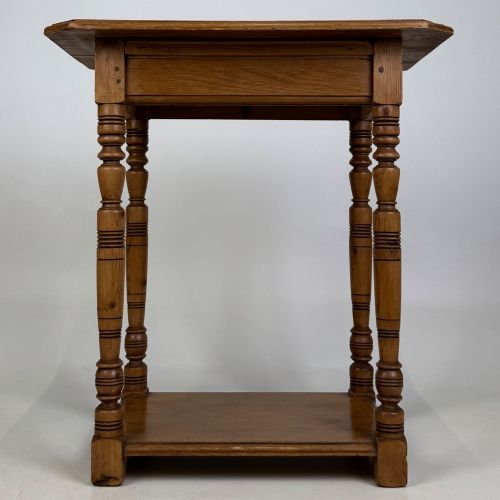
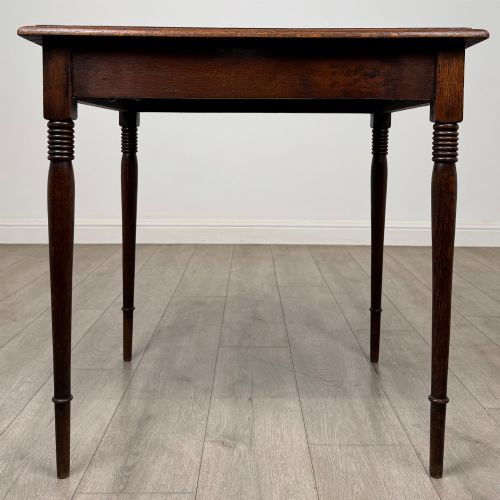
The defining characteristic lies in the legs, shaped on a lathe to create turned, baluster or spider leg profiles. Joinery typically relies on traditional methods, while auxiliary details include brass hardware, ceramic elements and carved ornamentation.
Turned Leg End Table Retail Price Guide 2026
Typical asking prices for turned leg end table among the pieces listed under this phrase on Sellingantiques today, from the lower quarter to the upper quarter. They describe what is for sale here now, not the wider market.
Listings span the eighteenth, nineteenth and twentieth centuries, encompassing Georgian, Victorian, Edwardian and Regency periods alongside Revival styles.
Assessing Quality
Quality in these tables rests upon the selection of timber and the precision of the lathe work on the turned legs. Superior examples display well-figured wood, crisp carving and stable construction without excessive structural intervention.
Proportion and period integrity distinguish finer items from later revivals. Well-balanced forms with original brass fittings and clean joinery command greater appreciation among collectors than heavily altered or purely utility pieces.
Hindley and Sons·E.W Godwin·Baillie Scott
The Turned Leg End Table Glossary
- Turned leg
- A structural support shaped by rotating timber against a cutting tool on a lathe. This technique produces symmetrical, cylindrical profiles with rings, balusters or spiral twists.
- Pembroke table
- A small rectangular table featuring hinged drop leaves on two opposing sides. These tables often include a single drawer and were designed for versatile placement.
- Sutherland table
- A narrow drop-leaf table with hinged leaves that fold down almost vertically. The table stands on swinging gatelegs that support the leaves when raised.
- Occasional table
- A small, movable table intended for specific, intermittent use rather than permanent placement. They frequently serve as lamp tables or side pieces.
- Drop-leaf
- A tabletop design incorporating hinged flaps that can be lowered to reduce the footprint or raised to expand the surface area.
Turned Leg End Table: Frequently Asked Questions
What is a turned leg end table used for?
These tables provide a convenient surface for lamps, books or decorative items beside a chair or sofa. Their compact proportions make them suitable for spaces where a larger piece would overwhelm the room.
Historically, variations like lamp tables and occasional tables moved easily around the home to meet immediate domestic needs. Today, they continue to function as flexible accent pieces in living rooms and hallways.
How do I identify the period of an oak side table?
Dating relies on examining construction methods, timber selection and stylistic details. Eighteenth-century examples often feature pegged joinery and dense, dark oak, while Edwardian and nineteen-twenty pieces display lighter finishes and machine-assisted turning.
Comparing the turned leg profile against known stylistic revivals, such as Jacobean or William and Mary, helps narrow down the decade of manufacture. Hardware styles and drawer construction methods further clarify the age.
Are these tables solid wood?
The listings here feature solid timbers including oak, mahogany, walnut and yew wood. Cabinet-makers utilised these durable hardwoods to ensure stability, particularly in load-bearing turned legs and tabletops.
Secondary woods like pine occasionally appear in internal components such as drawer linings. The primary surfaces, however, showcase the genuine grain and depth of the named hardwood.
How do I care for an antique wood table?
Maintenance involves keeping the timber away from direct heat sources and strong sunlight, which can dry out and fade the wood. Regular dusting with a soft, dry cloth preserves the polished finish.
Applying a traditional beeswax polish occasionally helps nourish older timber and maintain its natural lustre. Avoid using modern silicone-based sprays that can build up and damage the historic surface.