

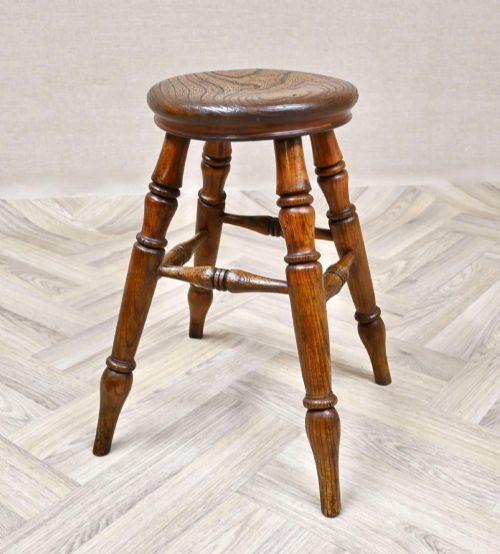
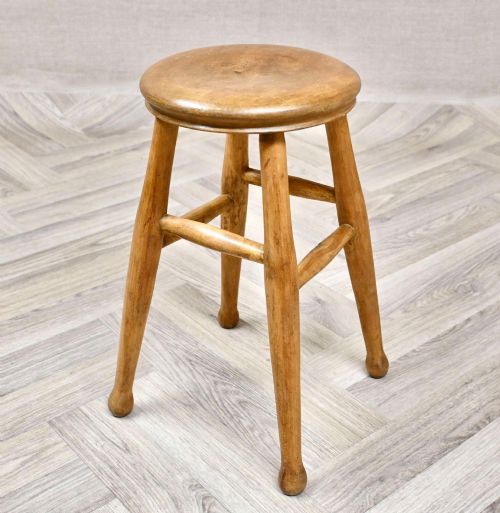
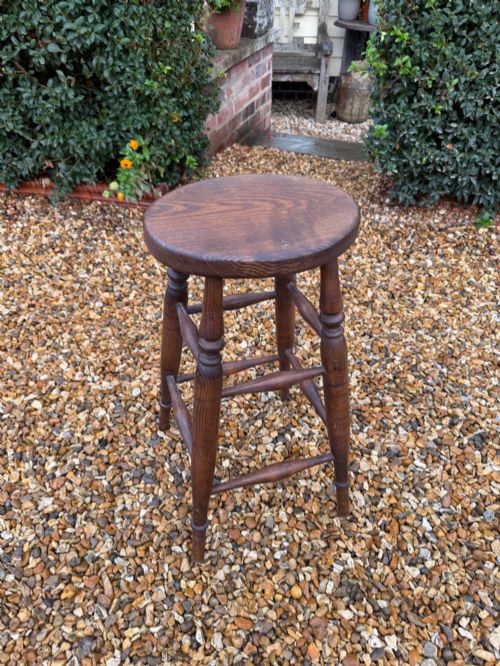
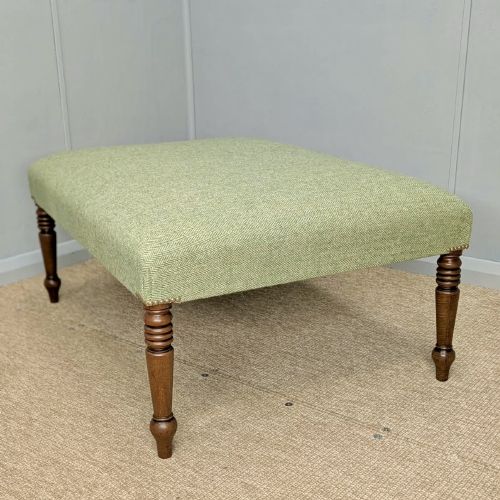
Turned Leg Stool
Turned leg antique stool designs combine sturdy timber frames with shapely vertical supports, offering practical seating and rustic charm for everyday interiors.
Turned Leg Stool
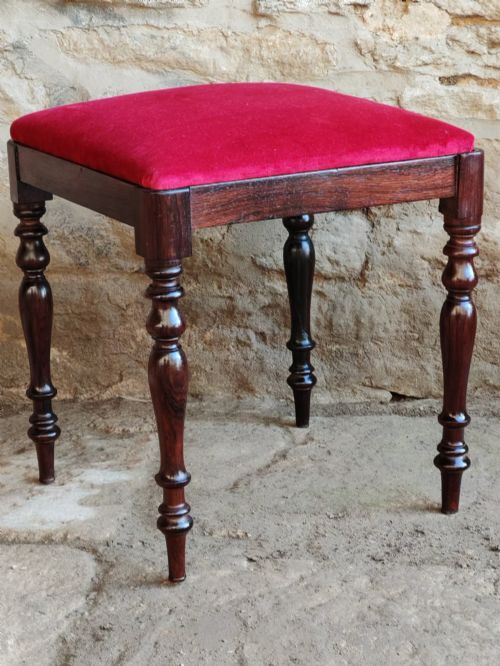
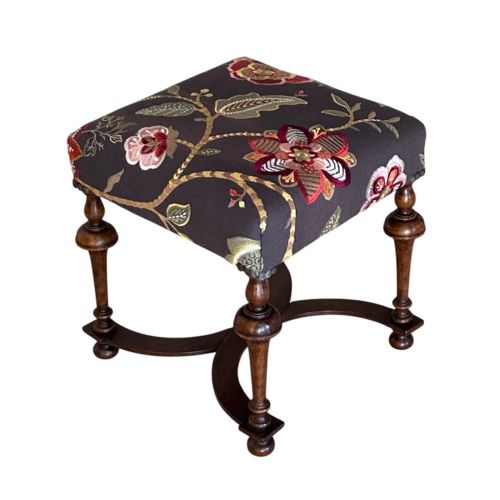
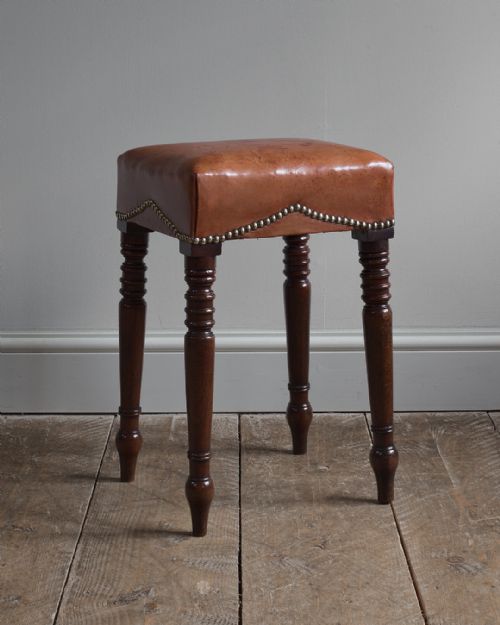
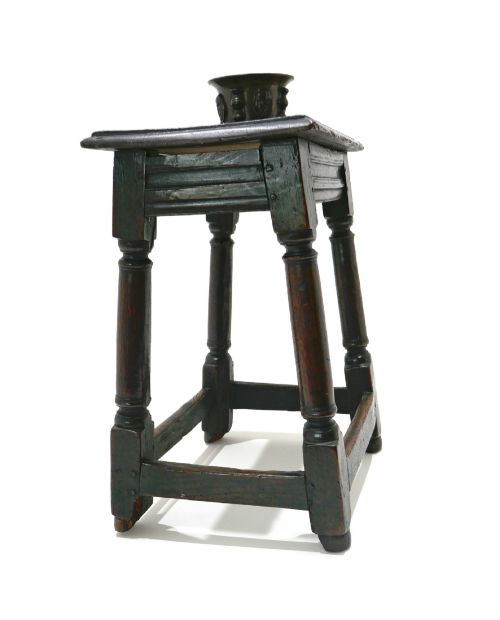
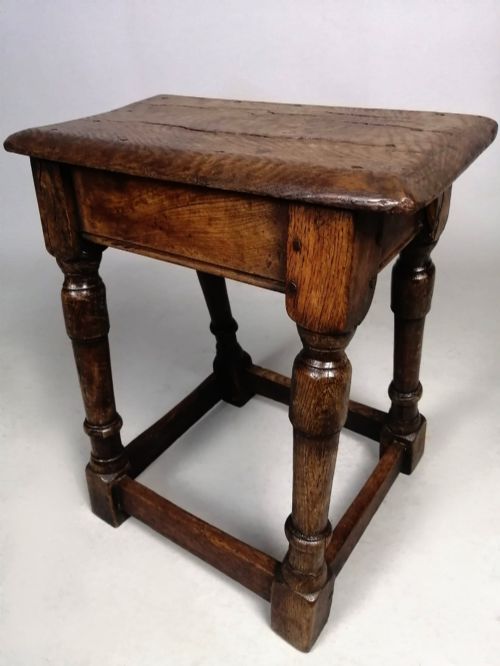
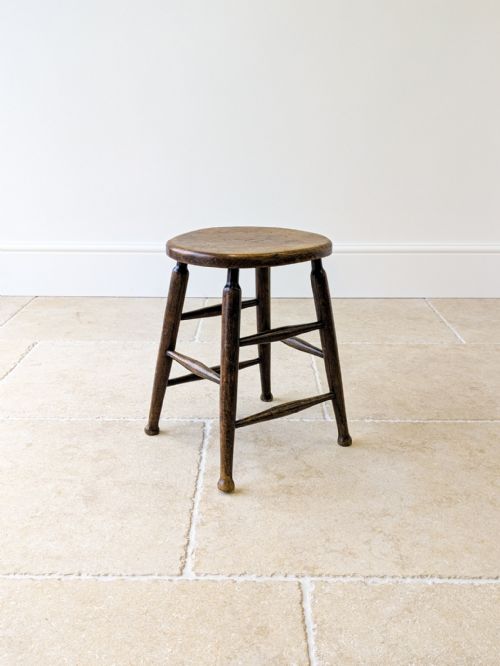
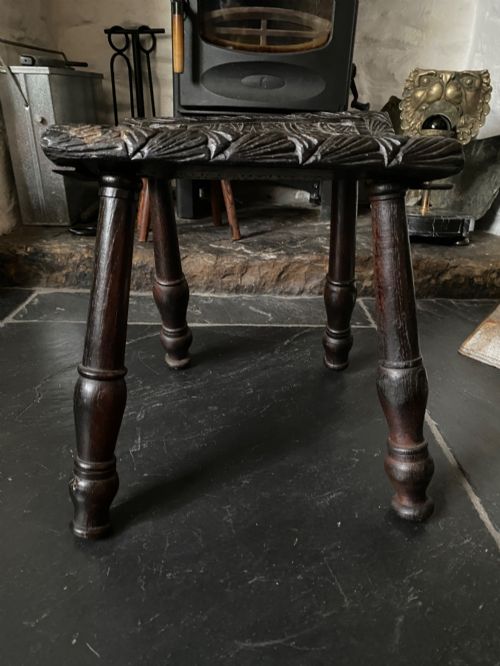
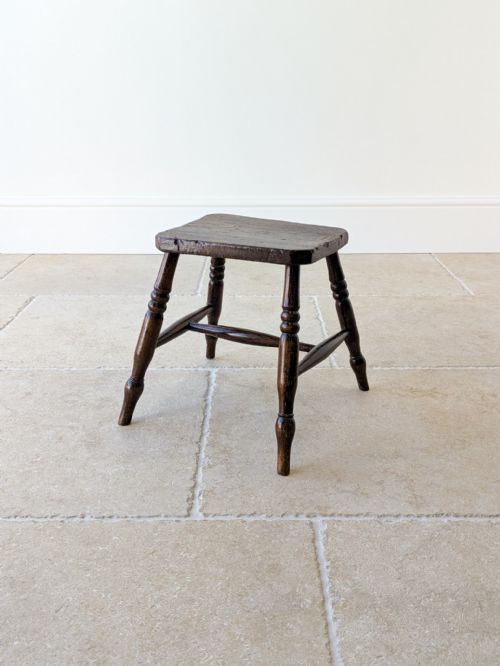
A turned leg antique stool delivers a compact seating option rooted in centuries of domestic joinery. These pieces span early regional forms like seventeenth century joint stools up to nineteenth century vernacular examples and Edwardian household seating.
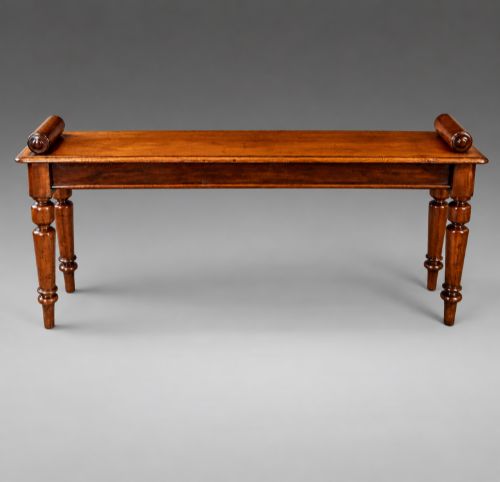
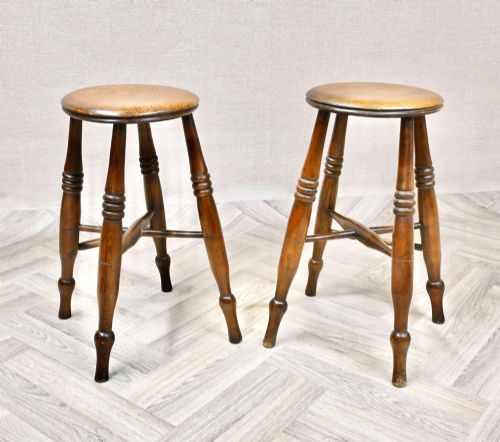
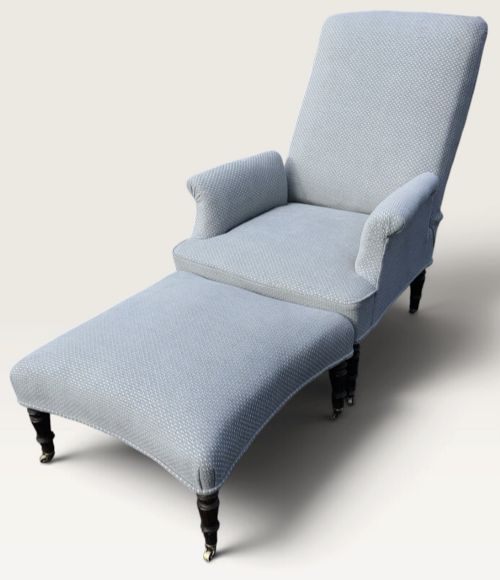
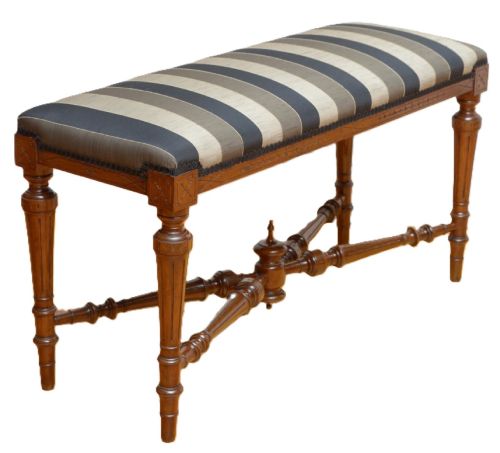
The inventory on this page relies heavily on nineteenth century Victorian pieces alongside seventeenth century and eighteenth century items. Formats range from simple tavern stools and pub seats to window benches and footstools.
Regional variations appear across English country styles and Jacobean revivals. Buyers encounter everything from low domestic footstools to taller clerks' seats and long oak joint stools.
Materials and Construction
Timbers such as oak, elm, mahogany, beech and walnut provide the structural backbone for these frames. Joiners utilised traditional joint construction, pegged mortise and tenon joints, and turned leg components on provincial and formal examples alike.
Secondary materials include brass accents, heavy green linen, and fabric upholstery on padded seats and duet stools. Sycamore, pine, ash and rosewood also feature across specific tavern stools and decorative nineteenth century seating.
Turned Leg Stool Retail Price Guide 2026
Typical asking prices for turned leg stool among the pieces listed under this phrase on Sellingantiques today, from the lower quarter to the upper quarter. They describe what is for sale here now, not the wider market.
Some nineteenth century examples hide surprising dual identities as sewing boxes, luggage racks or coffin stools.
Quality and Finish
Distinctions in quality rest upon the choice of primary timber and the precision of the turning work on the legs. Dense hardwoods like oak and walnut with rich natural patination outlast softer woods and poorly maintained frames.
Structural integrity depends on tight joints and minimal timber replacement over time. Finer examples retain their original surface finishes and authentic fixings without excessive later restoration.
The Turned Leg Stool Glossary
- Joint stool
- An early wooden stool constructed with mortise and tenon joints held together by wooden pegs rather than glue. These sturdy pieces served multiple domestic purposes from seating to makeshift tables.
- Turning
- A woodworking technique where a piece of timber rotates on a lathe while a gouge or chisel shapes the profile. This process creates the decorative legs characteristic of these stools.
- Windsor stool
- A traditional seat featuring turned legs and spindles wedged directly into a thick wooden seat. They emerged from rural vernacular traditions.
- Patina
- The surface sheen and colour developed by timber over decades of handling and polishing. Good examples display deep, organic tones acquired through age.
- Duet stool
- An elongated seating form designed for two people, often placed near a piano or window. They frequently incorporate upholstered tops and decorative leg turnings.
Turned Leg Stool: Frequently Asked Questions
What is a joint stool?
A joint stool is an early wooden seating form built with pegged mortise and tenon joinery rather than metal fasteners.
These pieces were common in seventeenth and eighteenth century households for sitting or reaching high places.
Where were tavern stools used?
Tavern stools stood in public houses, inns and taprooms to provide quick and sturdy seating for patrons.
Their simple design often featured dished wooden tops and durable turned legs designed for heavy daily commercial use.
How do I care for antique timber?
Maintain antique timber by keeping it away from direct heat sources and sudden changes in humidity.
Apply natural beeswax occasionally to nourish the wood and preserve the surface finish without trapping moisture.
Are these stools suitable for daily seating?
Most antique stools remain structurally robust enough for regular sitting in living rooms or hallways.
Checking the tightness of the leg joints ensures stability during everyday household use.
How do I date a turned leg?
Leg turning profiles changed across centuries, moving from heavy seventeenth century baluster shapes to slender nineteenth century reeding.
Tool marks and timber selection also offer clues to the period of manufacture.