
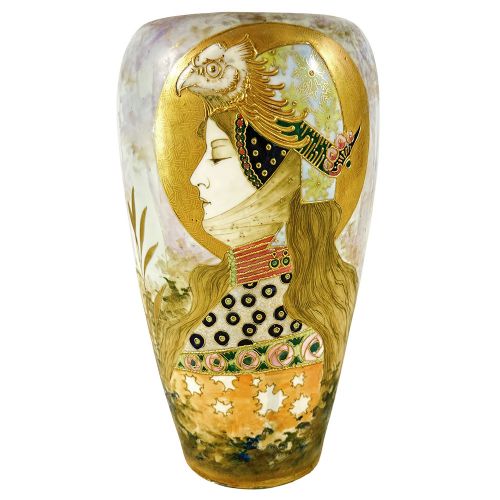


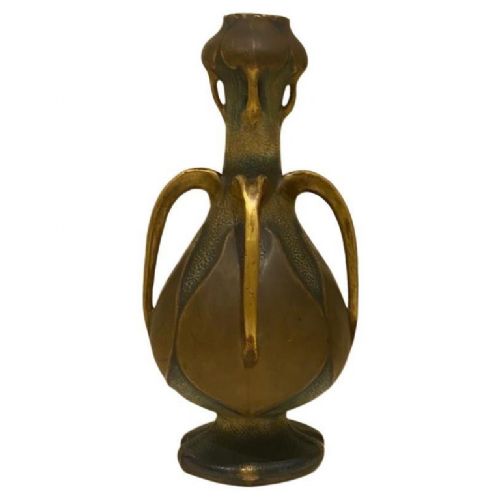

Turn Teplitz Vase
A turn teplitz vase brings organic Austrian design into a room, offering flowing lines and shimmering surfaces that define the early twentieth century.
Turn Teplitz Vase
A turn teplitz vase represents the distinctive ceramic and glass output of Austrian makers from the nineteenth and twentieth centuries, spanning the Art Nouveau and Secessionist movements. Buyers seeking a turn teplitz vase generally encounter earthenware, porcelain, and iridescent glass forms that showcase fluid natural motifs.
The objects take various shapes, including monumental pottery vessels, ewers, jugs, cornucopia vessels, and spill vases. Pieces often emerge from periods such as nineteen hundred, the Edwardian era, and the nineteenth century, bearing signatures of prominent regional manufacturers.
Most examples lean heavily into organic aesthetics, capturing the spirit of Art Nouveau through plant stems, water lilies, and sculptural animal elements. Collectors frequently discover pairs alongside single statement pieces, each reflecting the Bohemian region's mastery of decorative arts.
How they were made
Pottery and porcelain pieces rely on skilled hand painting, intricate gilding, and enamel work applied to earthenware or fine ceramic bodies. Artisans shaped these vessels to include sculptural details like gargoyle masks and amphibious handles before firing and glazing.
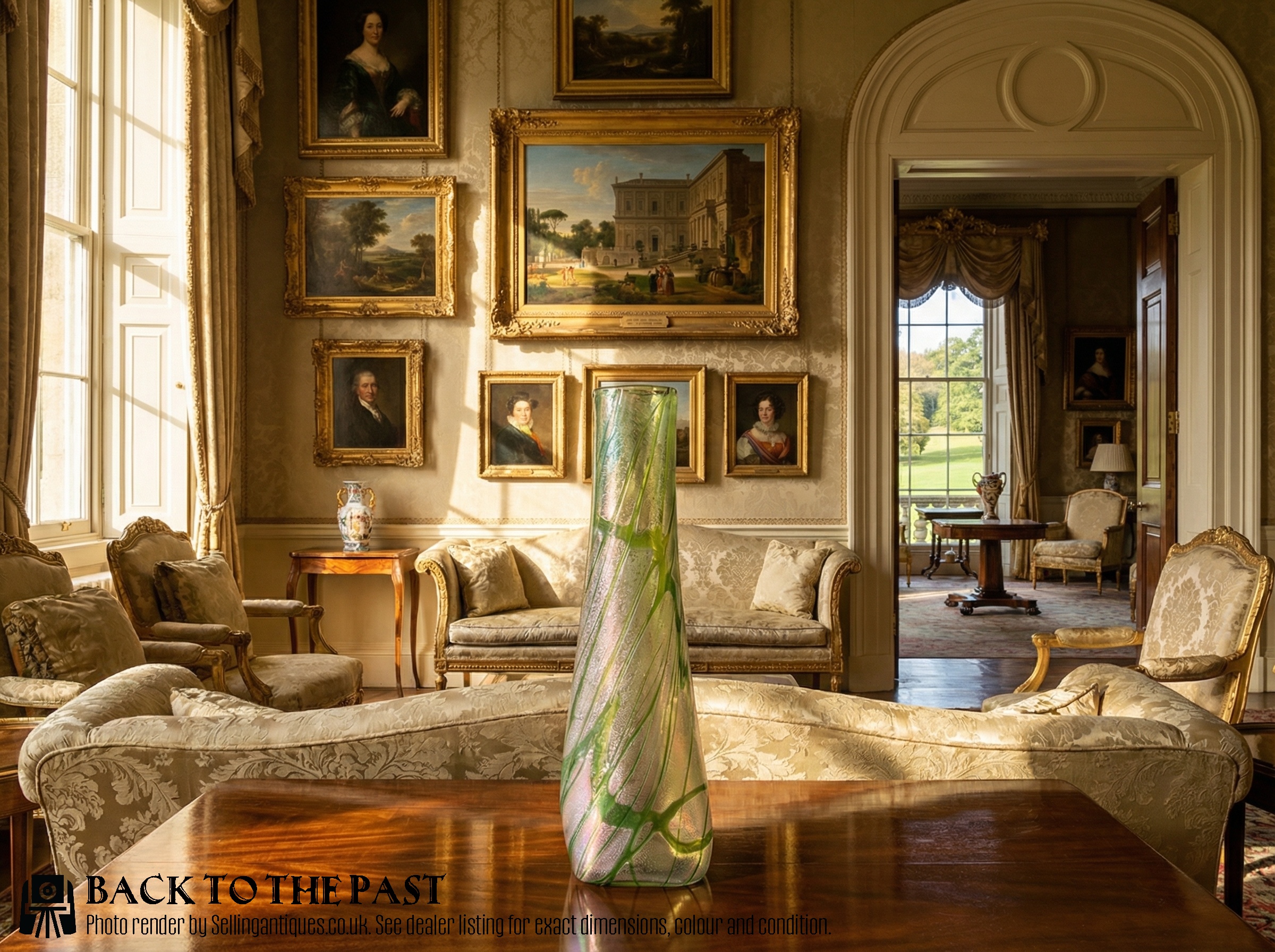
Glassmakers utilised iridescent techniques, such as the Papillon décor, to create shimmering surfaces on organic forms. Mounts of pewter or silver were frequently added to finish the pieces, marrying metalwork with blown glass.
Materials documented across the pieces include earthenware, iridescent glass, gold leaf, ceramic, glaze, porcelain, gilt, and enamel.
What varies in quality
The distinction between standard production and exceptional work rests on the ambition of the modelling and the precision of the hand decoration. Superior examples feature complex sculptural additions like sea monsters or multi-layered iridescent glass finishes that demand high technical skill.
Renowned designers and specific factories elevate individual pieces through artistic direction and meticulous execution of gilding and enamel. Condition, scale, and the presence of clear factory marks also determine the standing of each vessel within the broader field.
Nicholas Kannhauser·Reissner Stellmacher and Kessel·Kralik·Ernst Wahliss·Loetz·Alexandra Porcelain Works·Paul Dachsel·Alfred Stellmacher
The Turn Teplitz Vase Glossary
- Art Nouveau
- A decorative style characterised by fluid, organic lines, plant motifs, and asymmetrical forms. This movement heavily influenced turn teplitz production around nineteen hundred.
- Secessionist
- An artistic movement related to Art Nouveau that favoured geometric clarity alongside stylised natural forms. It appears frequently in Austrian glass and ceramic design.
- Iridescent glass
- Glass treated with metallic salts to produce a rainbow-like sheen on the surface. Makers utilised this effect to catch light dynamically.
- Earthenware
- Porous pottery fired at lower temperatures, often used as the base body for painted and glazed decorative vessels. It allowed for thick, sculptural modelling.
- Cornucopia vase
- A horn-shaped vessel traditionally symbolising abundance and plenty. These pieces were often produced in porcelain with elaborate decorative bases.
Turn Teplitz Vase: Frequently Asked Questions
What is a turn teplitz vase?
A turn teplitz vase is a decorative ceramic or glass vessel produced in the Turn-Teplitz region of Bohemia during the late nineteenth and early twentieth centuries. These pieces are celebrated for their distinctive Art Nouveau styling and organic motifs.
Most examples reflect the craftsmanship of prominent Austrian manufactories and individual designers working in earthenware, porcelain, and iridescent glass.
How do I identify Art Nouveau pieces?
Art Nouveau items are recognised by their flowing, whiplash lines and motifs drawn from nature, such as water lilies, vines, and animal forms. They avoid rigid symmetry in favour of dynamic, living shapes.
In turn teplitz pieces, this style manifests through sculptural handles, iridescent surfaces, and hand-painted floral decorations across ceramics and glass.
Were these vases used for flowers?
Many of these vessels served practical functions as flower holders, ewers, or jugs, while others were created purely as ornamental display pieces. Forms like spill vases and cornucopias had specific traditional uses.
Due to their delicate hand-painted enamel, gilding, and iridescent glass surfaces, modern owners often display them independently rather than exposing them to water.
How do I care for iridescent glass?
Iridescent glass requires gentle handling to protect the delicate metallic sheen applied to the surface. Dusting with a soft, dry cloth is usually sufficient for maintenance.
Avoid harsh cleaning agents, soaking, or abrasive materials that could permanently damage the lustrous finish characteristic of Loetz and Kralik pieces.
What materials were used?
Manufacturers utilised a range of materials including earthenware, fine porcelain, and blown glass. Surfaces were often enhanced with gold leaf, enamel, and metallic glazes.
Some pieces incorporated pewter or silver mounts, combining metalwork with ceramic or glass bodies to create composite decorative objects.