

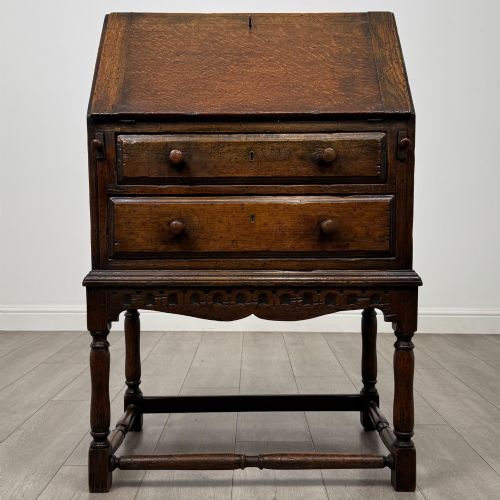
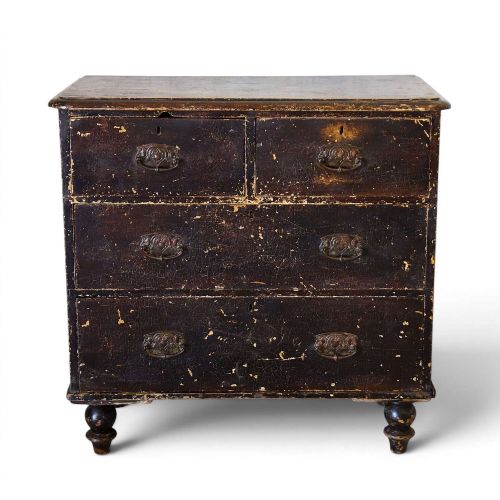
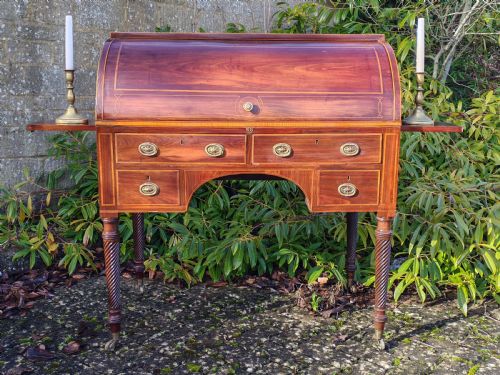


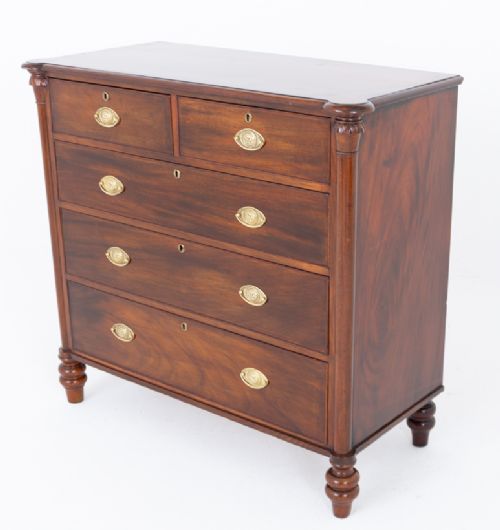
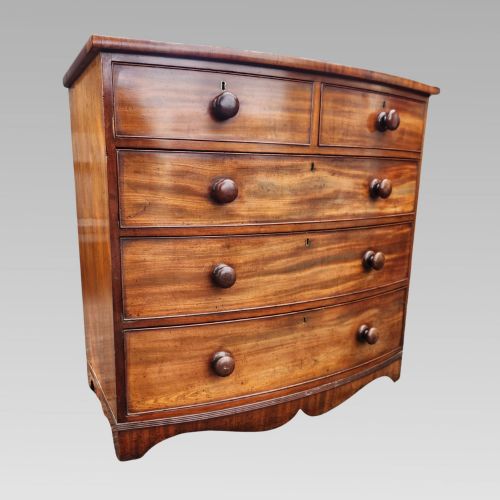
Turn of Century Bureau
A turn of century bureau brings domestic practicality into focus, offering fitted compartments and writing surfaces rooted in Victorian, Edwardian, and Arts and Crafts traditions.
Turn of Century Bureau
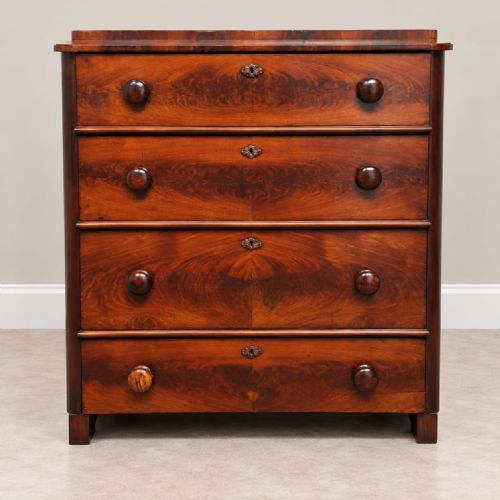
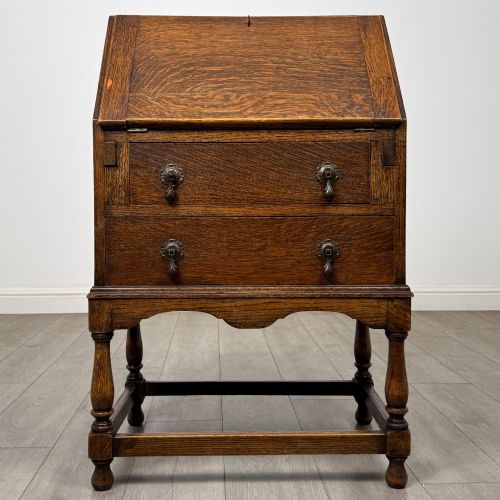
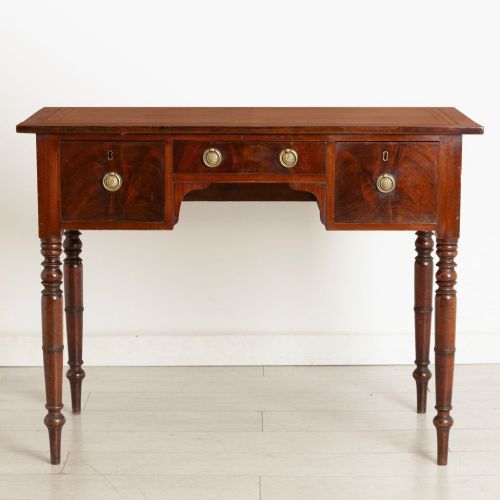
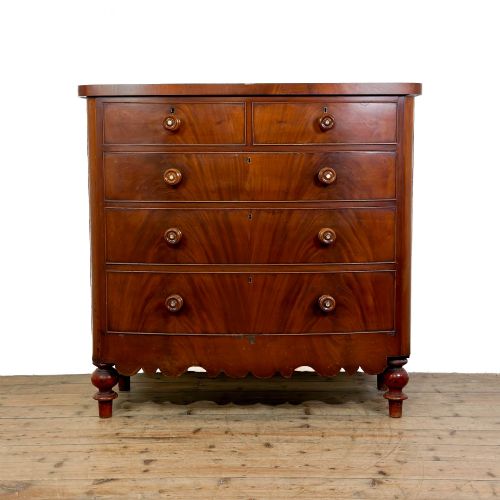
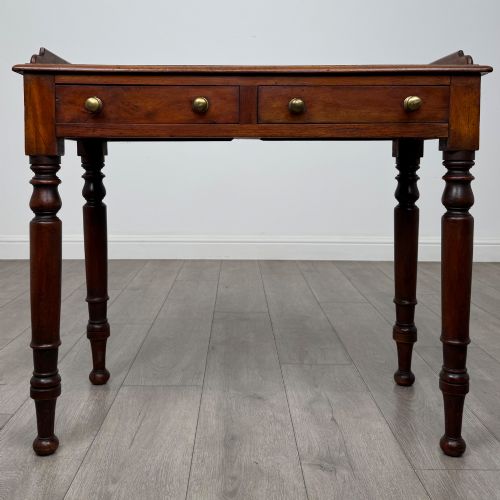
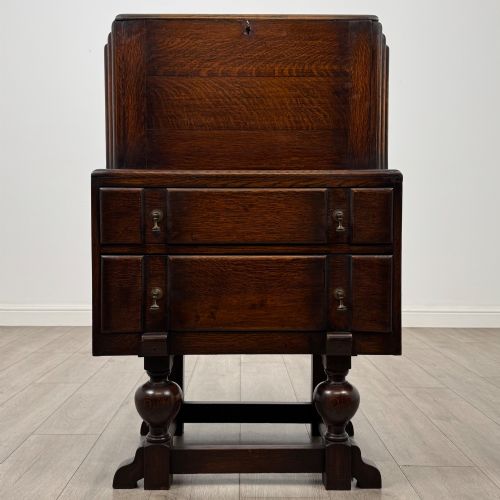
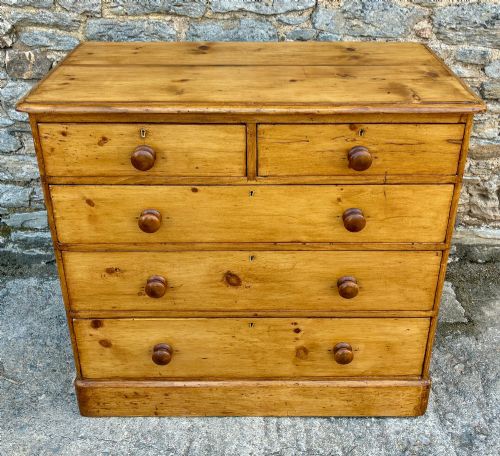
When you search for a turn of century bureau, you encounter writing furniture spanning the late Victorian, Edwardian, and 1900 periods. The listings here frequently present desks, writing tables, and oak or walnut bureaux alongside related forms like chests of drawers and cylinder desks.
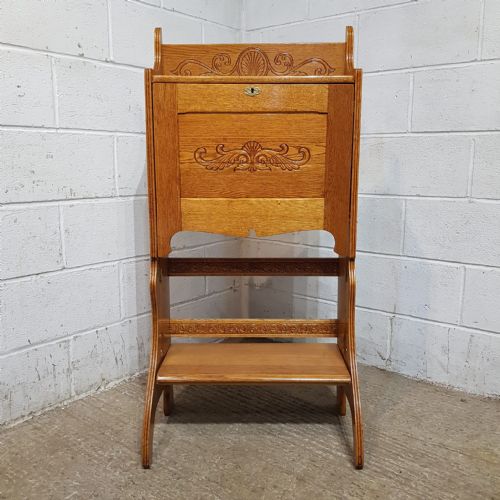
Edwardian oak examples and Arts and Crafts pieces represent the core of what appears for this search. These range from simple golden oak formats to specific designs like the Larkin bureau or walnut pieces influenced by earlier styles.
Assessing build and character
Quality reveals itself in the selection of timber and the preservation of original surfaces. Pieces retain distinction through intact brass handles, original leather writing tops, and uncompromised structural frames.
The sophistication of the internal stationery fittings and the crispness of any revival detailing separate standard production items from finer workshop output. Original paint finishes and clean proportions elevate the standing of individual examples.
Several items on this page come equipped with stationery cabinets designed to keep stray inkwells from rolling across the carpet.
Larkin
The Turn of Century Bureau Glossary
- Bureau
- A desk featuring a sloping hinged lid that opens to reveal internal pigeonholes and small drawers. This form provides a concealed workspace that folds away when not in use.
- Scumble
- A decorative paint technique applied to create simulated wood grain or mottled surface patterns. It appears frequently on pine pieces from the turn of the twentieth century.
- Cylinder desk
- A writing desk fitted with a rolling cylindrical wooden shutter that conceals the writing surface and interior compartments. This mechanism offers a smooth alternative to the traditional fold-down flap.
- Kneehole desk
- A freestanding writing table featuring a central recess for the user's legs, flanked by pedestals of small drawers. This layout became common for domestic and institutional writing tasks.
- Arts and Crafts
- A design movement prioritising traditional craftsmanship, visible construction, and simple forms over mass-produced ornamentation. Pieces from this tradition often utilise plain oak with minimal hardware.
Turn of Century Bureau: Frequently Asked Questions
What is a turn of century bureau?
A turn of century bureau is a desk from the decades bridging the nineteenth and twentieth centuries, typically constructed in oak, walnut, or mahogany. These pieces combine a writing surface with internal compartments for stationery.
They reflect the domestic and office requirements of the Victorian and Edwardian eras, often featuring drop fronts or cylinder mechanisms.
How do I identify an Edwardian bureau?
Edwardian bureaux are generally characterised by lighter golden oak timbers and restrained decorative detailing compared to heavier Victorian predecessors. They frequently date from around nineteen hundred.
Interior fittings often include small pigeonholes and linear drawers designed for correspondence and ledger storage.
Were these desks used in homes or offices?
These desks served both domestic studies and commercial offices depending on their scale and construction. Oak and walnut examples suited private libraries and reception rooms.
Clerks and professionals also utilised simpler pine or hardwood variants for daily administrative tasks and record keeping.
How should I care for a wooden bureau?
Maintenance involves keeping wooden surfaces away from direct heat sources and strong sunlight to prevent timber splitting or fading. Regular dusting with a dry cloth preserves the finish.
Leather writing inserts benefit from occasional cleaning suited to vintage hide, avoiding excessive moisture during upkeep.