



Turn of Century Art
Turn of century art brings together the inventive designs and fine craftsmanship of the late Victorian, Edwardian, and Art Nouveau periods.
Turn of Century Art
Turn of century art encompasses a diverse range of objects created around 1900, spanning decorative furnishings, fine paintings, and sculptural works. Pieces from this era often bridge traditional craft with the burgeoning stylistic shifts of Art Nouveau and the Arts and Crafts movement.
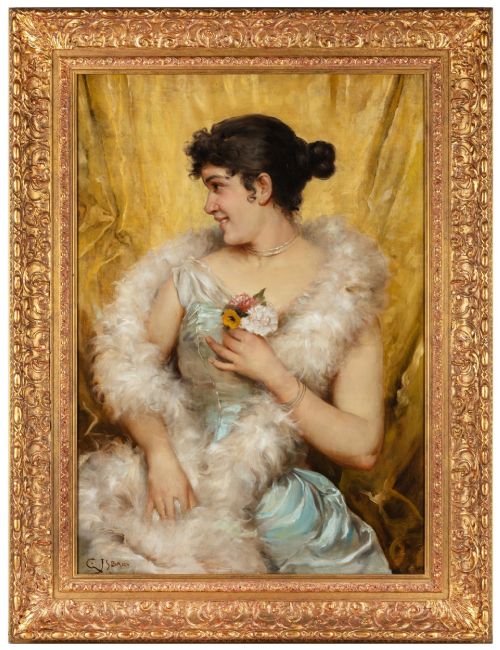
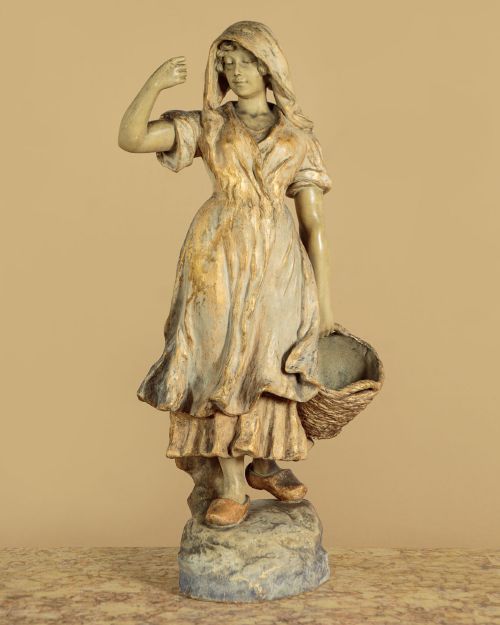
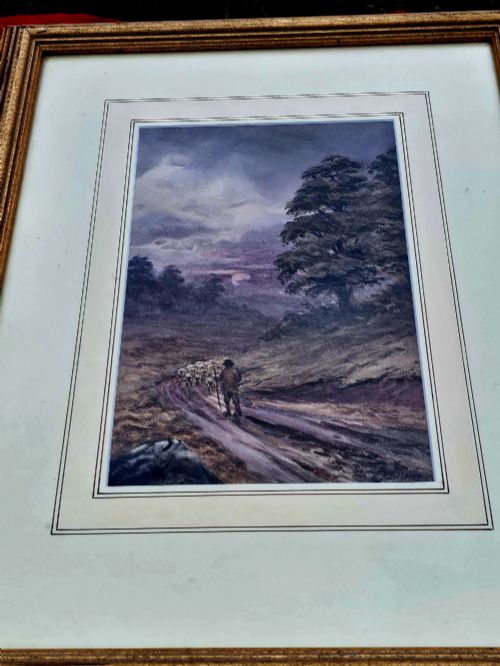
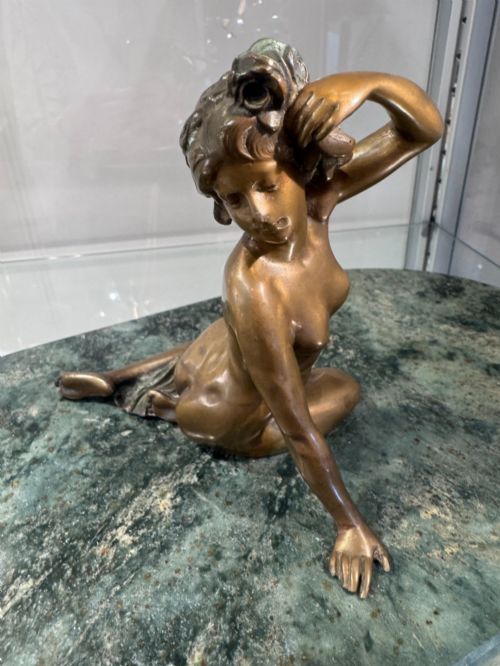
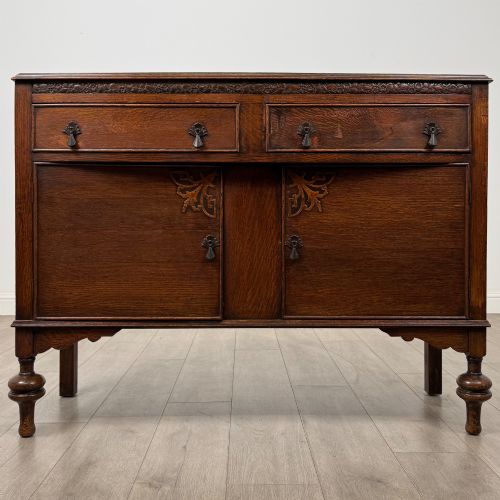
On this page, buyers will most frequently encounter items that reflect the aesthetic priorities of the period, including oak and beech furniture, bronze sculptures, and original oil or watercolour paintings. These works capture the transition from ornate nineteenth-century historicism toward cleaner, more organic forms.
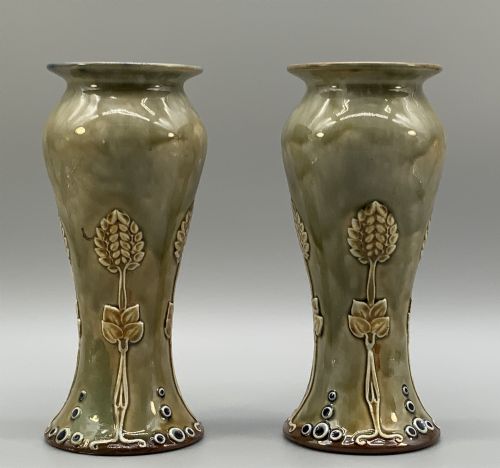
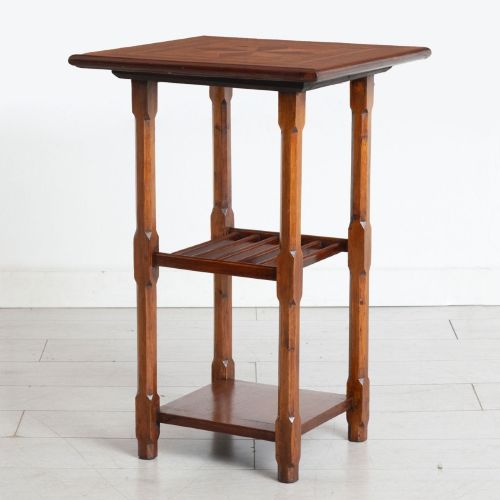
The selection ranges from domestic utilitarian objects like side tables and armchairs to expressive decorative works such as pottery vases and portrait paintings. Together, they demonstrate how makers of the era combined everyday utility with distinct artistic character.
Materials and construction methods
Makers of turn of century art utilised a combination of traditional woodworking techniques and emerging industrial methods, working extensively in woods such as oak, beech, ash, and sycamore. Furniture pieces often rely on exposed joinery, spindle backs, and rush seating that highlight the natural grain and structural honesty favoured by the Arts and Crafts movement.
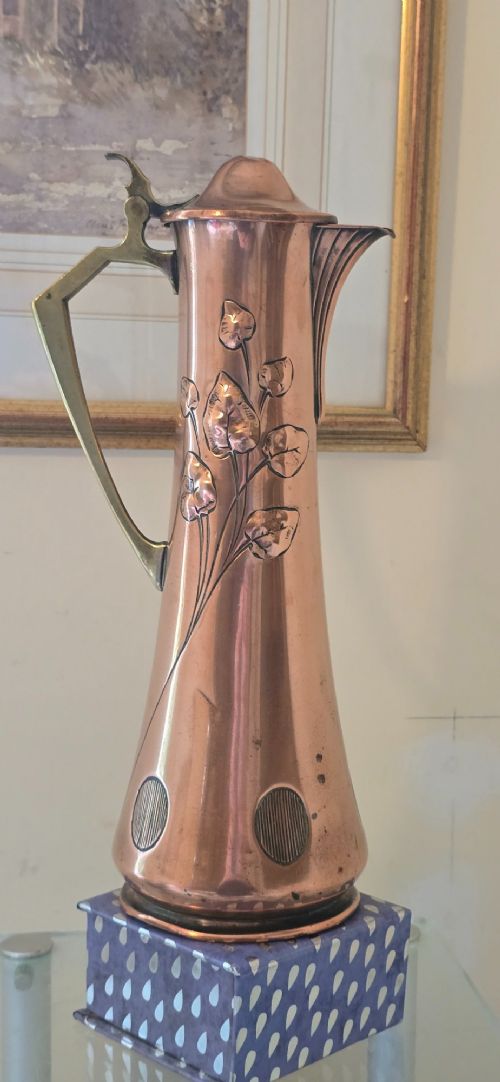
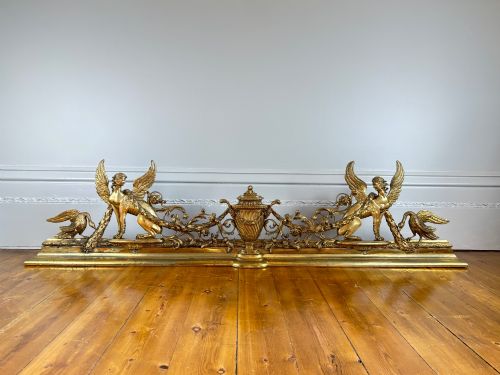
Metalwork and ceramics from the period display specialised handling, including bronze casting, copper relief work, and lustrous pottery glazes. Workshops employed techniques like patination, cloisonné, and applied floral motifs to achieve the fluid, organic lines characteristic of Art Nouveau design.
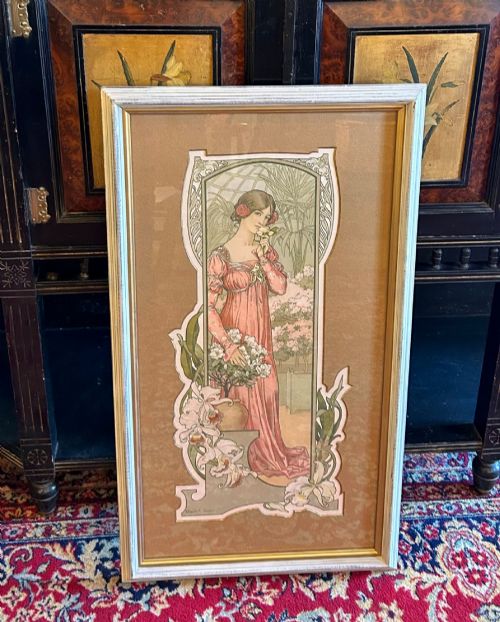
Works on paper and canvas utilise oil, watercolour, lithography, and charcoal, reflecting standard academic and impressionistic training of the era. The application of scumble paint or gilt bronze framing on select pieces further demonstrates the period's commitment to decorative surface texture.
Turn of Century Art Retail Price Guide 2026
Typical asking prices for turn of century art among the pieces listed under this phrase on Sellingantiques today, from the lower quarter to the upper quarter. They describe what is for sale here now, not the wider market.
Distinctions in quality
The quality of turn of century art depends heavily upon the fidelity of the maker's hand and the integrity of the materials utilised. Pieces produced by established firms or notable designers exhibit superior joinery, refined patination, and more intricate relief moulding compared to standard domestic items.
In painted and sculptural works, quality shows in the sensitivity of the modelling and the precision of the brushwork, distinguishing mass-produced decorative goods from pieces created with individual artistic intent. The retention of original surfaces, such as scumble paint or patinated bronze, preserves the authentic character intended by the maker.
Goldscheider·Royal Doulton Lambeth·Zsolnay Pecs·Morris & Co·Bretby Pottery
The Turn of Century Art Glossary
- Art Nouveau
- A style of decorative art characterised by flowing asymmetrical lines and motifs inspired by natural forms. It dominated international design around the turn of the twentieth century.
- Arts and Crafts
- A design movement advocating traditional craftsmanship using simple forms and medieval, romantic, or folk styles of decoration. It emphasised the importance of the artisan in the creation process.
- Treen
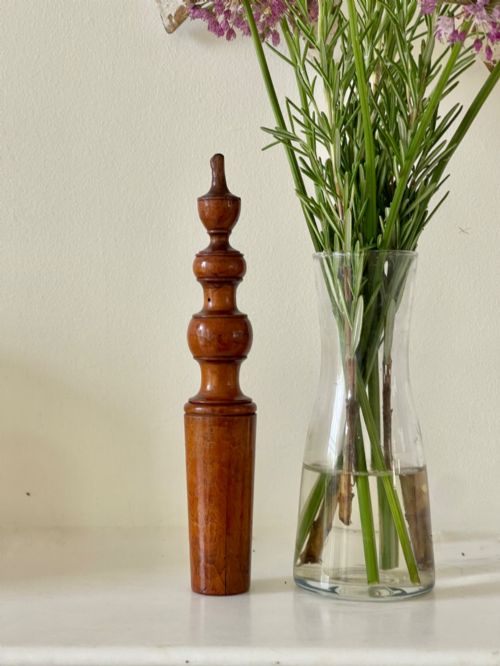
- Small handmade wooden objects produced before the widespread adoption of plastics. Common items include domestic utensils, toys, and games.
- Scumble paint
- A translucent or semi-opaque layer of paint applied over a base coat to create decorative graining or mottled texture. It was frequently used on pine furniture to simulate more expensive woods.
- Lithograph
- A printmaking process based on the antipathy of oil and water, allowing artists to produce multiple high-quality reproductions of a drawing. It gained popularity for fine art prints during the late nineteenth century.
Turn of Century Art: Frequently Asked Questions
What defines turn of century art?
Turn of century art refers to creative works and furnishings produced around 1900, capturing the shift from Victorian tastes toward Art Nouveau and Arts and Crafts ideals. It encompasses diverse mediums including bronze sculpture, pottery, painting, and handcrafted furniture.
These pieces reflect an era when makers experimented with organic forms, natural materials, and honest construction. The resulting objects balance decorative beauty with practical utility.
How do I identify Art Nouveau pieces?
Art Nouveau works are readily identified by their characteristic use of whiplash lines, floral motifs, and stylised depictions of nature. Look for asymmetrical designs and flowing contours across metalwork, ceramics, and illustration.
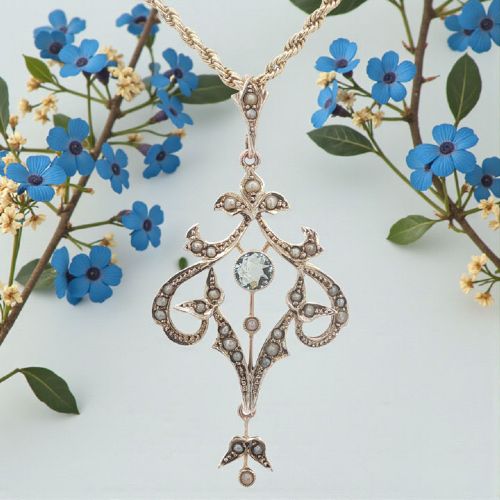
Many pieces also incorporate tactile elements like jewelled cabochons or relief copper work. This distinct aesthetic sets them apart from the stricter geometric forms of later decades.
How should I care for wooden furniture?
Wooden furniture from this period benefits from stable indoor humidity and protection from direct sunlight, which can dry out natural finishes and timber. Regular dusting with a soft, dry cloth helps maintain the surface.
Avoid commercial silicone sprays and harsh chemical cleaners that may damage original scumble paint or polished surfaces. Natural beeswax applied sparingly can nourish older wood.
Where were these decorative items made?
Objects from this era originated across Britain, continental Europe, and Scandinavia, with distinct regional styles emerging in places like Hungary, France, and Britain. Local materials and traditional crafts heavily influenced rural workshops.
Larger potteries and bronze foundries produced works for international markets, often exhibiting at major exhibitions. This created a rich exchange of design ideas across borders.