

Turkmen Wool Rug
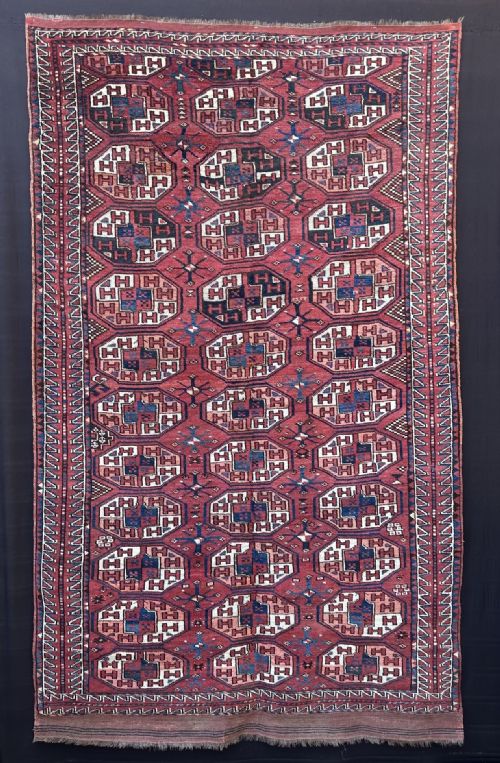
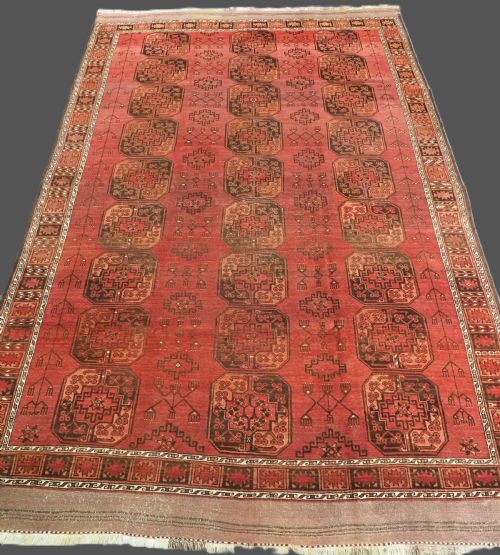
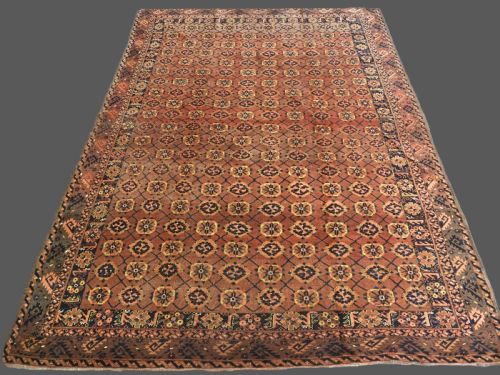
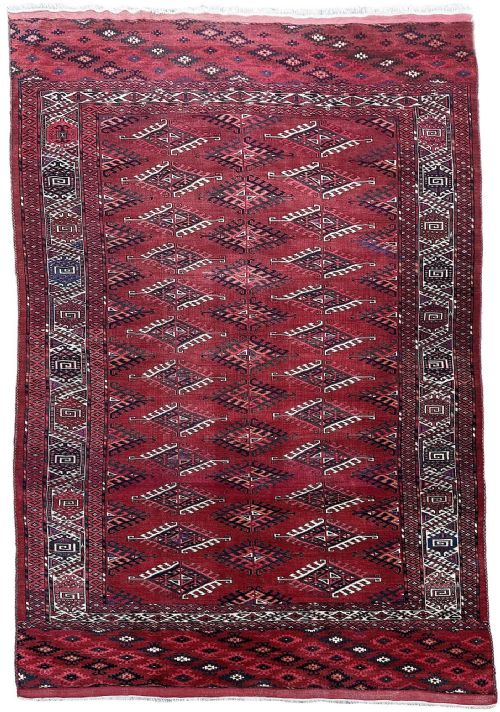
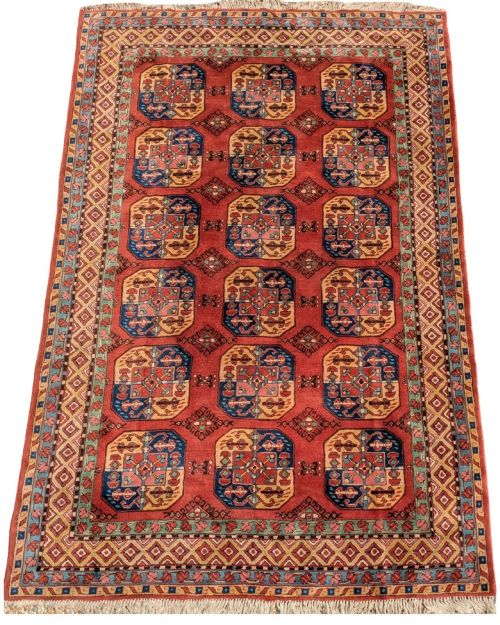
A turkmen wool rug brings rich Central Asian tribal history into a room through deep red tones and distinctive geometric gul patterns.
Turkmen Wool Rug
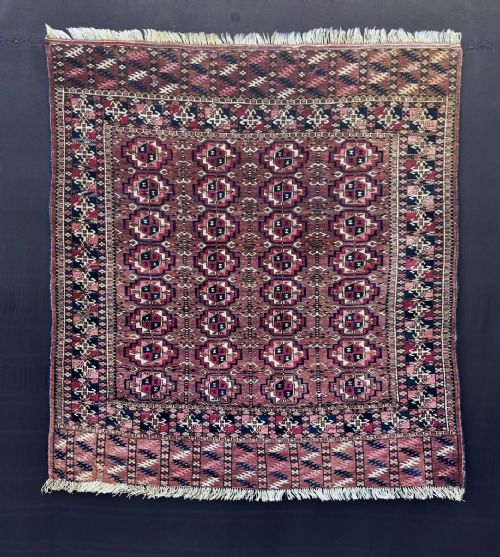
A turkmen wool rug encompasses traditional floor coverings, main carpets, and smaller tribal weavings originating from Central Asia across the nineteenth and early twentieth centuries. These textile works reflect the distinct heritage of tribal groups such as the Tekke, Yomut, Ersari, and Saryk.
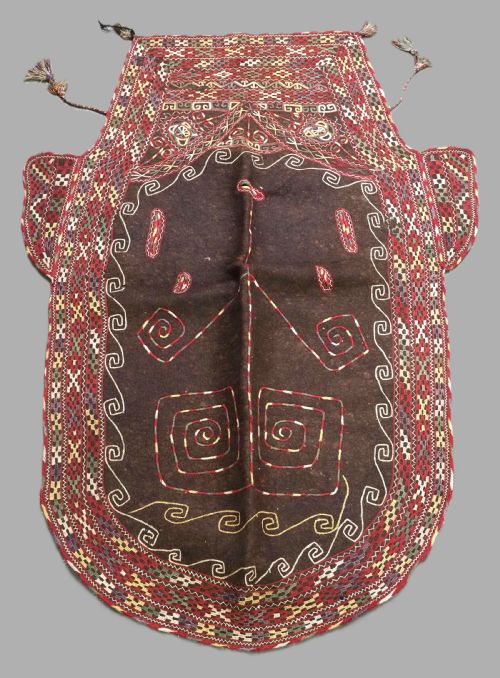
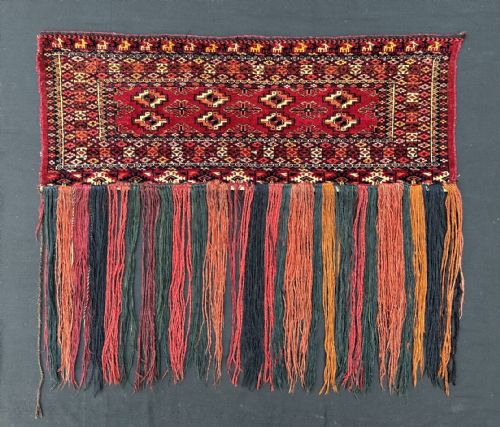
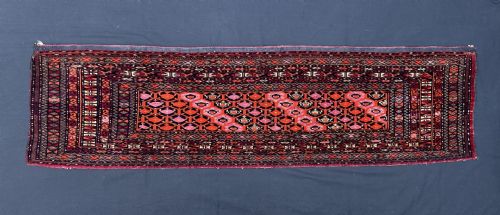
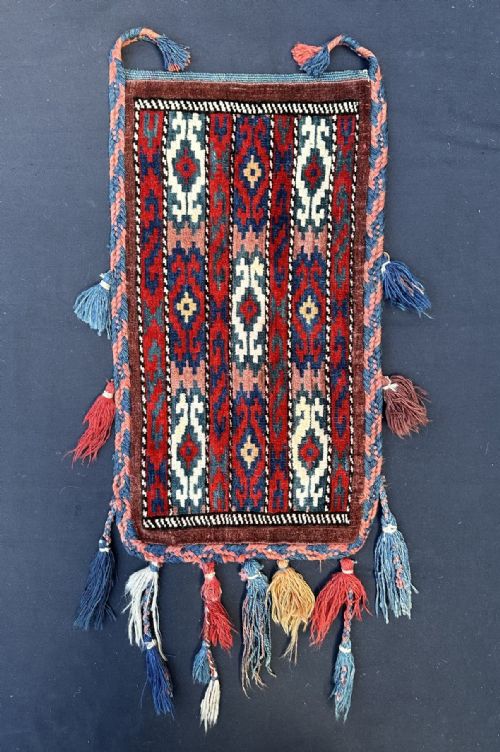
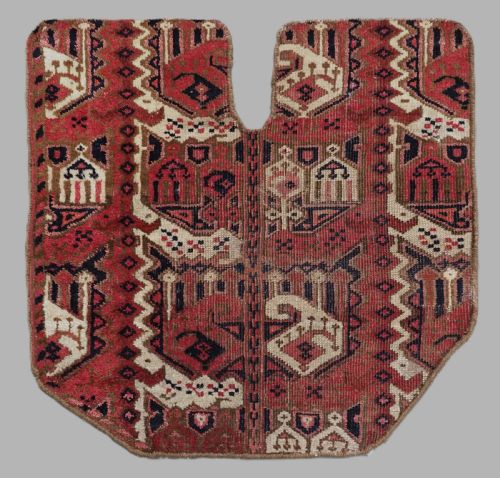
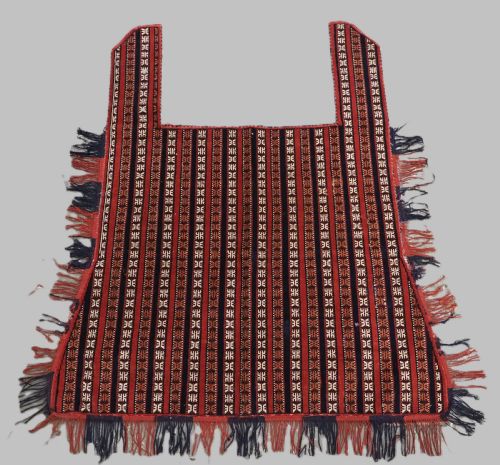
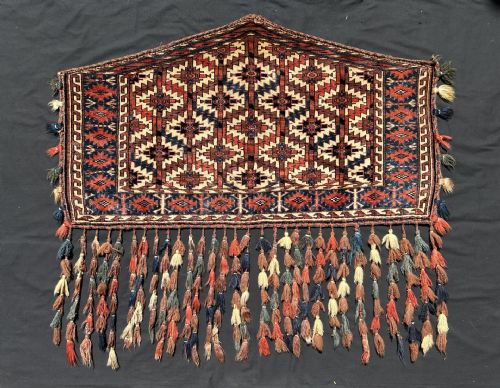
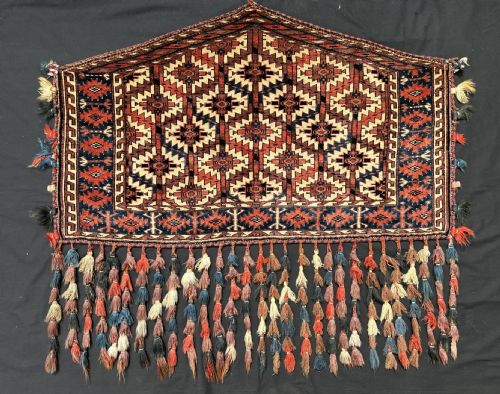
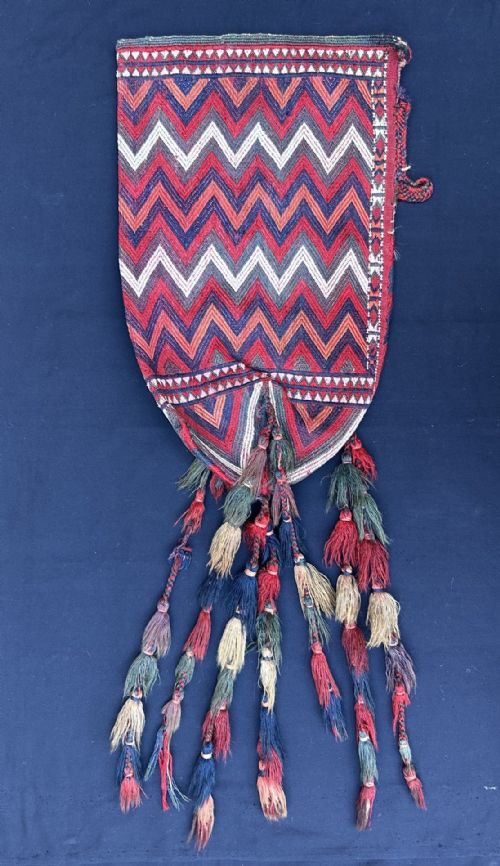
The category extends beyond standard floor carpets to include utilitarian and ceremonial objects like asmalyks, torbas, chuvals, and saddle covers. Examples range from compact tent bags to substantial room-sized carpets woven for tribal use or dowry purposes.
How they were made
Weavers utilised hand-spun wool for the pile, combining it with cotton or wool foundations to provide structural stability and durability. Natural dyes produced the characteristic deep reds, browns, and contrasting accents seen across the pieces.
Certain ceremonial pieces incorporated felted wool or detailed embroidery using silk thread and cotton thread. These varied techniques supported both heavy domestic use on the steppe and decorative display inside tribal tents.
Turkmen Wool Rug Retail Price Guide 2026
Typical asking prices for turkmen wool rug among the pieces listed under this phrase on Sellingantiques today, from the lower quarter to the upper quarter. They describe what is for sale here now, not the wider market.
The selection includes pieces dated from the mid-nineteenth century through the early twentieth century, utilising wool, cotton, and natural dyes.
What varies in quality
Quality depends heavily on the fineness of the weave and the handle of the wool, with softer, glossier piles indicating superior material selection. Tighter knotting allows complex gul motifs to appear sharper and more defined across the surface.
The depth and preservation of natural dye colours dictate visual impact, distinguishing standard utility pieces from exceptional dowry examples. The integrity of original finishes, such as tassels and plain weave backs, adds to the overall merit of a textile.
Tekke Tribe·Yomut Tribe·Ersari Tribe·Saryk Tribe·Kizyl Ayak Tribe
The Turkmen Wool Rug Glossary
- Gul
- A primary medallion motif repeated across the field of a carpet, often identifying the specific tribe that made the piece. These octagonal or polygonal designs form the visual anchor of the composition.
- Torba
- A small utilitarian bag used inside nomadic tents for storage, typically featuring a highly decorated face and a plain weave back. Collectors prize these smaller formats for their concentrated tribal designs.
- Chuval
- A large tent bag utilised for storing household goods, measuring wider than it is tall. They frequently display multiple rows of guls.
- Asmalyk
- A pentagonal or polygon-shaped trapping created for camel ornamentation during wedding processions. These ceremonial hangings represent some of the most elaborate tribal weaving.
- Engsi
- A tent door hanging designed to cover the entrance of a yurt, characterised by a cross-panel layout dividing the field. They served both protective and symbolic functions in nomadic life.
Turkmen Wool Rug: Frequently Asked Questions
How do I identify a Tekke rug?
Tekke pieces typically feature orderly rows of octagonal guls accompanied by precise secondary motifs and deep madder red tones.
They often exhibit a finer weave and a softer pile compared to pieces made by other regional groups.
What were tent bags used for?
Nomadic families used storage bags like torbas and chuvals inside tents to organise household goods and bedding off the damp ground.
These functional items allowed weavers to display their finest patterns within a domestic setting.
How do I care for a wool rug?
Protect the textile by vacuuming gently without a rotating brush bar and keeping it out of direct sunlight.
Professional cleaning suited for antique natural-dyed wool helps preserve the integrity of the fibres.
What is a dowry rug?
A dowry piece was woven by a bride or her family as part of her marriage possessions, representing significant cultural value.
These examples frequently show exceptional care in material selection and dyeing.