


Turkish Wool Area Rug
A turkish wool area rug brings centuries of Anatolian weaving tradition into a room through rich natural textures and geometric or floral motifs.
Turkish Wool Area Rug
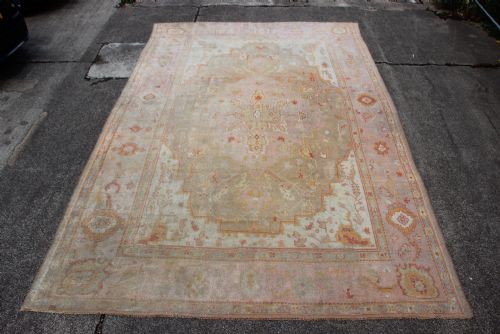
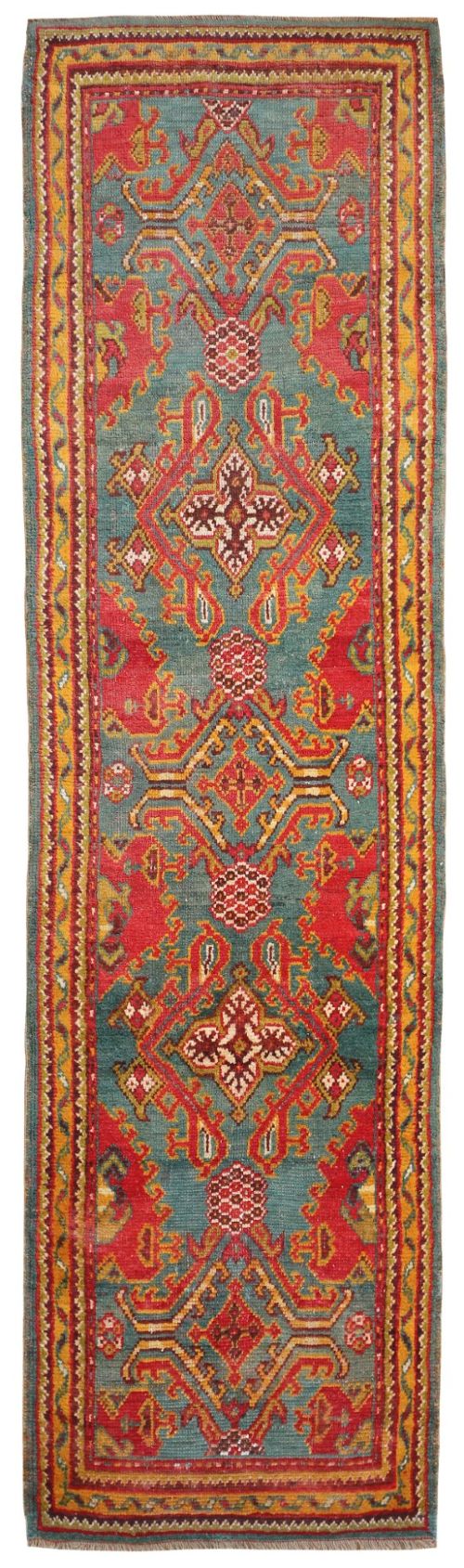
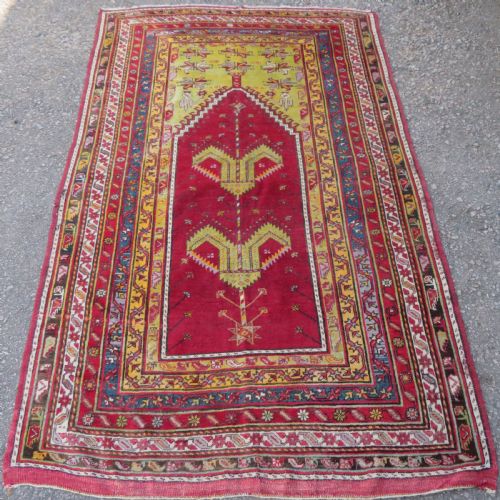
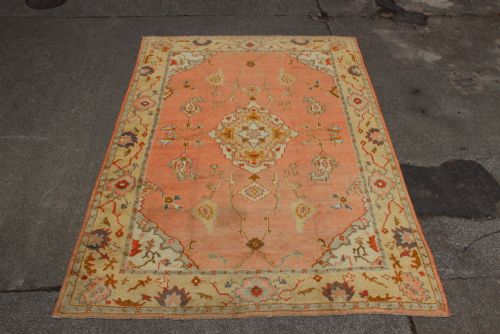
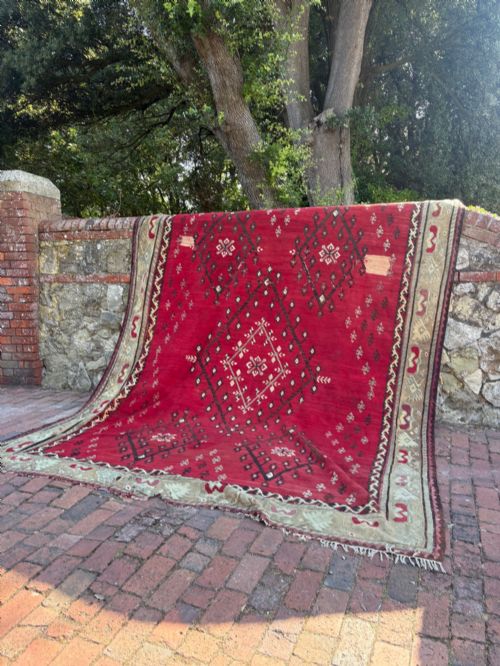
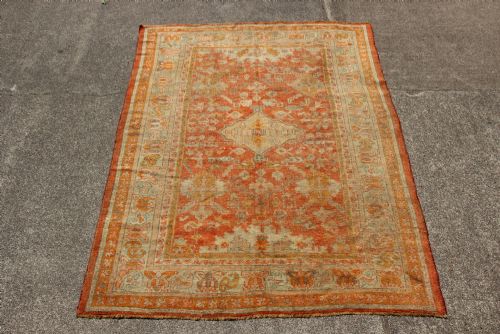
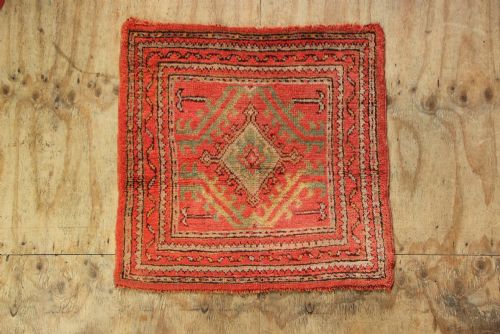
A turkish wool area rug spans various formats from small prayer mats and runners to grand carpets originating from centres such as Oushak, Bergama, and Kirsehir. These floor coverings emerge from distinct regional traditions, encompassing village productions alongside formal town workshop pieces.
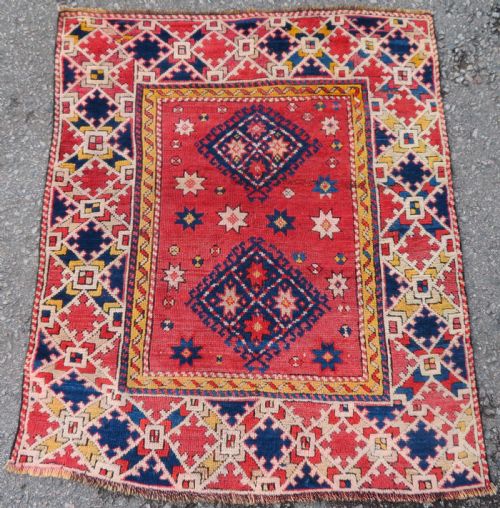
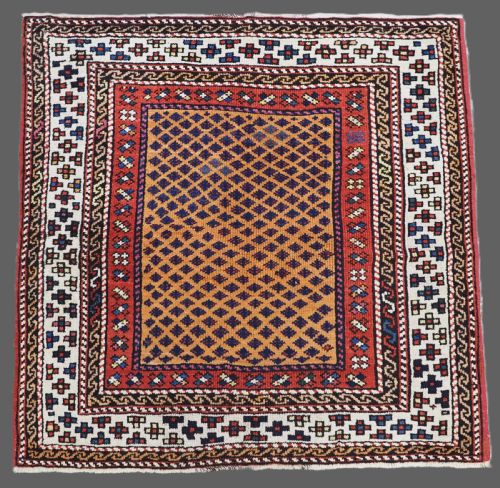
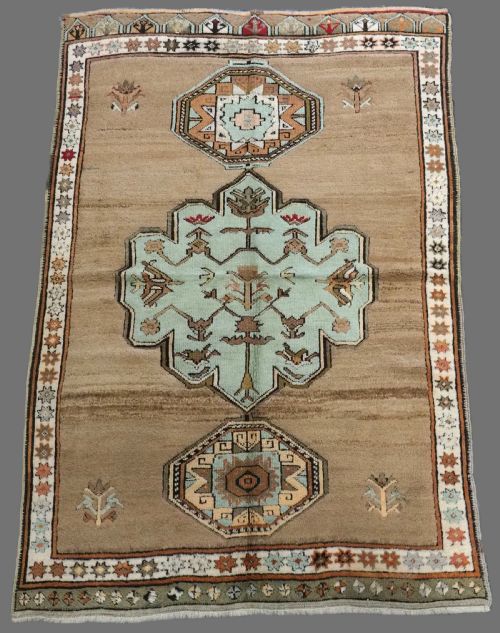
The stylistic vocabulary draws upon Ottoman and Anatolian tribal designs, displaying characteristic medallions, lattice patterns, and symbolic prayer niches. Each piece reflects the specific weaving heritage of its particular district.
Materials and construction
The foundation and pile rely predominantly on wool, cotton, camel wool, angora wool, and hand-spun wool fibres dyed with traditional colourants. Weavers knotted these materials tightly onto warps to create durable floor coverings designed for longevity.
Techniques combine knotted-pile construction with flatweave kilim methods, particularly in pieces originating from village workshops and nomadic tribal groups. Hand-spun yarns impart subtle irregularities in texture and tone across the surface of the textile.
The inventory spans production dates from the eighteenth century through the 1930s.
Quality and character
Visual distinction rests in the handling of colour, where soft vegetable dyes and unusual ground hues such as pink or green elevate a composition. The nuance of the wool preparation directly influences how light plays across the pile.
Structural integrity and the precision of the tribal or floral design define the upper tier of examples. Wear patterns and historical repairs tell the narrative of the textile, distinguishing daily utility from decorative mastery.
The Turkish Wool Area Rug Glossary
- Prayer rug
- A small textile featuring a mihrab or niche design used historically for daily Islamic prayers. These pieces often direct the eye toward a central focal point.
- Kilim
- A flatweave carpet produced without a pile by tightly interweaving warp and weft strands. This technique creates a lighter, reversible textile with sharp geometric patterns.
- Oushak
- A renowned weaving centre in western Anatolia famous for large-scale carpets with silky wool and expansive floral designs. These rugs traditionally employ a relaxed, monumental aesthetic.
- Mihrab
- The arched architectural motif represented on prayer rugs to signify the direction of Mecca. Weavers position this niche to guide the user during devotions.
- Warp
- The vertical threads stretched tightly on the loom that form the structural skeleton of the rug. The exposed ends often terminate in visible fringes.
Turkish Wool Area Rug: Frequently Asked Questions
How do I care for my rug?
Vacuum gently without using a rotating brush roll to protect the antique fibres and knots. Professional cleaning by specialists familiar with historic textiles is essential.
Rotate the rug periodically to ensure even wear from foot traffic and sunlight exposure. Placing a quality underlay beneath prevents slipping and cushions the foundation against hard floors.
Where were these rugs made?
Production centres span various regions across Anatolia, including towns like Ushak, Bergama, Kirsehir, and Konya. Each area developed distinct palettes and geometric or floral vocabularies.
Village weavers and nomadic tribes also produced pieces independently, incorporating local motifs into runner formats and square area rugs. This regional diversity defines the broader scope of Turkish weaving.
How do I date a piece?
Examining the wool quality, dye palette, and structural weave helps establish the chronological period. Nineteenth-century examples often display softer, hand-spun wool and muted vegetable dyes.
Stylistic shifts between tribal village patterns and later workshop designs offer further clues for age estimation. Structural wear and the character of the foundation threads also assist in determining the era of manufacture.
Are these rugs suitable for daily use?
Historic wool and cotton textiles possess remarkable durability built for continuous domestic placement. Placing them in moderate traffic areas allows the sturdy pile to withstand daily living.
Using a proper rug pad reduces friction against the floorboards and preserves the structural integrity. Over time, the wool softens further while maintaining its foundational strength.