





Multicoloured Turkish Rug
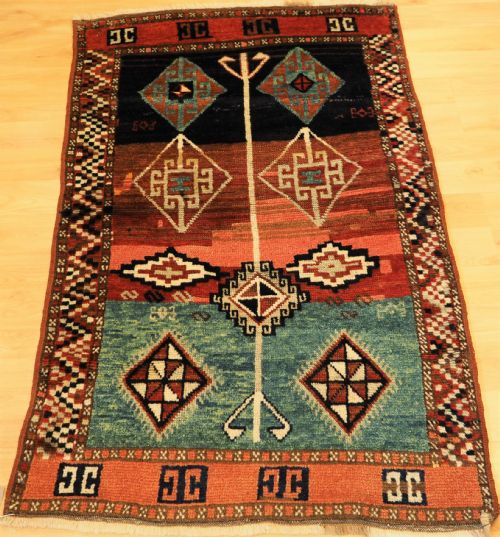
A multicoloured turkish rug brings vibrant regional character and geometric pattern directly to a floor.
Multicoloured Turkish Rug
When you search for a multicoloured turkish rug, you encounter traditional flat weaves and pile carpets originating from Anatolian regions such as Konya, Malatya, and Bergama. These pieces span from the late nineteenth century into the early decades of the twentieth century, reflecting the distinct aesthetics of village and tribal makers.
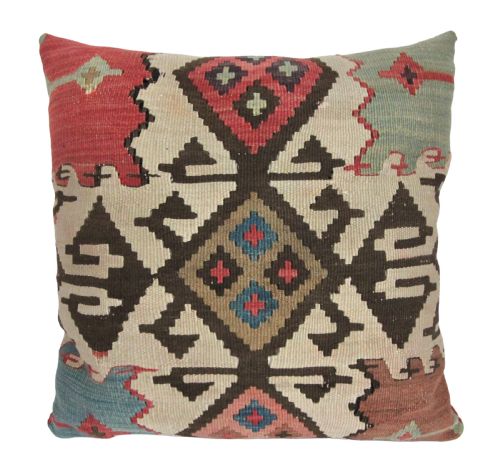
The selection here includes regional kilims woven in single or multiple parts, decorative cushions adapted from larger textiles, and small village rugs. Designs range from bold geometric village patterns to intricate prayer layouts and nomadic tribal motifs.
How they were made
Weavers constructed these textiles using durable wool and cotton fibres, employing traditional flat weave techniques for kilims and knotted pile methods for rugs. Many regional pieces, such as those from the Bergama region, were woven in two separate parts and joined together down the centre.
The distinctive palette relies on saturated natural dyes that produce rich multicoloured surfaces across tribal and traditional motifs.
Some resilient village kilims were woven in two separate halves simply to fit the narrow vertical span of a nomadic loom.
What varies in quality
Quality rests in the vibrancy and preservation of the multicoloured palette, alongside the tightness of the weave and the clarity of the regional design. Finer examples display balanced proportions, sophisticated tribal geometry, and intact structural edges.
The distinction between standard village pieces and exceptional tribal works lies in the complexity of the composition and the depth of the wool work, which dictates how the textile ages on the floor.
The Multicoloured Turkish Rug Glossary
- Kilim
- A flat weave textile produced without a pile, common throughout Anatolian weaving traditions. These pieces rely on interlocking weft threads to create sharp geometric patterns.
- Yuruk
- A term describing rugs made by nomadic or formerly nomadic tribal groups in Anatolia. These pieces typically feature bold, rustic wool work and striking tribal motifs.
- Prayer rug
- A small carpet featuring a mihrab or niche design at one end, traditionally used for personal prayer. Sivrihisar region examples often follow this specific layout.
- Flat weave
- A construction method where the design is created by weaving the warp and weft threads together tightly rather than knotting tufts of pile. This technique produces a thin, durable textile suitable for diverse interior uses.
Multicoloured Turkish Rug: Frequently Asked Questions
Where were these rugs made?
These textiles originate from various Anatolian regions and villages across Turkey, including Konya, Malatya, Bergama, and Afyon.
Different districts developed distinct weaving traditions, regional colour palettes, and specific geometric motifs that identify the origin of each piece.
What is the difference between a kilim and a rug?
A kilim is a flat weave textile produced without a pile, resulting in a lighter and thinner fabric with visible pattern outlines on both sides. A traditional rug incorporates a knotted pile surface that stands upright from the foundation.
Both forms utilise wool and cotton materials, but their physical structure and underfoot feel differ entirely.
How do I care for an antique rug?
Protect the textile by placing a suitable underlay beneath it to prevent slipping and reduce friction against hard flooring. Regular gentle vacuuming without a rotating brush roll helps remove embedded dust.
Rotate the piece periodically to ensure even wear from foot traffic and sunlight exposure.
Can I use these textiles as wall art?
Many flat weave kilims and smaller carpets are light enough to hang securely on a wall using appropriate non-damaging mounting methods. Displaying a textile vertically protects it from heavy foot traffic while showcasing the full pattern.
Ensure the hanging weight is distributed evenly across the textile to avoid stressing the wool and cotton foundation.