
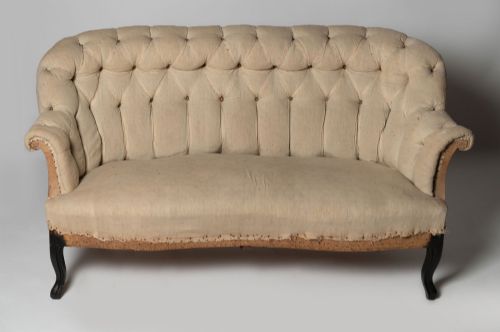
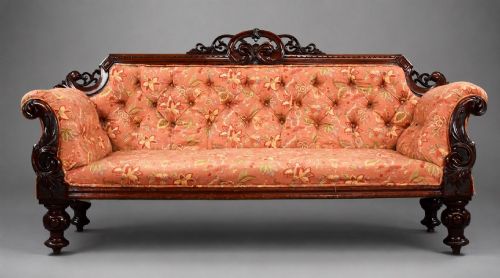
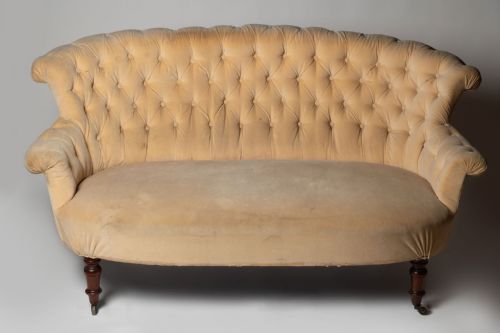
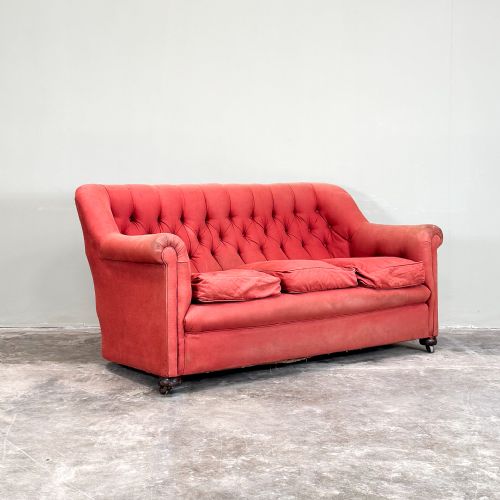
Tufted Back Settee
A tufted back settee offers deep upholstery and buttoning that creates comfort and structure in any room.
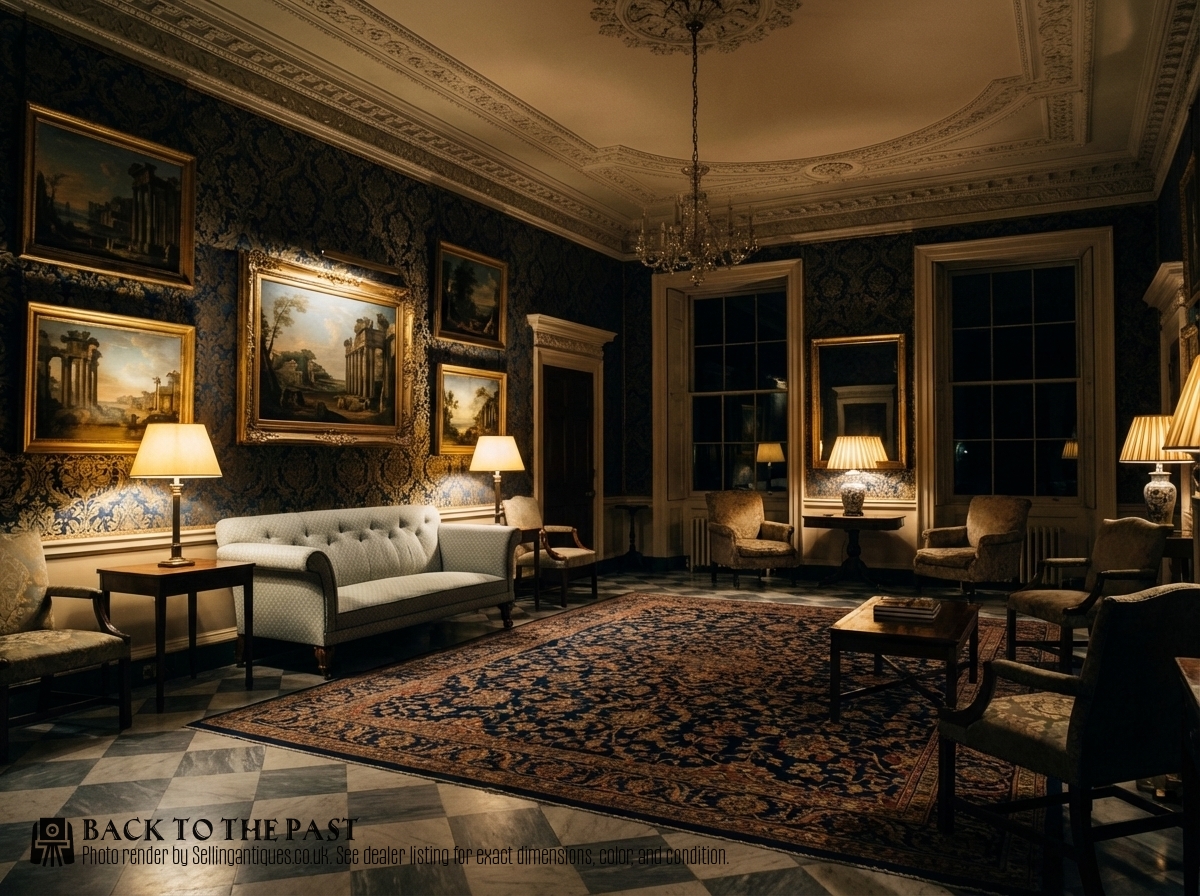
Tufted Back Settee
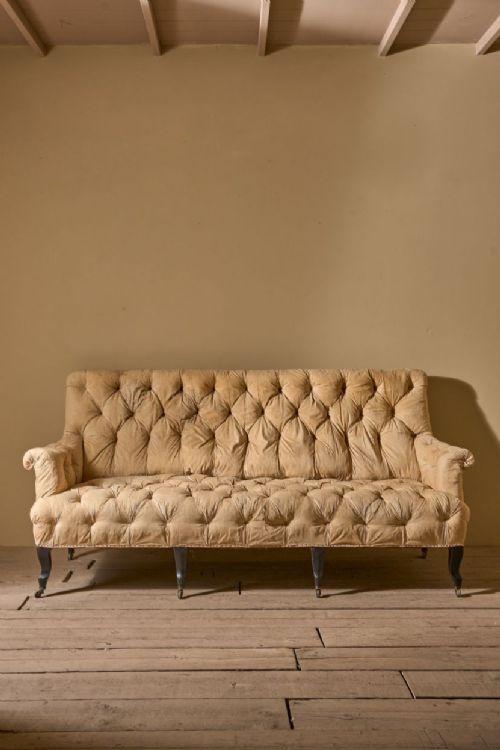
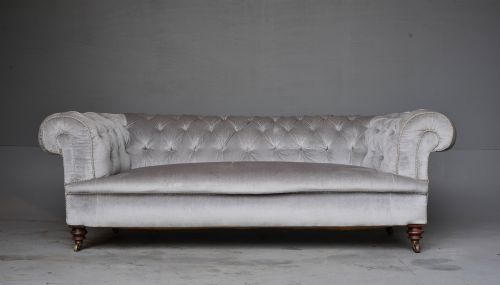
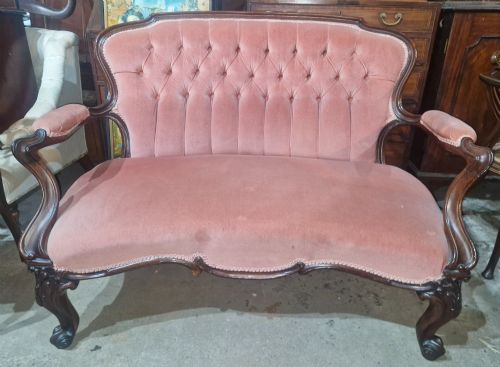
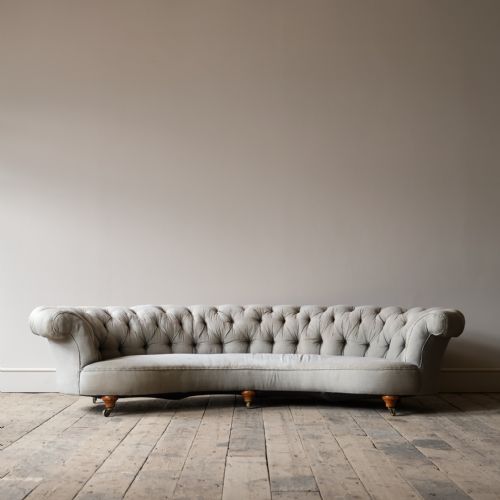
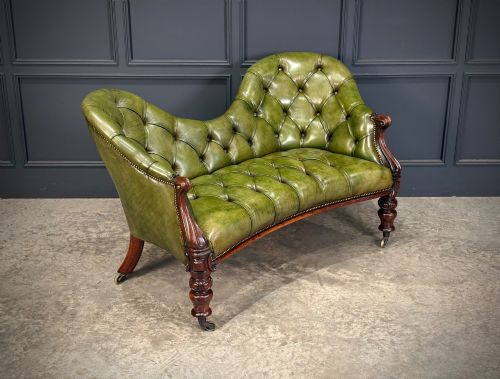
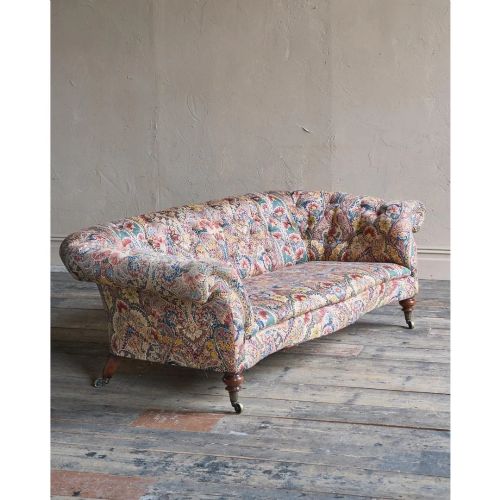
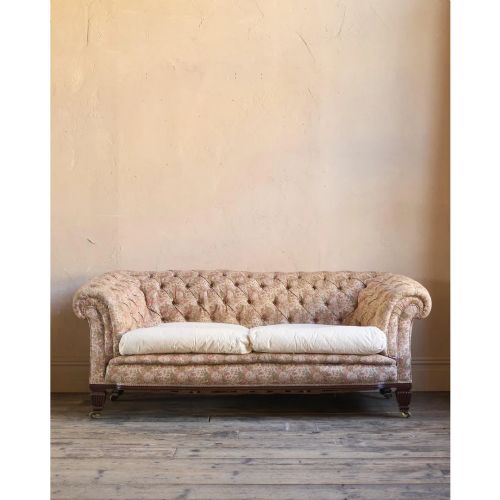
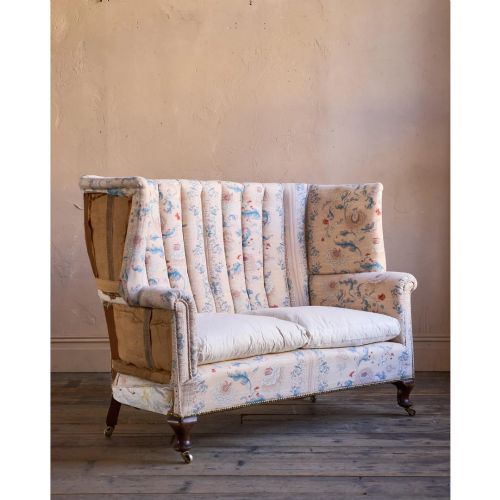
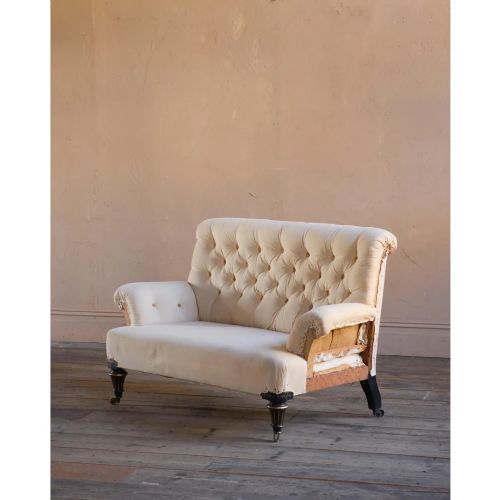
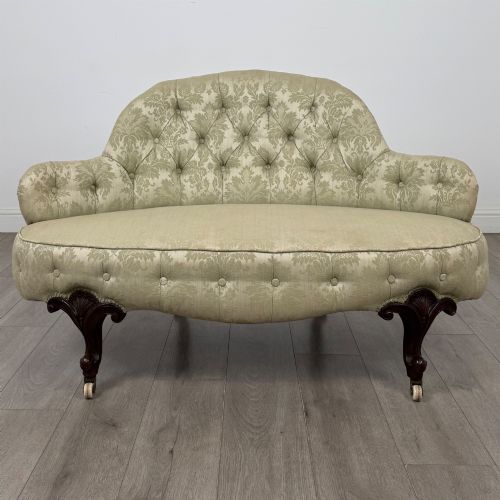
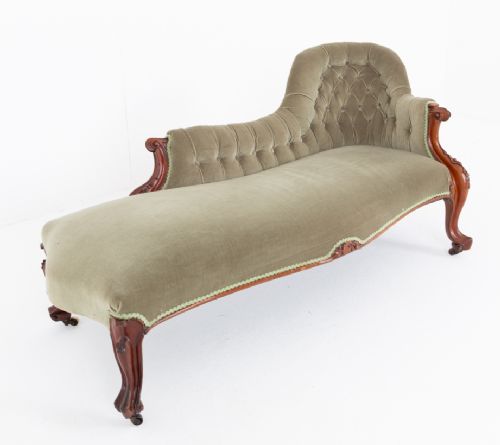
A tufted back settee provides deep seating framed in timber or rosewood. Buyers searching for a tufted back settee encounter nineteenth-century pieces alongside Victorian and Edwardian examples. These seating forms span Chesterfields, window seats, and chaise longues.
The nineteenth century dominates the available selection, featuring buttoned leather and upholstered frames. Walnut and mahogany feature frequently in the structural woodwork. Pieces range from large country house sofas to smaller boudoir seating.
Victorian variations include double spoon-back designs and low-slung lounging furniture. Later examples extend into the nineteen-thirties with deep seated sofa forms. Each iteration relies on buttoning to secure the interior stuffing.
How they were made
Frames rely on sturdy timbers such as mahogany, walnut, and rosewood. Craftsmen carved these woods to form exposed structural rails and legs. Brass hardware and decorative trims sometimes finish the framework.
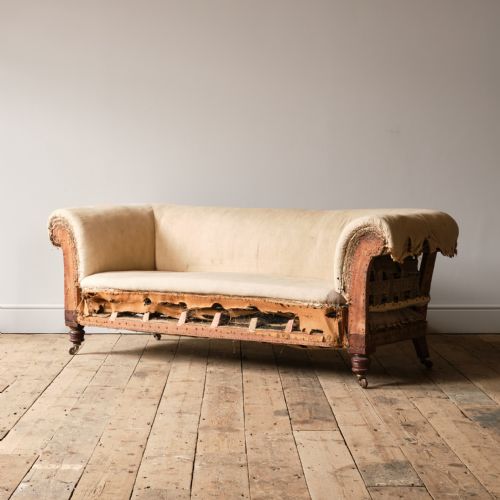
Upholstery combines traditional stuffing with leather or velvet coverings. Deep buttoning secures the internal padding through the fabric to the backing. Tassel trim and hand-dyed finishes complete the surface work.
Pub benches arrive ready for snooker halls.
What varies in quality
The integrity of the internal stuffing and the tightness of the buttoning determine structural longevity. High quality examples maintain firm tension across the buttoned surface without sagging. Inferior seating shows loose tufting and worn interior padding.
Woodwork execution separates standard production from finer cabinetmaking. Carved rosewood and walnut frames display crisp detailing rather than soft edges. The quality of the leather or velvet covering also dictates the overall finish.
Howard and Sons·Jackson and Graham·Holland and Sons·Hampton and Sons·Gillows
The Tufted Back Settee Glossary
- Chaise longue
- An upholstered long chair designed for reclining. It combines a chair with an extended seat for one person.
- Buttoning
- A technique where twine is pulled through padding and secured with buttons to create depressions. This process anchors the internal stuffing firmly in place.
- Spoon-back
- A chair or sofa back shaped like the bowl of a spoon. It offers a curved padded surface that follows the contours of the body.
- Fluted wingback
- A seating form featuring upholstered wings attached to the back. Fluting adds vertical grooved decoration to the wooden or fabric components.
Tufted Back Settee: Frequently Asked Questions
What is a tufted back settee?
A tufted back settee is an upholstered seating piece featuring buttoned upholstery across the backrest. The technique secures the padding while creating a patterned surface.
These pieces range from Victorian Chesterfields to French styles in leather and velvet.
How were these settees used?
They served as formal seating in nineteenth-century reception rooms and libraries. Their padded construction provided comfortable lounging for reading or socialising.
Larger versions accommodated multiple guests while smaller boudoir seats offered private rest.
How do I live with antique leather?
Antique leather requires consistent conditioning to prevent the hide from drying out. Placing pieces away from direct heat sources preserves the natural material.
Normal daily use develops a rich patina over time without harming the underlying structure.
How do I date a settee?
Dating relies on examining the timber frame, upholstery style, and construction methods. Victorian pieces often feature walnut or rosewood with heavy buttoning.
Later Edwardian and nineteen-thirties examples introduce simpler lines and different upholstery depths.