


Patterned Fabric Couch
Patterned fabric couch designs bring character and traditional comfort to a room, ranging from grand Victorian Chesterfields to intimate drop-arm settees.
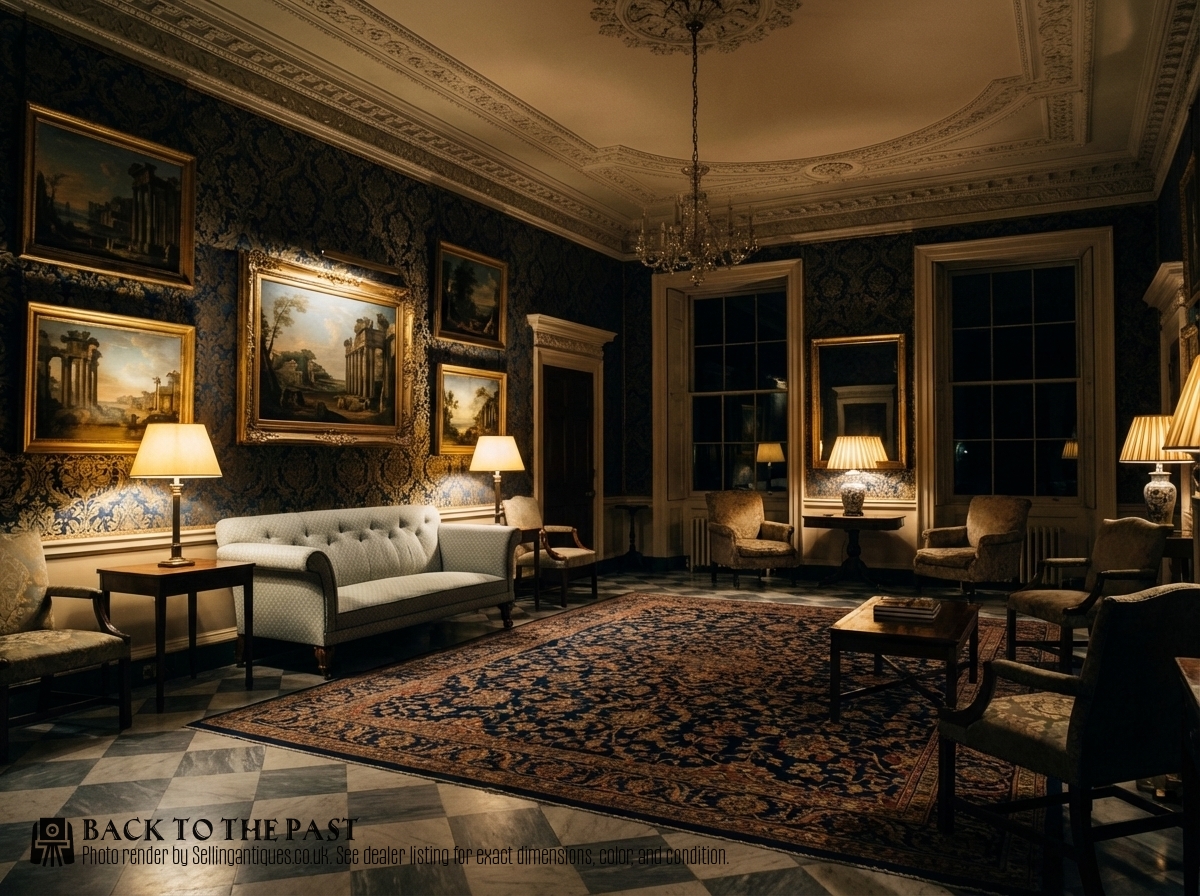
Patterned Fabric Couch
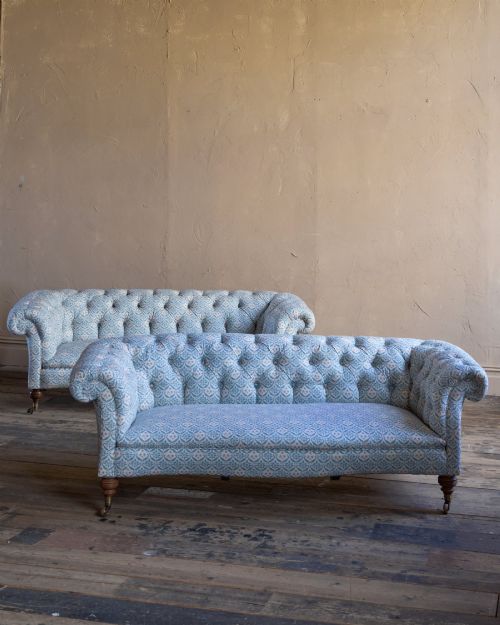
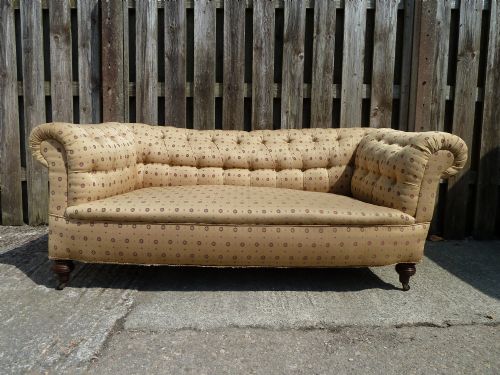
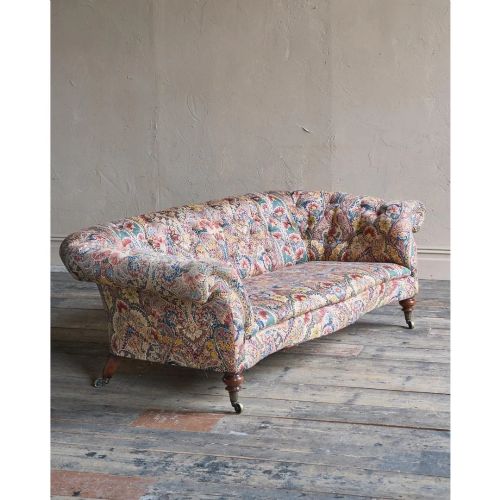
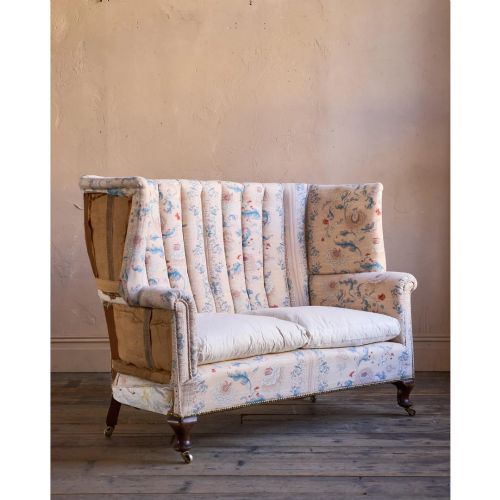
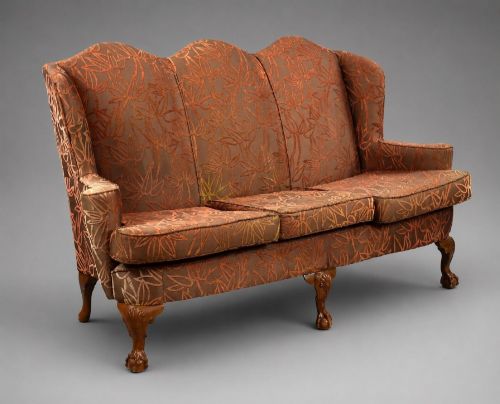
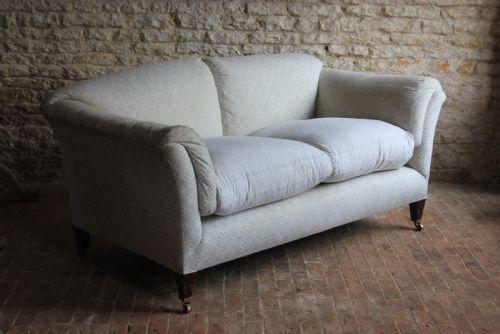
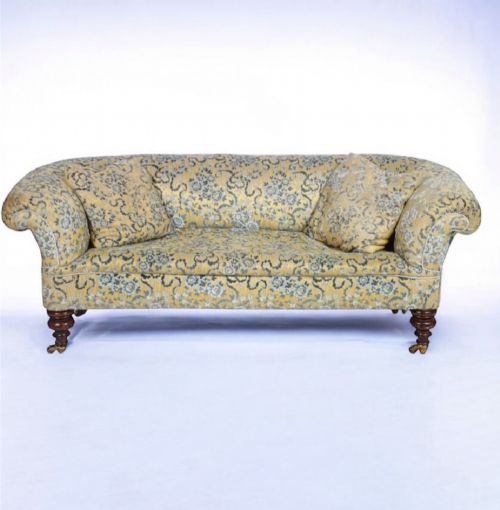
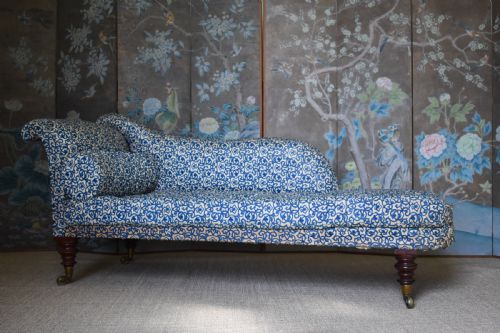
A patterned fabric couch encompasses a diverse group of seating forms from the eighteenth century through to the early twentieth century. You will encounter formal Chesterfield sofas, elegant chaise longues, and comfortable three-seat frames upholstered in traditional textiles.
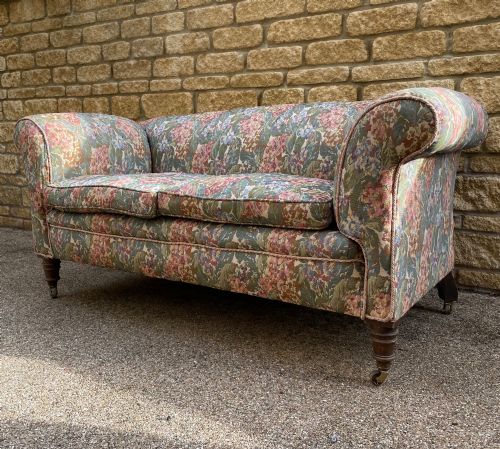
The nineteenth-century pieces dominate the selection, bringing substantial walnut, mahogany, and timber frames together with vibrant floral and patterned upholstery. These seating options range from button-backed canapés to deep drop-end designs intended for relaxed reclining.
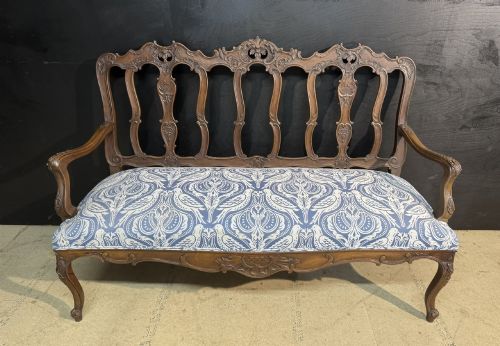
Examples span from early walnut settees bearing Queen Anne influence to later Edwardian and 1930s creations covered in designer fabrics. Whether you seek a library sofa with lyre-shaped supports or a day bed on original castors, the selection prioritises classic British craftsmanship.
Materials and construction methods
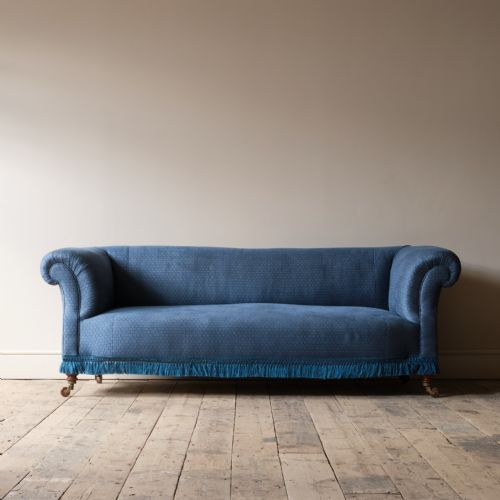
Makers built these frames using sturdy timbers such as walnut and mahogany, supported by turned legs and brass castors. Traditional joinery ensures the underlying structure remains robust beneath layers of stuffing and supportive webbing.
Upholstery forms the visual heart of each patterned fabric couch, utilising durable cotton and specialist woven textiles. Makers finished these surfaces with hand-applied details including buttoning, ticking, and elaborate patterned fabrics sourced from notable textile houses.
Some nineteenth-century couches still hide original maker stamps tucked deep beneath their calico ticking.
Distinctions in construction and finish
The distinction between standard production and exceptional work lies in the integrity of the timber frame and the sophistication of the upholstery. Superior pieces retain original castors, sound internal webbing, and meticulously matched patterned fabric across every cushion and arm.
Makers known for exemplary seating proportions and hidden craftsmanship elevate certain pieces above anonymous workshop alternatives. Attention to detail in the turning of the walnut legs and the precision of the upholstery stitching define the upper tier of these couches.
Howard and Sons·Hampton and Sons
The Patterned Fabric Couch Glossary
- Chesterfield
- A traditional sofa style characterised by deep buttoning, rolled arms, and a back of the same height as the arms. This design has remained a staple of British interior seating for generations.
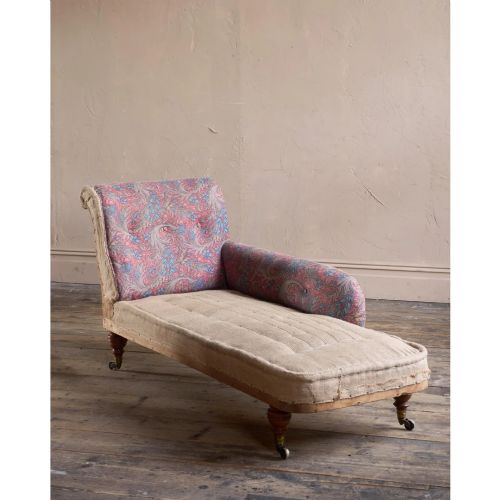
- Chaise Longue
- An upholstered long chair intended for reclining, combining the backrest of a sofa with the seat length of a day bed. These pieces often feature an elevated headrest at one end.
- Drop Arm
- A movable sofa arm mechanism that can be lowered to transform the seating area into a day bed. This clever engineering offers versatile lounging options within a compact frame.
- Knowle Sofa
- A distinct historical sofa type featuring high, adjustable hinged arms tied back with decorative braids. It was originally designed to prevent drafts in stately English country houses.
- Canapé
- An ornamental eighteenth-century style settee with an exposed wooden frame and upholstered back and seat. These decorative forms often display refined carving along the mahogany or walnut rails.
Patterned Fabric Couch: Frequently Asked Questions
How do I identify a Queen Anne style sofa?
Queen Anne style seating is distinguished by smooth walnut frames, understated curves, and characteristic cabriole legs. These pieces avoid heavy ornamentation, favouring clean lines that highlight the warmth of the timber.
Upholstery on these sofas tends to be tailored closely to the frame rather than heavily buttoned. This restrained aesthetic creates a lighter visual footprint compared to later Victorian designs.
Where should I place a chaise longue?
A chaise longue suits bright reception rooms, spacious bedrooms, or quiet reading corners where it can function as a standalone statement piece. Its elongated seat invites resting without dominating the room's central floor space.
Positioning the piece perpendicular to a window allows natural light to catch the patterned fabric. Ensure there is adequate clearance around the raised headrest to appreciate the carved timber details.
How do I care for antique upholstery?
Protect antique patterned fabric by keeping the couch away from direct sunlight, which causes historical cottons and woven textiles to fade. Regular gentle vacuuming with a soft brush attachment removes dust before it settles into the fibres.
Professional cleaning is recommended for delicate textiles to preserve the original structure of the stuffing. Avoid harsh chemical spot treatments that may damage the surrounding timber frame or brass castors.