



Tudor Oak Storage Chest
These tudor oak storage chest examples are heavy timber strongboxes built to hold household valuables, spanning centuries of British domestic life.
Tudor Oak Storage Chest
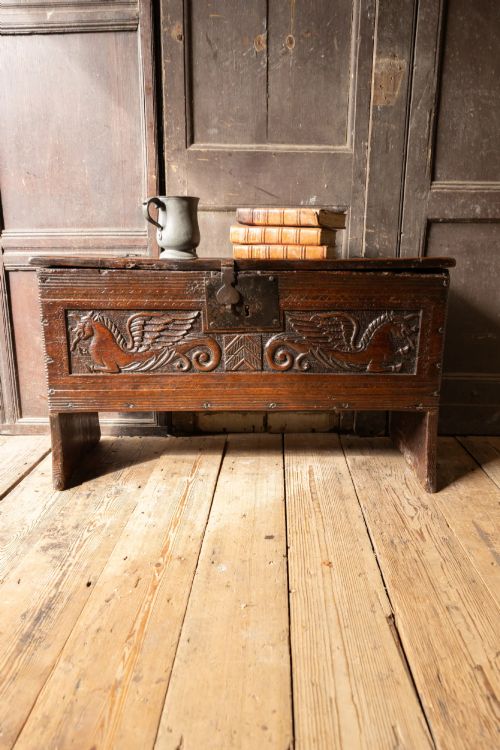
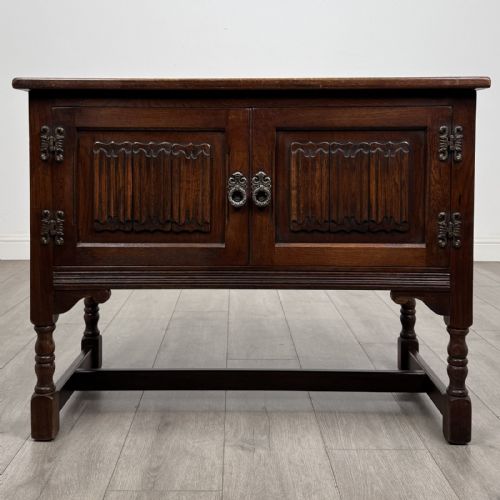
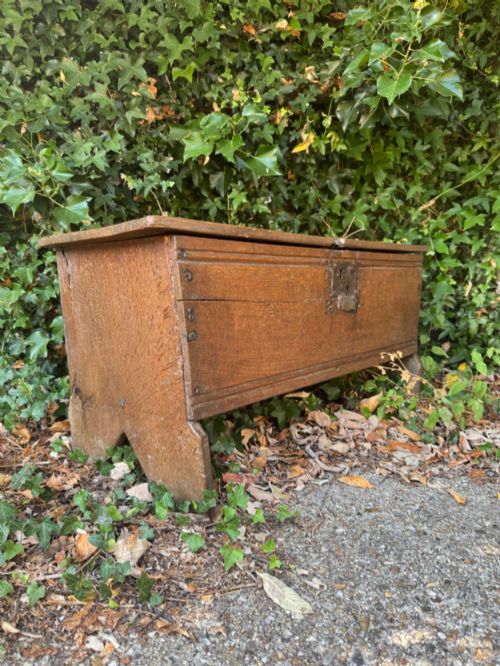
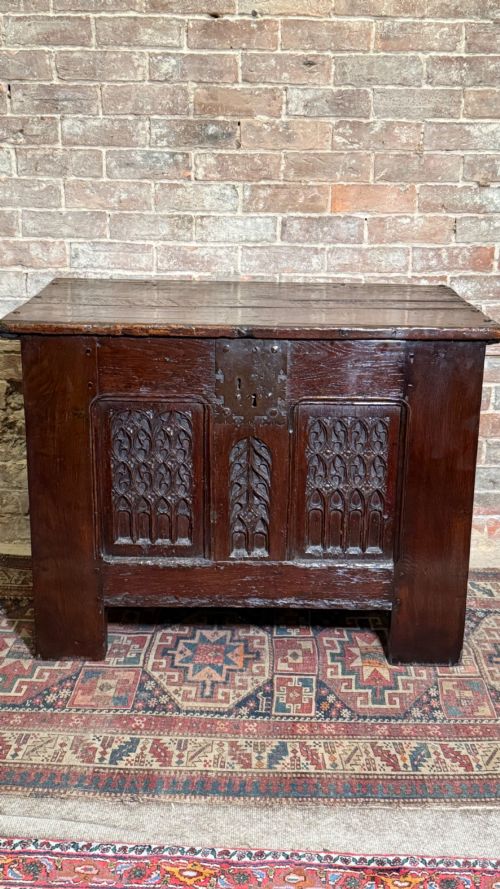
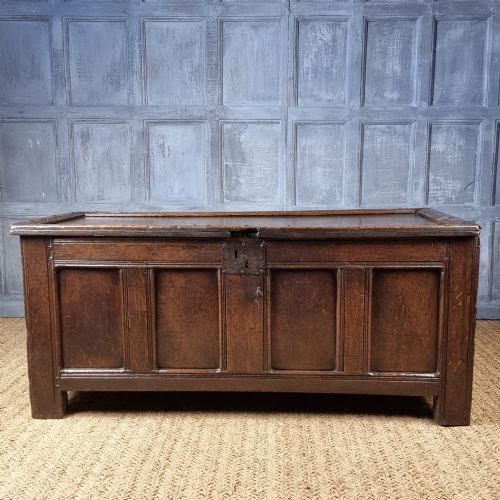
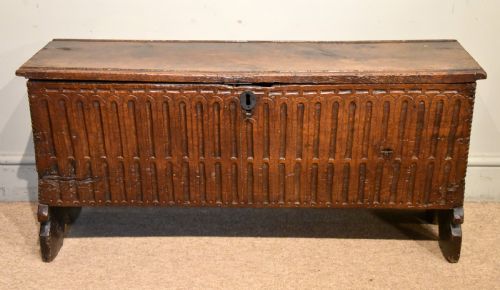
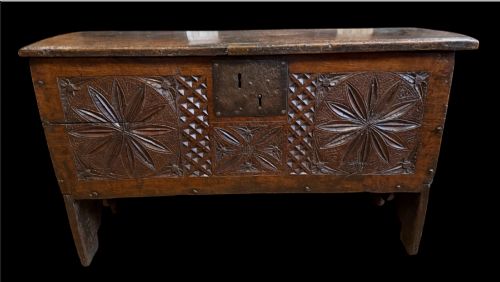
When you search for a tudor oak storage chest, you encounter solid timber boxes constructed during the sixteenth and seventeenth centuries, alongside later revival pieces. These forms encompass boarded coffers, plank chests, and sword chests originating from English and Welsh workshops.
Materials and construction methods
Makers built these pieces primarily from solid oak, frequently augmented with iron or wrought iron for hinges, straps, and protective banding. Walnut and inlaid wood also appear among the materials used to construct these sturdy domestic containers.
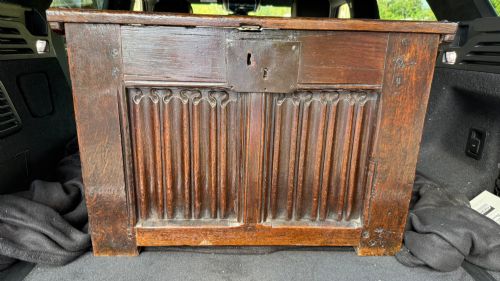
Carpenters utilised heavy plank construction, joining vertical and horizontal boards with pegged mortise and tenon joints or simple board-end pegging. Surfaces often received hand-carved ornamentation, such as fluting or linenfold patterns, while iron hardware provided structural reinforcement and security.
The dominant object forms on this page include boarded coffers, storage chests, and sword chests influenced by Tudor, Elizabethan, and Gothic styles.
Distinctions in quality and execution
Quality separates chests by the integrity of the original timber and the depth of the hand-carved detail. Pieces retaining their original iron bindings, hinges, and board construction sit at the upper end of the range.
The sophistication of the joinery and ornamental carving dictates the character of each piece. Simple six-plank constructions differ significantly from elaborate panelled coffers featuring intricate linenfold motifs or dated inscriptions.
The Tudor Oak Storage Chest Glossary
- Coffer
- A heavy wooden chest traditionally used for storing valuables, documents, or textiles. These boxes typically feature boarded or panelled sides and robust hinged lids.
- Linenfold
- A style of wood carving that mimics folded fabric, commonly seen on sixteenth-century panels. This decorative motif adds texture to the front surfaces of storage chests.
- Boarded chest
- A primitive form of furniture constructed from thick planks joined directly at the edges, often reinforced with pegged V-joints. These represent some of the earliest surviving domestic storage vessels.
- Wrought iron
- Iron beaten into shape by hand, utilised for the hinges, straps, and locking mechanisms on early storage chests. This material provides both structural security and decorative contrast against the dark oak timber.
Tudor Oak Storage Chest: Frequently Asked Questions
How were these chests used?
Households utilised these heavy timber boxes to secure valuable textiles, documents, silver, and personal belongings from theft and dampness.
They also served practical household functions as seating benches or tables within domestic halls before specialised furniture became common.
How do I date a timber chest?
Examination of the construction methods, tool marks, and wood seasoning reveals the era of manufacture.
Original hand-forged ironwork, pegged joints, and contemporary surface wear provide reliable indicators of sixteenth-century or seventeenth-century origins.
Are these pieces made entirely of oak?
Most examples consist primarily of solid English or Welsh oak, selected for its local availability and durability.
Some variations incorporate walnut or inlaid secondary woods, while structural hardware relies on iron and wrought iron.
How do I care for antique oak?
Maintain stable indoor humidity levels and avoid placing timber furniture near direct heat sources to prevent wood splitting.
Apply traditional wax sparingly to nourish the dry oak surface without building up excessive residue over time.