




Tubelined Pottery Vase
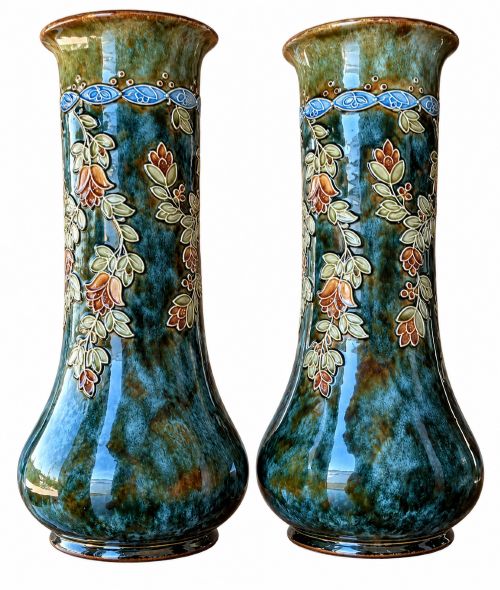
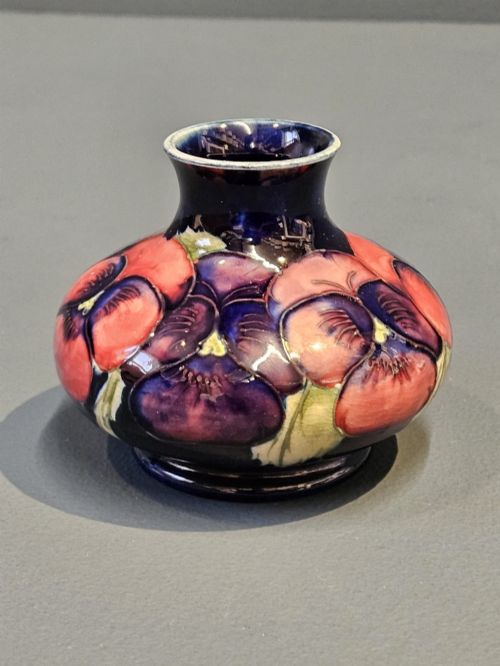
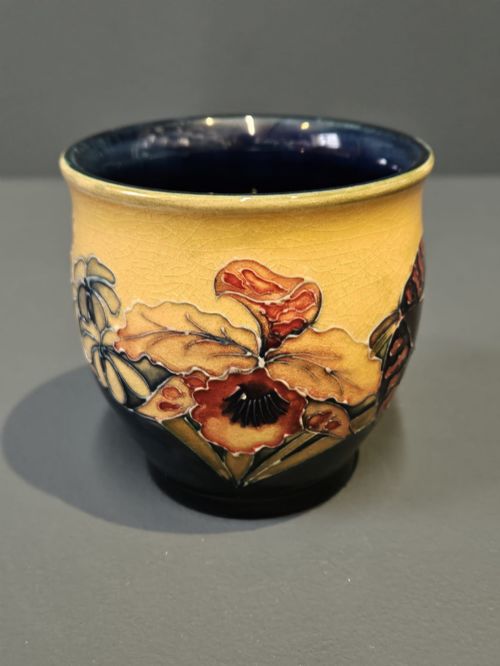
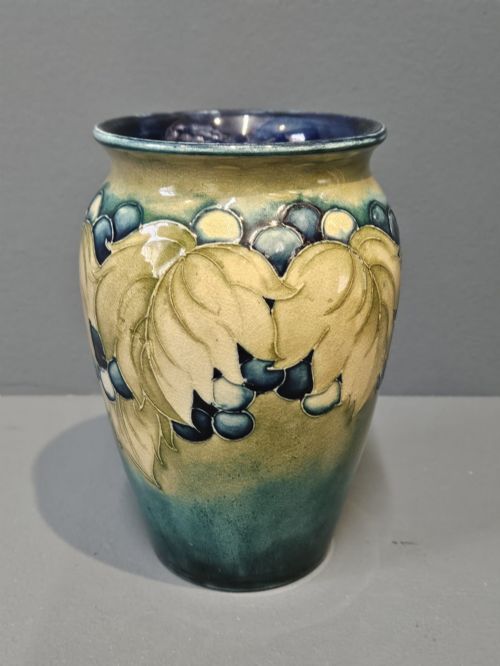
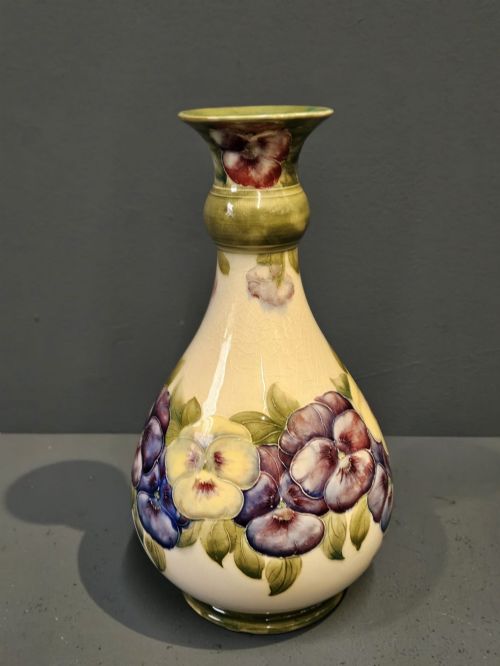
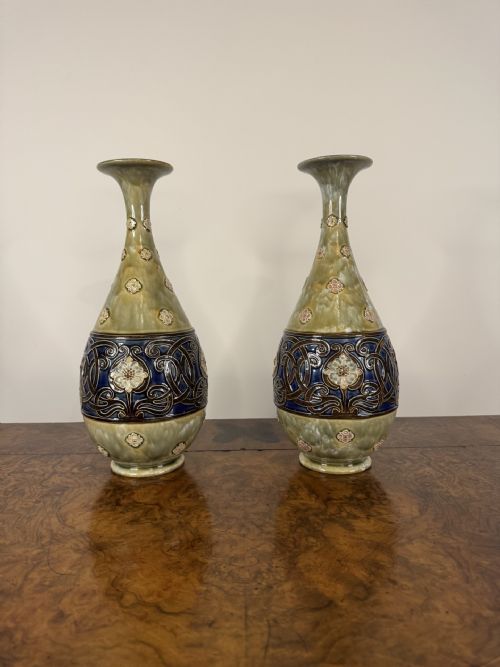
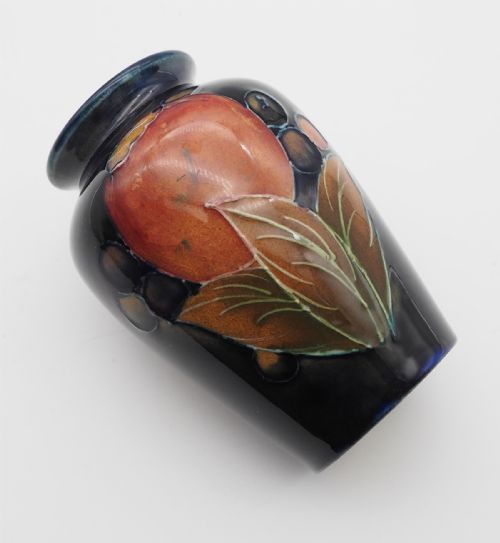
These tubelined pottery vase pieces are striking earthenware vessels that collectors prize for their raised clay outlines and colourful glazes.
Identifying tubelined pottery vase designs
A tubelined pottery vase is a decorative earthenware vessel defined by raised clay lines that form the boundaries of the design before glazing. Buyers searching this phrase encounter examples originating from the nineteen hundred and nineteen twenty periods, representing both the Art Nouveau and Art Deco styles.
Materials and construction
Potters shape these vessels from earthenware clay, providing a porous yet robust body suited for complex surface decoration. The defining technique involves applying liquid clay through a fine nozzle to build raised outlines on the unfired body.
Coloured glaze is carefully hand-painted within the raised compartments created by the clay lines. Subsequent firing fuses the glaze to the earthenware, producing rich colour variation and a glossy finish.
These pieces showcase humble mud turned into vibrant flora through the magic of a squeezed clay line.
Judging the range
Quality rests upon the precision of the raised outlines and the depth of the glaze application. Finer pieces demonstrate steady hand-control in the tubelined patterns, creating crisp divisions that hold their shape beneath the gloss.
The sophistication of the palette also separates the standard from the exceptional. Superior examples display subtle shading within the botanical motifs, whereas lesser items rely on flat, unmodulated colour.
Moorcroft·Moorcroft McIntyre
The Tubelined Pottery Vase Glossary
- Tubelined
- A decorative technique where liquid clay is squeezed through a tube to create raised outlines on pottery before glazing. This method forms distinct cells that hold pools of colour.
- Earthenware
- Porous pottery fired at lower temperatures than stoneware or porcelain. It serves as the primary body for these decorated vessels.
- Glaze
- A glassy coating fused to pottery during firing to seal the porous earthenware body and add colour. It gives these vessels their characteristic sheen.
- Art Nouveau
- A decorative style characterised by flowing, organic lines and botanical motifs. It heavily influences the earlier pieces in this category.
- Art Deco
- A later style defined by stylised geometric forms and streamlined shapes. It marks the aesthetic transition seen in the nineteen twenty pieces.
Frequently Asked Questions
What is a tubelined pottery vase?
It is an earthenware vessel decorated with raised clay outlines that contain pools of coloured glaze. This technique creates a distinct tactile surface with defined patterns.
Such pieces range from early twentieth century botanical designs to later stylised forms.
How do I care for these vases?
Keep them away from direct sunlight and clean them gently with a dry, soft cloth. Avoid using water or liquid cleaners, as the earthenware and glaze can be sensitive.
Display them on stable surfaces where they will not be knocked or vibrated.
How do I tell Art Nouveau from Art Deco pieces?
Art Nouveau items feature flowing, organic lines inspired by natural plant forms. They typically date from the turn of the century.
Art Deco examples lean towards more stylised geometric motifs and structured symmetry, reflecting the aesthetic shifts of the nineteen twenties.
What materials are used?
The primary material is earthenware, a traditional pottery body fired at moderate temperatures. Coloured glazes are applied over the surface to provide colour and protection.
The raised lines consist of additional liquid clay trailed onto the body before firing.