
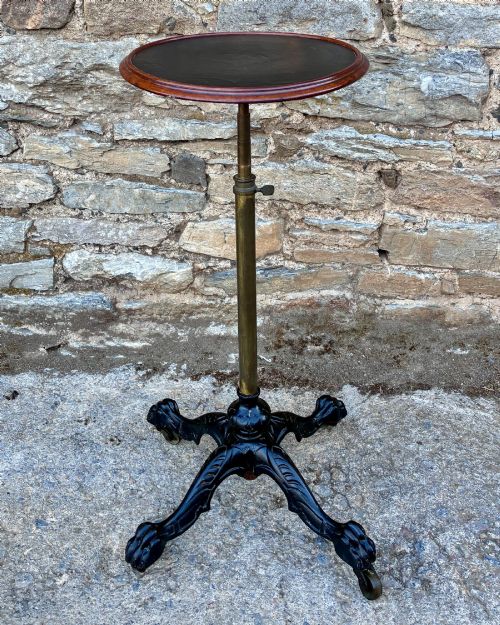
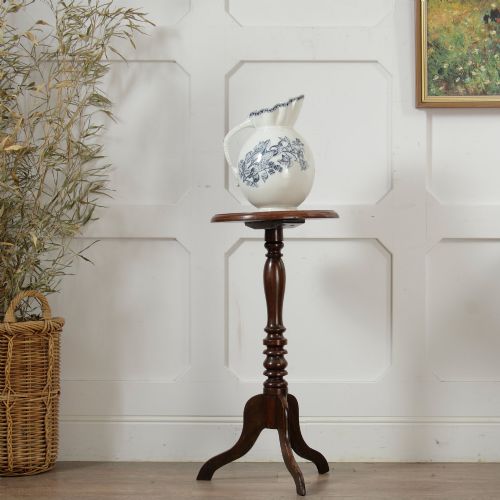
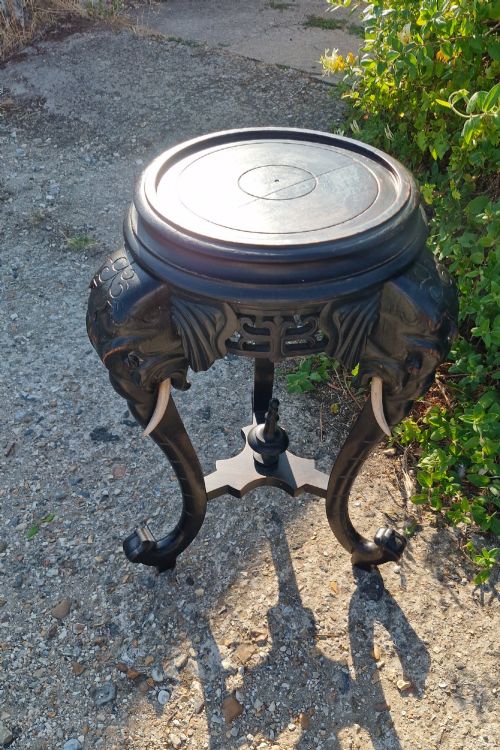
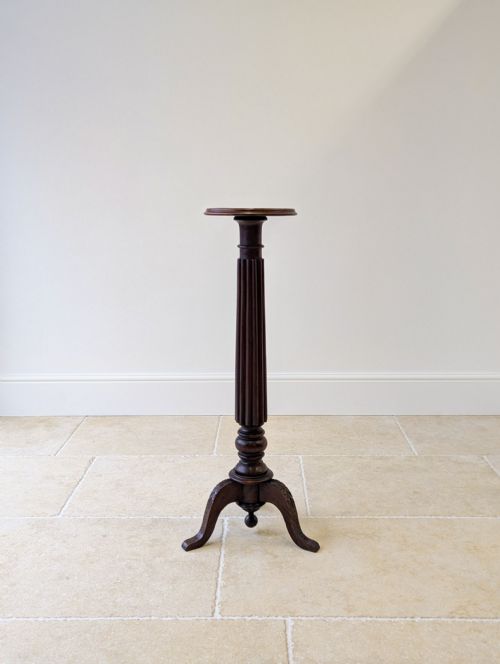
Tripod Plant Pedestal
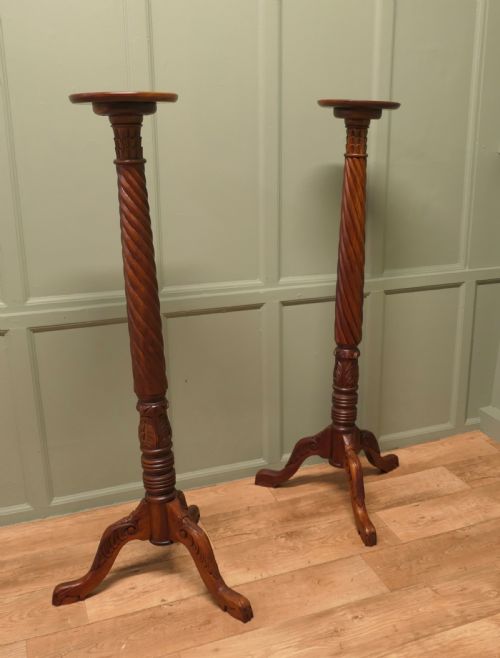
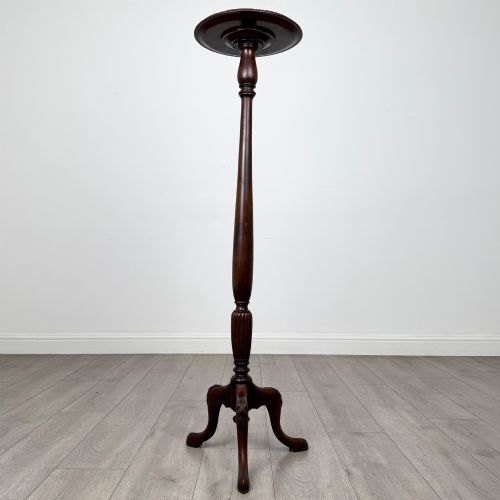
A tripod plant pedestal raises your greenery on three slender legs, combining structural balance with traditional display.
Tripod Plant Pedestal
A tripod plant pedestal offers a stable, elevated platform for displaying flora and decorative objects within a room. When you examine a tripod plant pedestal, you encounter forms that span centuries of domestic interior design.
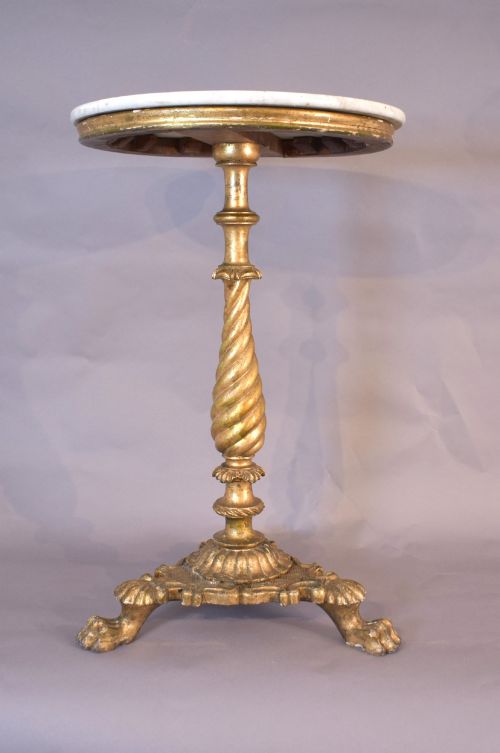
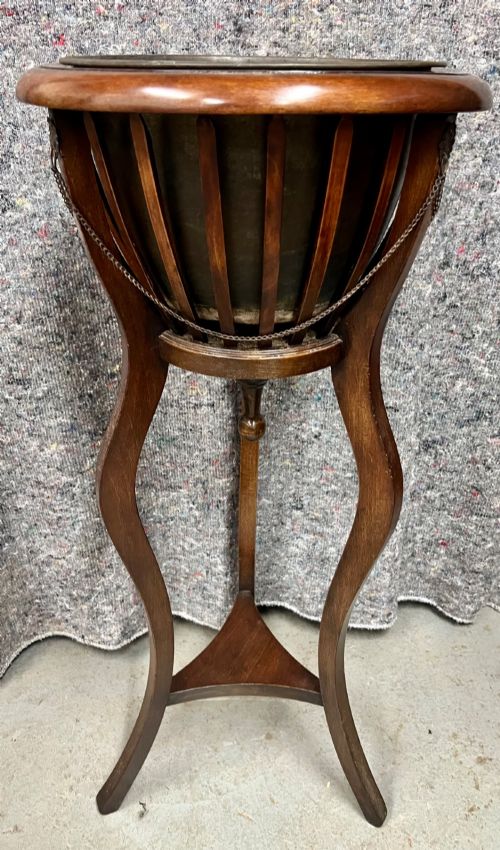
The selections available here range from tall torchere stands designed for single pots to broader occasional tables and wine tables adapted for display. These pieces appear in varied woods and structural formats, reflecting historical periods from the eighteenth century through the Edwardian era.
Victorian and Edwardian iterations dominate the selection, often utilising mahogany or walnut to achieve a slender silhouette. Each piece uses a three-legged base to secure upright stability on uneven floor surfaces.
How they were made
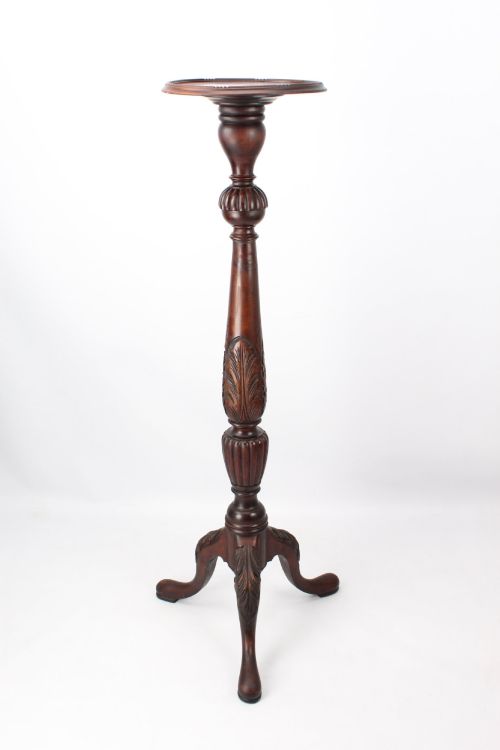
Cabinetmakers constructed these supports using dense hardwoods like mahogany and walnut, frequently incorporating turned shafts and carved tripod legs. Joinery methods relied on precise turning, mortise and tenon connections, and occasional applied carvings or brass and bronze mounts.
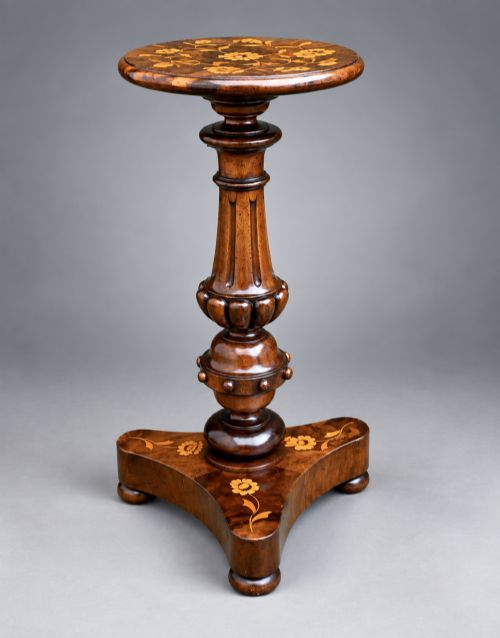
Surfaces received careful finishing through polishing, hand-carving, or marquetry inlay work as seen in Edwardian examples. Materials such as marble and cast iron also appear on specific forms, introducing contrasting weights and textures to the three-legged framework.
The available listings feature pieces spanning the 18th century, Victorian, and Edwardian periods, constructed primarily from mahogany, walnut, and oak.
What varies in quality
The distinction between standard examples and superior pieces rests upon the crispness of the wood carving and the proportional harmony of the stem and legs. Finer specimens display integrated grain structures, thoughtful turning, and balanced weight distribution across the three-legged footprint.
Execution of detail defines the upper tier, where hand-carved elements, superior timber selection, and original patination remain intact. Lesser examples often feature simpler turned components and mechanical shortcuts that lack the refinement of period workshop production.
Thomas Hope
The Tripod Plant Pedestal Glossary
- Torchere
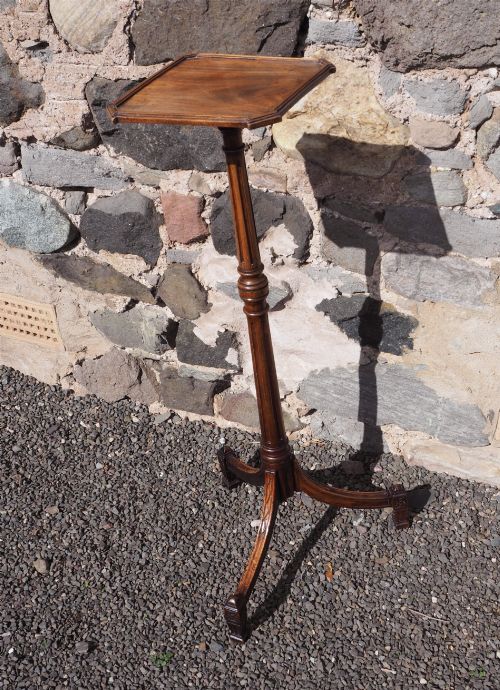
- A tall, slender stand originally designed to hold a candle or light source, frequently utilised today for plant display. This form relies on a narrow shaft rising from a stable tripod base.
- Tripod base
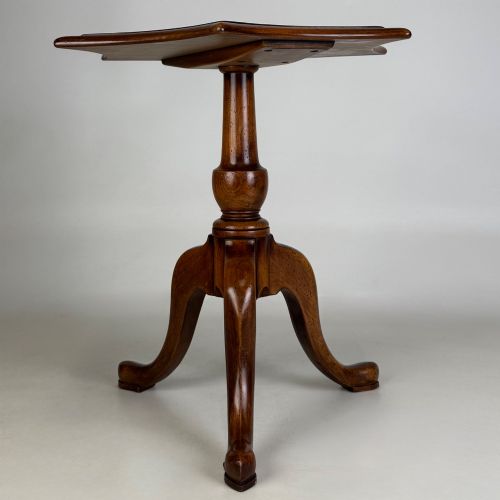
- A three-legged support system that ensures the table or stand remains level on imperfect domestic flooring. Each leg typically extends outward from a central column to maximise stability.
- Jardiniere
- An ornamental pot or stand specifically made to hold a plant or floral arrangement. These vessels often integrate directly with the pedestal structure.
- Dish top
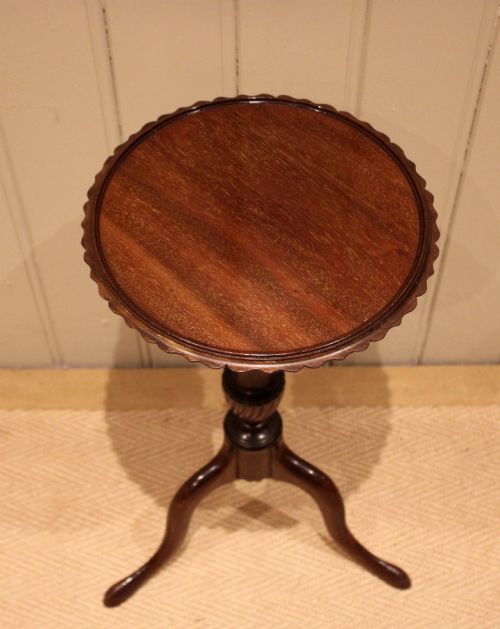
- A circular tabletop carved with a raised rim around the outer edge to prevent items from sliding off. This feature appears frequently on eighteenth and nineteenth-century occasional stands.
- Barley twist
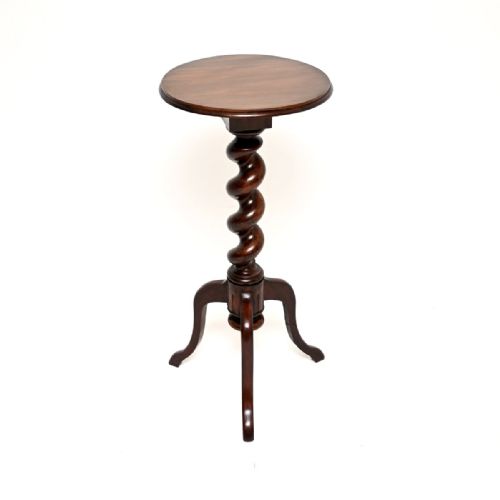
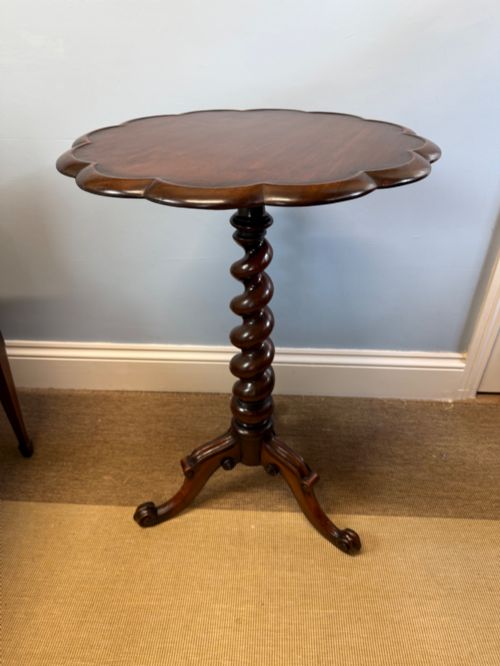
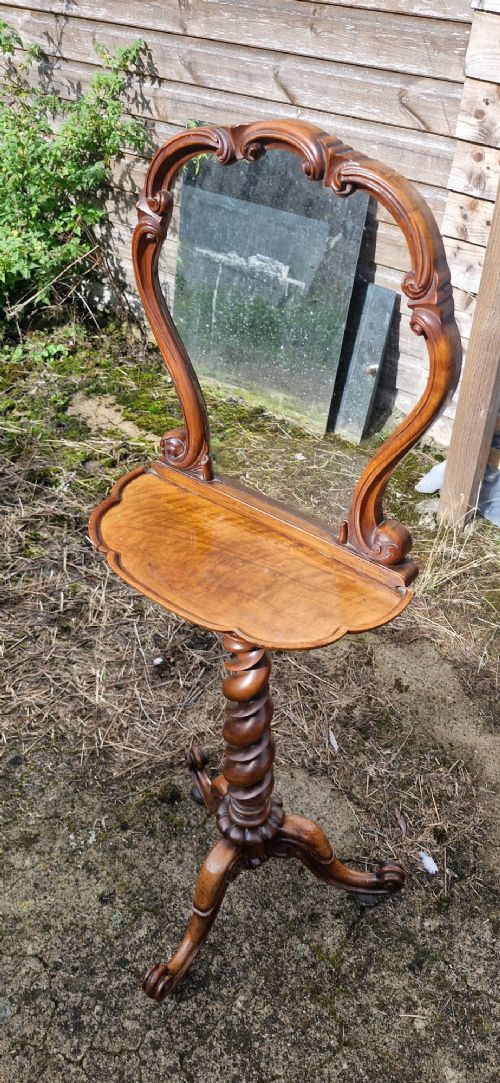
- A decorative turning technique resembling a spiralling rope carved into the wooden column of a stand. This style adds visual movement to the vertical support.
Tripod Plant Pedestal: Frequently Asked Questions
What is a tripod plant pedestal used for?
These stands elevate plants, urns, or decorative objects to improve room sightlines and display focal points. Their compact three-legged footprint makes them practical for corners and tighter spaces.
Historically, similar stands also served as candle holders or small serving tables for wine and tea. Today, they function primarily as decorative furniture that brings vertical interest to interior spaces.
How do I identify a Victorian plant stand?
Victorian examples often feature dark mahogany or walnut timbers, robust turned columns, and elaborate carving details like barley twists or foliate motifs. They frequently date from the mid to late nineteenth century.
Construction methods from this era include heavy timber turning and solid bracket attachments beneath the tabletop. Examining the wood grain and interior joinery helps confirm the period origin.
Are these stands stable on carpets?
A three-legged base naturally adjusts well to uneven surfaces compared to four-legged furniture, making them reasonably stable on thick carpets. However, heavy pots require central placement to maintain balance.
Positioning the stand carefully ensures the weight sits evenly across all three feet. Lighter stands benefit from placement away from busy walkways.
What woods were used for these pedestals?
Makers predominantly utilised mahogany and walnut for their strength, grain quality, and rich natural colour. Oak, hardwood, and occasional gilt wood also appear across different stylistic periods.
Selecting the right timber depends on the existing furniture in your room. Hardwood variations determine both the weight and the overall tone of the stand.