


Wood Pedestal Stand
When you search for a wood pedestal stand, you are looking at columns, tables and display bases designed to elevate objects or hold drinks.
Wood Pedestal Stand
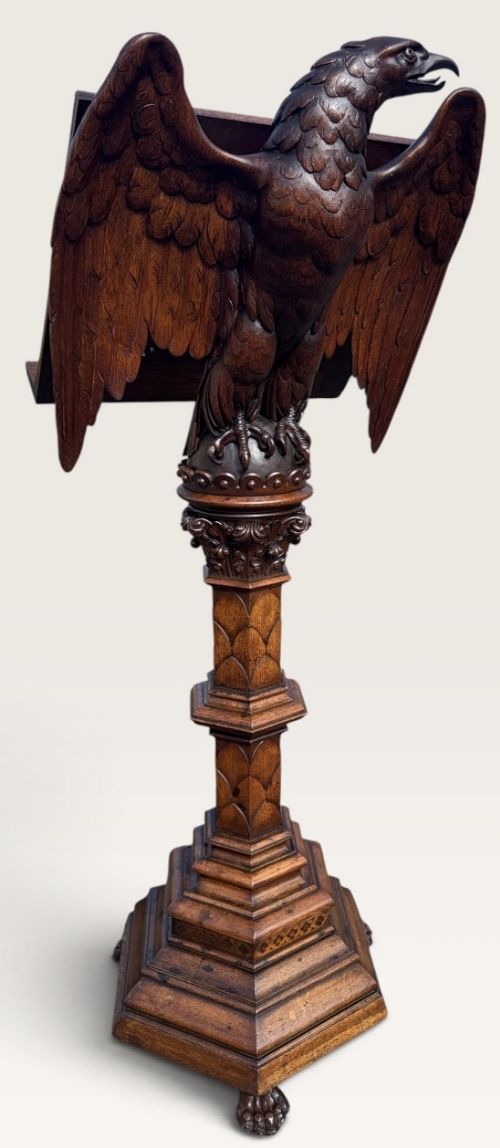
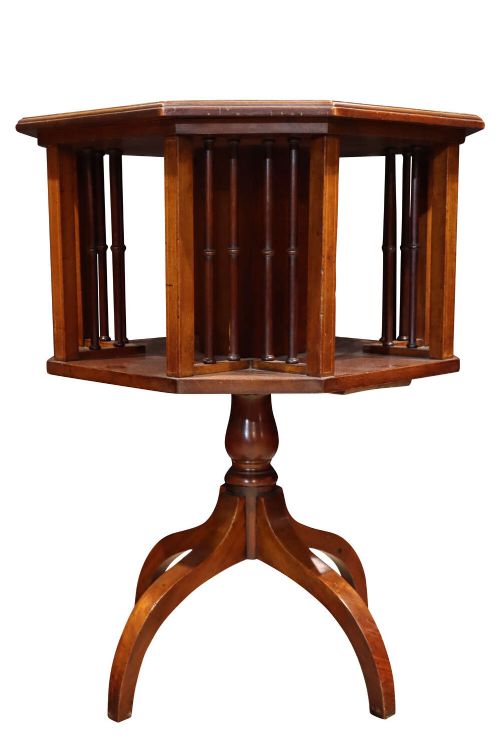
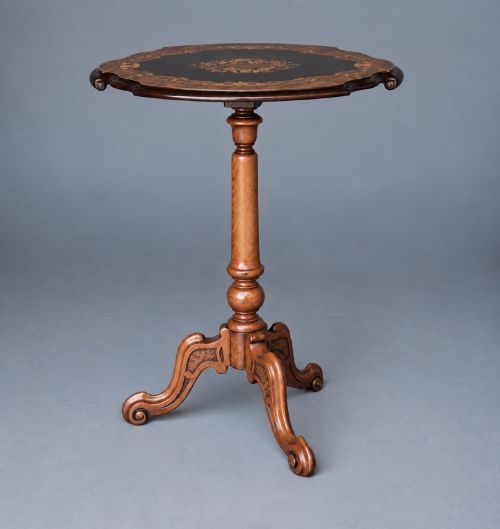
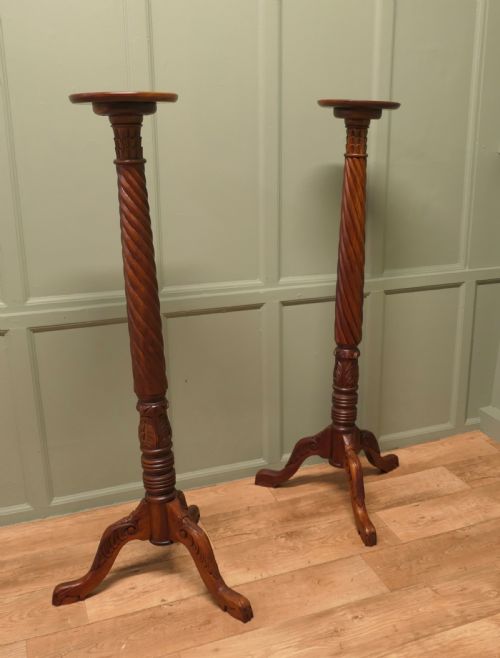
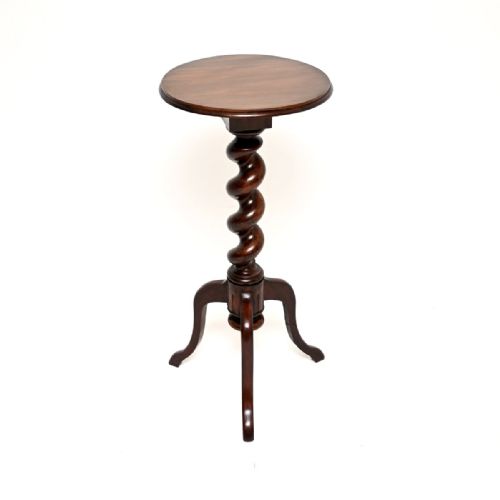
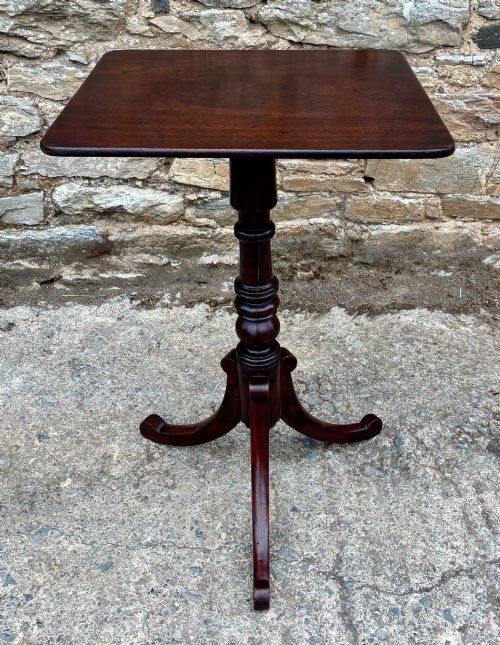
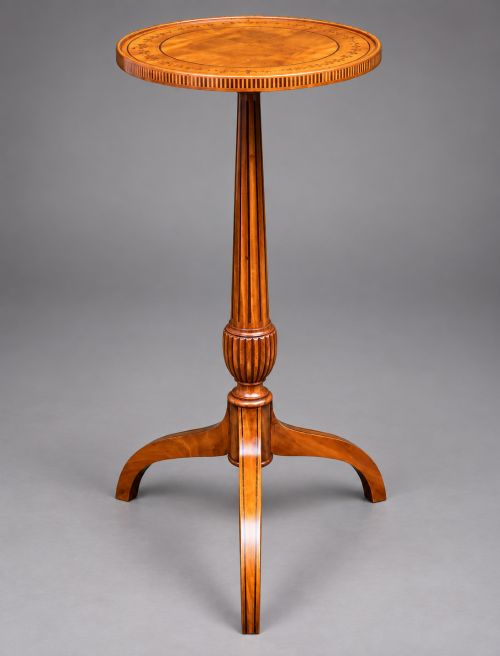
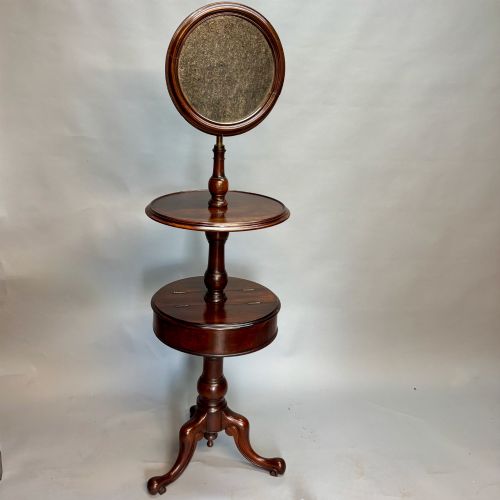
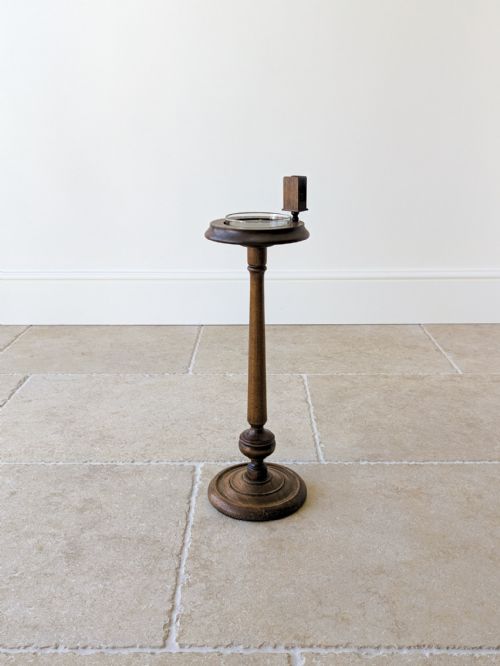
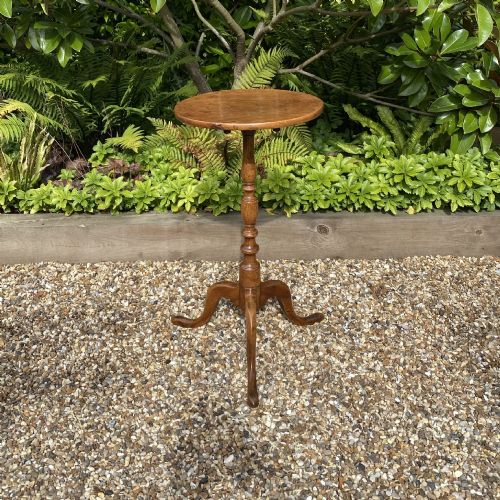
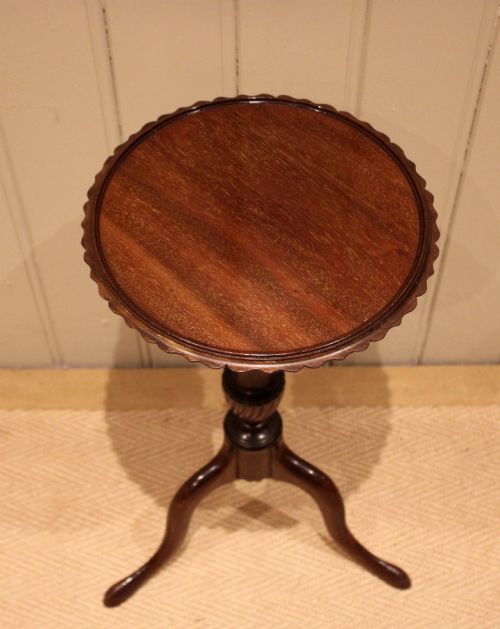
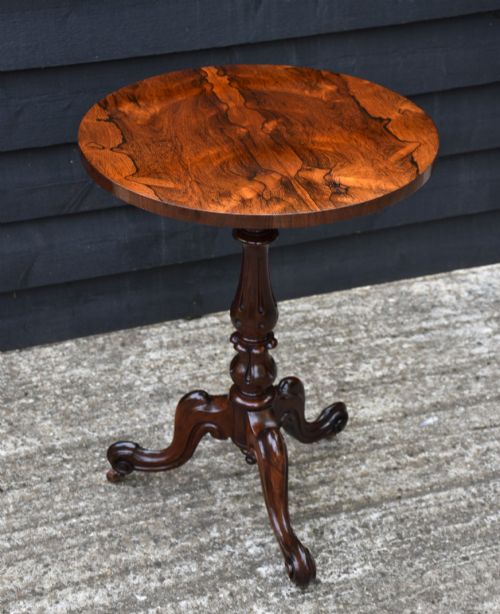
A wood pedestal stand serves multiple domestic purposes across history, functioning as a wine table, plant stand, torchiere, or display plinth. The forms found on this page range from compact tripod wine tables with tilt tops to tall carved columns and Edwardian satinwood jardiniere stands.
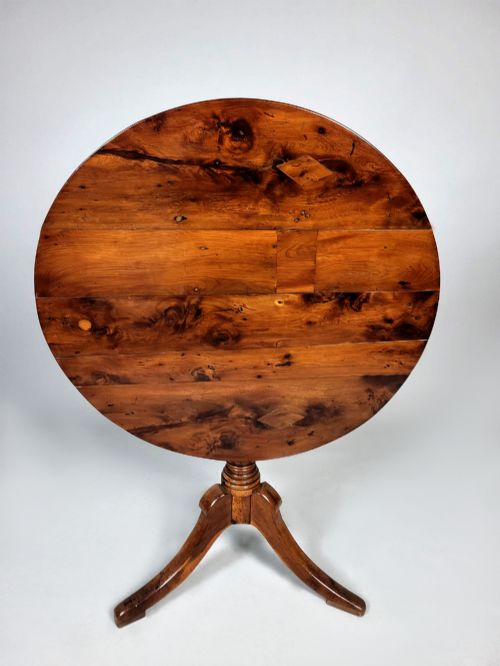
The pieces encountered most frequently on this page date from the Victorian, Edwardian, and Regency periods, constructed predominantly in mahogany, rosewood, and walnut. Many take the form of small occasional tables with central pedestals supported by tripod legs, designed for convenience and portability in sitting rooms.
Origins span English workshops alongside French, Italian, and Oriental makers, reflecting diverse stylistic influences from Georgian design to Qing Dynasty style and Italian Baroque carving. Buyers select these stands to create varied heights within a room or to support lamps, plants, and decorative arts.
How they were made
Makers utilised dense timbers such as mahogany, walnut, rosewood, and fruitwood, often selecting figured veneers or burr wood for table tops to create visual depth. Structural elements like columns and tripod bases required sturdy turning on lathes and secure joinery to support weight without tipping.
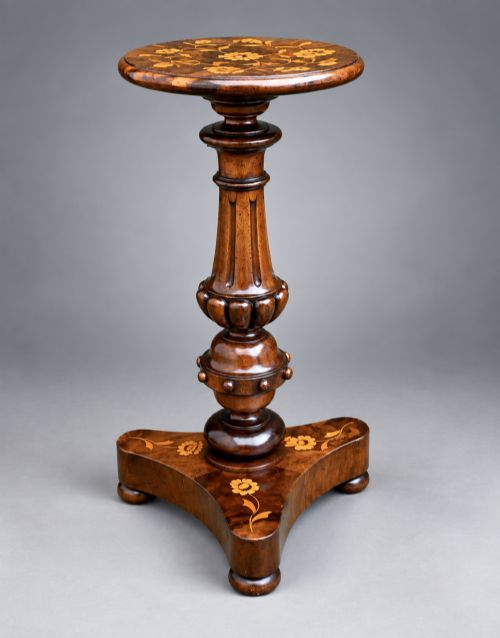
Surface ornamentation involved carving, inlay, marquetry, and gilding, particularly on French and Edwardian examples featuring satinwood or brass mounts. Marble inserts appear on top surfaces to provide a durable, heat-resistant platform for lamps and plants.
Tilt-top mechanisms on wine tables relied on brass catches and pivoting blocks fitted beneath the top, allowing the surface to fold flat against the pedestal when not in use.
Listings feature 19th Century, Edwardian, Victorian, Regency, and Georgian periods alongside materials including mahogany, brass, walnut, marble, and rosewood.
What varies in quality
The grade of timber selected for the top and the richness of the grain figure dictate much of the visual hierarchy among these stands. Pieces utilising well-matched solid mahogany, figured rosewood, or intricate marquetry inlay sit firmly at the higher end of the range.
Construction details differentiate standard production items from finer workshop output, particularly the weight and stability of the central column and the precision of the leg joints. Tripod bases carved with acanthus leaves or ball and claw feet reflect a greater investment of artisan labour than plain turned legs.
Gillow·Elkington and Co
The Wood Pedestal Stand Glossary
- Tripod table
- A small table supported by a pillar above three legs. This form gained popularity during the Georgian period for its stability on uneven floors.
- Torchere
- A tall ornamental stand or candlestick designed to hold a light source. Later examples often function as plant stands or display pedestals.
- Tilt-top
- A table mechanism allowing the top to pivot to a vertical position. This saved valuable floor space in smaller rooms when the furniture was idle.
- Plinth
- A heavy base or block supporting a statue, column, or vase. These provide sturdy elevation for heavier decorative items.
- Marquetry
- The art of applying pieces of veneer to a structure to form decorative patterns. Craftsmen utilised various coloured woods to create pictorial designs on table tops.
Wood Pedestal Stand: Frequently Asked Questions
What is the difference between a wine table and a plant stand?
Wine tables generally feature smaller circular tops designed to hold glasses or bottles near seating, often with tilt mechanisms for storage.
Plant stands and torcheres are typically taller and narrower, built to elevate floral arrangements, jardinieres, or decorative lamps to eye level.
How do I use a pedestal stand in a modern room?
These stands provide functional surfaces in tight spaces where a standard side table proves too bulky. They suit corners for displaying ceramics, or beside a sofa for a reading lamp.
Their varied heights also help break up flat sightlines by introducing vertical dimension to interior layouts.
How do I identify a Regency period stand?
Regency stands frequently exhibit classical architectural motifs, including reeded columns, brass paw feet, and heavy circular platforms. The timber is commonly dark mahogany with minimal carving, relying instead on clean lines and fine grain.
Proportions tend to be robust, reflecting early nineteenth-century design tastes influenced by ancient Roman and Greek forms.
What maintenance do antique wood surfaces need?
Regular dusting with a dry, soft cloth preserves the polished finish without building up residue. Waxing occasionally helps nourish older timbers like mahogany and walnut.
Direct sunlight and extreme temperature changes should be avoided to prevent the wood or veneer from splitting.