



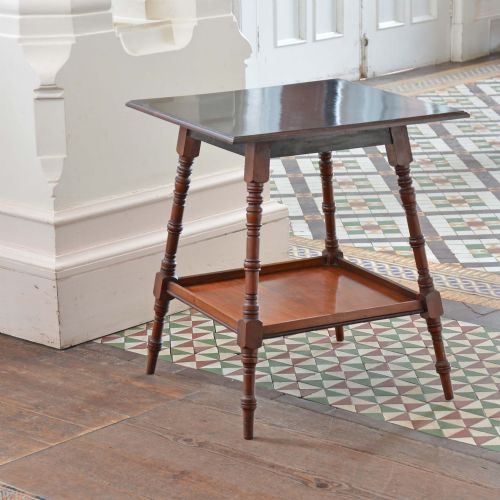
Victorian Walnut Plant Stand
A victorian walnut plant stand brings rich grain and upright presence to a corner, holding ferns or lamps with quiet 19th-century poise.
Victorian Walnut Plant Stand
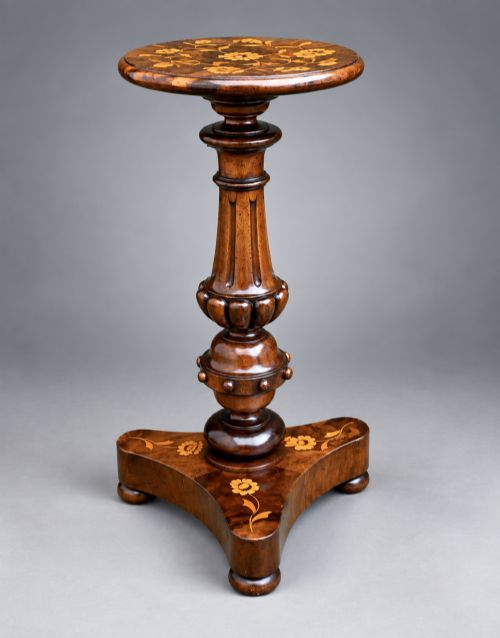
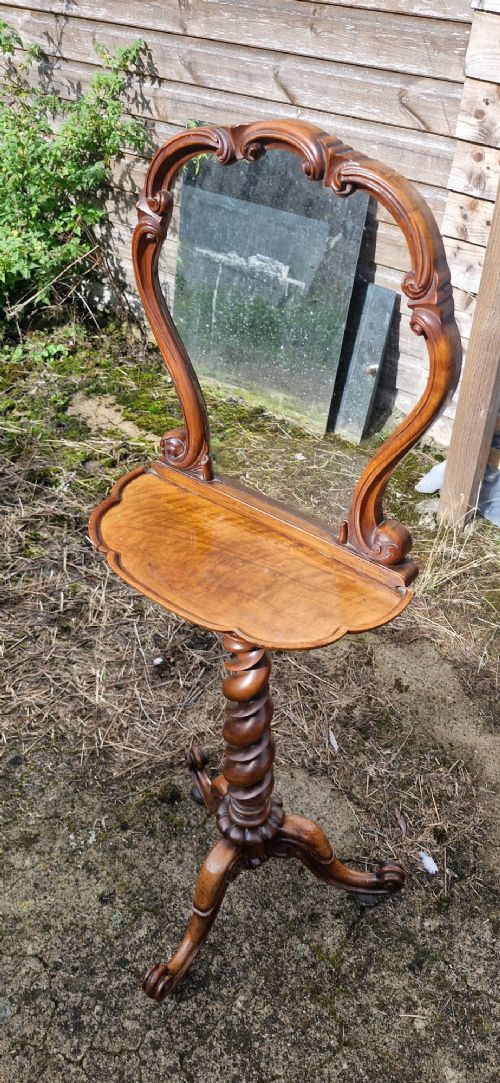
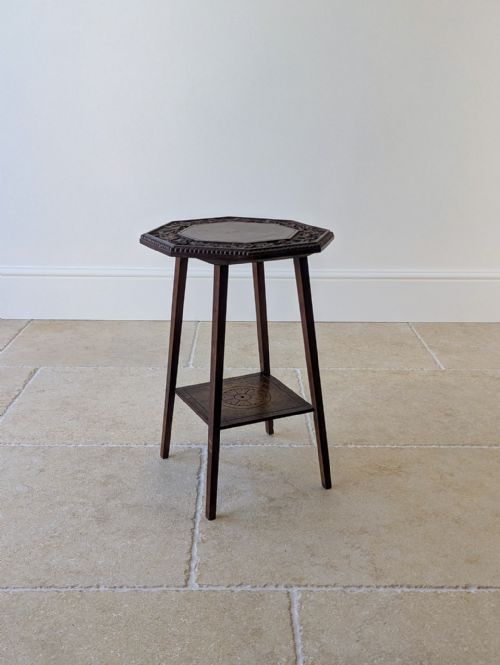
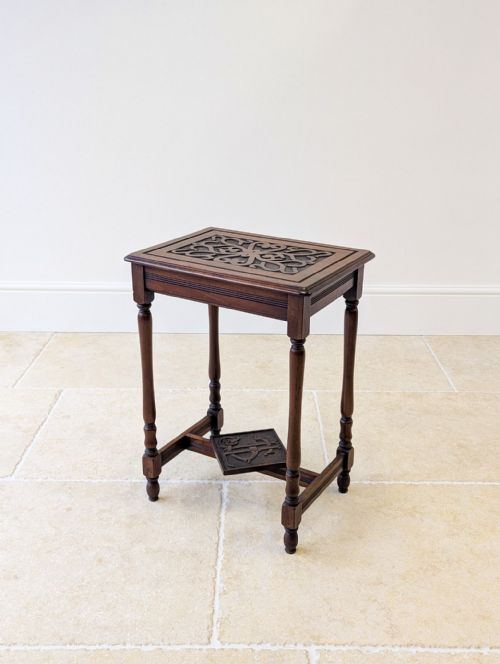
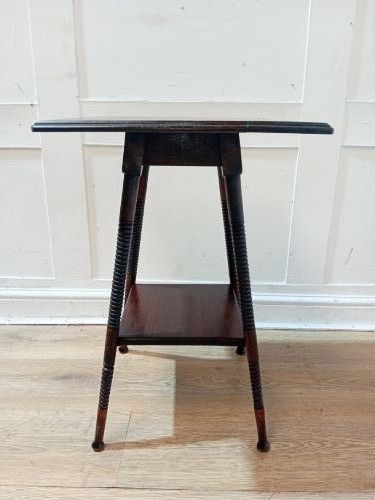
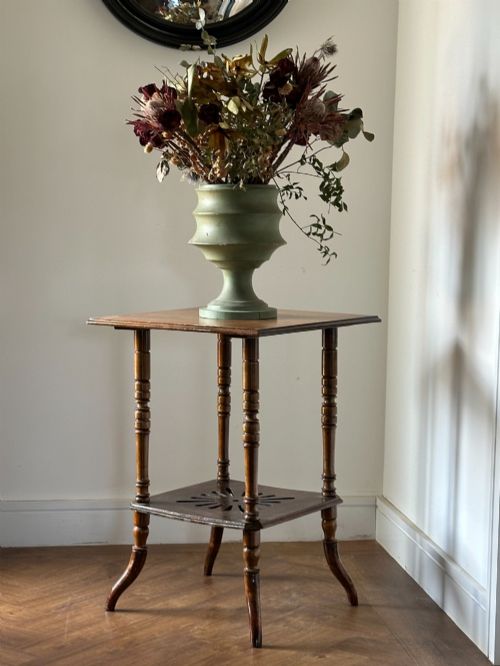
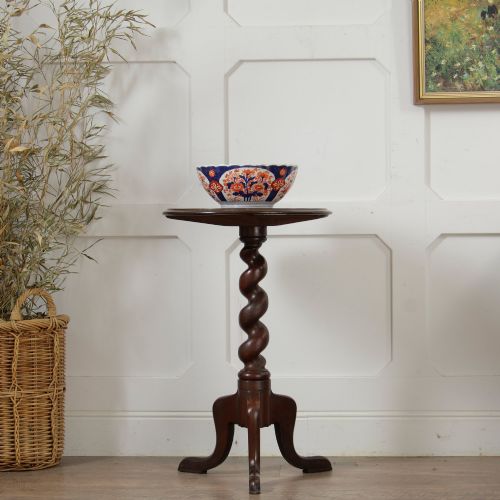
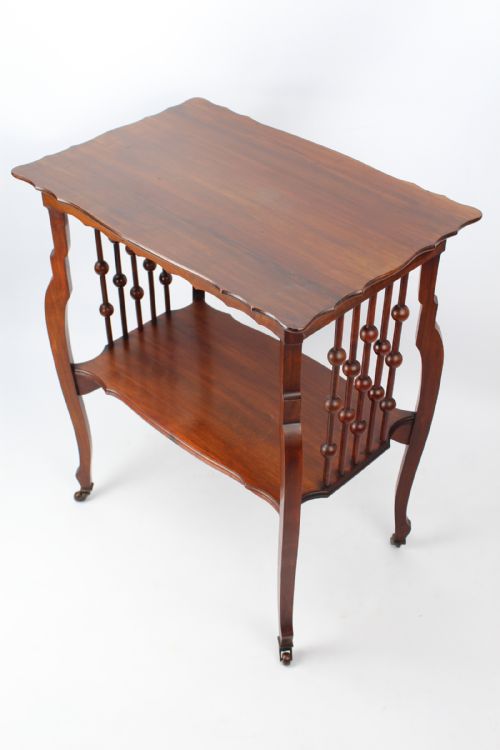
A victorian walnut plant stand typically takes the form of an elevated pedestal, jardiniere table, or tall multi-tiered stand designed to display greenery or decorative objects within a nineteenth-century interior. These pieces frequently appear alongside related occasional tables, side tables, and wine tables that share similar structural proportions and timber usage.
Buyers encountering this selection will find various interpretations spanning the nineteenth century, including specific expressions from the Aesthetic Movement, Arts and Crafts, and Dutch Marquetry traditions. The most common forms unite a slender vertical support with a compact top surface or dedicated plant container, suited for compact spaces as much as principal reception rooms.
Materials and construction
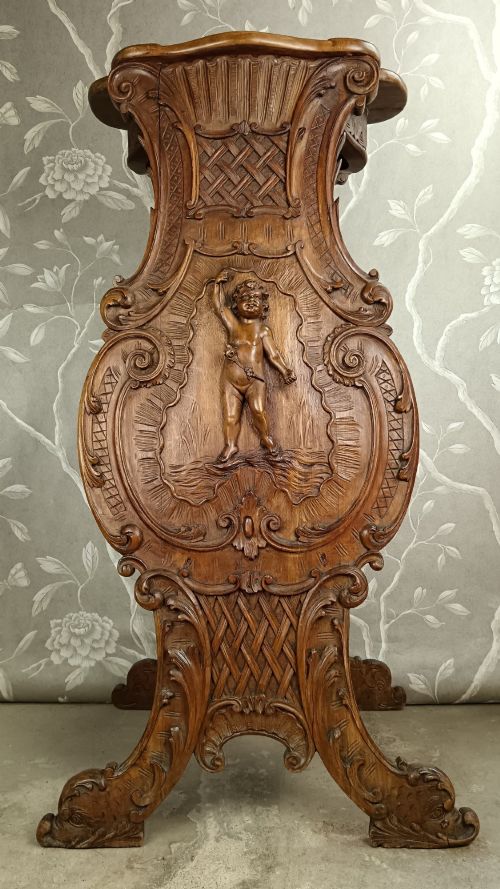
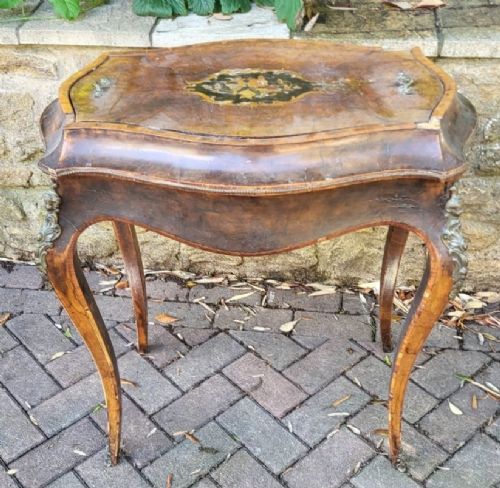
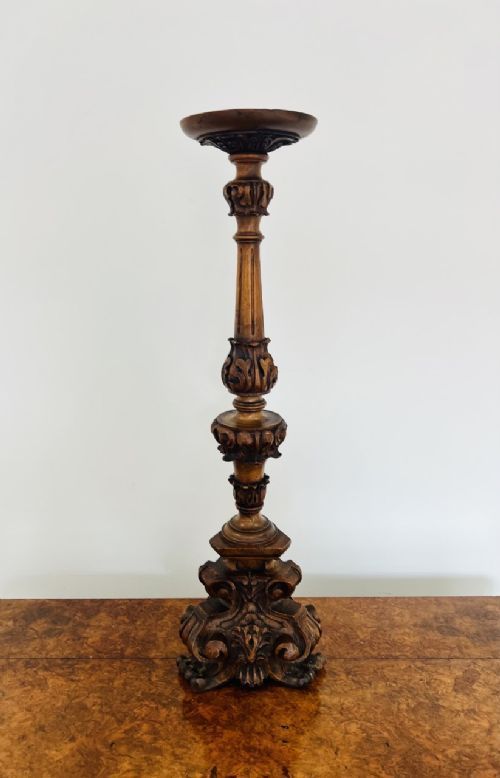
Cabinetmakers utilised solid walnut and decorative burr walnut veneers, often laying complex marquetry patterns or incorporating contrasting ebonised wood to accentuate the grain. Supporting elements frequently feature turned barley twist shafts or intricately carved columns that demonstrate the high standard of nineteenth-century joinery.
Metal components play a distinct structural and decorative role, with brass mounts, ormolu details, and inset metal liners or trays fitted to accommodate live plants and prevent water damage. These mixed-media constructions combine timber framing with corrosion-resistant metal elements to ensure both stability and practical utility.
One remarkably niche Victorian workshop apparently decided that ordinary tables were simply not dramatic enough without a carved Blackamoor holding the plant.
Distinctions in quality
The standard of carving and inlay marks the principal divergence between ordinary pieces and exceptional examples, where hand-chiselled foliage or precise marquetry reveals the maker's mastery. Finer items employ highly figured burr walnut across prominent surfaces, whereas simpler pieces rely on plain timber grains.
Structural integrity and the retention of original fittings, such as brass liners, lift-off lids, and matching turnings, separate well-preserved works from those that have undergone extensive replacement. The crispness of edge profiles and the seamless integration of secondary woods further indicate the workshop's original ambition.
WILLIAM BIRCH·Shoolbred·Gillow & Co.
The Victorian Walnut Plant Stand Glossary
- Jardiniere
- An ornamental stand or container specifically designed to hold plants and flowers. These vessels often feature waterproof liners and decorative exterior carving or inlay.
- Marquetry
- The art of applying decorative veneer pieces to a structure to form intricate pictorial or geometric patterns. Craftsmen utilised various tinted woods to create contrast.
- Torchere
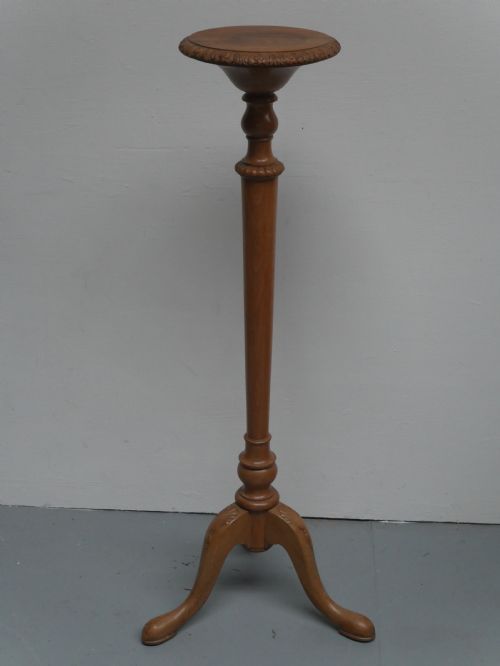
- A tall ornamental stand or candlestick holder adapted in the nineteenth century to serve as a plant or lamp pedestal. They typically feature slender shafts standing on stable tripod or circular bases.
- Ebonised
- Timber treated with a chemical stain or finish to imitate ebony. This dark, uniform surface was popular during the Victorian period for accentuating carved details.
- Burr walnut
- Wood taken from the abnormal growth of a walnut tree, yielding highly figured and swirling grain patterns. It was prized for tabletops and decorative panels.
Victorian Walnut Plant Stand: Frequently Asked Questions
What is the difference between a jardiniere and a plant stand?
A jardiniere typically incorporates a dedicated basin, well, or lift-off lid designed to contain soil and moisture directly alongside the plant. A standard plant stand provides a flat platform or tiered shelves primarily intended to support a potted plant resting in its own saucer.
Both forms served similar decorative functions in nineteenth-century interiors, though jardinieres required internal metal liners to protect the surrounding woodwork from water damage during daily maintenance.
Are these stands sturdy enough for heavy plants?
Most period stands are engineered to support modest ornamental ferns, floral arrangements, or table lamps rather than large, heavy masonry pots. Taller pedestal designs rely on stable weighted bases, but narrow legs can still tip if loaded unevenly or placed in high-traffic corridors.
Positioning the heaviest elements centrally and selecting a stand with a broad footprint ensures safe daily use without placing undue strain on antique joints.
How can I identify an Aesthetic Movement stand?
Aesthetic Movement pieces from the late nineteenth century generally feature simpler, cleaner silhouettes influenced by Anglo-Japanese design principles. They often combine ebonised wood surfaces with understated brass mounts or geometric inlay rather than heavy revival carving.
Look for slender structural members, contrasting dark tones, and functional elegance that prioritised artistic composition over ostentatious ornamentation.