

Tripod Brass Pedestal
Tripod brass pedestal forms bring together timber supports and metal mounts, offering practical surfaces across Georgian, Regency and Victorian periods.
Tripod Brass Pedestal
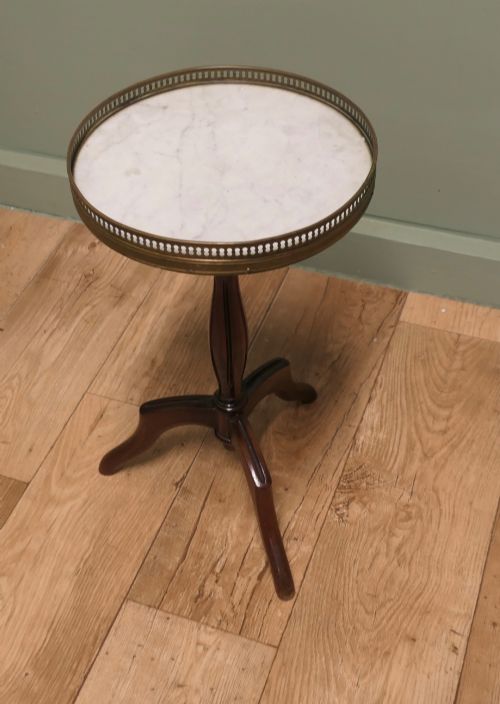
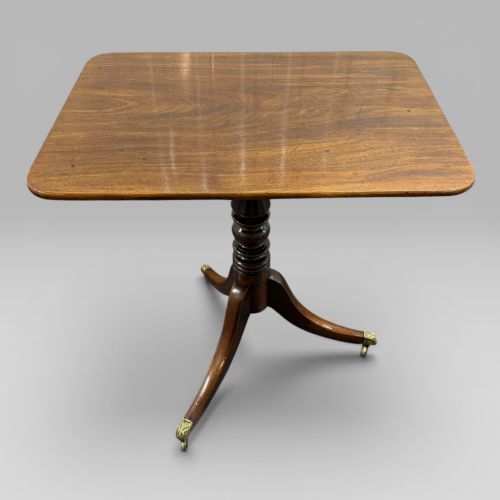
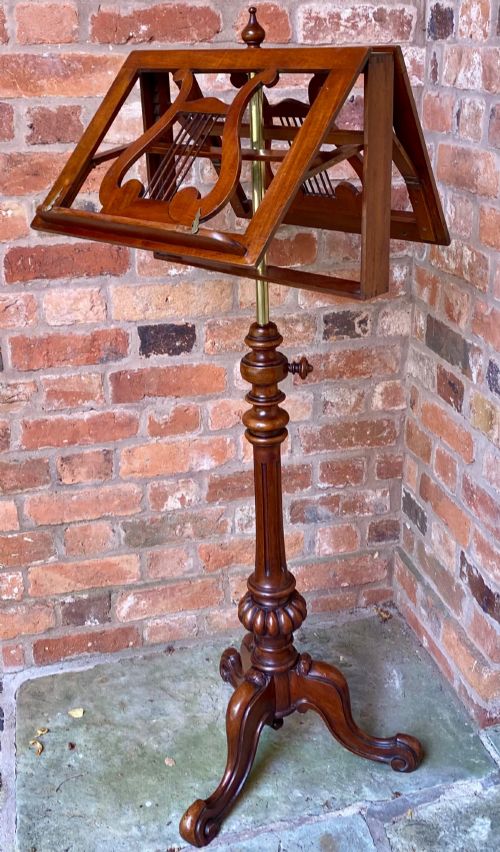
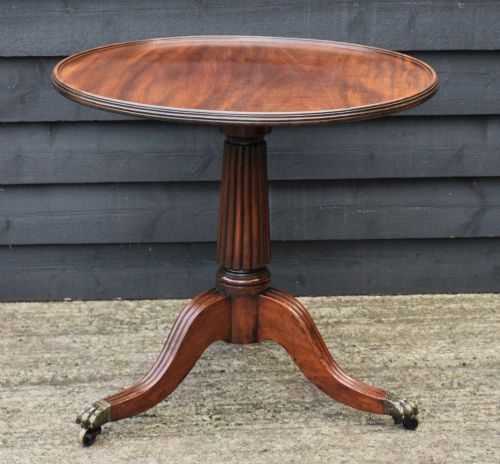
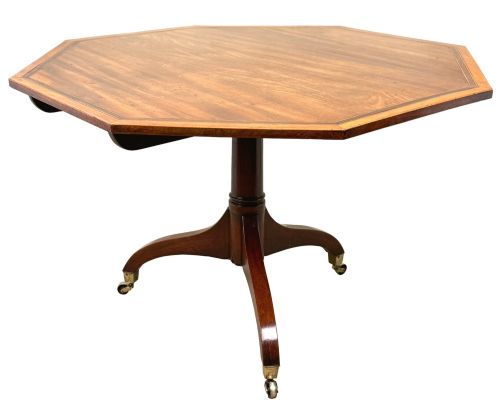
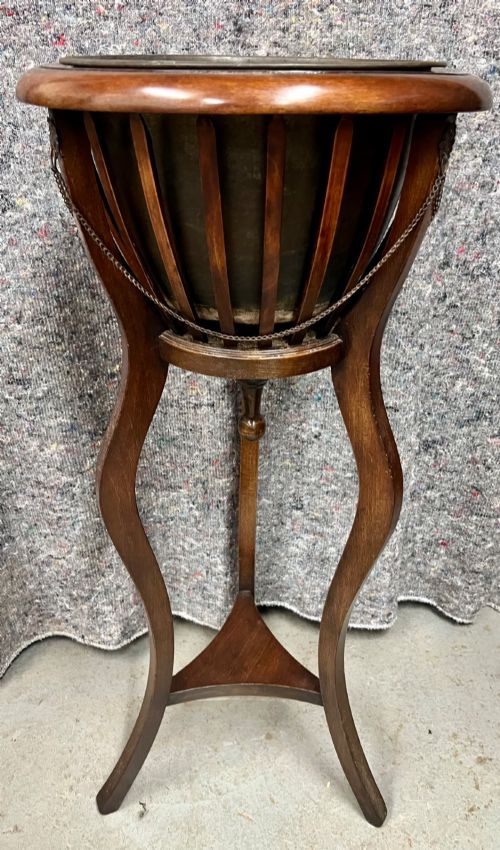
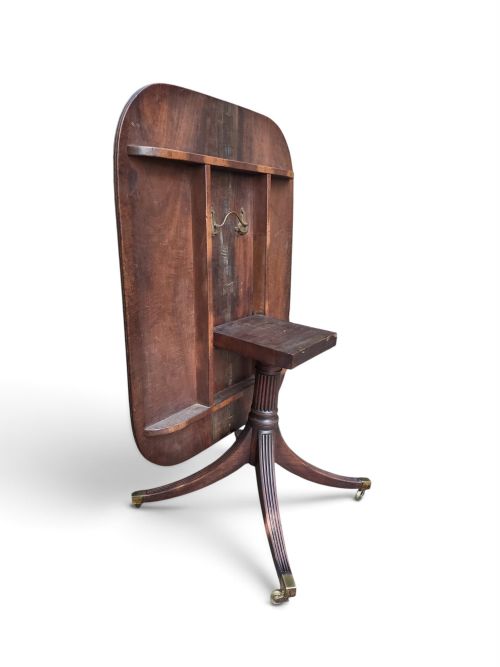
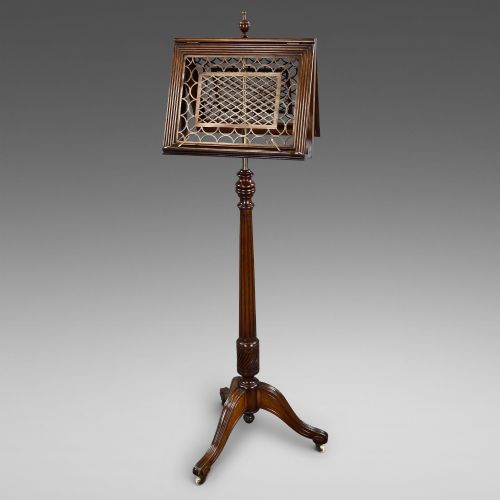
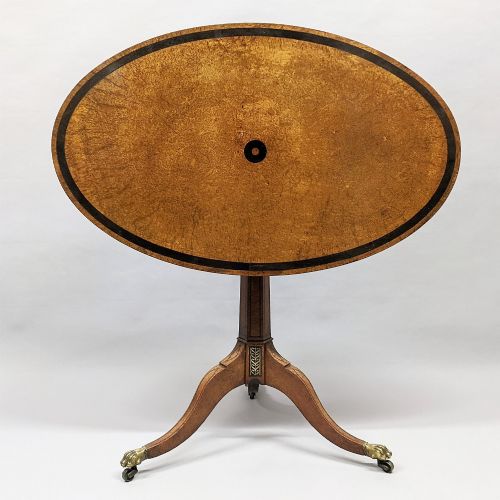
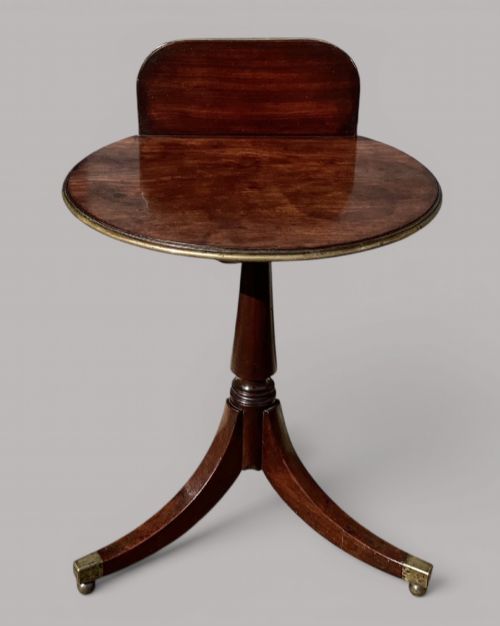
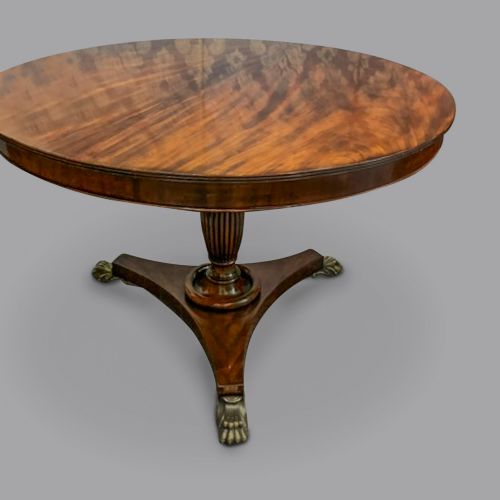
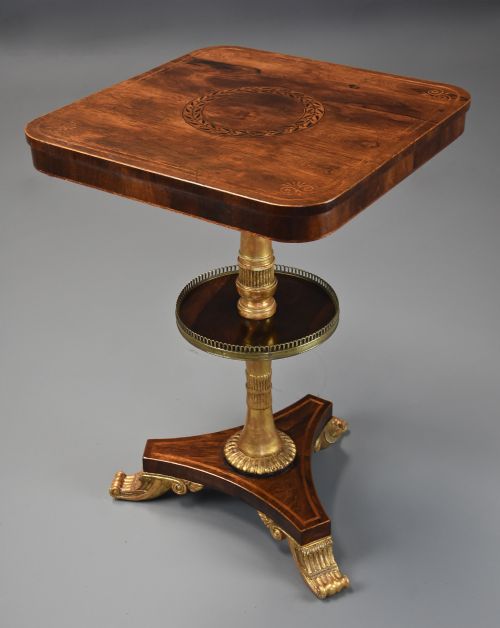
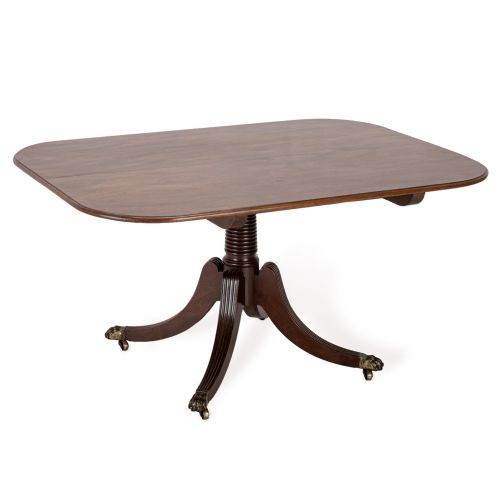
A search for tripod brass pedestal reveals a variety of small and large supporting items, most commonly occasional tables, dining tables, and stands from the Georgian, Regency, and Victorian periods. Buyers frequently encounter rosewood and mahogany occasional tables featuring brass inlay, alongside tilt-top breakfast tables and reading or music stands.
The selection ranges from early George III examples to later revivals from the Edwardian era and 1920, incorporating display stands, torcheres, and shaving mirrors. These pieces originate primarily from British workshops, though continental styles such as French Louis XV and Italian Art Nouveau also appear.
Materials and Technique
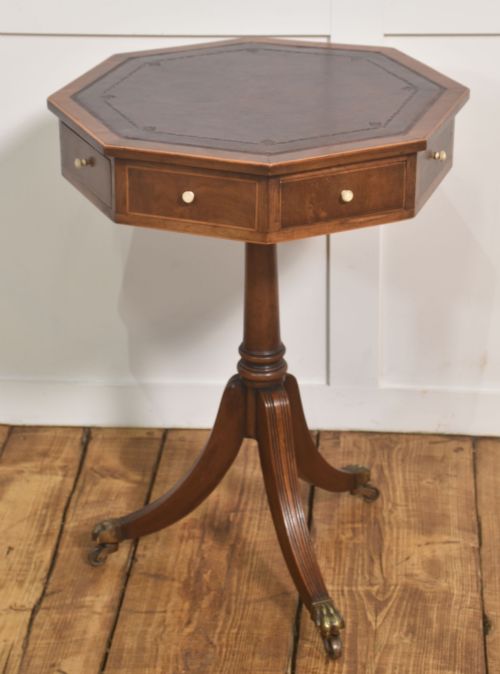
Cabinet makers utilised dense hardwoods such as mahogany, rosewood, walnut, and burr oak for the primary structures, often shaping tops into octagonal, round, or oval forms. Brass served a dual purpose as structural mounts, casters, and delicate stringing or inlay set into the timber surfaces.
Telescopic mechanisms and adjustable hinges allowed reading stands, music desks, and shaving mirrors to alter in height or angle. Cast iron and marble occasionally supplemented the timber and brass framework, particularly on guéridons and heavy display bases.
Tripod Brass Pedestal Retail Price Guide 2026
Typical asking prices for tripod brass pedestal among the pieces listed under this phrase on Sellingantiques today, from the lower quarter to the upper quarter. They describe what is for sale here now, not the wider market.
Some tables double as games boards, featuring inlaid chequer-boards ready for a sudden match.
Distinctions in Standard
Quality rests upon the precision of the brass inlay, the crispness of turned pedestal columns, and the stability of the three-legged base. Finer examples display meticulous matching of timber veneers and secure boxwood or ebony stringing.
The integration of mechanical parts, such as tilt-top catches and adjustable brass fittings, distinguishes superior items from simpler utility pieces. Patina developed through age on both the timber surface and the brass elements indicates genuine period manufacture.
The Tripod Brass Pedestal Glossary
- Tripod table
- A small circular or multifeed table supported on a central pillar with three spreading feet. This design became popular during the eighteenth century for serving tea or holding lamps.
- Tilt-top
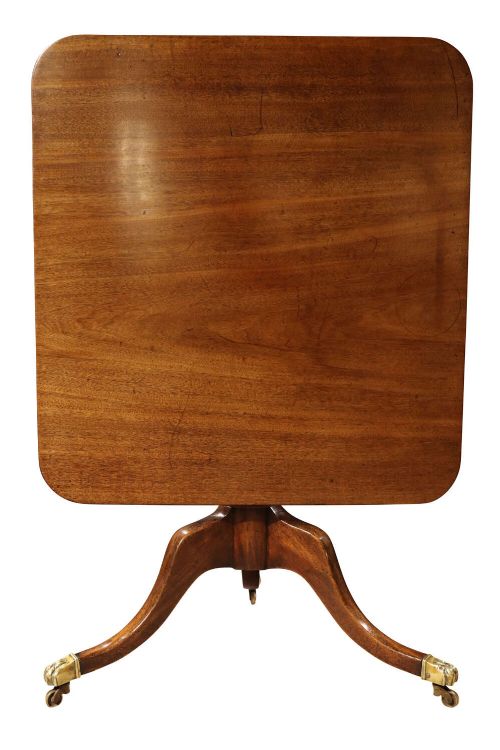
- A tabletop hinged to the pedestal column so it can pivot vertically when not in use. This allowed the furniture to be stored flat against a wall.
- Brass inlay
- Metal set flush into the wooden surface to form geometric patterns or decorative lines. Regency makers frequently combined this technique with rosewood.
- Torchere
- A tall decorative stand designed to hold a light or a plant. They appear in carved wood, brass, and mixed media across various revival periods.
- Gueridon
- A small ornamental table originating in France. These often feature circular marble tops supported by mounted brass bases.
Tripod Brass Pedestal: Frequently Asked Questions
What is a tripod brass pedestal table used for?
These tables served primarily as occasional furniture for holding lamps, books, or tea equipment in principal rooms. Their central pillar design allowed them to fit easily into corners or beside seating.
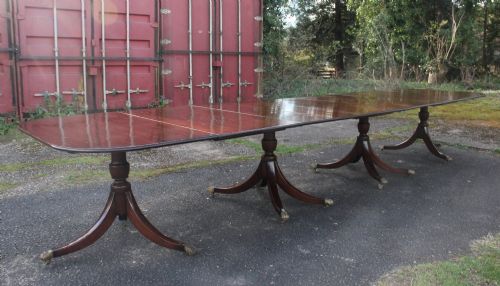
Larger versions functioned as dining or breakfast tables, often built with tilt mechanisms to clear floor space when meals concluded.
How do I date a mahogany pedestal table?
Dating relies on timber selection, structural joinery, and decorative motifs characteristic of periods like George III or Regency. Earlier pieces from the eighteenth century typically exhibit solid mahogany construction and hand-cut dovetails.
Later Victorian and revival pieces often incorporate machine-cut elements, different secondary woods, or specific stylistic revivals such as French Louis XV.
Are brass mounts original to these pieces?
Original brass mounts, casters, and stringing show consistent wear and oxidation appropriate to the age of the timber. Craftsmen fitted them securely into channels carved specifically for the metal.
Replacements or later additions often leave mismatched screw types, cleaner metal surfaces, or disturbed wood fibres around the edges.
How should I care for rosewood and brass furniture?
Rosewood requires stable indoor humidity to prevent the timber from splitting or warping over time. Dusting with a soft dry cloth preserves the finish without harming the grain.
Brass elements can be left with their natural aged patina or gently cleaned with appropriate non-abrasive metal care products, taking care to avoid touching the surrounding wood.