

Tripod Base Side Table
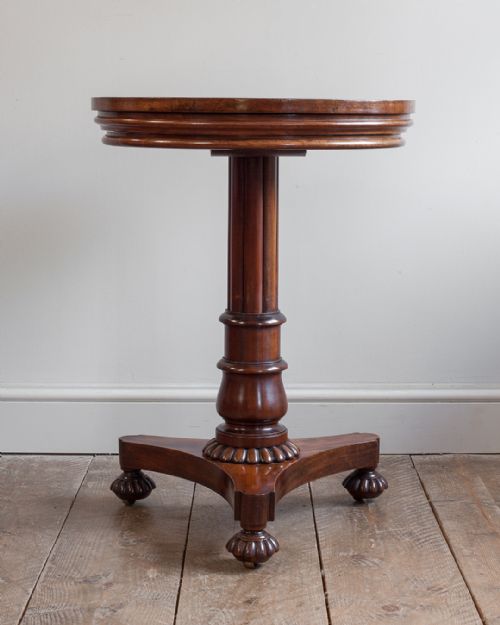
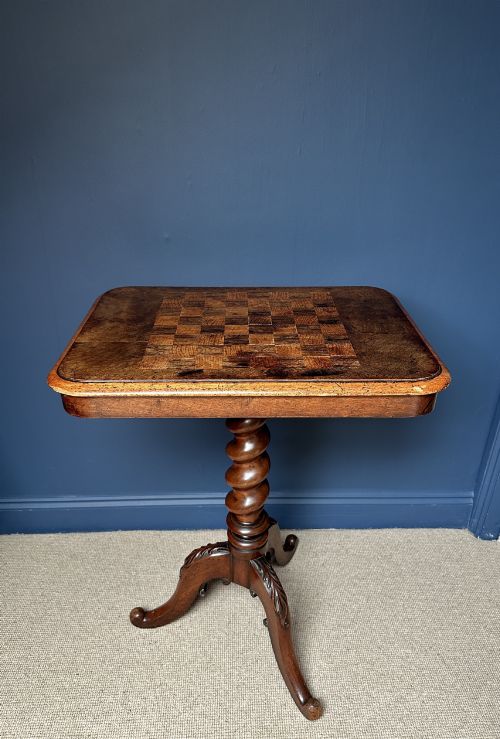
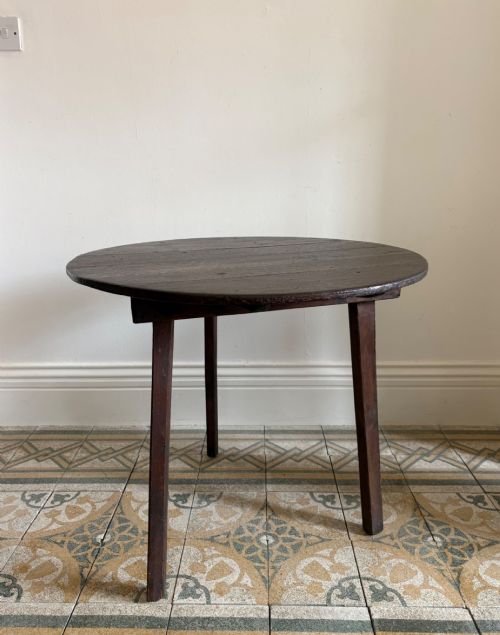
A tripod base side table provides a stable surface with a central pedestal supported by three legs, ideal for compact spaces.
Tripod Base Side Table
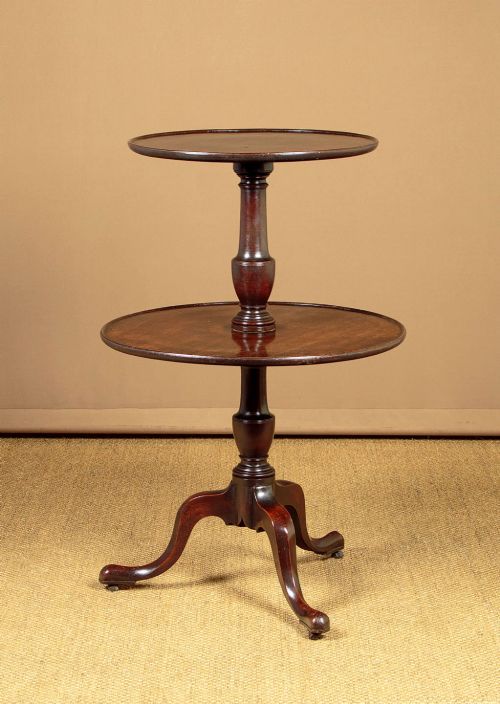
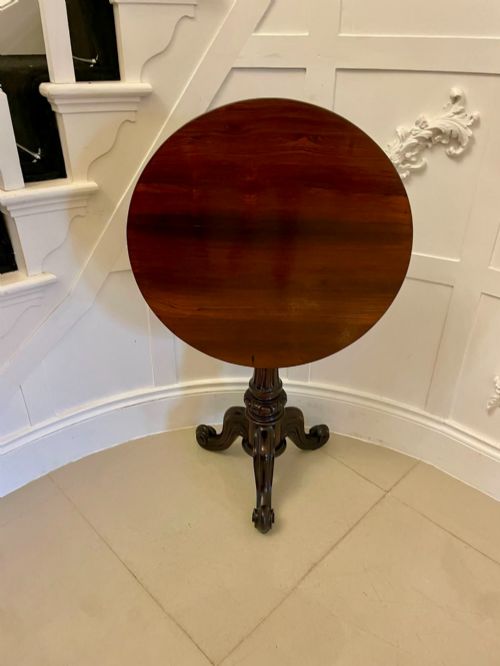
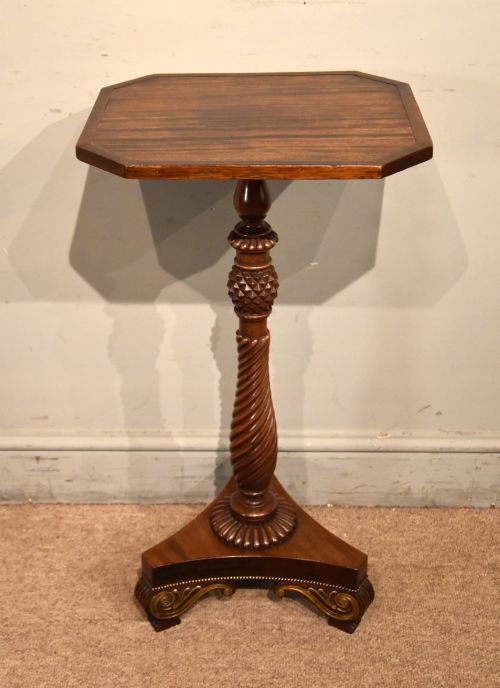
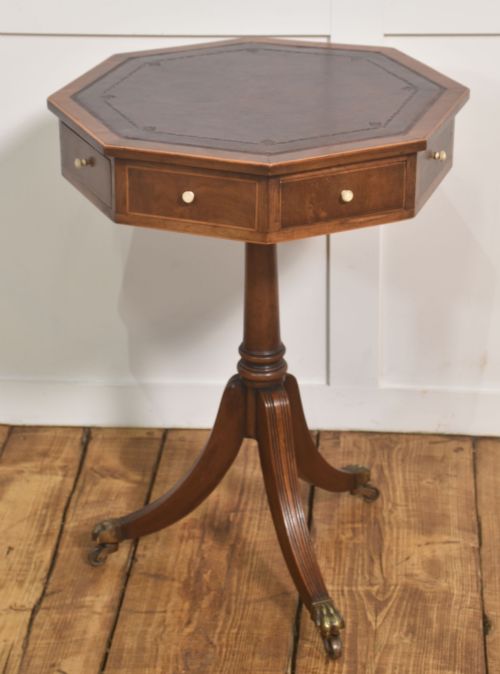
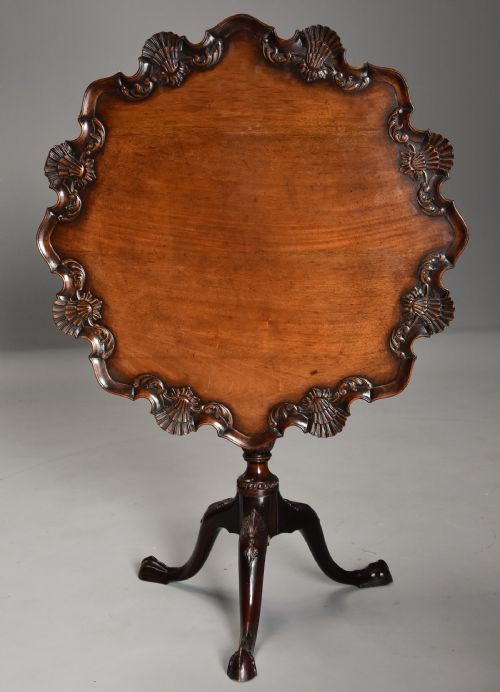
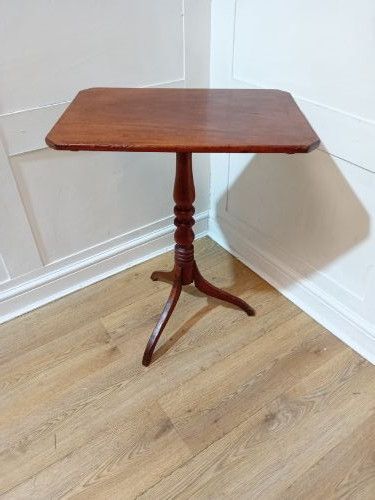
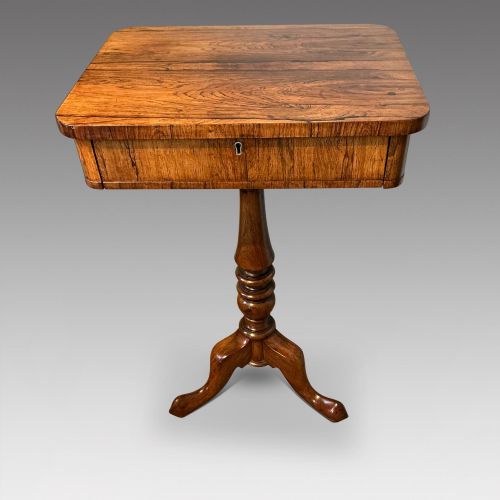
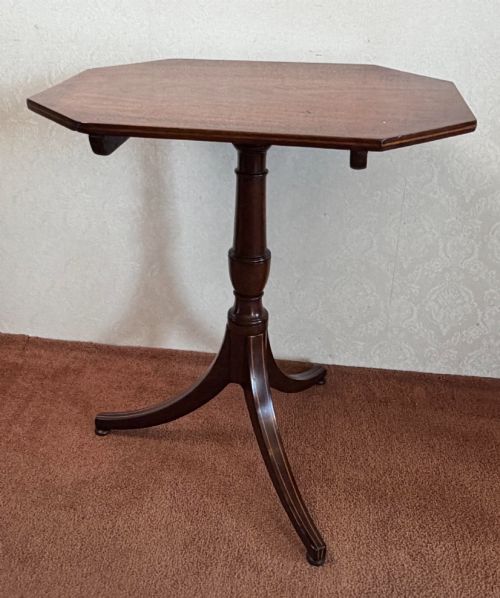
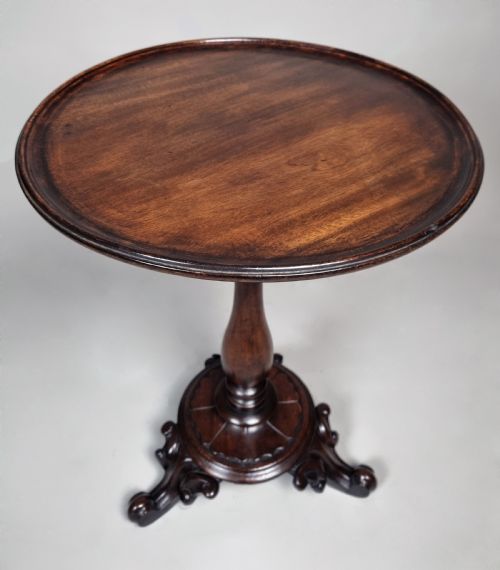
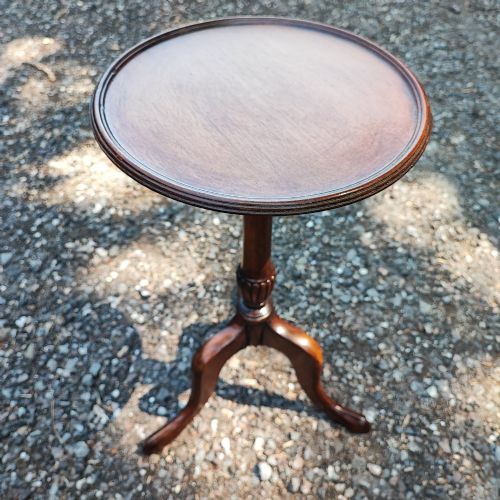
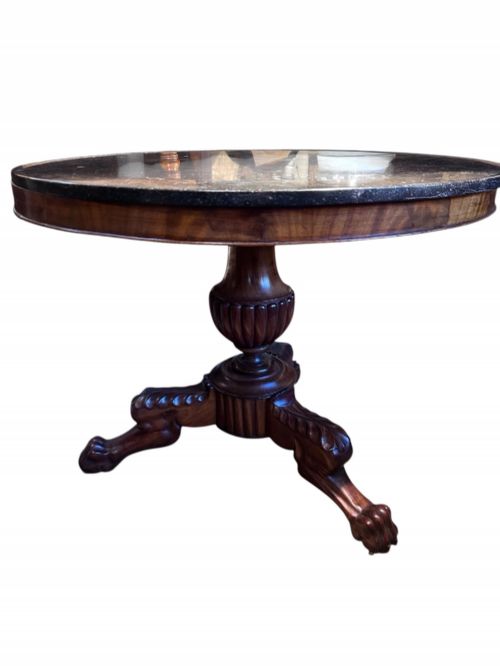
A tripod base side table appears in forms such as wine tables, lamp tables, and occasional tables spanning the Georgian, Regency, and Victorian periods. The selection on this page shows a strong presence of mahogany and rosewood timber, alongside oak and walnut examples.
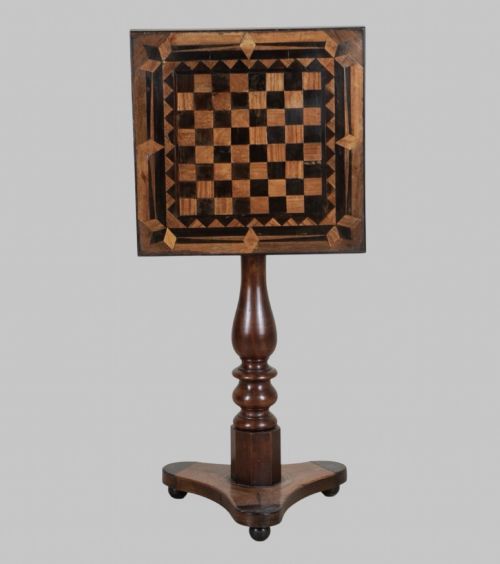
Buyers encounter circular, octagonal, and tilt-top designs intended for flexible placement beside seating or in corners. Pieces range from plain utilitarian wine tables to inlaid pedestal forms and multi-tiered dumb waiters.
Materials and construction
Cabinet makers utilised dense hardwoods like mahogany and rosewood, frequently incorporating boxwood stringing, brass fittings, and marble inserts for decorative surface detail. Turning and carving shape the central pedestals and legs.
Tilt-top and snap-top mechanisms allow circular surfaces to pivot and fold vertically when not in use. Joinery relies on traditional pegging and tenoning to anchor the three-legged base securely to the central shaft.
Tripod Base Side Table Retail Price Guide 2026
Typical asking prices for tripod base side table among the pieces listed under this phrase on Sellingantiques today, from the lower quarter to the upper quarter. They describe what is for sale here now, not the wider market.
A tiny miniature table lets a room pretend it belongs to a very polite household of mice.
Distinction in execution
Quality rests in the crispness of the carving on the tripod legs and the selection of figured timber veneer for the top. Subtle inlay work and sturdy pillar joints distinguish finer workshop production from simpler domestic items.
Proportion between the top and the spread of the base dictates visual balance and physical stability. Original mechanisms and well-preserved timber surfaces hold greater interest than later replacements.
The Tripod Base Side Table Glossary
- Tilt-top table
- A table with a hinged top that pivots to a vertical position for storage. This mechanism allows the furniture to stand flat against a wall when not in use.
- Wine table
- A small, tall pedestal table designed to hold a bottle and glasses. These portable pieces moved easily around a room during evening gatherings.
- Dumb waiter
- A tiered stand with rotating or fixed circular shelves supported on a central column. Dining rooms utilised these to hold dishes without requiring servants.
- Stringing
- A thin line of contrasting wood inlay used to outline table edges and panels. Boxwood is frequently utilised against darker mahogany or rosewood background timbers.
Tripod Base Side Table: Frequently Asked Questions
What is a tripod base side table used for?
These tables function as convenient surfaces for lamps, drinks, or books beside chairs and sofas. Their compact footprint suits small spaces where a four-legged table would crowd the room.
Historically, specific variants such as wine tables or dumb waiters held refreshments during social gatherings. Today, they serve equally well as decorative stands for plants or small sculptures.
How do I identify a Georgian tripod table?
Georgian examples often feature solid mahogany timber with pegged joints, elegant turned columns, and pad or snake feet. The construction prioritises structural integrity and subtle proportion over heavy ornamentation.
Looking underneath reveals hand-cut elements and tool marks consistent with eighteenth-century workshop practices. Timber patination develops a deep, warm lustre over decades of polishing.
Are tilt-top tables stable?
Well-made tilt-top tables lock securely into the horizontal position using a brass catch or wooden peg system. When engaged properly, the top remains firm during normal daily use.
Wear in the pivoting mechanism can introduce slight movement over time. Checking the catch ensures the surface stays level when lowered.
What woods were used for these tables?
Mahogany and rosewood dominate the selection, offering rich grain patterns and durability for everyday furniture. Oak and walnut appear in specific Georgian and Victorian pieces.
Inlay details frequently utilise lighter woods like boxwood to create geometric borders. Secondary woods like pine appear on internal or hidden structural components.