

Tribal Woven Mat
When choosing a tribal woven mat, collectors seek authentic hand-knotted and flatwoven pieces originating from Persian, Caucasian, and Anatolian nomadic traditions.
Tribal Woven Mat
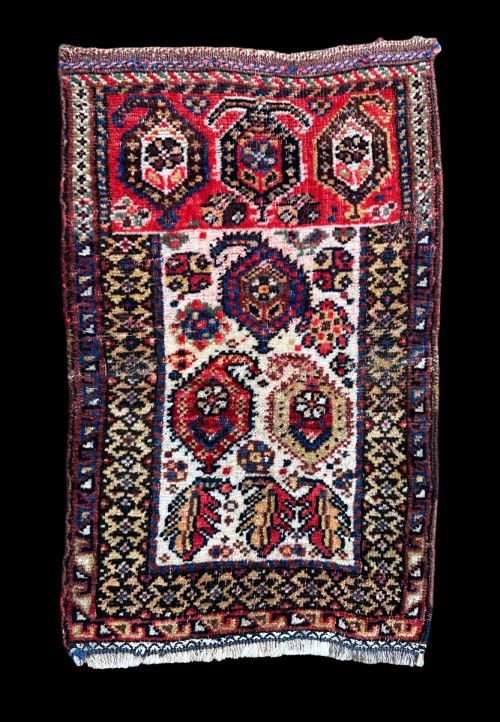
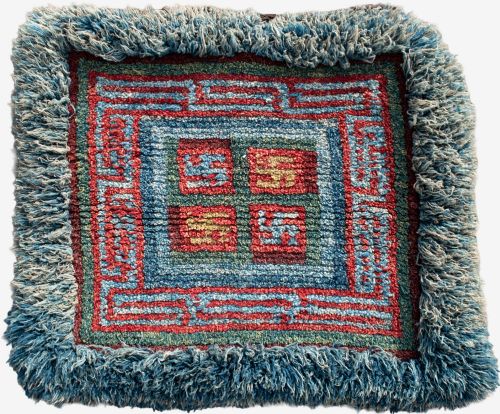
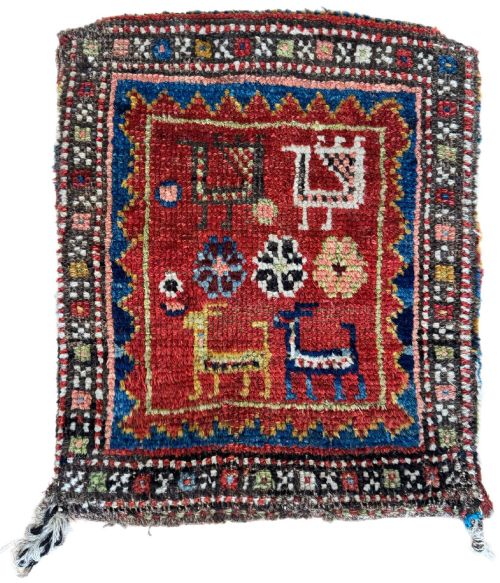
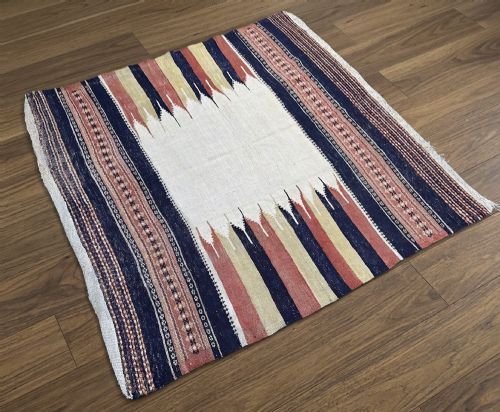
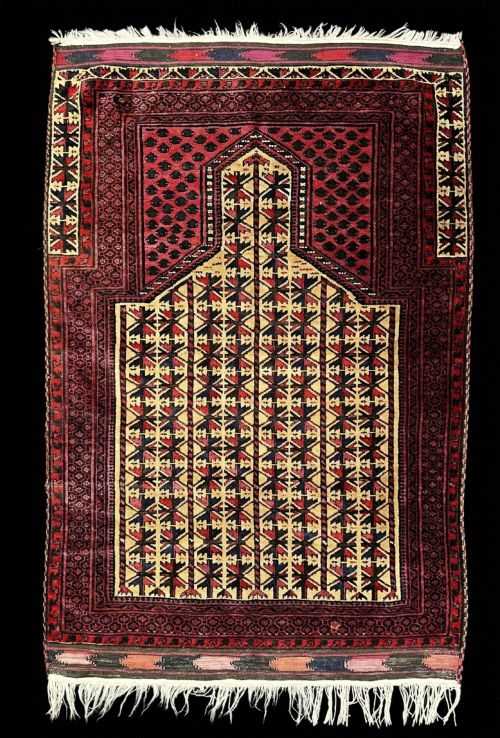
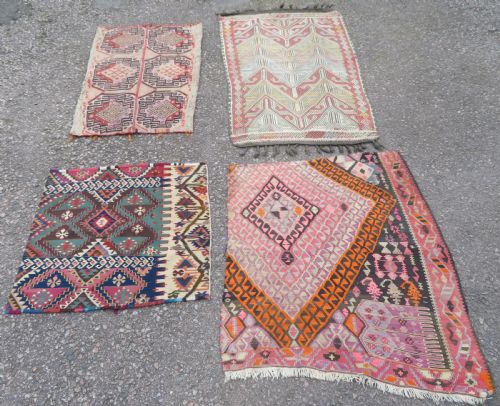
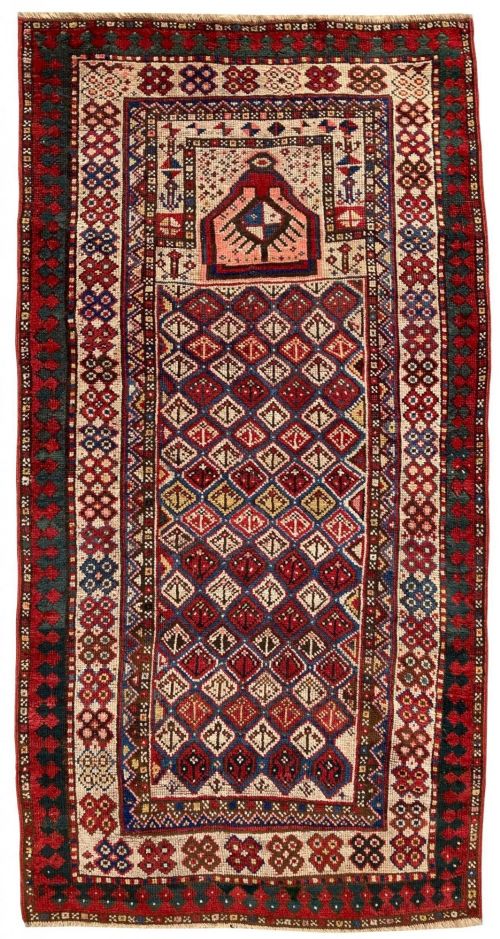
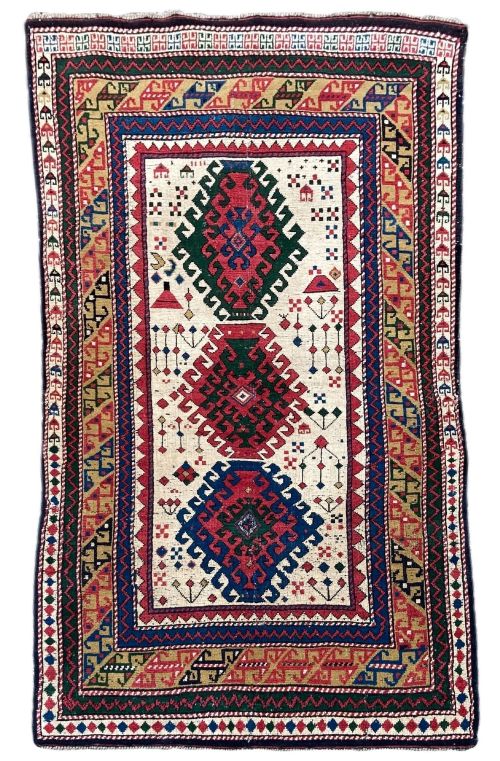
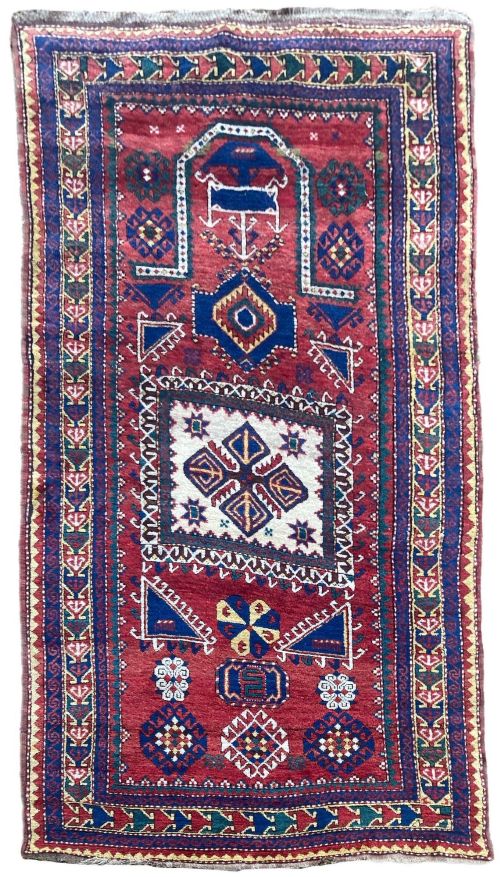
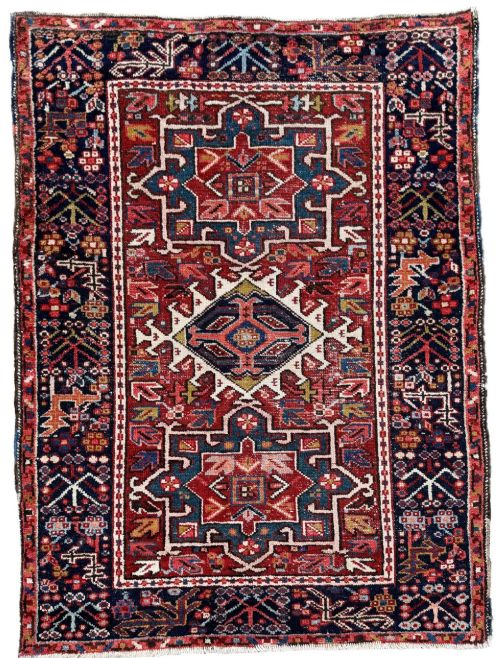
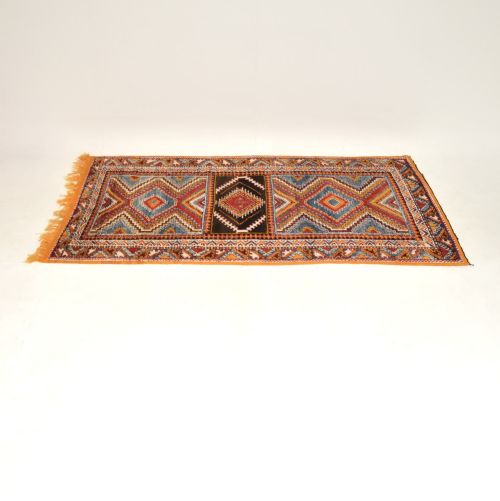
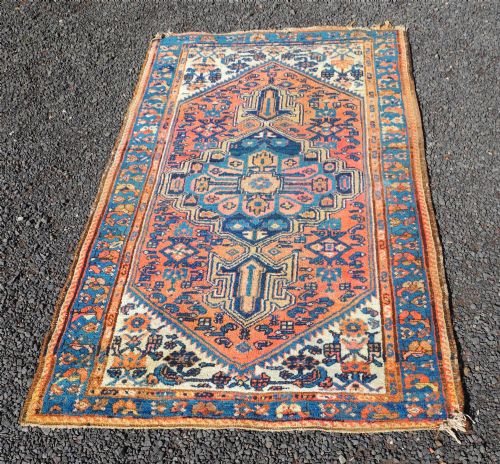
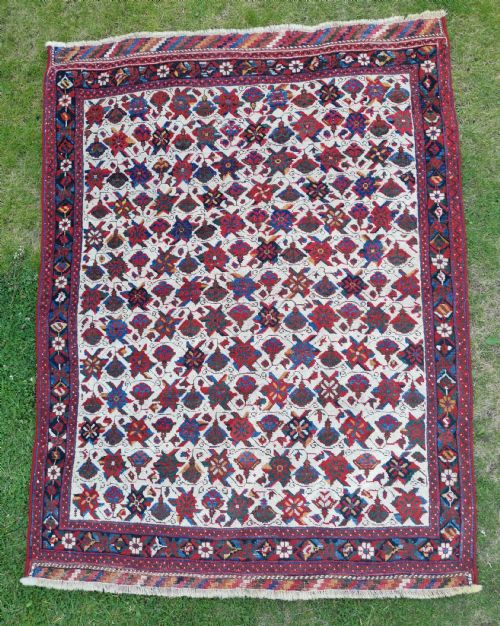
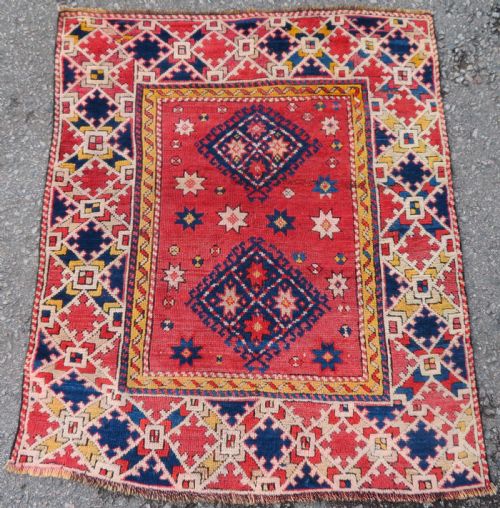
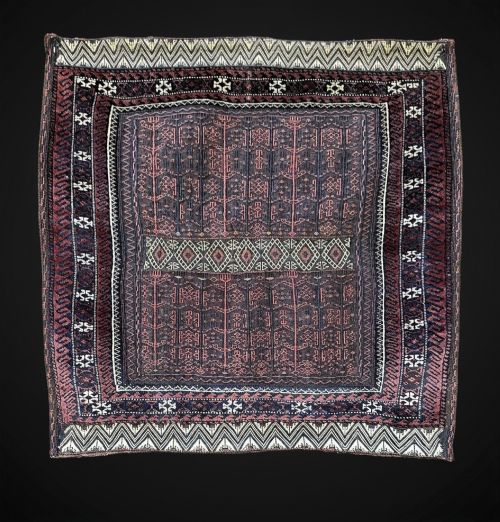
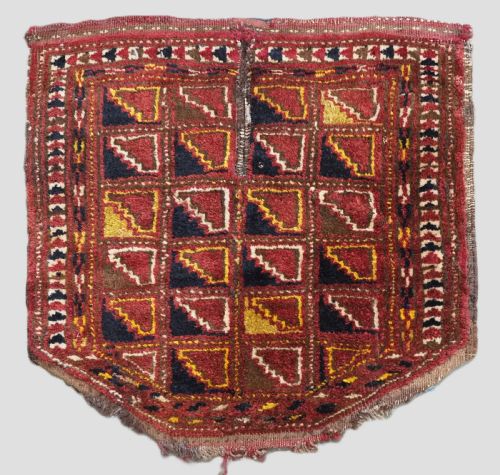
A tribal woven mat encompasses a diverse array of nomadic rugs, prayer rugs, flatweave rugs, and utilitarian items such as bread sofreh, saddle bags, and torba faces. These textiles hail predominantly from Persian, Caucasian, Anatolian, and Turkmen tribal regions, spanning production dates from the mid-nineteenth century into the early twentieth century.
Buyers will most frequently encounter wool area rugs and compact village or tribal formats bearing traditional geometric motifs, such as the gul or prayer mihrab designs. Many of these nomadic works served functional roles within tribal households before entering the antique market.
How they were made
Weavers constructed these textiles predominantly using hand-spun wool for both the pile and foundation yarns, often incorporating cotton for structural integrity in specific regional pieces. Natural dyes provided the deep chromatic palette, yielding varied tones that matured over decades of exposure and use.
Production techniques relied on traditional hand-knotting or flatweaving methods passed down through nomadic confederacies and village groups. Artisans integrated original tassels, braided edges, and complex border systems directly into the primary textile structure during manufacture.
Tribal Woven Mat Retail Price Guide 2026
Typical asking prices for tribal woven mat among the pieces listed under this phrase on Sellingantiques today, from the lower quarter to the upper quarter. They describe what is for sale here now, not the wider market.
Some nineteenth-century saddle covers still retain their original bouncing wool tassels, reminding us these mats once travelled across the desert on camelback.
What varies in quality
Quality diverges notably in the purity of the natural dye palette and the saturation of the wool used by different nomadic groups. Finer pieces demonstrate superior handle through tighter knot density, precise geometric execution, and well-balanced proportions across the field and borders.
The integrity of the original edges, pile height, and surviving tribal attachments such as tassels or complete bag faces heavily influence the standing of an individual textile. Superior examples maintain crisp structural definition and clear regional attribution without excessive intervention.
The Tribal Woven Mat Glossary
- Sofreh
- A type of tribal spread or cloth utilised for kneading dough or sharing meals within nomadic households. These textiles often display striking minimalist or geometric compositions.
- Gul
- A repeating medallion or octagonal motif frequently found in Turkmen and Central Asian tribal weaving. Each tribal group typically utilised distinct variations of this pattern.
- Torba
- A small hanging bag or wall pocket produced by Turkmen and regional nomads for domestic storage. They usually feature detailed face designs intended to be displayed prominently inside a yurt.
- Mihrab
- The arched niche design depicted on prayer rugs, symbolising the direction of Mecca. Weavers oriented this architectural motif toward one end of the textile.
- Flatweave
- A textile constructed without a raised pile by interweaving warp and weft threads directly. Examples include kilims and specific utilitarian covers produced across Anatolia and the Caucasus.
Tribal Woven Mat: Frequently Asked Questions
How do I identify a tribal rug?
Examine the piece for repeating geometric motifs, asymmetric village designs, and saturated wool utilising natural dyes. These characteristics typically point toward nomadic production in regions like Persia, the Caucasus, or Anatolia.
Look closely at the fringe construction, border arrangements, and overall handle of the wool to determine whether the textile originated from a specific tribal confederacy or village workshop.
Where were these woven mats made?
The pieces originate from traditional nomadic and village communities across the Middle East and Central Asia. Major regions represented include Persia, the Caucasus, Anatolia, and Turkmenistan.
Specific tribes and confederacies, such as the Baluch, Afshar, Yomut, and Qashqai, produced distinct styles tailored to their domestic and cultural requirements.
How should I clean my antique rug?
Consult a specialist conservator experienced in handling antique vegetable-dyed wool textiles before attempting any form of wet cleaning. Regular gentle vacuuming without a rotating power brush helps remove surface dust safely.
Avoid exposing antique flatweaves and pile rugs to direct, prolonged sunlight or excessive moisture to preserve the natural dyes and structural wool fibres.
What is a bread sofreh?
A bread sofreh is a utilitarian textile woven by nomadic women for preparing, resting, or serving flatbread within the tribal tent. These textiles often feature restrained central fields surrounded by symbolic borders.
Because they served an everyday domestic purpose, surviving examples display practical construction methods combined with the distinct aesthetic preferences of the maker's tribe.