

Geometric Tribal Textile
A geometric tribal textile delivers robust village and nomadic weaving, bringing direct connection to Persian, Caucasian, and Central Asian heritage into domestic spaces.
Geometric Tribal Textile
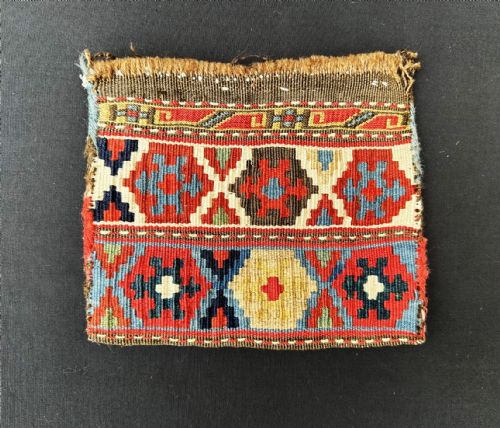
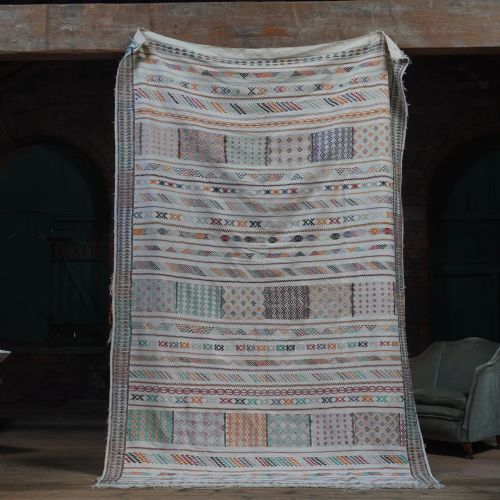
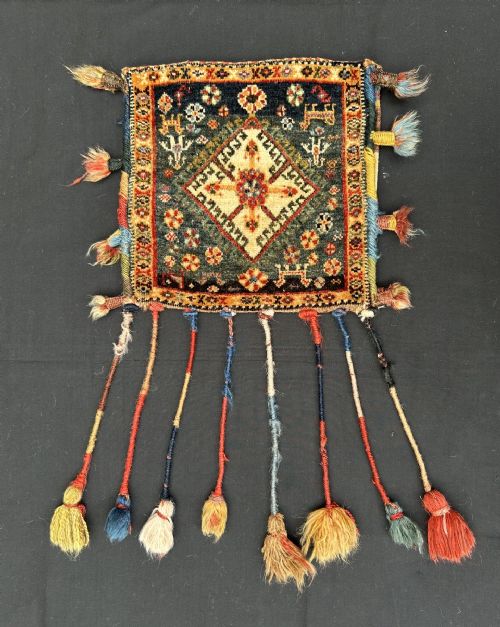
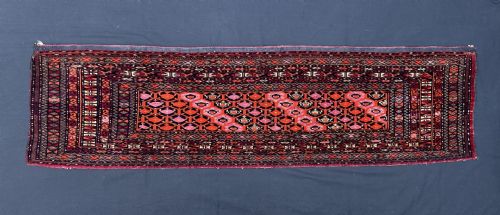
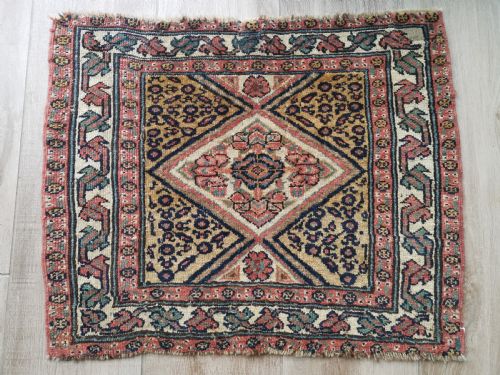
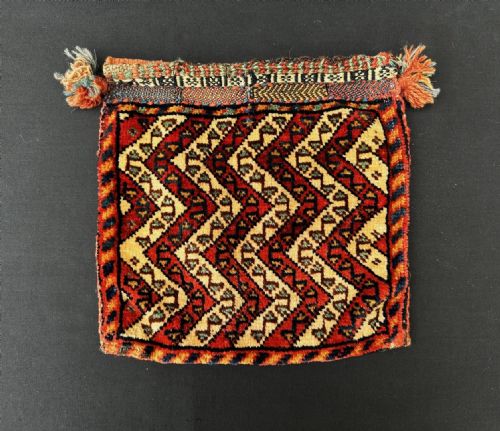
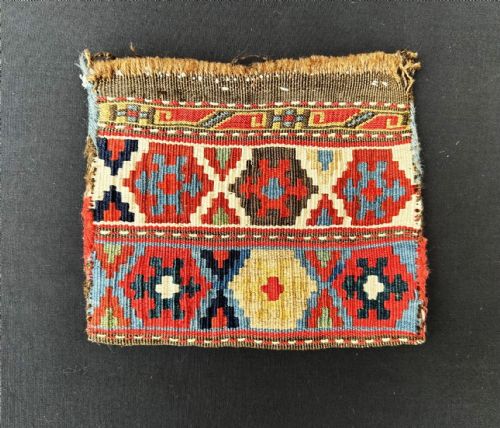
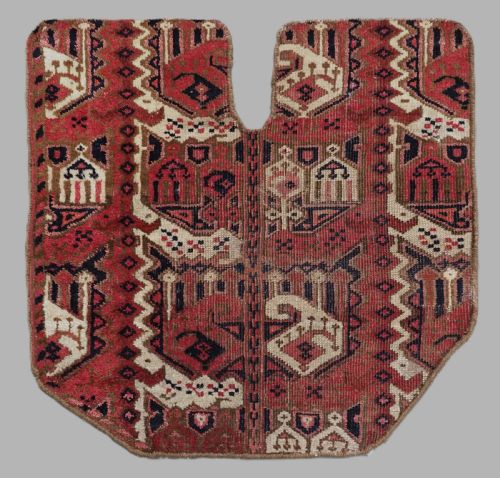
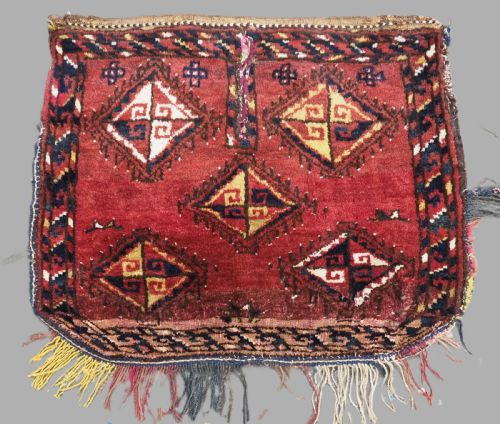
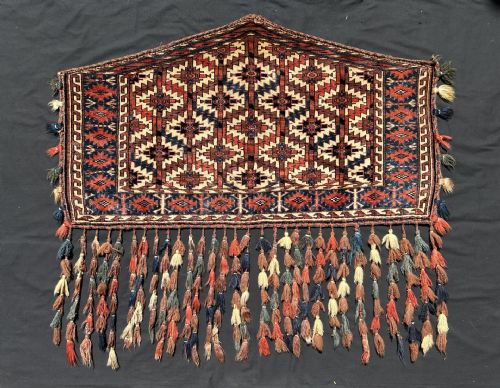
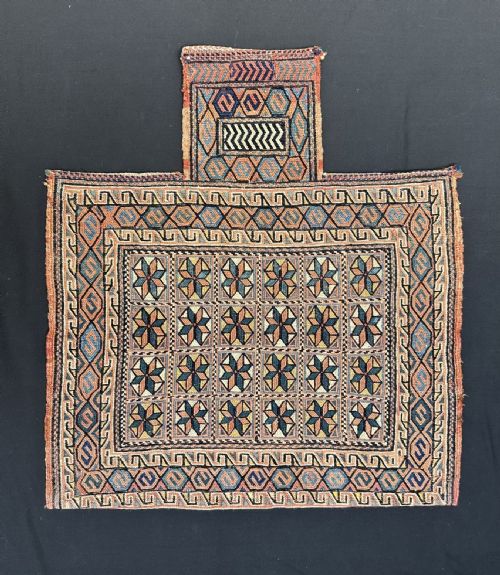
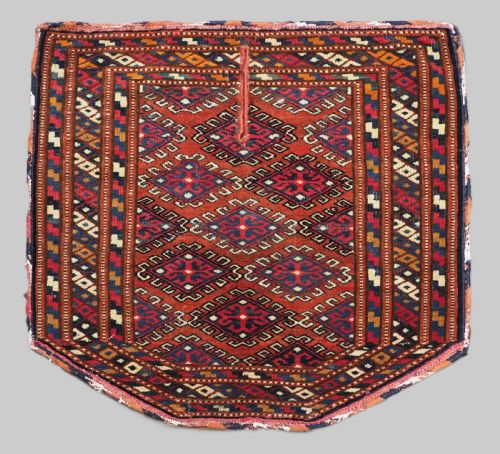
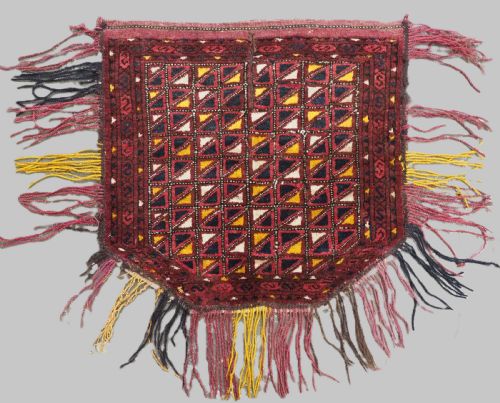
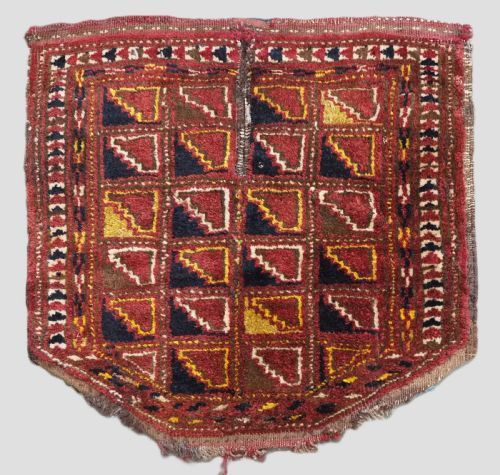
A geometric tribal textile encompasses functional nomadic items such as saddle bags, storage sacks, rugs, cushions, and floor covers originating from nineteenth and early twentieth century tribal groups. Buyers encounter specific regional formats like Afshar vanity bags, Shahsevan sumac khorjin, and Yomut Turkmen tent trappings.
The selection frequently highlights utilitarian pieces created for daily nomadic life, including salt bags, pipe bags, dining sofreh, and spindle bags. These objects reflect the distinct weaving traditions of specific confederacies and subtribes across Persia, the Caucasus, and Central Asia.
Dating across the current inventory spans from the mid nineteenth century through to the early decades of the twentieth century. Examples demonstrate the enduring traditions of makers working within Persian, Turkmen, and Caucasian stylistic frameworks.
Materials and Construction
Weavers utilised hand-spun wool and cotton as the primary structural foundations, frequently incorporating natural dyes to achieve rich colour palettes across pile and flatweave surfaces. Certain pieces integrate specialised materials such as cactus silk, sabra fibre, and embroidered felt.
Techniques range from hand-knotted pile construction to intricate flatweaves like sumac, alongside specialised embroidery on felt grounds. These methods produced durable domestic objects designed to withstand rigorous daily handling within nomadic tents and settlements.
Listings feature nineteen-century and early twentieth-century formats produced in wool, cotton, felt, and cactus silk across Persian and Central Asian regions.
Evaluating Quality
Quality rests upon the fineness of the weave, the structural integrity of original finishes such as tassels and plain weave backs, and the depth of natural dye coloration. Superior examples display precise control over complex geometric motifs and balanced composition.
The distinction between standard utility items and exceptional pieces depends on the preservation of original tribal characteristics and regional iconography. Condition and structural completeness heavily influence the standing of each woven piece.
The Geometric Tribal Textile Glossary
- Sofreh
- A woven spread or cloth utilised for dining, processing bread, or preparing food within nomadic households. These flatwoven pieces often display striking geometric field patterns.
- Torba
- A small storage bag produced by Turkmen and Central Asian tribes, traditionally hung inside a tent to store household possessions. They frequently feature characteristic gul motifs and border designs.
- Khorjin
- A traditional double saddle bag designed for transport on animals during tribal migrations. Both faces generally exhibit coordinated or mirrored geometric ornamentation.
- Sumac
- A flatweaving technique involving coloured weft threads wrapped around warp threads to create a sturdy, textured surface. This method allows for crisp diagonal lines and intricate geometric patterns.
- Jollar
- A wide decorative band or bag face produced by Turkmen weavers, often positioned inside the yurt. They display classical tribal motifs executed in rich wool.
Geometric Tribal Textile: Frequently Asked Questions
What is a tribal textile?
A tribal textile is a utilitarian woven object created by nomadic or village populations for practical daily use, such as transportation, storage, or flooring. These pieces are distinguished by distinct regional patterns and traditional construction methods.
Items range from saddle bags and salt sacks to dining cloths and small rugs, each carrying the specific design vocabulary of groups like the Afshar, Shahsevan, or Yomut Turkmen.
How were these bags used?
Nomadic groups utilised these woven pieces for packing belongings, storing food and tobacco, transporting personal items on animals, and furnishing the interior of tents. Every format served a precise domestic or migratory function.
Bags held salt, pipes, grain, or vanity items, while larger textiles functioned as covers, floor spreads, or architectural tent hangings within the encampment.
How do I identify tribal regions?
Regional attribution relies on specific structural formats, colour choices, and characteristic geometric motifs associated with particular tribes or confederacies such as the Qashqai or Ersari. Each group developed a recognizable visual language.
Comparing border designs, medallion structures, and weave types against known regional examples helps determine the likely geographic origin of a textile.
How should I live with them?
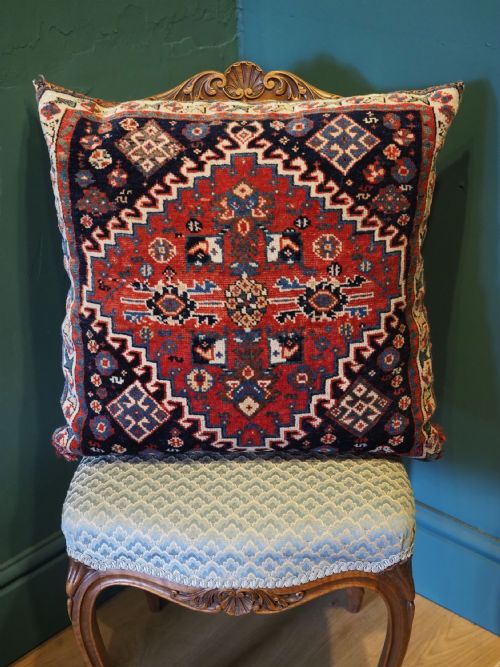
These textiles integrate well into modern interiors as wall hangings, small floor accents, table covers, or distinct cushions. Their robust construction suits areas with moderate foot traffic or vertical display.
Protecting antique wool and natural dyes from direct, prolonged sunlight preserves the coloration and integrity of the fibres over time.