


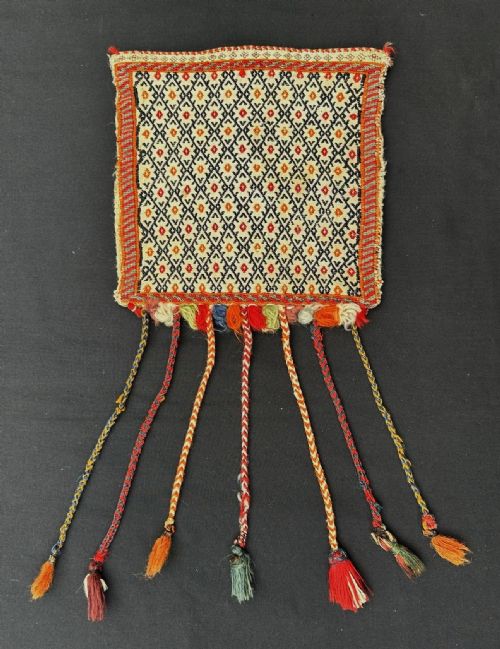
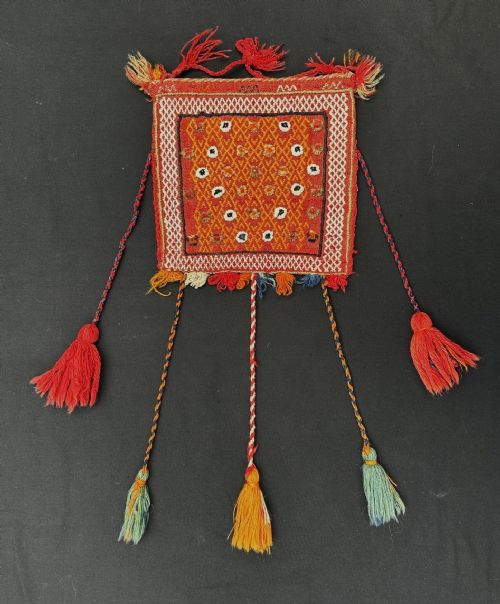


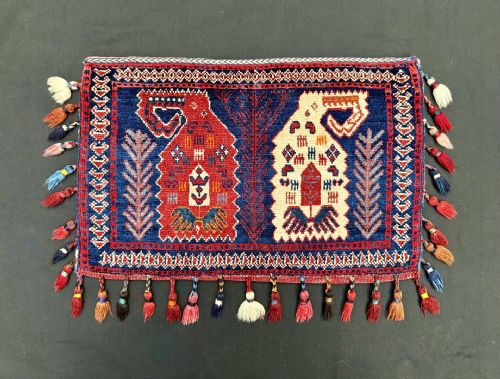
Tribal Vanity Pouch
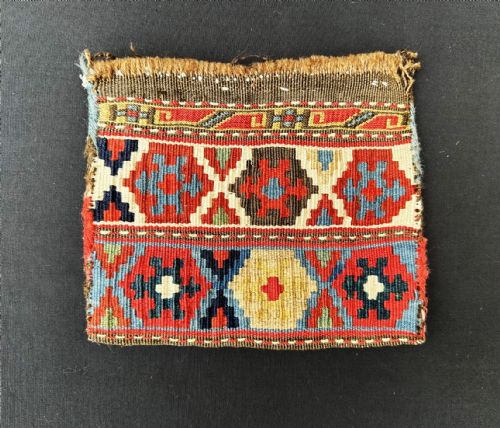
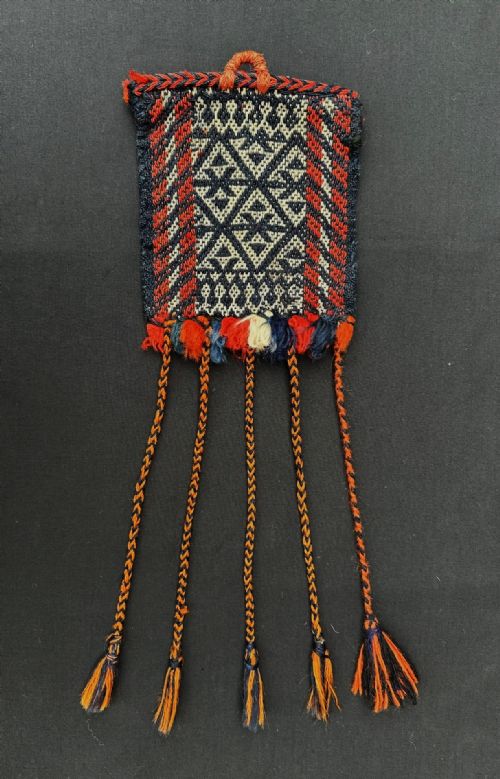
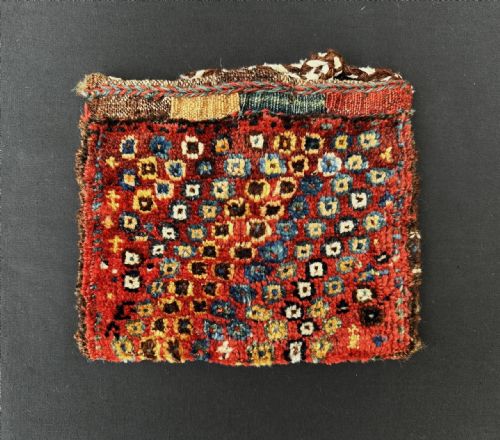
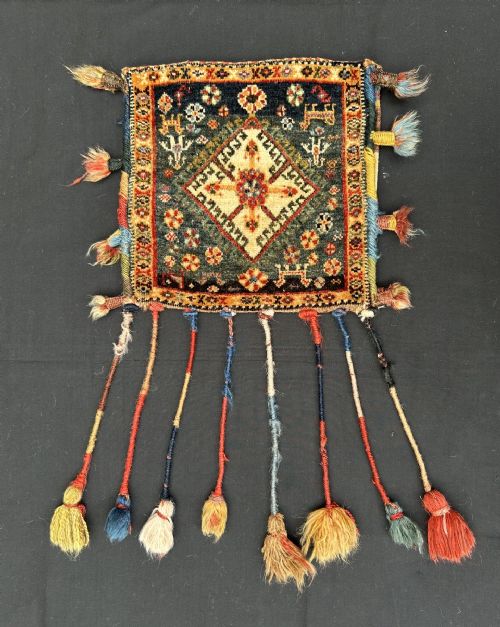
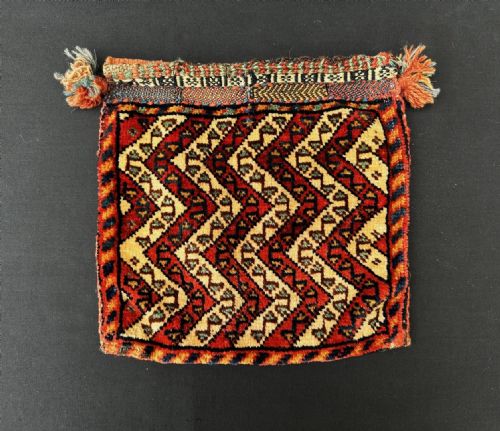
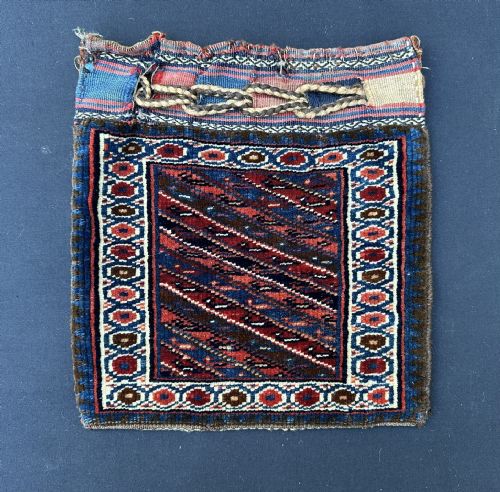
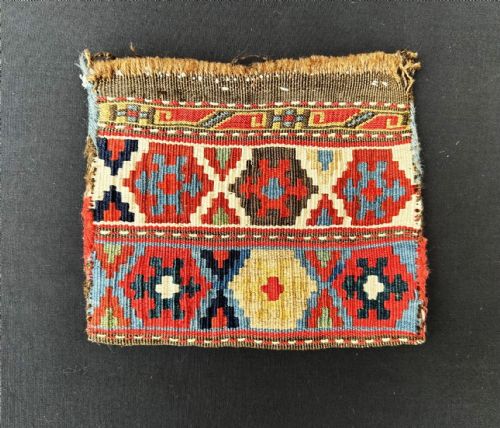
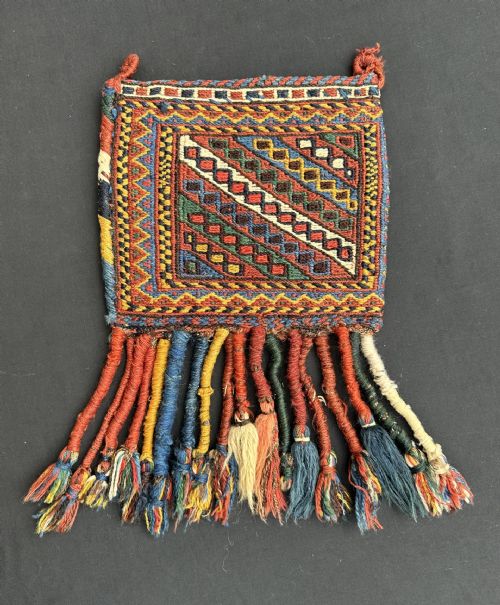
These tribal vanity pouch examples are woven Persian bags carrying centuries of nomadic artistry.
Tribal Vanity Pouch
A tribal vanity pouch represents small personal storage woven by nomadic groups across Persia, appearing in forms such as vanity bags and textile storage pouches. These pieces originate from distinct tribal confederacies and sub-tribes including the Qashqa'i, Shahsevan, Afshar, and Baluch.
The objects date from the nineteenth and early twentieth centuries, spanning periods from eighteen-sixty through nineteen-twenty. They serve as tangible examples of regional weaving traditions practised in provinces like Fars, Kerman, Khorassan, and Azerbaijan.
Materials and construction
The construction relies primarily on hand-spun wool and cotton foundation threads, combined with natural dyes to create the characteristic palette. Artisans incorporate cowrie shells into the textile work for surface embellishment and traditional decoration.
Weaving techniques reflect specific regional styles associated with Persian, Caucasian, and Baluch tribal groups. These methods produce durable textile bags designed for functional daily use within nomadic communities.
Listings span the period from eighteen-sixty to nineteen-twenty, featuring wool, cotton, natural dyes, and cowrie shells.
Aspects of quality
Quality resides in the precision of the weave and the complexity of the tribal motifs executed by the weaver. Finer examples display tighter knotting or more intricate geometric structures across the surface of the bag.
The integrity of the natural dyes and the preservation of original materials like hand-spun wool and cowrie shells influence the standing of each pouch. Regional characteristics remain distinct in higher-grade pieces, showing clear affiliation to specific sub-tribes.
Shahsevan Nomads·Afshar Nomads·Baluch Salar Khani
The Tribal Vanity Pouch Glossary
- Vanity pouch
- A small portable bag utilised by nomads for personal items and small possessions. These textiles showcase specialised regional weaving.
- Natural dye
- Colouring derived from plant and mineral sources rather than synthetic compounds. This contributes to the rich patination seen on older pieces.
- Cowrie shell
- Small marine mollusc shells sewn onto tribal textiles for ornamentation. They frequently appear on nineteenth-century Persian bags.
- Hand-spun wool
- Yarn processed manually on a drop spindle rather than by industrial machinery. This imparts irregular texture and durability to the textile.
- Tribal confederacy
- A large alliance of nomadic or semi-nomadic tribes sharing cultural and regional ties. Groups like the Qashqa'i comprise multiple sub-tribes.
Tribal Vanity Pouch: Frequently Asked Questions
What is a tribal vanity pouch?
A tribal vanity pouch is a small woven bag created by nomadic groups in Persia during the nineteenth and early twentieth centuries.
These pieces were utilised for personal storage and reflect the specific regional patterns of groups such as the Qashqa'i, Afshar, and Shahsevan.
How were these pouches used?
Nomadic communities used these small bags to store personal items, coins, or small trinkets during travel and daily camp life.
Their portable size and durable wool construction made them practical accessories for life on the move.
What materials make up the bags?
The primary materials are hand-spun wool and cotton, dyed using natural substances to achieve traditional colours.
Many examples also incorporate cowrie shells stitched onto the fabric for decoration and cultural significance.
How do you date a tribal vanity pouch?
Dating relies on analysing the wool quality, natural dye palette, and specific tribal motifs typical of periods between eighteen-sixty and nineteen-twenty.
Changes in structure and regional weaving characteristics help place pieces into particular decades.
Where do these pouches originate?
They originate from various provinces across Persia, including Fars, Kerman, Khorassan, and Azerbaijan.
Different sub-tribes within these regions developed distinct styles of weaving and ornamentation.