



Caucasian Flatweave Textile
A caucasian flatweave textile brings bold nomadic geometry and rich regional history directly into a modern interior.
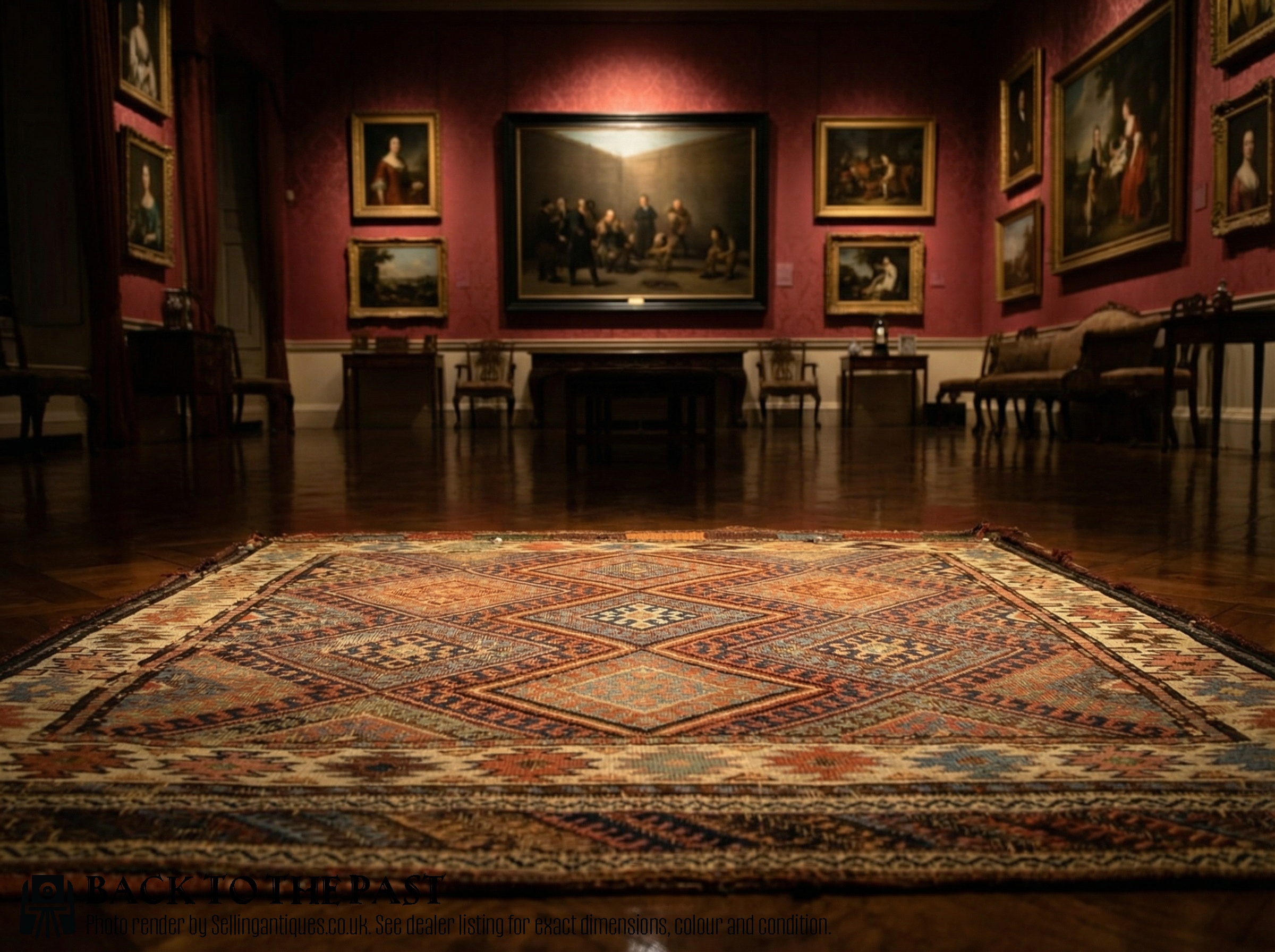
Caucasian Flatweave Textile
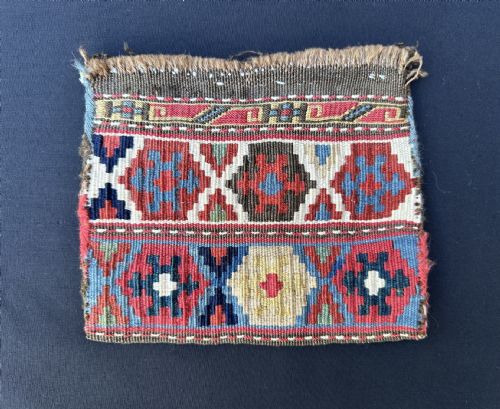
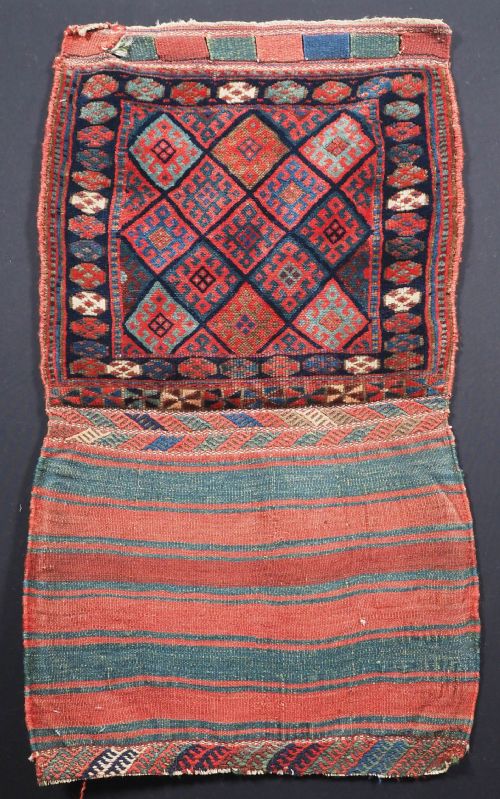
When you search for a caucasian flatweave textile, you encounter striking nomadic weavings originating from the Caucasus region and surrounding areas such as Azerbaijan and north-west Persia. These pieces include storage bags, saddle bags, mafrash panels, and kilim rugs created by tribal groups.
The selections available here span from the mid-nineteenth century into the early twentieth century, capturing the traditional output of Shahsavan nomads and Kurdish tribes. You will frequently find functional items repurposed into wall-mounted panels or small kilims.
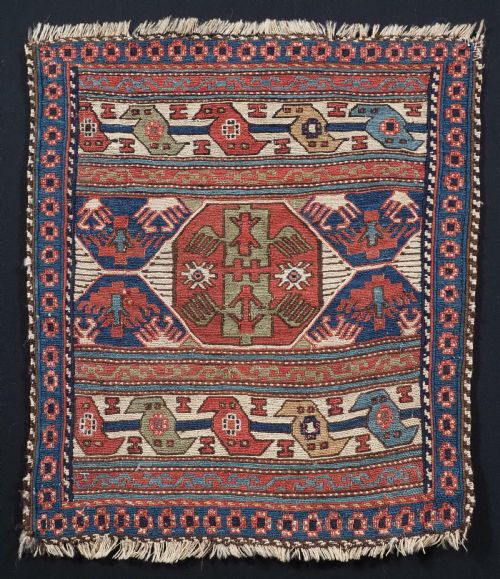
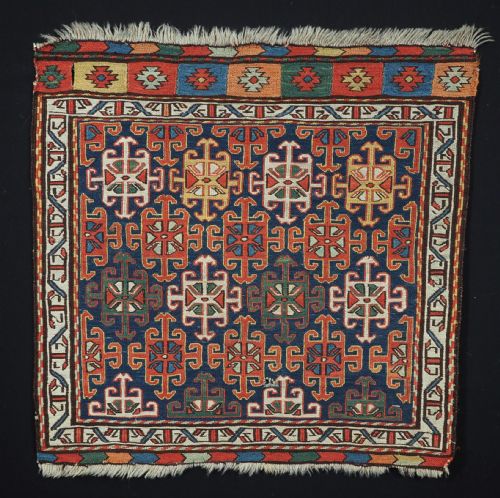
Storage containers and bag faces form a significant portion of these listings, often displaying intricate soumak technique alongside flatweave structures. Each object reflects the utilitarian needs of pastoral communities combined with distinctive tribal artistry.
Materials and construction methods
The makers relied primarily on hand-spun wool and cotton, occasionally incorporating silk and wood details to construct durable textiles. Natural dyes and vegetable dyes provided the deep chromatic palette seen across the pieces.
Weavers utilised flatweaving and soumak techniques to build complex geometric and figurative motifs, including birds and dragons. These structural methods created sturdy utilitarian objects designed to withstand nomadic daily life.
The listings span from 1850 to 1920, predominantly featuring wool, cotton, and natural vegetable dyes.
Evaluating quality in tribal flatweaves
The fineness of the hand-spun wool and the complexity of the soumak wrapping distinguish superior examples from simpler utilitarian pieces. Tighter weave structures and well-preserved natural dye colours indicate a higher tier of craftsmanship.
The clarity and intricacy of traditional motifs, such as animal figures or geometric panels, elevate certain bag faces and kilims. Integrity of the original flatweave structure alongside minimal structural intervention marks the upper end of the range.
The Caucasian Flatweave Textile Glossary
- Soumak
- A brocade-like flatweaving technique where coloured wool wrap threads are looped around the warp threads to create a textured, durable surface. This method allows for precise geometric and figurative designs.
- Mafrash
- A large rectangular storage bag or hamper used by nomads for bedding and household goods, typically constructed from four side panels and a base. Surviving panels are frequently mounted or converted into flat rugs.
- Khorjin
- A traditional pair of saddle bags linked by a central web, designed to be draped over horses or camels for transport. They feature reinforced openings and flatweave backs.
- Jajim
- A lightweight, striped flatwoven textile traditionally utilised as a coverlet or tent divider. They often combine wool, cotton, or silk in vibrant colour bands.
Caucasian Flatweave Textile: Frequently Asked Questions
What is a mafrash panel?
A mafrash panel is one side of a large rectangular storage container woven by nomadic groups for domestic use.
These panels are frequently salvaged from older bags and mounted as flat textiles or small kilims for display.
How were these bags used?
Nomadic tribes utilised these woven containers for transporting and storing household belongings, bedding, and provisions during seasonal migrations.
Saddle bags carried gear on pack animals, while larger storage chests kept interiors organised.
How do I care for a flatweave textile?
Protect these textiles from direct sunlight to preserve the natural and vegetable dyes over time.
Gentle surface vacuuming through a mesh screen helps remove dust without damaging the hand-spun wool fibres.
What distinguishes Shahsavan weaving?
Shahsavan pieces often feature precise soumak technique and distinct motifs such as stylised birds and dragons.
Their work frequently originates from the Moghan region and north-west Persia.