

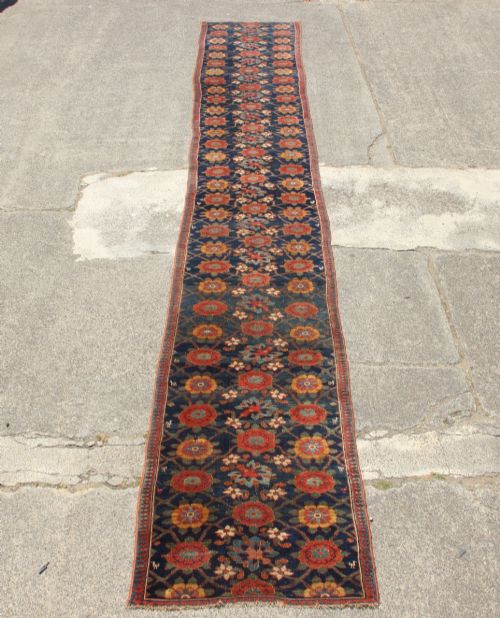
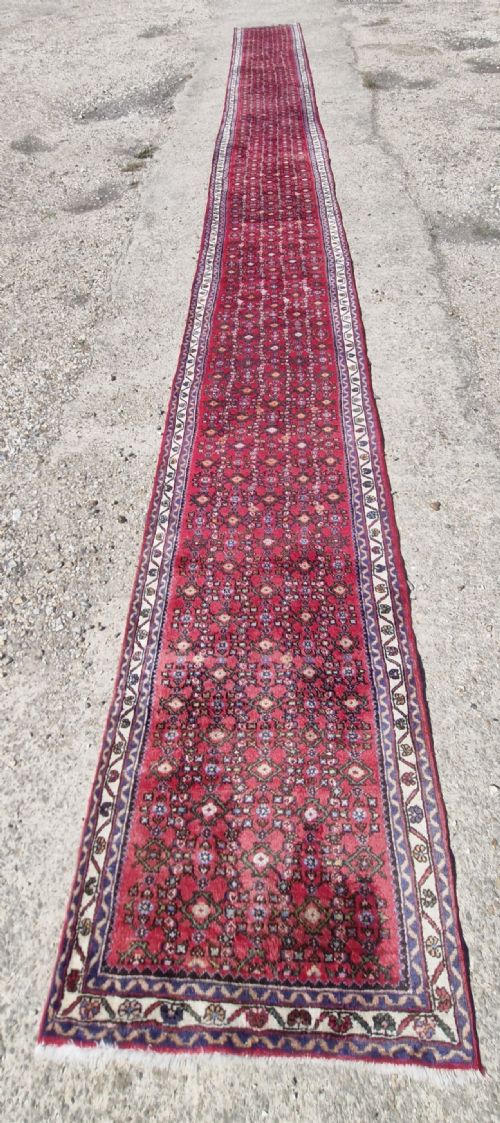

Tribal Wool Long Rug
A tribal wool long rug brings substantial floor coverage through bold geometric patterns and deep regional character.
Tribal Wool Long Rug
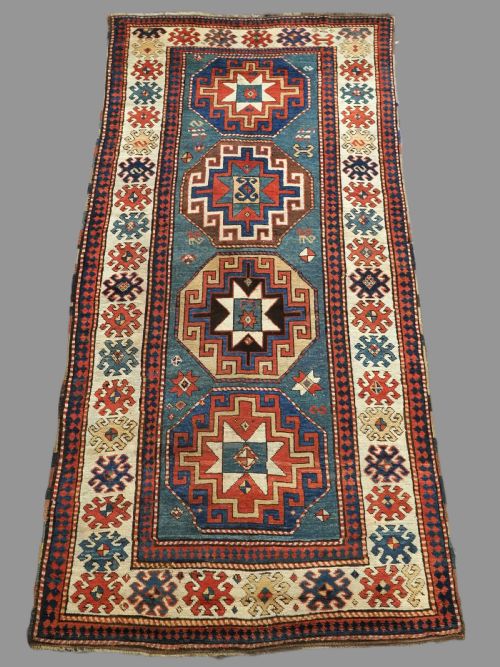
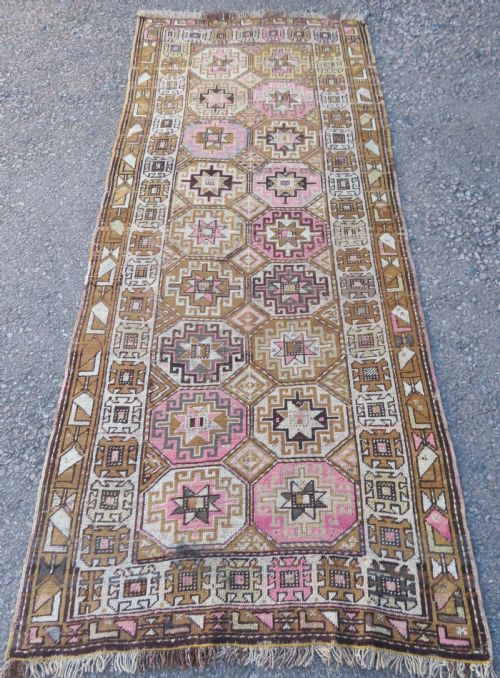
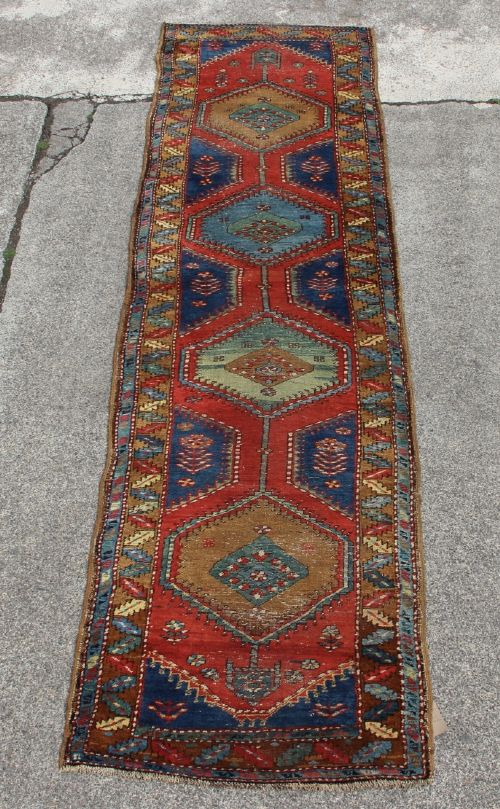
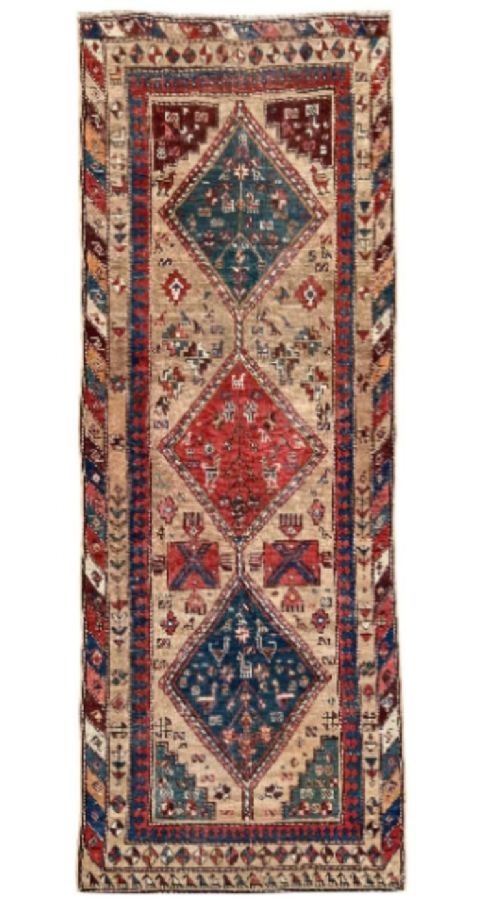
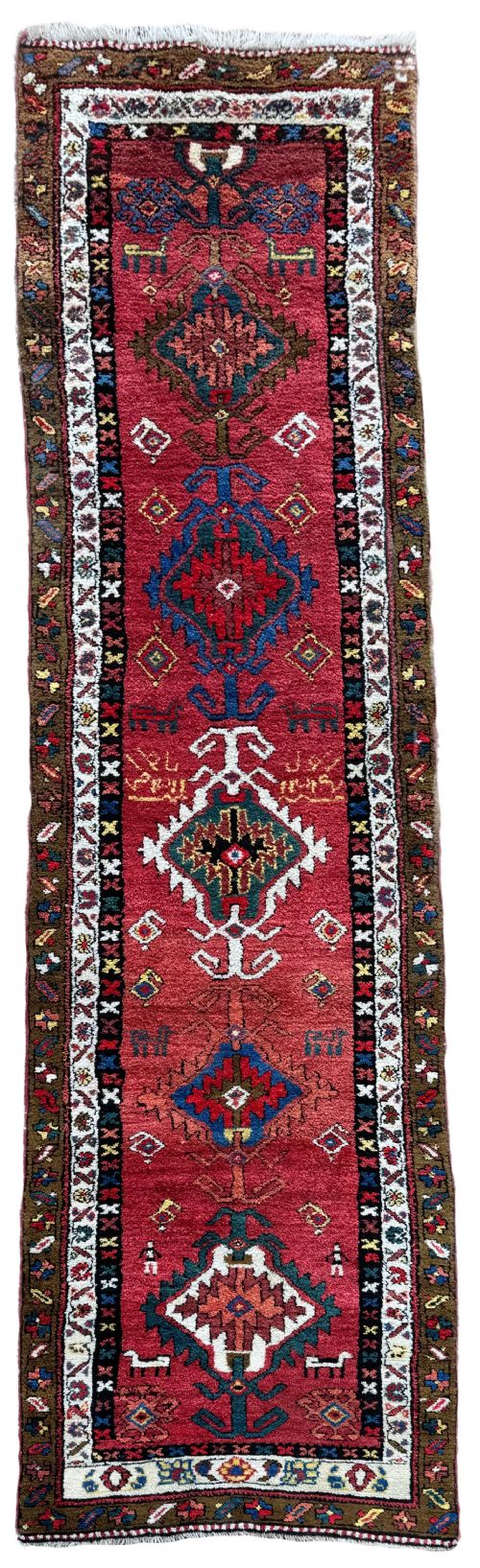
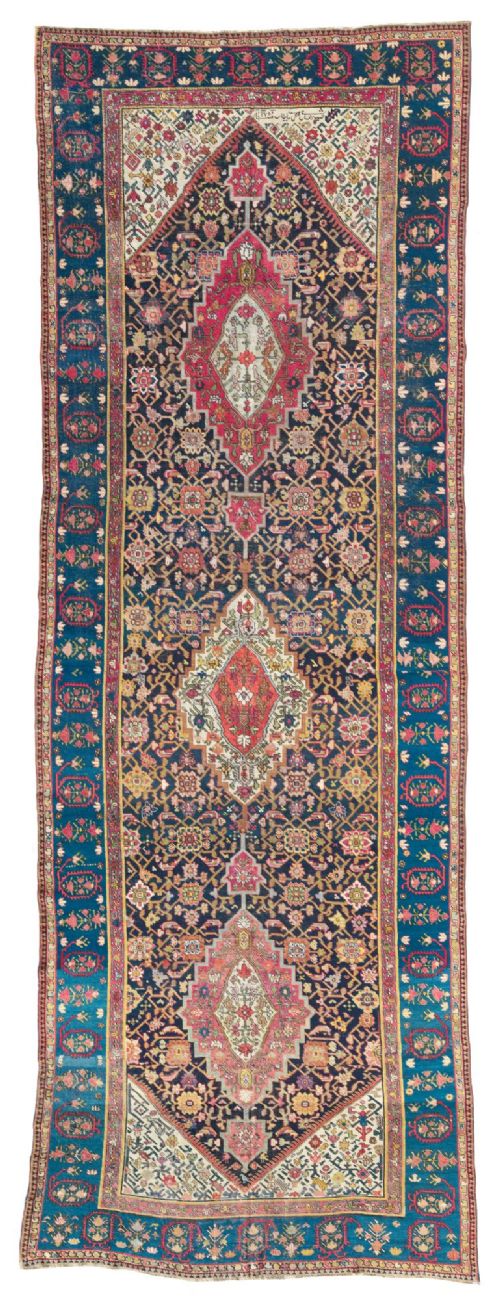
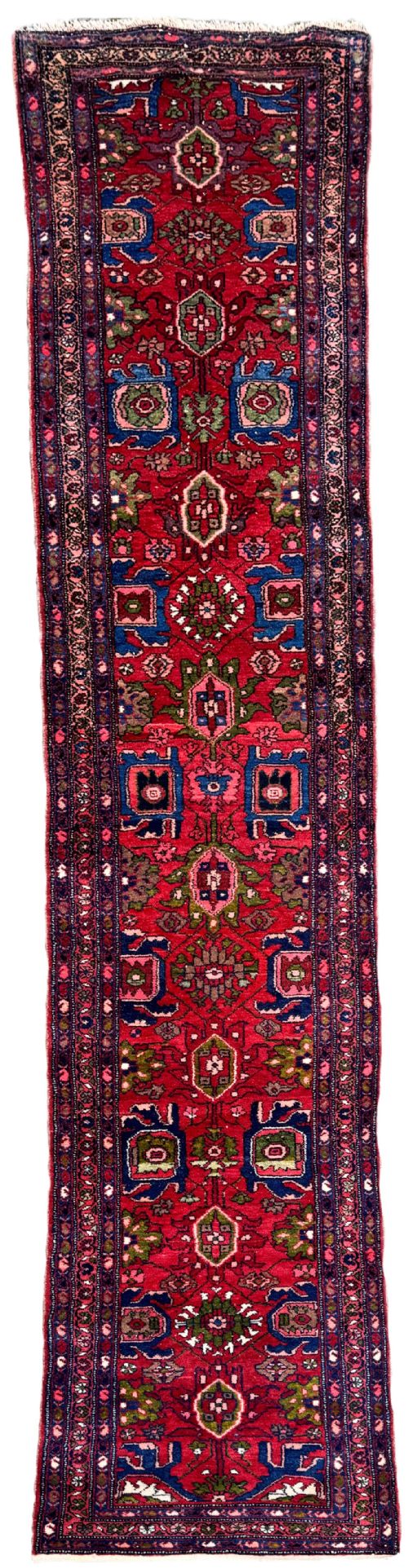
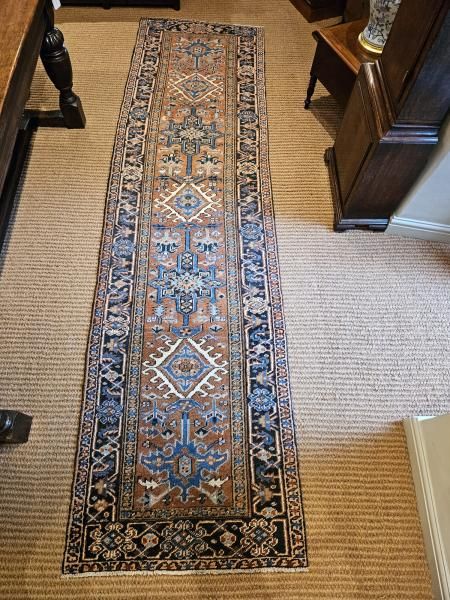
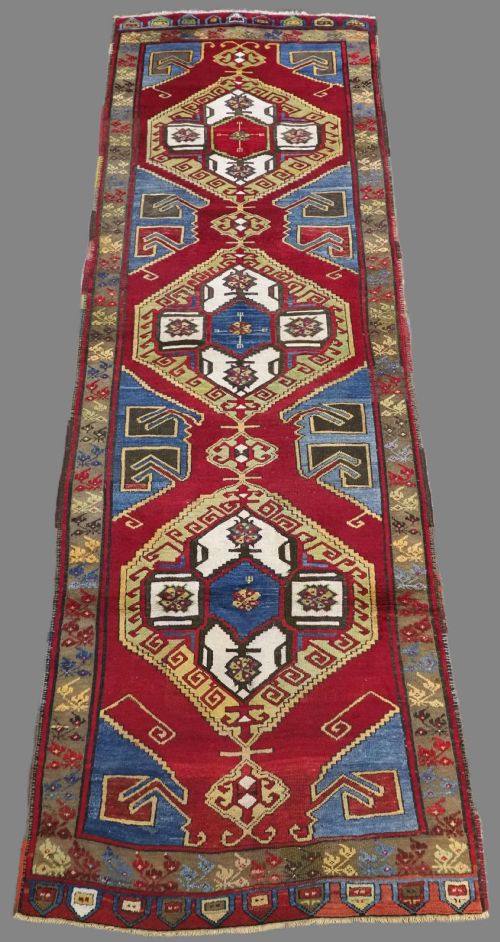
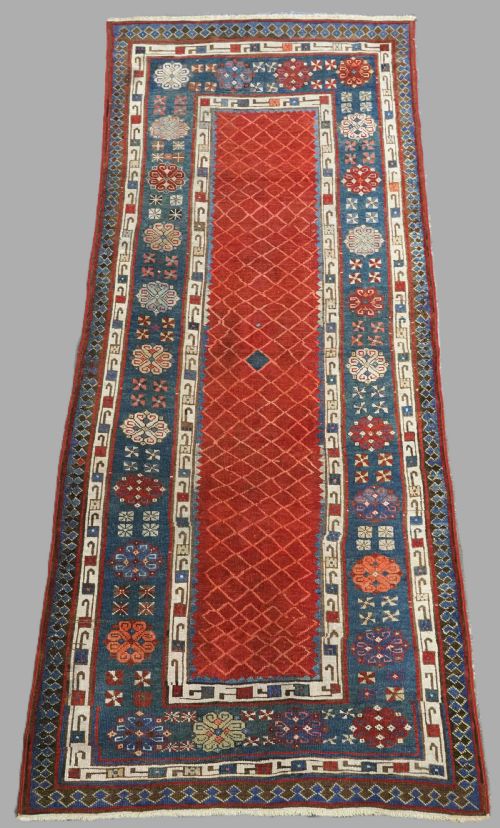
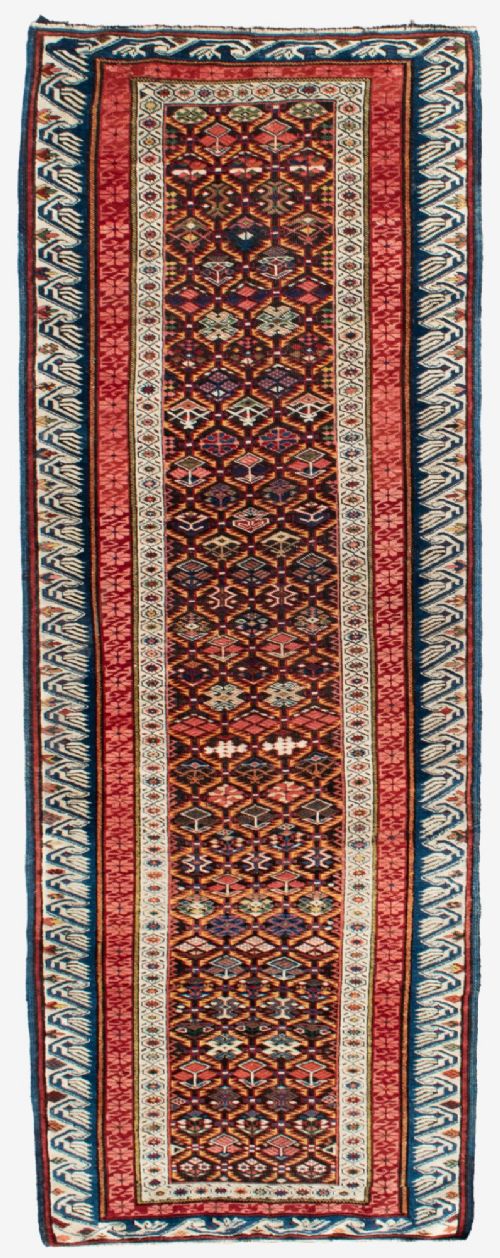
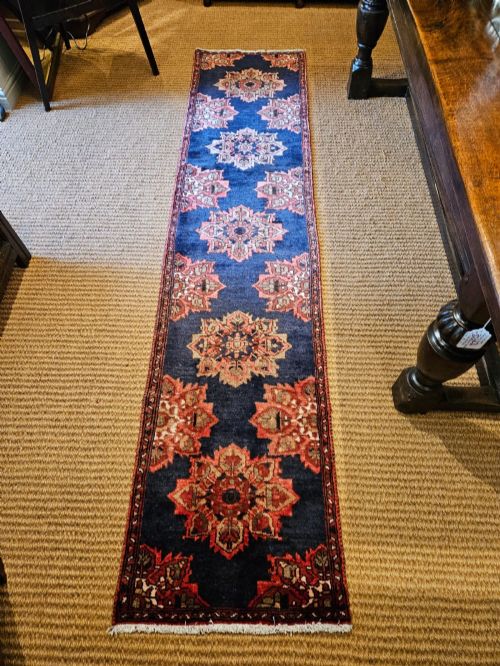
A tribal wool long rug provides extended proportions suited to corridors, halls, and long rooms, drawing on centuries of village weaving traditions. When searching this phrase, a buyer encounters narrow runners and elongated carpets originating from Persian, Caucasian, Anatolian, and Kurdish workshops.
The pieces on this page span from the mid-nineteenth century through the early twentieth century, reflecting diverse regional aesthetics. Common regional designations include Heriz, Hamadan, Kurdish, and Caucasian village types, each displaying distinct motifs and formats.
Materials and Construction
These textiles rely primarily on wool and hand-spun wool for the pile and foundation yarns, yielding a durable and resilient surface. Cotton is also utilised in structural warps and wefts within specific regional weaving traditions.
Weavers knotted or hand-wove the wool by hand on vertical or horizontal looms, creating dense piles designed to withstand heavy foot traffic in domestic interiors. Natural dyeing methods supplied the varied background colours, ranging from deep navy and olive green to rich earthy tones.
Several runners stretch over three or even thirty feet in length, originally measured to warm drafty historical hallways.
Judging Quality and Execution
Quality in these long rugs rests upon the tightness of the knotting and the fineness of the wool foundation. Tighter structures yield sharper geometric definition in patterns such as lattices, guls, and floral medallions.
The integrity of the wool pile and the preservation of original edge bindings determine the physical condition of an older rug. Examples that retain their full length and balanced proportions demonstrate superior survival through generations of domestic use.
The Tribal Wool Long Rug Glossary
- Runner
- A long, narrow carpet format designed specifically for hallways, staircases, and corridors. These pieces typically maintain a high length-to-width ratio.
- Kelleh
- A large, elongated format intermediate in proportion between a standard room carpet and a narrow runner. It offers substantial floor coverage for spacious rooms.
- Gul
- A medallion or repeating octagonal motif frequently found in tribal and nomadic weaving traditions. These geometric designs often denote specific tribal origins.
- Pile
- The upright yarn surface of a rug, formed by knotted or woven loops of wool. The density of this surface dictates the tactile feel and durability.
- Warp
- The vertical structural threads stretched across the loom before weaving begins. Wool and cotton serve as the primary materials for these foundational elements.
Tribal Wool Long Rug: Frequently Asked Questions
Where should I place a long rug?
A tribal wool long rug suits narrow spaces like hallways, entryways, and long corridors where extended floor coverage adds warmth and character. They also function effectively alongside narrow furniture arrangements in large living areas.
Ensure the dimensions match your floor space, allowing adequate clearance for doors to open freely over the pile.
How do I care for antique wool rugs?
Vacuum the rug regularly with the suction attachment set to a moderate level, avoiding the rotating brush roll to protect the wool pile. Professional cleaning by a specialist in antique textiles preserves the natural fibres and dyes.
Keep the rug out of direct, continuous sunlight to prevent fading of the traditional wool colours over time.
What is the difference between a runner and a long rug?
Runners are generally narrower and built specifically for corridors, whereas long rugs often provide a slightly broader format suited to larger rooms or wide hallways. Both terms describe elongated formats within traditional weaving.
Review the precise dimensions listed for each individual piece to understand its exact proportions.
How do I identify a tribal design?
Tribal designs typically feature geometric motifs, stylized animals, repeating lattice patterns, and stepped medallions rather than precise classical court curves. These patterns reflect village and nomadic weaving heritages.
Regions such as the Caucasus, Anatolia, and Kurdistan each developed distinct visual vocabularies that help differentiate their pieces.