




Tribal Wool Hallway Carpet
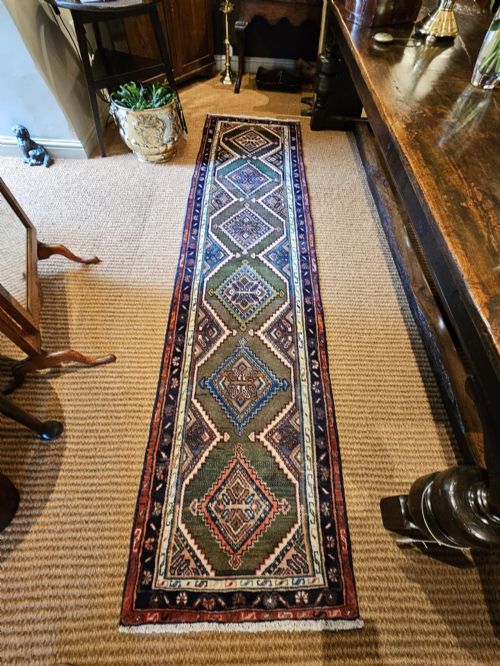
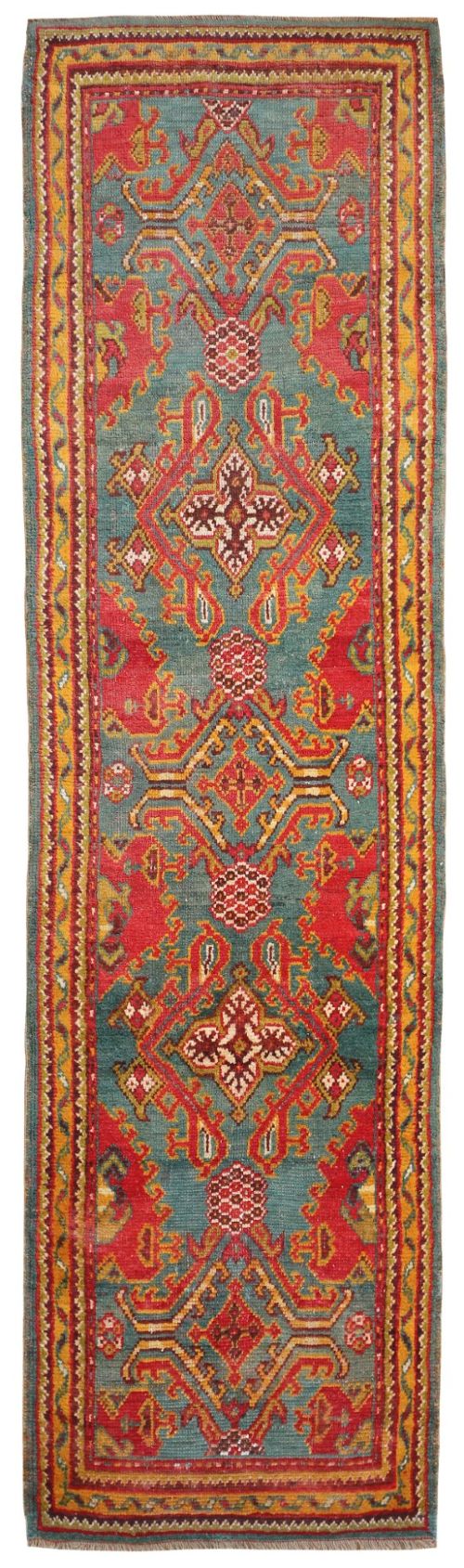
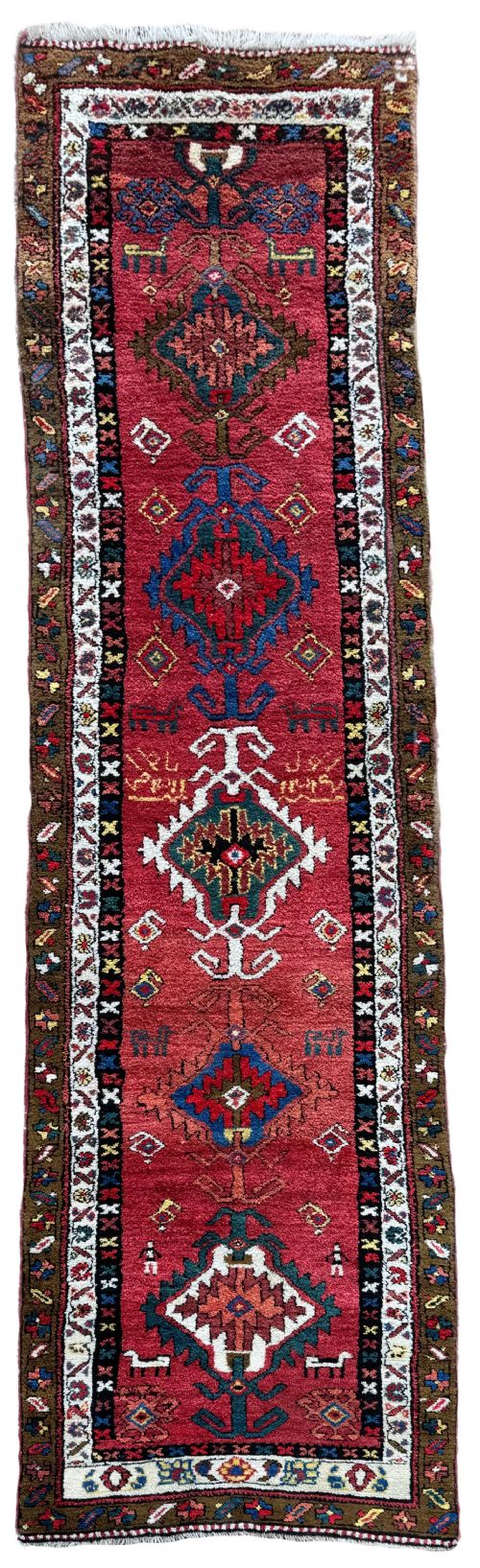
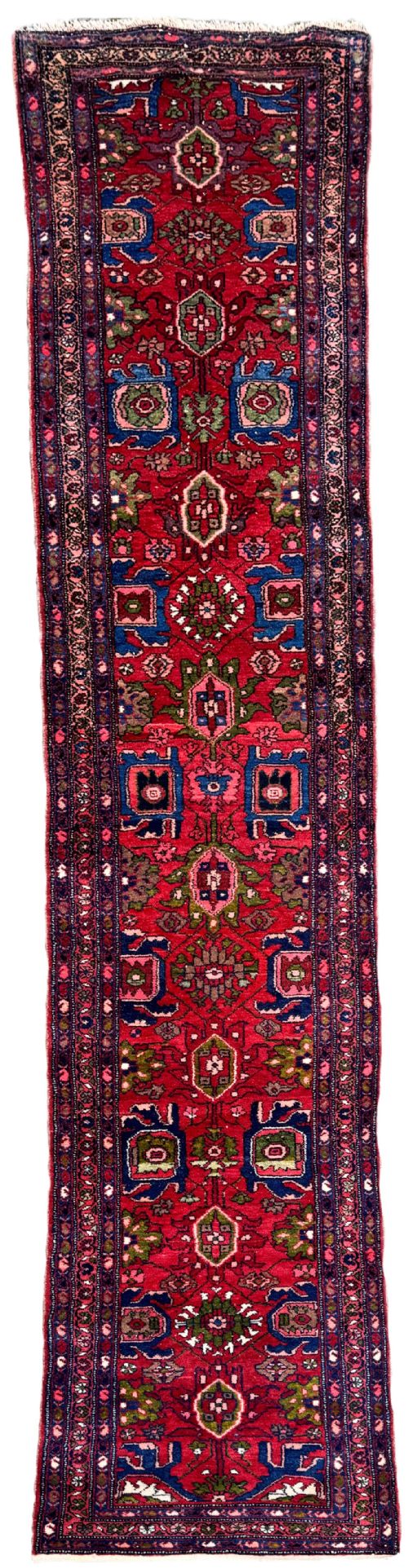
A tribal wool hallway carpet brings enduring geometric patterns and rustic charm to narrow domestic spaces.
Tribal Wool Hallway Carpet
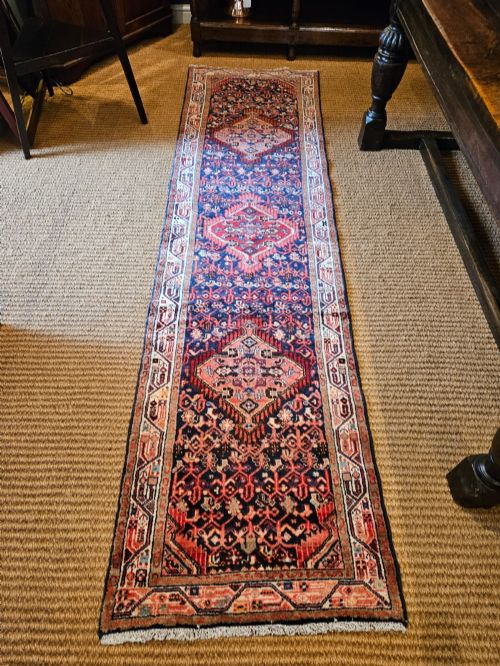
A tribal wool hallway carpet is a long, narrow floor covering originating from village and nomadic weaving traditions across Persia, the Caucasus, and Anatolia. These pieces typically manifest as runners designed to fit corridors, halls, and landings while adding warmth underfoot.
Most examples encountered here date from the nineteenth and early twentieth centuries, spanning periods from the eighteen-eighties to the nineteen-thirties. Forms range from compact proportions to exceptionally long formats reaching thirty-two feet, constructed to suit substantial country houses and domestic entryways.
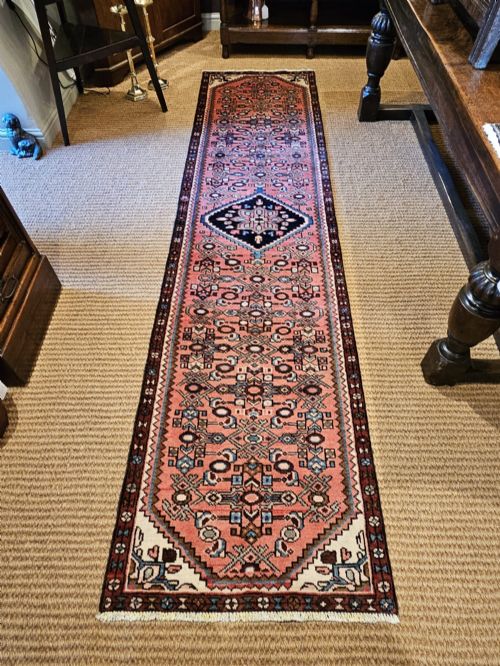
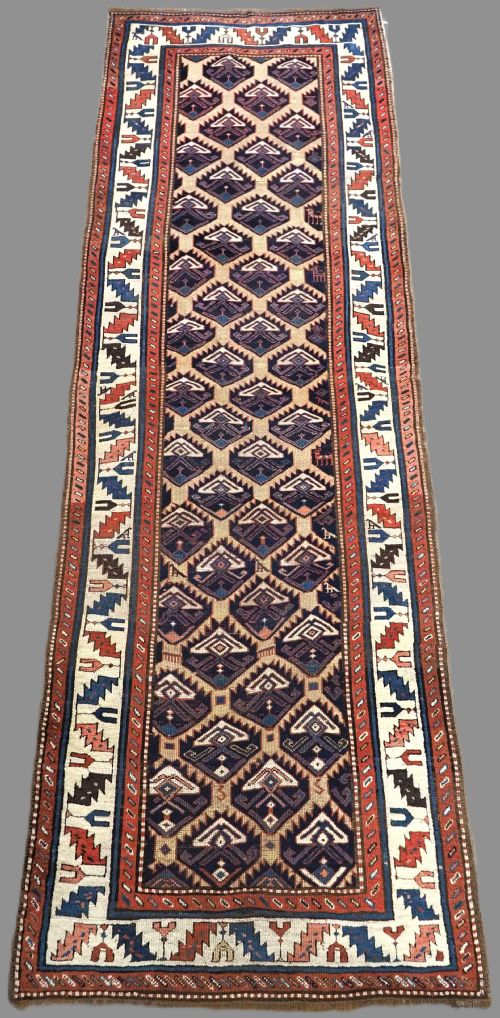
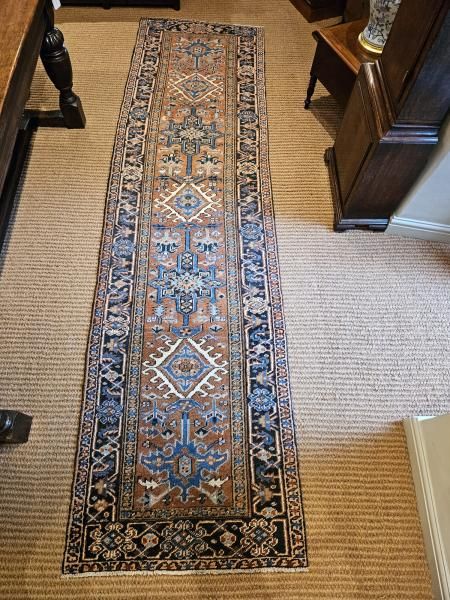
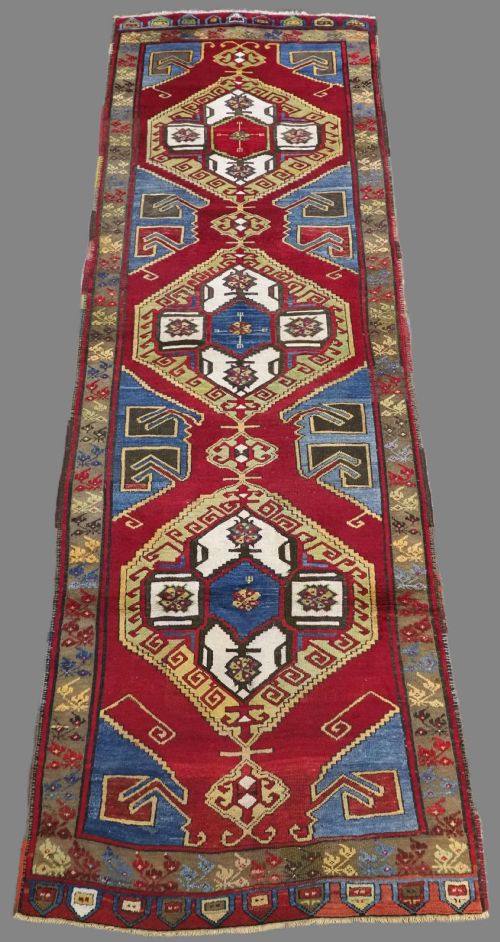
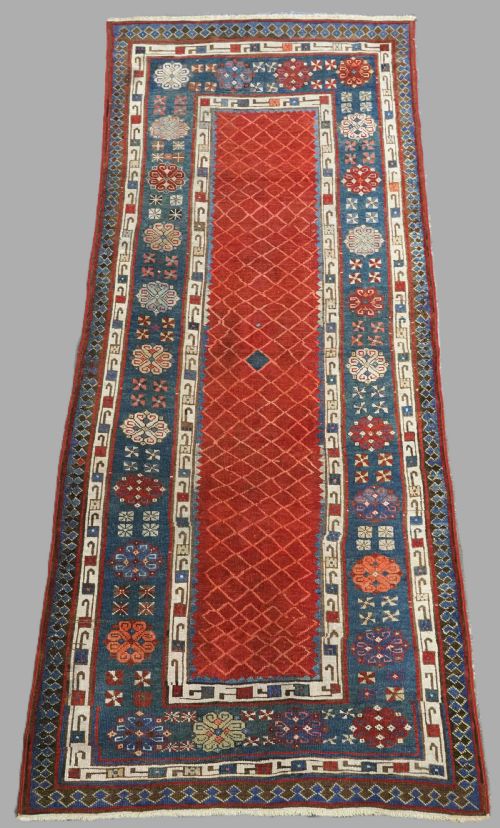
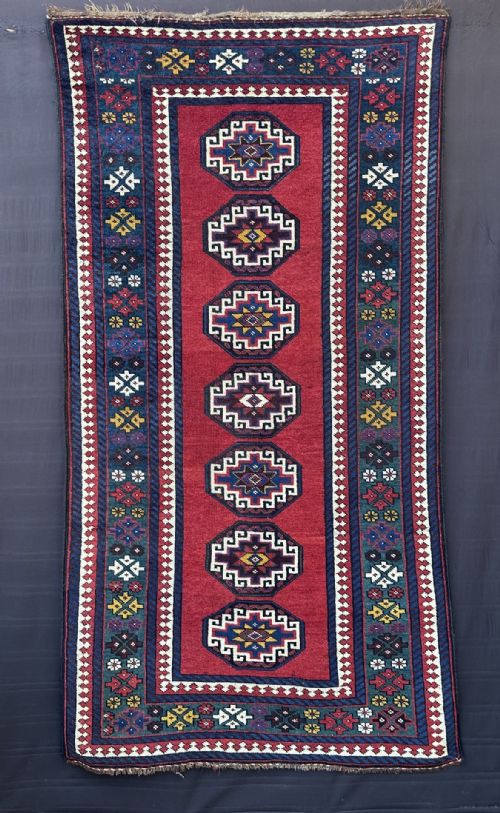
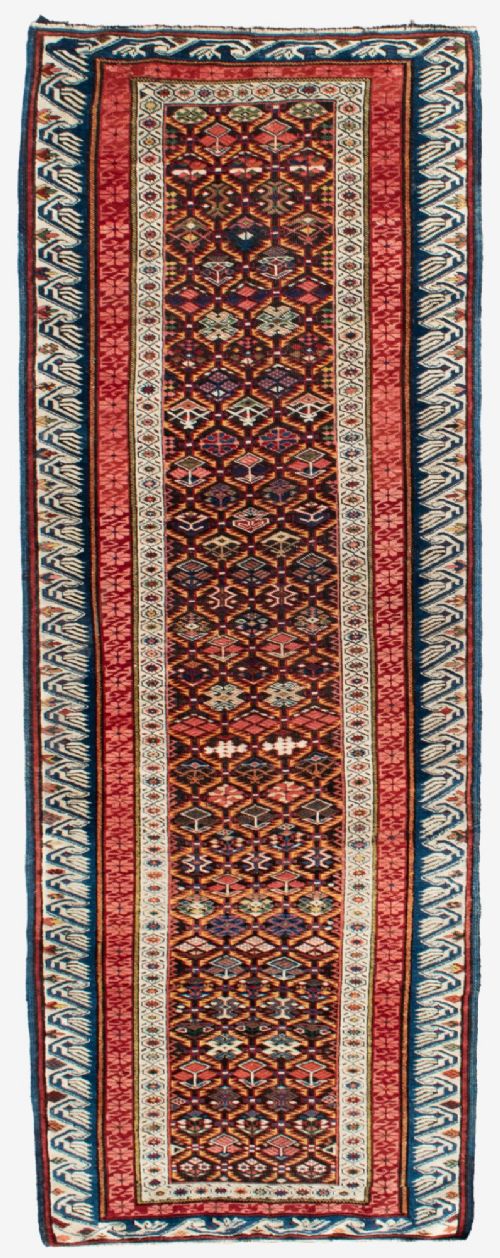
The aesthetic centres on regional motifs, including lattice patterns, geometric medallions, and traditional field designs particular to specific weaving groups such as the Kurdish, Shahsavan, and Kazak. Buyers select these carpets to introduce authentic village character and historical depth into high-traffic circulation spaces.
Materials and construction methods
These carpets rely fundamentally on natural wool for the pile, providing resilience and a dense surface capable of withstanding heavy daily use in corridors. Cotton frequently appears in the foundational warps and wefts, offering structural stability to the elongated runner format.
Weavers utilised traditional handweaving techniques, knotting the wool onto supportive foundations to create durable pile textiles. Dyes derived from natural sources yielded the rich tones observed across the older pieces, developing distinct patination over decades of wear.
Listings feature pieces spanning from the nineteenth century through the nineteen-thirties, constructed predominantly from wool and cotton.
Distinctions in quality and execution
Quality in these runners rests on the tightness of the weave and the precision of the knotting, which dictates how sharply the geometric patterns are defined. Finer examples display meticulous execution in complex lattice or field designs, maintaining structural integrity across long spans.
The condition of the wool pile and the integrity of the foundation heavily influence the character of the piece. While some runners show age through distress, those retaining greater pile density and original dimensions command attention for their preservation.
The Tribal Wool Hallway Carpet Glossary
- Runner
- A long, narrow carpet format specifically proportioned for corridors, hallways, and staircases.
- Pile
- The upright yarn loops or cut ends that form the usable surface of the carpet.
- Warp
- The vertical threads stretched on the loom that form the structural skeleton of the textile.
- Weft
- The horizontal threads passed through the warps to bind the knots and secure the structure.
- Lattice
- A repeating gridwork pattern enclosing geometric motifs across the field of the rug.
Tribal Wool Hallway Carpet: Frequently Asked Questions
How do I choose the right length?
Measure your hallway carefully, leaving a uniform border of exposed flooring around the perimeter of the carpet to frame the space properly.
Account for doorways opening into the hall so the runner does not obstruct movement or catch on the bottom of doors.
Where should I place these runners?
These pieces suit narrow circulation areas such as hallways, landings, corridors, and long entrance passages where durable floor coverings are required.
They also function effectively in galley kitchens or beside large beds where elongated proportions fit the room layout.
How do I care for antique wool runners?
Vacuum the carpet gently using a suction-only attachment without a rotating brush roll to protect the vintage wool pile from unnecessary friction and damage.
Rotate the runner periodically to distribute foot traffic evenly across the surface and prevent localised wear patterns from developing.
How do I identify different regional styles?
Examine the specific geometry, colour palette, and border arrangements, as these elements reflect the distinct traditions of regions like the Caucasus, Anatolia, or North-West Persia.
Consult descriptive titles that often attribute pieces to specific weaving groups such as Kurdish, Heriz, or Shirvan based on characteristic design traits.