



Tribal Textile Fringe Bag
A tribal textile fringe bag is a portable piece of nomadic heritage that brings rich wool work and authentic cultural history straight to your wall or study.
Tribal Textile Fringe Bag
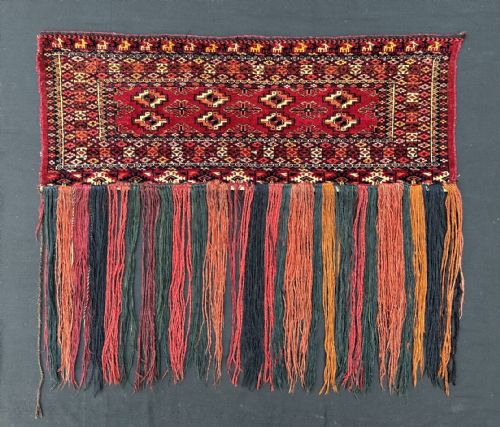
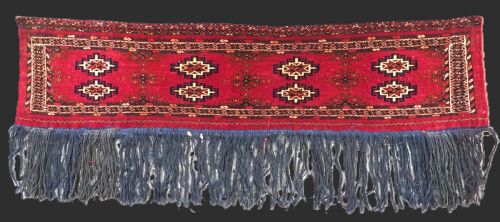
A tribal textile fringe bag on this page refers to authentic nomadic pieces such as torbas, kapsing, vanity bags, and spindle-bags originating from Central Asian and Persian tribal groups. These items span periods from the mid-nineteenth century through to the early twentieth century, capturing distinct regional designs including Tekke, Saryk, Yomut, Ersari, and Kuhi Afshar traditions.
Buyers will most frequently encounter torba faces and complete bags featuring traditional gul motifs, curled leaf patterns, and flat-weave backs with original tassels. These works served practical purposes in nomadic daily life before becoming treasured collector pieces valued for their distinct regional aesthetics and textile artistry.
How they were made
These textiles rely primarily on durable wool combined with cotton foundations, constructed using traditional weaving techniques characteristic of nomadic workshops across Central Asia and Persia. Makers utilised rich natural dyes to achieve deep palettes, incorporating decorative elements like cowrie shells directly into the structure of the bags.
The construction balances utility with intricate ornamentation, seen in pieces complete with plain weave backs and elaborate fringe or tassel attachments. Skilled artisans executed precise geometric drawing and repeating gul designs by hand, ensuring each bag maintained structural integrity alongside its visual complexity.
Cowrie shells occasionally hitched a ride from distant oceans just to dangle off a nomad's spindle-bag.
What varies in quality
Quality in these textiles rests upon the precision of the drawing, the depth and clarity of the natural dyes, and the overall integrity of the weave. Finer examples display exceptionally crisp geometric patterns and vibrant, well-preserved colour palettes that demonstrate superior craftsmanship.
The presence of complete original elements such as flat-weave backs, tassels, and structural fringes further elevates a piece. Superior execution in traditional motifs like the gul or curled leaf design distinguishes the finest nomadic work from more standard examples.
Teke Tribes·Kuhi Afshars·Saryk Turkmen·Yomut Tribes·Ersari
The Tribal Textile Fringe Bag Glossary
- Torba
- A small utilitarian bag or trapping produced by Turkmen and other nomadic groups, traditionally used for storage inside a yurt. These pieces often feature prominent gul medallions and decorative lower fringes.
- Gul
- A repeating primary medallion or octagonal motif used extensively in Turkmen carpet and textile design. Each tribal group utilised distinct variations of this pattern to signal lineage and origin.
- Cowrie Shells
- Marine mollusc shells traditionally sewn onto nomadic textiles as protective amulets and decorative fringe elements. Their inclusion signifies wealth and cultural status within the tribe.
- Flat Weave
- A textile construction technique without a piled surface, utilised for the backs and structural elements of nomadic bags. This method creates a durable, lightweight fabric suitable for portable household items.
- Natural Dyes
- Organic colourants derived from plants, roots, and insects to pigment wool prior to weaving. These dyes yield rich, complex hues that develop a desirable patina over time.
Tribal Textile Fringe Bag: Frequently Asked Questions
What was a tribal textile fringe bag used for?
These bags served practical storage functions within nomadic households, often hung inside tents to hold personal items, vanity accessories, or spindle equipment. Their robust wool construction accommodated the mobile lifestyle of groups travelling across Central Asian steppes and Persian mountains.
Over time, many of these functional items evolved into decorative components of nomadic dowries and household furnishings. Today, collectors primarily preserve and display them as textile art or wall hangings.
How do I care for an antique wool bag?
Protect antique wool textiles from direct sunlight to prevent natural dyes from fading over time. Gentle, occasional vacuuming through a mesh screen helps remove dust without disturbing fragile fringes or wool fibres.
Avoid hanging these pieces in areas with high humidity or fluctuating temperatures. Professional textile conservators should handle any necessary cleaning to preserve the integrity of the original materials.
How can I tell different tribal designs apart?
Tribal designs differ through specific structural motifs, colour distributions, and primary medallion shapes known as guls. For instance, Tekke and Saryk pieces display distinct repeating octagonal patterns, whereas Yomut works often incorporate alternative geometric arrangements.
Geographic origins also dictate the palette and secondary ornamentation, such as the specific use of ivory grounds or curled leaf motifs. Studying these regional characteristics helps identify the particular nomadic group responsible for the weaving.
Are these bags complete with their original backs?
Many surviving examples retain their original plain weave wool backs and attached tassels, while others exist primarily as decorative bag faces. Listings specify whether a piece remains complete with its backing and structural hanging elements.
Complete pieces offer a more comprehensive representation of traditional nomadic utility. Collectors weigh the presence of original backs and fringes when evaluating the overall character of a textile.