
Woven Wool Tribal Textile
When choosing a woven wool tribal textile, collectors acquire functional nomadic items made across Persia, Central Asia, and Afghanistan during the nineteenth and early twentieth centuries.
Woven Wool Tribal Textile
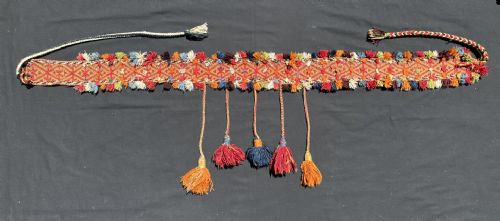
A woven wool tribal textile represents the domestic and nomadic output of pastoral groups, including Qashqai, Turkmen, Afshar, and Baluch weavers. These objects were made for practical camp life, serving as storage receptacles, saddle covers, animal decorations, and household spreads.
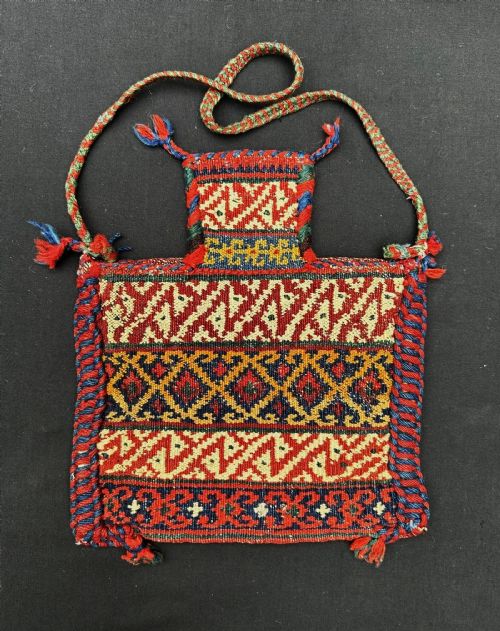
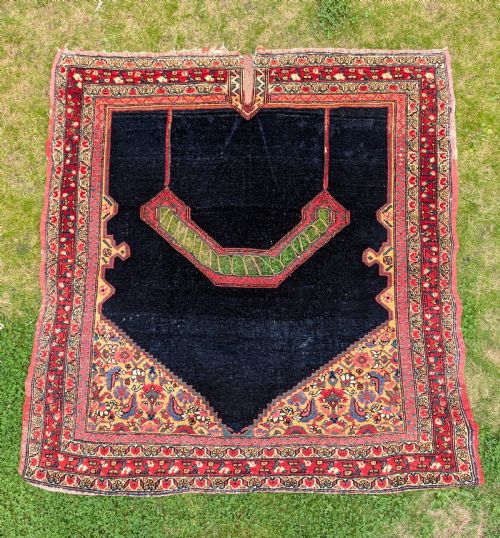
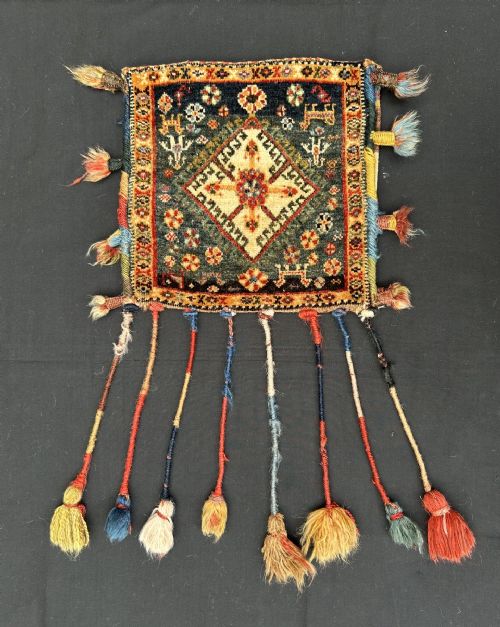
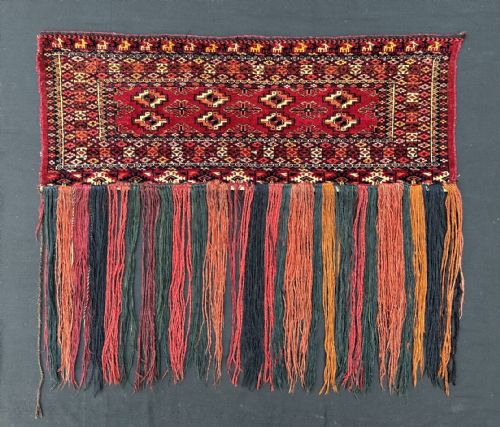
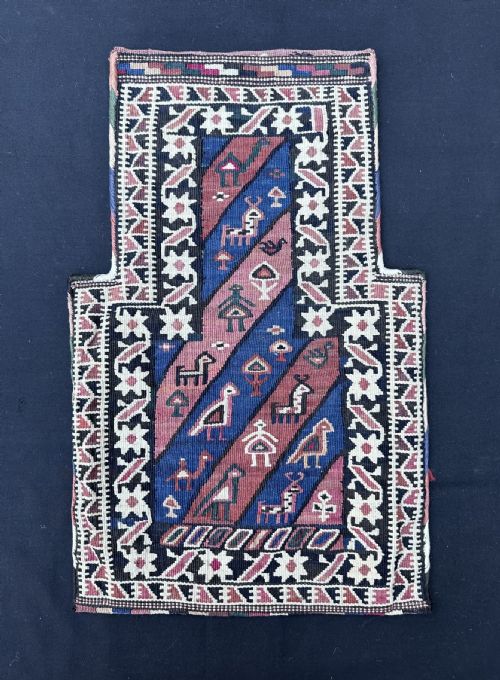
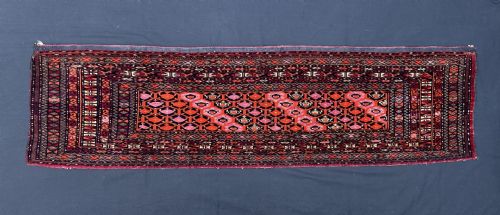
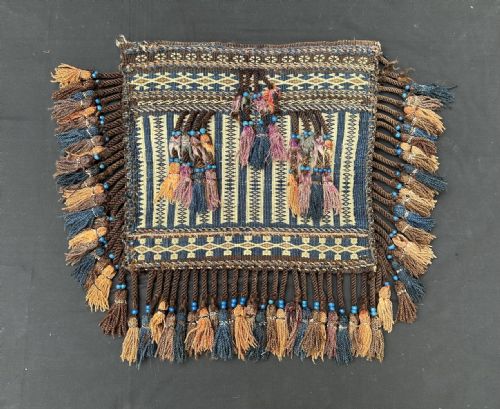
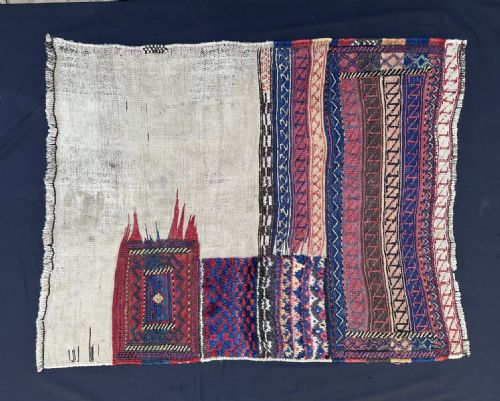
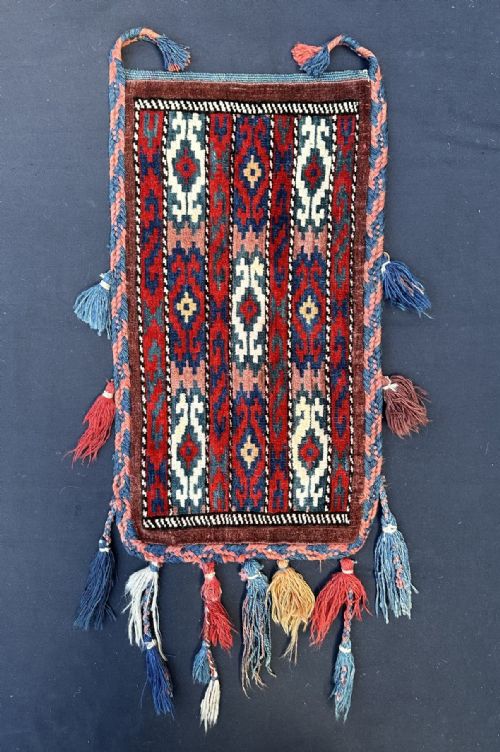
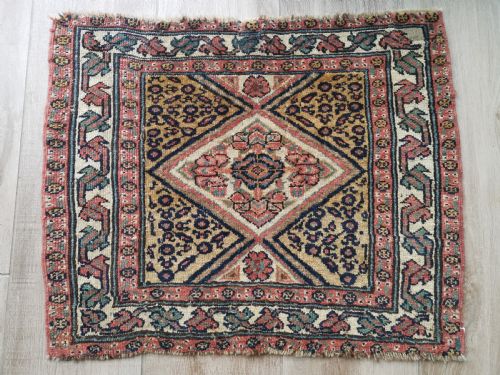
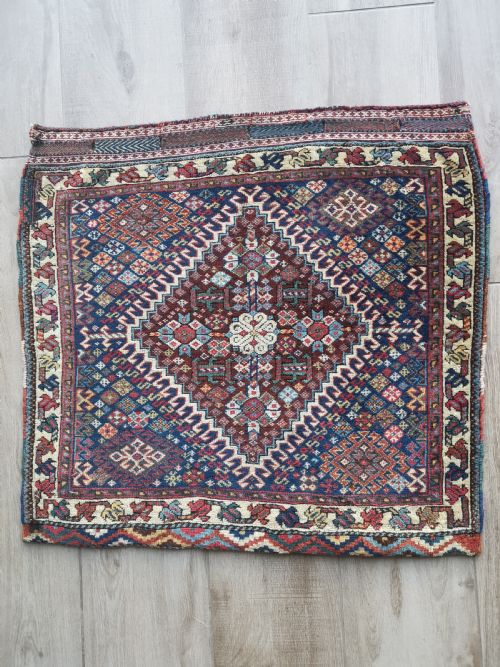
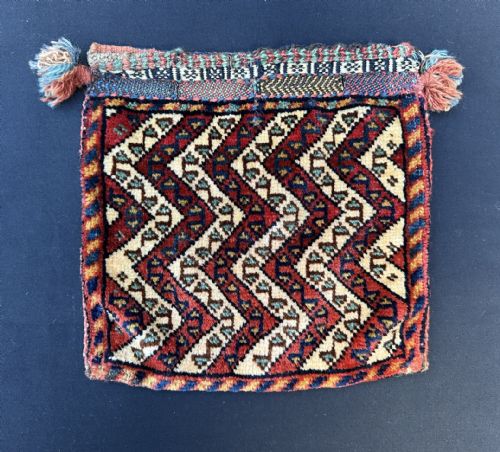
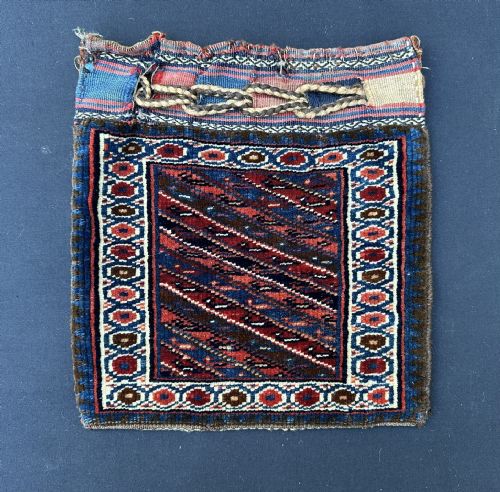
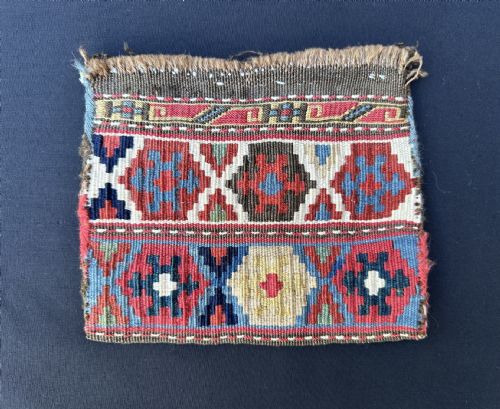
The selections available here lean heavily toward utilitarian items created for transport on animals or for interior tent use. Buyers frequently encounter specialised forms such as vanity bags, salt bags, saddle covers, horse blankets, and tent bagfaces.
Originating largely from regional tribal confederacies and oases spanning the nineteenth and early twentieth centuries, each woven wool tribal textile carries the distinct patterns and structural habits of specific nomadic makers.
Materials and Construction
Makers relied primarily on hand-spun wool for the pile and foundation of each woven wool tribal textile, often combining cotton for structural stability and leather for reinforcement. Natural dyes provided the palette, yielding deep reds, blues, and earthy tones derived from local flora and fauna.
Embellishments frequently incorporated glass beads and cowrie shells, stitched directly onto the surfaces of storage bags and animal trappings. These organic and mineral additions highlight the resourceful approach of nomadic craftspeople utilising readily available materials.
The listings span the nineteenth century up to 1920, predominantly featuring wool, cotton, and natural dyes across Persian and Central Asian tribal origins.
Assessing Quality
The standard of a woven wool tribal textile rests upon the tightness of the knotting, the precision of the tribal patterning, and the integrity of the natural dyes. Pieces that retain their original tassels, braided edges, and complete side cords demonstrate superior preservation.
Finer examples display exceptional clarity in traditional tribal motifs, executed with well-sorted hand-spun wool that shows minimal wear. The depth of the colour palette and the harmony of secondary ornaments distinguish finer utilitarian items from standard workshop output.
The Woven Wool Tribal Textile Glossary
- Asmalyk
- A pentagonal trapping traditionally mounted on the flanks of a camel during Turkmen wedding processions. These decorative pieces display distinct Yomut or Teke tribal symbols.
- Kap
- A large storage bag utilised within nomadic tents for bedding and household goods. These items feature dense pile weaving on the face with flat-woven backs.
- Sofreh
- A flat-woven spread used for kneading dough, serving food, or processing grain within the tribal tent. They are typically characterised by geometric field designs.
- Jollar
- A long, rectangular storage bag produced by Turkmen tribes, designed to hang against the interior lattice walls of a yurt. They often feature multiple guls across the face.
- Bagface
- The decorated front panel of a utilitarian nomadic pouch, separated from its original plain-weave back. These surviving sections preserve the primary artistic expression of the maker.
Woven Wool Tribal Textile: Frequently Asked Questions
What is a tribal bag?
A tribal bag is a utilitarian container woven by nomadic women for storage during migrations. These items held household goods, salt, tobacco, or personal vanity items.
Constructed from durable wool and sometimes reinforced with leather, they hung inside tents or rode upon pack animals. Their designs reflect the specific tribal identity and region of the maker.
How were horse blankets used?
Nomadic groups used ceremonial horse blankets and animal trappings during festive gatherings, tribal migrations, and weddings. These textiles adorned horses and camels, signaling the status and artistic output of the group.
They combine robust structural weaving with decorative borders and protective amulets like cowrie shells. These objects were prized possessions kept specifically for special communal events.
How do I identify different tribes?
Tribal attribution relies on specific structural formats, colour palettes, and repeating geometric motifs unique to each confederacy. Turkmen groups often utilise primary gul medallions, while Qashqai and Afshar weavers lean towards pictorial elements and intricate field panels.
Examining the side cord finishes, wool texture, and end-finish structures provides further clues to geographic origin. Each weaving group maintained distinct aesthetic traditions passed down through generations.
How should I display these textiles?
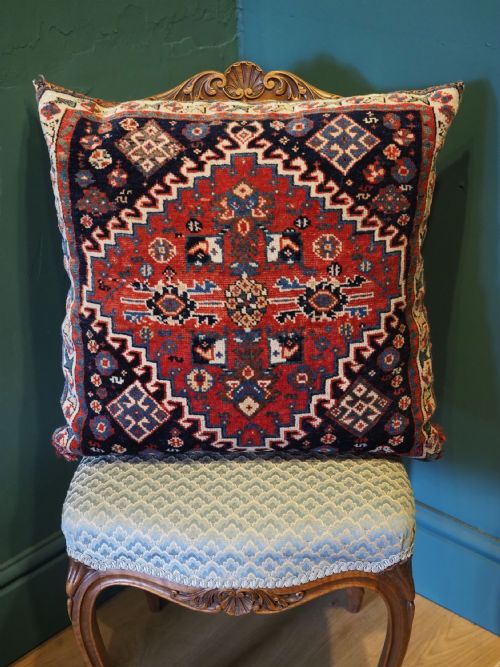
Displaying these pieces safely involves mounting them on a padded wall support or placing them in low-traffic interior areas. Ensuring they avoid direct, harsh sunlight preserves the natural dyes utilised by the original makers.
Flat pieces and bagfaces work well as wall hangings or table covers, while smaller saddle pieces suit low-use surfaces. Proper mounting distributes the weight evenly across the wool foundation to prevent structural strain.