




Tribal Tassels Wall Hanging
These tribal tassels wall hanging examples bring woven Central Asian and Persian nomadic culture into your space through utilitarian bags, trappings and textiles.
Tribal Tassels Wall Hanging
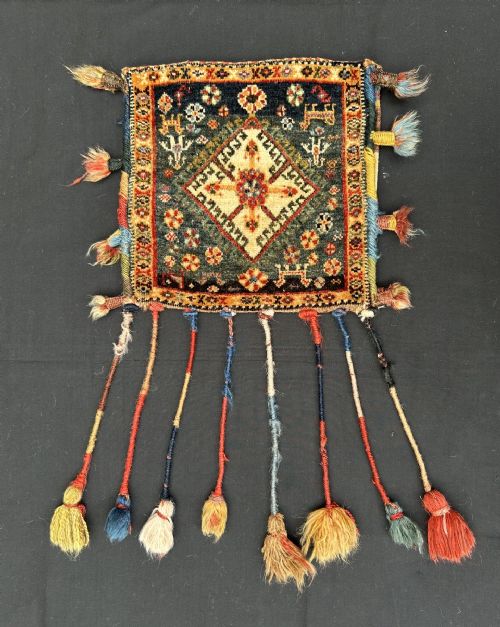
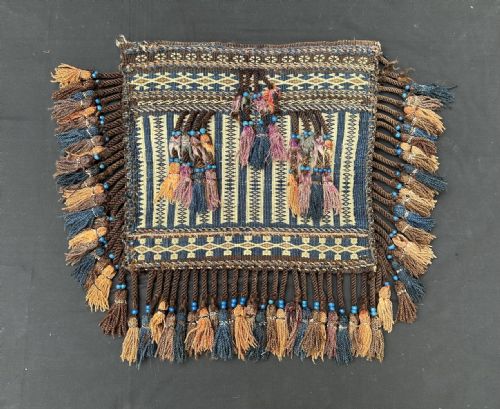
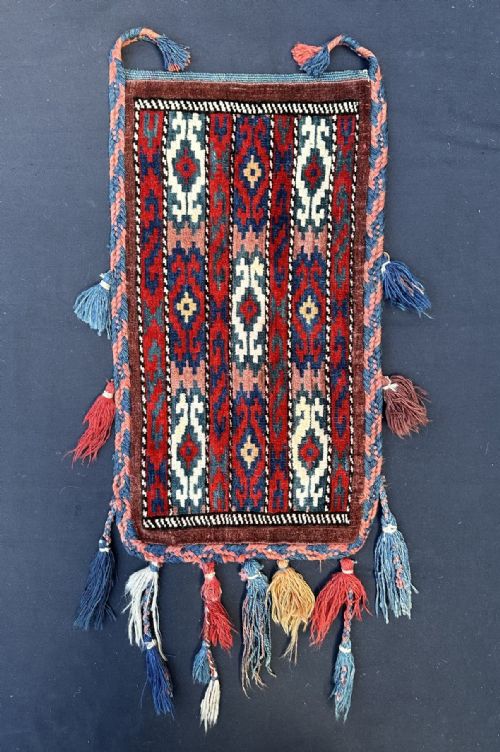
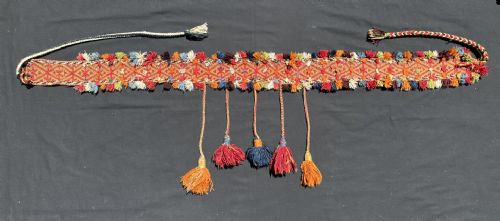
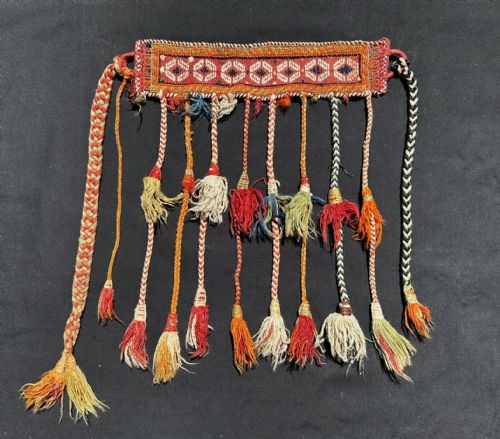
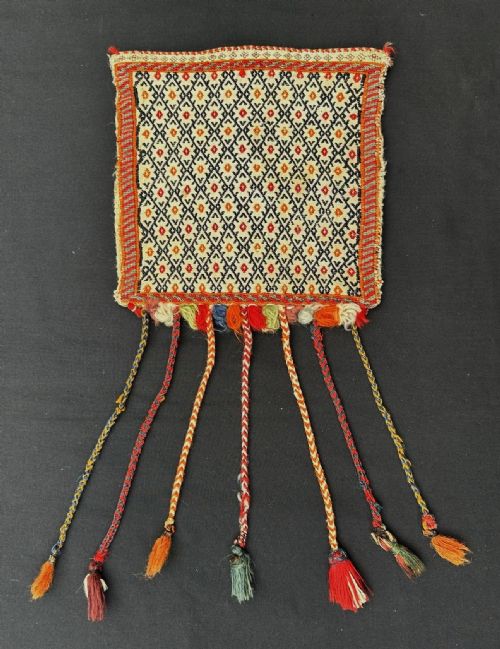
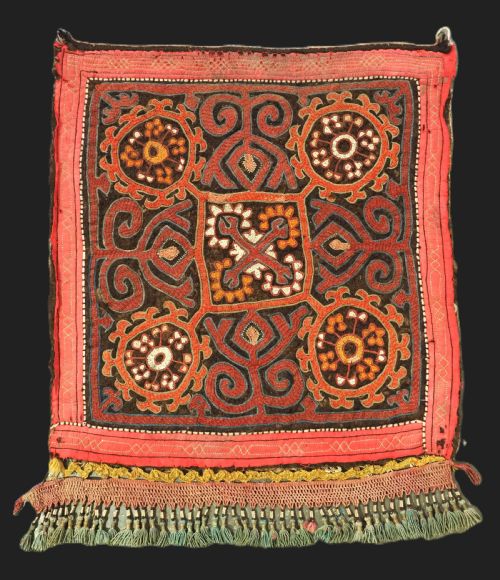
When you search for a tribal tassels wall hanging, you encounter functional items created by nomadic and village groups across Persia, Afghanistan and Central Asia. These pieces originated as utility items, including vanity bags, storage pouches, animal trappings and tent decorations.
The selection on this page focuses heavily on Turkmen, Qashqai, Baluch, Uzbek and Kyrgyz works dating from the late nineteenth and early twentieth centuries. Many of these items include original tassels, fringes and fibre decorations that served traditional nomadic purposes before entering the decorative sphere.
Materials and construction
Artisans built these works using durable foundations of handspun wool, cotton and felt, frequently incorporating natural dyes to achieve deep red, brown and earth tones. Silk embroidery threads and wool grounds provide textural contrast on specific Central Asian panels.
Makers embellished structural weaves with glass beads, leather accents, wooden elements and applied fringes or horse hair tassels. These supplementary materials added protective symbolism and visual weight to storage bags and ceremonial horse trappings.
Listings feature wool, cotton, silk, felt and leather combined with glass beads across Persian and Central Asian nomadic origins.
Distinctions in quality
The distinction between ordinary and exceptional examples rests upon the integrity of the weave, the vibrancy of the natural dyes and the completeness of original attachments like tassels and side cords. Well-preserved animal trappings and tent bags retain structural crispness alongside rich surface patination.
Greater tribal artistry reveals itself in precise geometric layouts, finely executed silk embroidery and the thoughtful placement of applied fringe. Pieces that preserve their authentic utilitarian context demonstrate superior cultural and physical survival.
The Tribal Tassels Wall Hanging Glossary
- Asmalyk
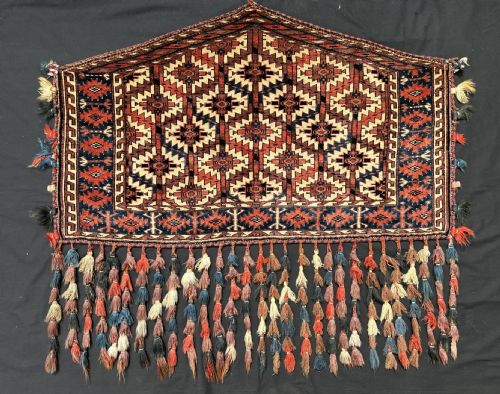
- A pentagonal trapping produced by Turkmen tribes, traditionally used to decorate camel wedding processions.
- Torba
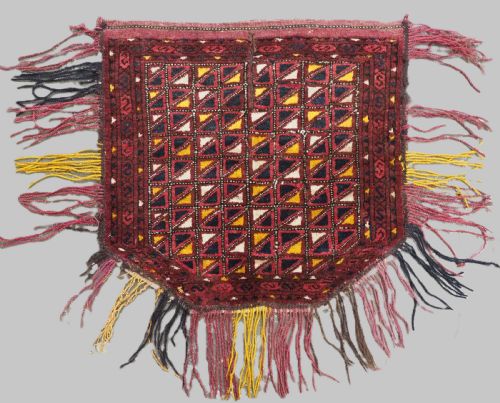
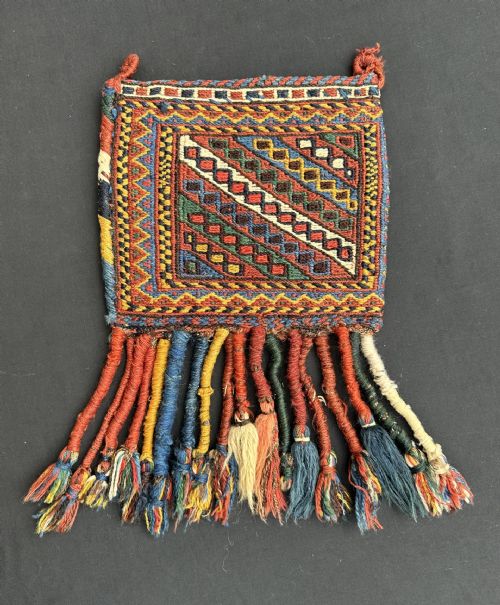
- A small utilitarian storage bag woven by nomadic groups for domestic possessions inside the tent.
- Ok Bash
- A specialised nomadic bag designed to cover the ends of wooden tent poles during transport or storage.
- Namakdan
- A traditional salt bag featuring a narrow neck and expanded body, woven by Baluch and other nomadic weavers.
- Uut Kap
- A large storage bag created by Central Asian groups, often displaying silk embroidery on a wool ground.
Tribal Tassels Wall Hanging: Frequently Asked Questions
What is a tribal tassels wall hanging?
These items are authentic nomadic bags, trappings and textile panels repurposed for display.
They originate from nineteenth and early twentieth century tribal groups in Persia and Central Asia.
How were these bags used originally?
Nomadic families utilised these textiles for storing personal items, salt, spindles and tent poles.
Certain pieces also served as camel or horse decorations during traditional wedding ceremonies.
How should I hang a textile?
Mounting requires careful weight distribution to protect old wool, cotton and felt foundations.
Professionals often recommend unbacked stitching to a neutral sleeve or gentle display rods.
How do I identify different tribal groups?
Distinctive wool palettes, geometric motifs and specific structural forms indicate particular regions and confederacies.
Turkmen, Qashqai and Baluch makers employed recognizable methods and dyestuffs.