



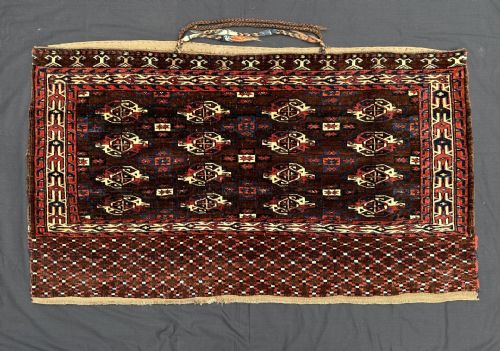


Yomut Tribe Rug
These yomut tribe rug pieces are striking Turkmen textile works from the Trans-Caspian steppes, offering rich tribal geometry for your interior.
Yomut Tribe Rug
A yomut tribe rug or associated tribal textile brings authentic Central Asian heritage from the Trans-Caspian steppes into a modern room. Buyers encounter various utilitarian and ceremonial forms created by Turkmen weavers during the nineteenth and early twentieth centuries.
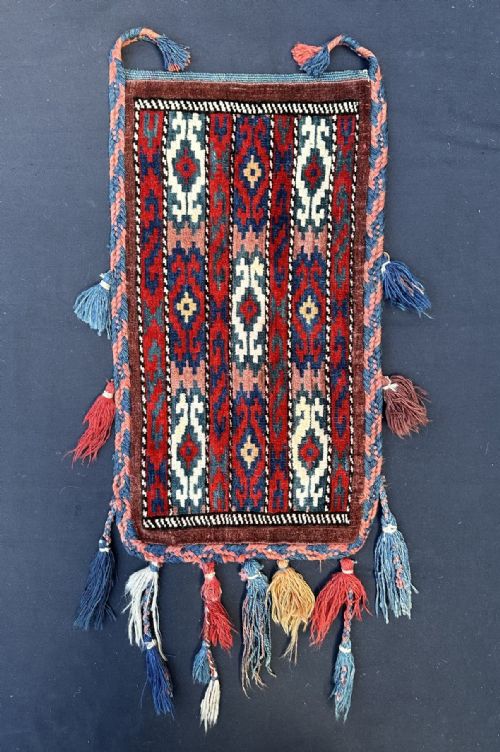
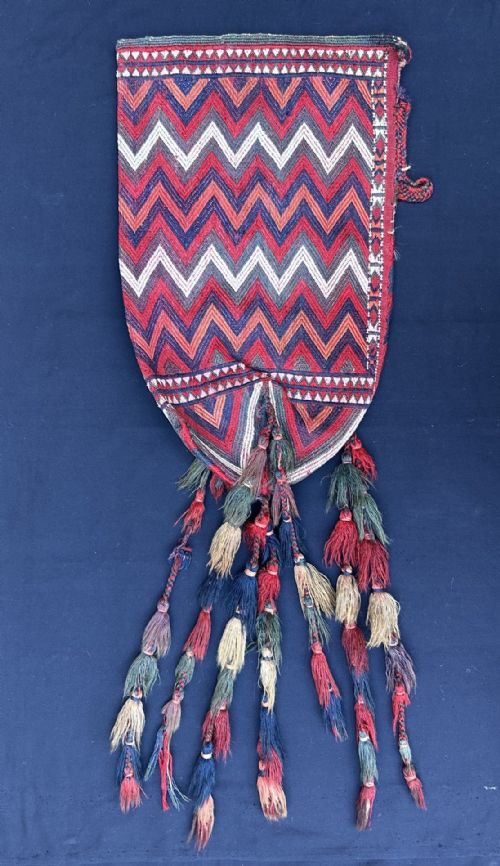
The selections available here range from wedding rugs and asmalyks to spindle-bags, torbas, and chuvals. Each object represents the nomadic weaving traditions of Turkmenistan, executed in diverse formats designed for daily camp life or marriage rituals.
Tribal textiles and wall hangings dominate the current selection, showcasing distinct Turkmen tribal styles. These pieces function well as floor coverings or textile art displayed on walls.
How They Were Made
Weavers utilised hand-spun wool for the pile and foundation yarns, combined with cotton details in specific regional structures. Natural dyes provided the deep red, brown, and contrasting tones characteristic of these nomadic textiles.
The construction relies on sturdy wool knots tied across wool or cotton warps and wefts to withstand nomadic existence. Artisans produced specialised forms such as asmalyks, torbas, and tent-pole bags through traditional tribal knotting techniques passed down through generations.
Materials recorded across these textile works consist exclusively of wool, hand-spun wool, cotton, and natural dyes.
What Varies in Quality
The refinement of the wool and the handling of natural dyes establish the visual depth of each textile. Tightly spun yarns and saturated colour palettes distinguish the more accomplished weaving from standard examples.
Complexity of tribal motifs and precision in the geometric layout separate standard utility items from masterwork wedding pieces and asmalyks. The integrity of the surviving pile and the crispness of the drawing reveal the weaver's skill.
The Yomut Tribe Rug Glossary
- Asmalyk
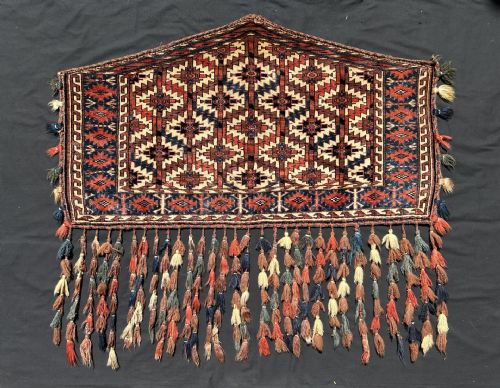
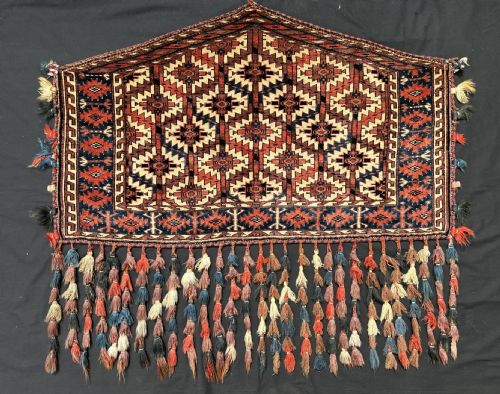
- A pentagonal trapping often created for Turkmen wedding processions and hung on the flanks of a bride's camel. These decorative textiles display intricate guls and geometric motifs unique to the tribe.
- Torba
- A small storage bag utilised within the yurt for holding household possessions and personal items. They typically feature wide banded designs and horizontal field divisions.
- Chuval
- A large tent-storage bag used by nomadic families for bedding and bulky belongings. These rectangular pieces present repeated gul patterns across the primary field.
- Uk Bash
- A specialised tent-pole bag or collar covering used within nomadic dwellings in Central Asia. They demonstrate the practical application of weaving for architectural elements of the yurt.
- Gul
- A repeating medallion or octagonal motif central to Turkmen carpet design. Each tribal group utilised distinct gul variants to signal lineage and identity.
Yomut Tribe Rug: Frequently Asked Questions
What is a yomut tribe rug?
A yomut tribe rug is a hand-knotted textile created by Yomut weavers in the Trans-Caspian steppes of Central Asia.
These pieces include functional bags, asmalyks, and decorative weavings made from wool and natural dyes during the nineteenth and early twentieth centuries.
How were these tribal bags used?
Nomadic families utilised these bags inside yurts for storing household goods, bedding, and spindle equipment.
Specialised forms like asmalyks and wedding rugs also served ceremonial roles during tribal marriage celebrations and processions.
How should I display a textile wall hanging?
Textile wall hangings can be mounted using a professional sleeve and a concealed rod to distribute the weight evenly across the top edge.
Avoid direct sunlight and high humidity to protect the natural wool fibres and historic dyes over time.
How do I tell different Turkmen pieces apart?
Turkmen pieces are distinguished by their specific structural forms, such as pentagonal asmalyks, rectangular chuvals, and smaller torbas.
Examining the specific gul motifs and border patterns helps identify the particular tribal subgroup and origin within Turkmenistan.