

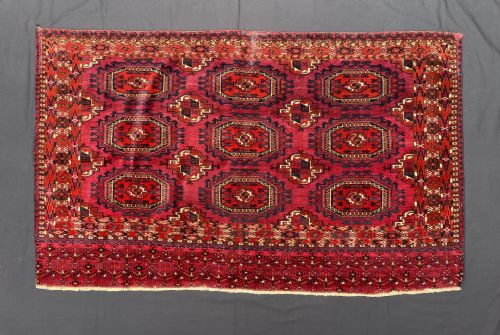


Central Asian Tribal Bag
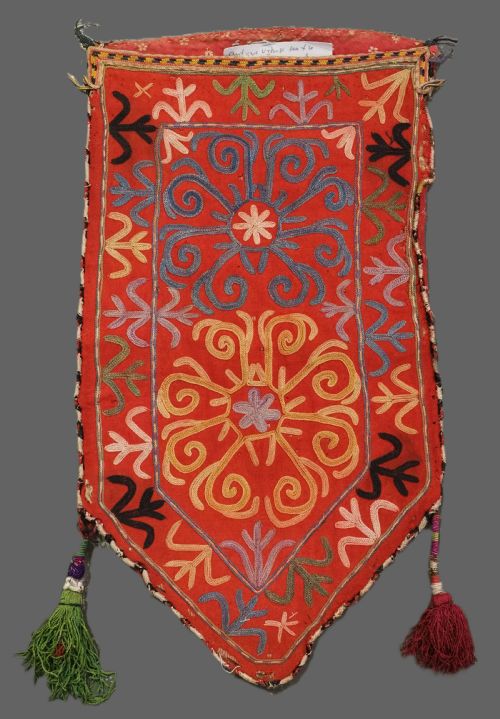
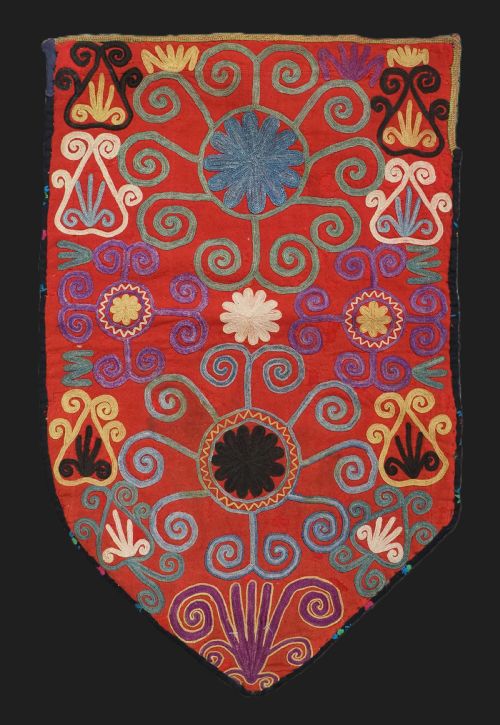
When searching for a central asian tribal bag, collectors examine woven storage faces and utility pouches originating from nomadic groups across the steppes.
Central Asian Tribal Bag
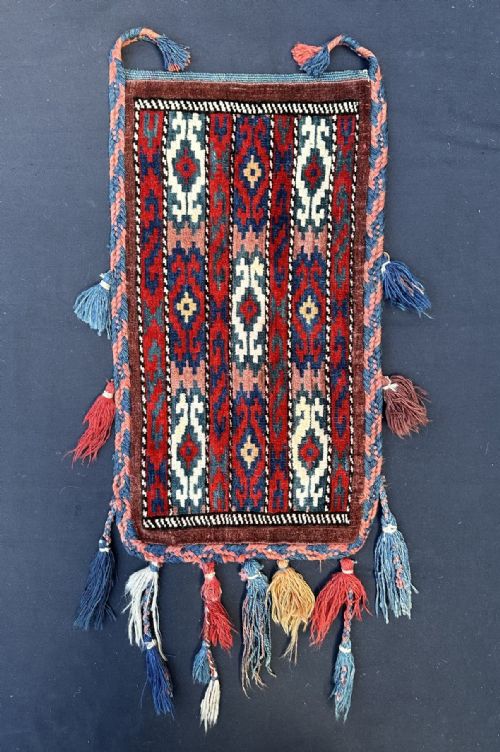
A central asian tribal bag encompasses various utilitarian weaving forms utilised by Turkmen, Uzbek, and allied nomadic tribes for domestic storage.
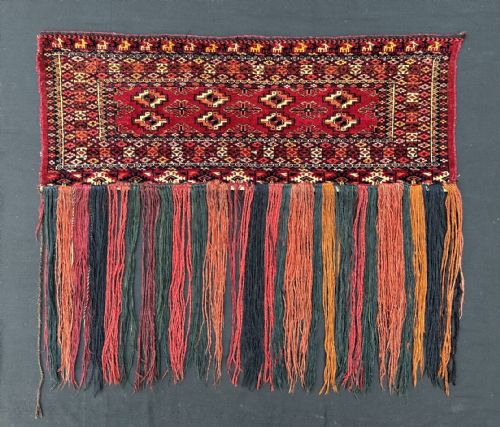
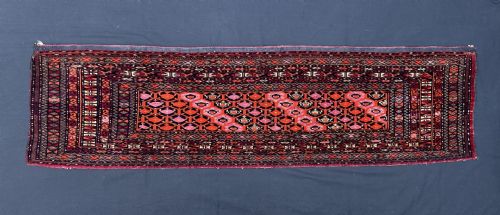
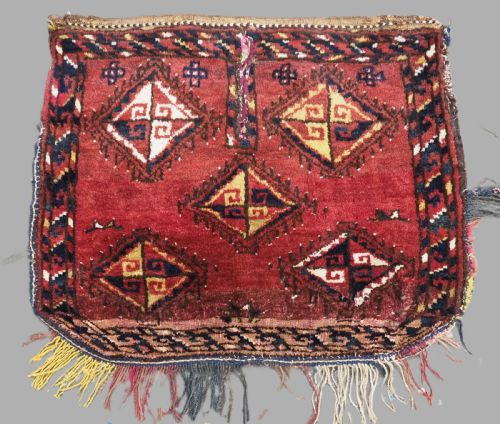
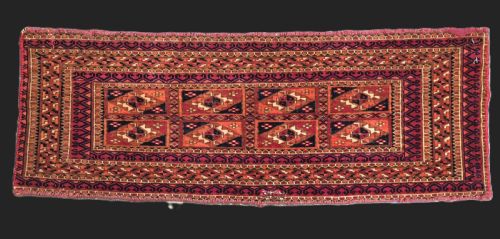
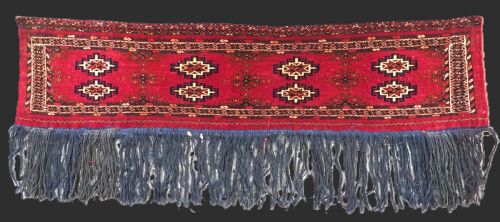
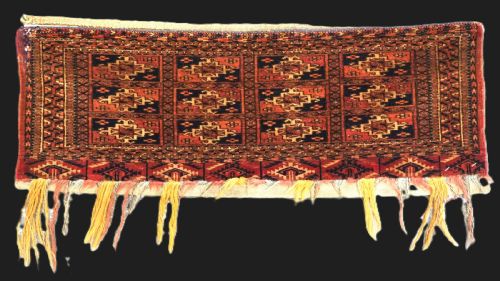
The selections here most frequently comprise torba faces, chuval storage sacks, and specialised pouches like spindle bags originating from the late nineteenth and early twentieth centuries.
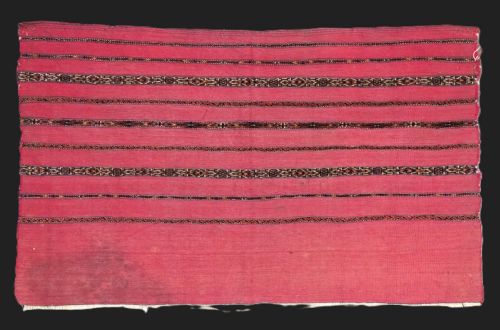
Pieces range from complete tent bags retaining plain weave backs to fragments and paired faces displaying tribal motifs.
Materials and Construction
Weavers constructed these pieces primarily using hand-spun wool, occasionally incorporating cotton foundations and silk highlights for contrast.
Natural dyes provide the characteristic palette across the tribal inventory, underpinning specific tribal designs and formats.
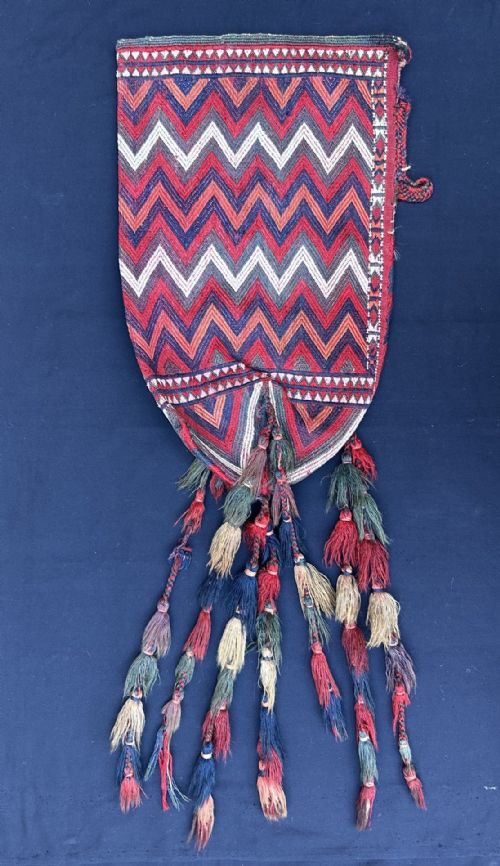
Nomads wove tiny spindle bags specifically to keep their spinning tools from rolling away inside a crowded tent.
Evaluating Craftsmanship
Quality differentiates through the density of the weave, the crispness of tribal guls, and the depth achieved by natural dye usage.
The preservation of original structures, such as complete backs or intact borders, elevates individual examples within the tradition.
The Central Asian Tribal Bag Glossary
- Torba
- A small storage bag utilised within the nomadic tent for personal possessions or household goods. These rectangular pieces frequently feature primary guls along the face.
- Chuval
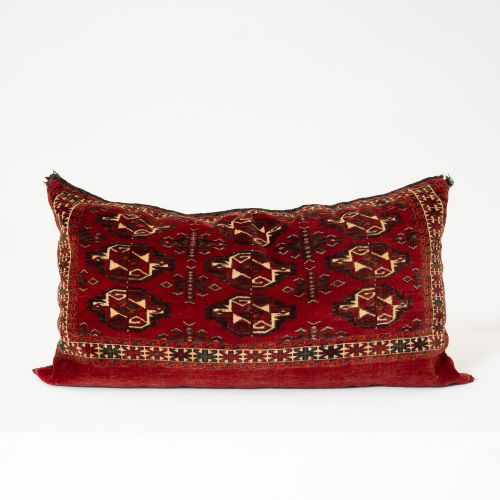
- A large tent storage bag designed for bedding and bulky items. Examples typically display repeated major guls across the primary field.
- Gul
- A medallion motif associated with specific Turkmen tribes and clans. Each design indicates the regional origin and heritage of the weavers.
- Igsalyk
- A specialised spindle bag created to hold spinning tools and wool. These narrow pouches often terminate in a tapering shape.
- Mafrash
- A rectangular storage container or bedding bag face produced in pile or flatweave techniques. Pieces display banded designs or central medallions.
Central Asian Tribal Bag: Frequently Asked Questions
How were these bags used?
Nomadic families hung these containers against lattice walls or stacked them inside the yurt for organised household storage.
Smaller pouches held specialised tools like spindles, while larger sacks accommodated heavy woolens and textiles.
How do I identify tribal origins?
Specific medallion motifs, known as guls, together with structural palettes point directly to particular tribes such as the Tekke, Yomut, Saryk, or Ersari.
Weave density and secondary colours provide further clues to geographic provenance across the Central Asian steppes.
How should I display them?
Complete bags and bag faces suit wall mounting as textile art or placement upon flat surfaces as decorative accents.
Protecting the wool from direct sunlight preserves the natural dyes used by nineteenth-century weavers.