





Ethnic Woven Textile Hanging
An ethnic woven textile hanging brings texture and pattern from Central Asian, African, and Indonesian traditions straight onto the wall.
Ethnic Woven Textile Hanging
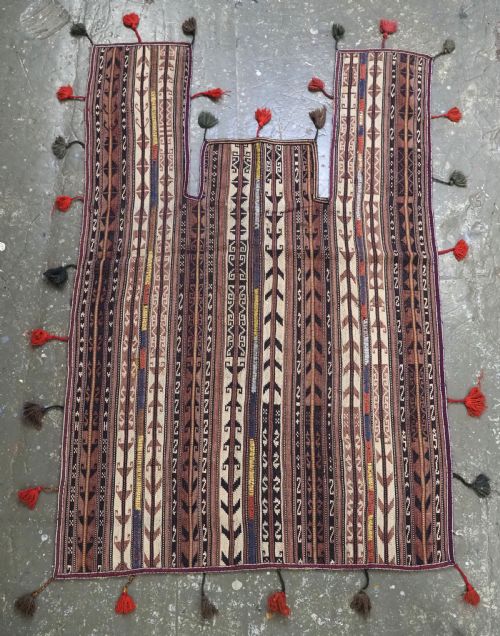
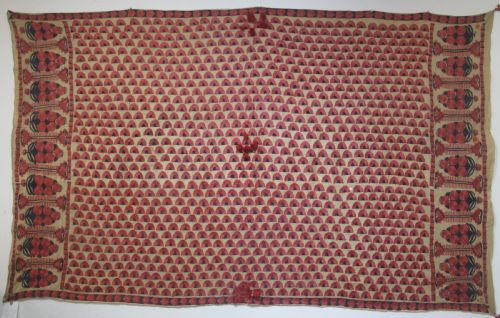
When you search for an ethnic woven textile hanging, you encounter functional tribal items repurposed for display, including horse blankets, tent bands, storage bags, and ceremonial panels. These pieces originate from regions such as Central Asia, Pakistan, Persia, Indonesia, and Central Africa, spanning the mid-nineteenth century to the mid-twentieth century.
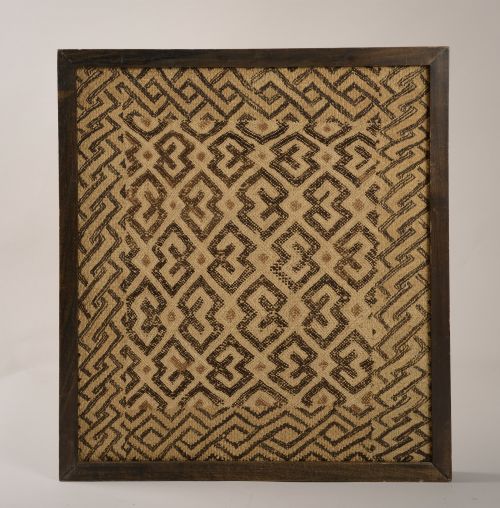
The most common forms on this page are Central Asian tribal weavings, such as Turkmen and Uzbek panels, alongside African Kuba cloth and raffia tapestries. Each object reflects the specific weaving and embroidery traditions of the culture that produced it, transformed over time from utility into wall art.
Buyers select these items to introduce bold geometric graphics, rich natural dyes, and tactile fibre work into contemporary interiors. The selection ranges from compact bags and torba ilgich to expansive yurt bands and large ikat panels.
Materials and construction methods
The construction relies predominantly on hand-spun wool, cotton, and raffia, occasionally accented with silk thread, wood, and glass elements. Artisans utilised traditional loom weaving, flat-weaving techniques like kilim, and intricate embroidery to build durable fabrics designed for nomadic or ceremonial life.
Natural dyeing traditions and hand-spun fibres impart characteristic depth and variation to the surfaces of wool, cotton, and silk textiles. Raffia and palm fibres provide stiff, highly textured structures in African tapestries, contrasting with the supple drape of Central Asian shawls and horse covers.
Listings feature items dated from the mid-nineteenth century through the mid-twentieth century, predominantly utilising wool, cotton, and raffia.
Assessing quality in textile hangings
Quality rests upon the tightness of the weave, the clarity of the graphic design, and the integrity of the natural materials. Pieces with finely spun wool or densely worked embroidery demonstrate superior craftsmanship.
Condition and completeness also dictate distinction, particularly when dealing with large tent bands, yurt strips, or panel fragments. Intact structural edges and well-preserved geometric patterns elevate an item above simpler or more heavily degraded examples.
The Ethnic Woven Textile Hanging Glossary
- Kap
- A small storage bag or trapping produced by Turkmen tribes, often featuring intricate gul motifs. These items served functional roles inside nomadic dwellings before entering the decorative market.
- Kilim
- A flat-woven textile produced without a pile, created by tightly interweaving warp and weft strands. This technique yields sharp, geometric graphic patterns.
- Ikat
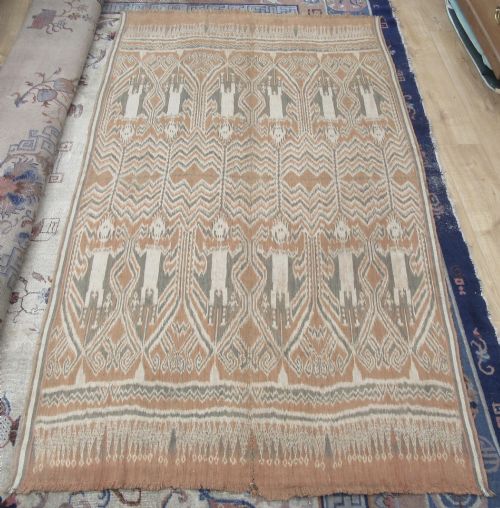
- A dyeing technique where yarn bundles are tightly wrapped and dyed prior to weaving to create blurred, intricate patterns. Panels produced this way show characteristic feathered edges along the colour boundaries.
- Kuba cloth
- A textile originating from Central Africa, woven from raffia palm fibre and frequently embroidered or cut-pile tufted. These panels display complex linear and geometric rhythms.
- Torba ilgich
- A hanging or bag face created by Lakai Uzbek tribes in Central Asia. They typically incorporate spirited embroidery and distinctive regional colour palettes.
Ethnic Woven Textile Hanging: Frequently Asked Questions
What is an ethnic woven textile hanging?
An ethnic woven textile hanging is a repurposed functional object, such as a horse blanket, tent band, storage bag, or ceremonial panel, originating from nomadic or traditional cultures. These items are mounted on walls to display cultural patterns, weaving techniques, and historical materials.
They bridge historical craft and interior decoration, offering tactile surfaces and graphic designs shaped by Central Asian, African, and Indonesian makers.
How were these textiles originally used?
Many of these pieces served practical or ceremonial roles within nomadic or tribal societies, functioning as animal trappings, yurt decorations, storage containers, or garments. Turkmen kap and saddle-bags carried belongings, while tent bands secured nomadic dwellings.
Over time, wear, changing domestic needs, or deliberate repurposing transformed these utilitarian objects into decorative hangings suitable for display.
How do I care for a textile hanging?
Protect antique wool, cotton, and raffia textiles from direct sunlight to prevent natural dyes from fading over time. Gentle dusting with a soft brush helps maintain the surface without damaging fragile fibres.
Mounting should distribute weight evenly across the upper edge using archival methods rather than piercing the fabric directly with nails or heavy clamps.
How can I tell the age of a textile?
Dating relies on identifying the materials, such as hand-spun wool and early cotton, alongside traditional regional dye palettes and tribal motifs. Stylistic markers specific to nineteenth and early twentieth-century weaving traditions provide chronological context.
Physical evidence of wear, structural construction, and regional provenance help narrow the period of manufacture.