


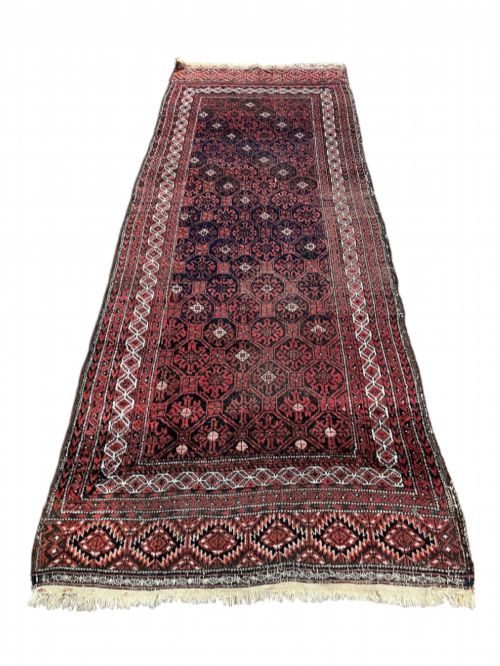
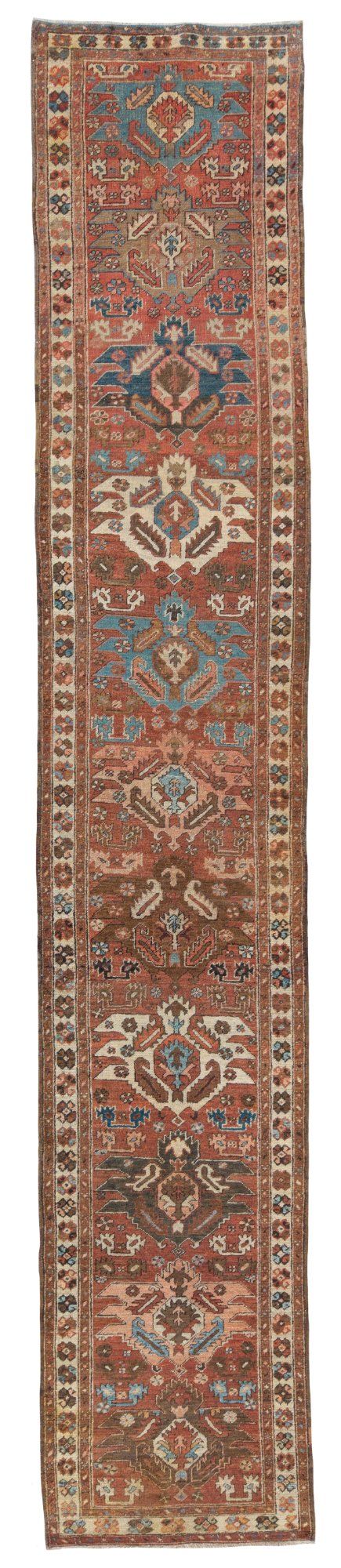
Tribal Persian Corridor Carpet
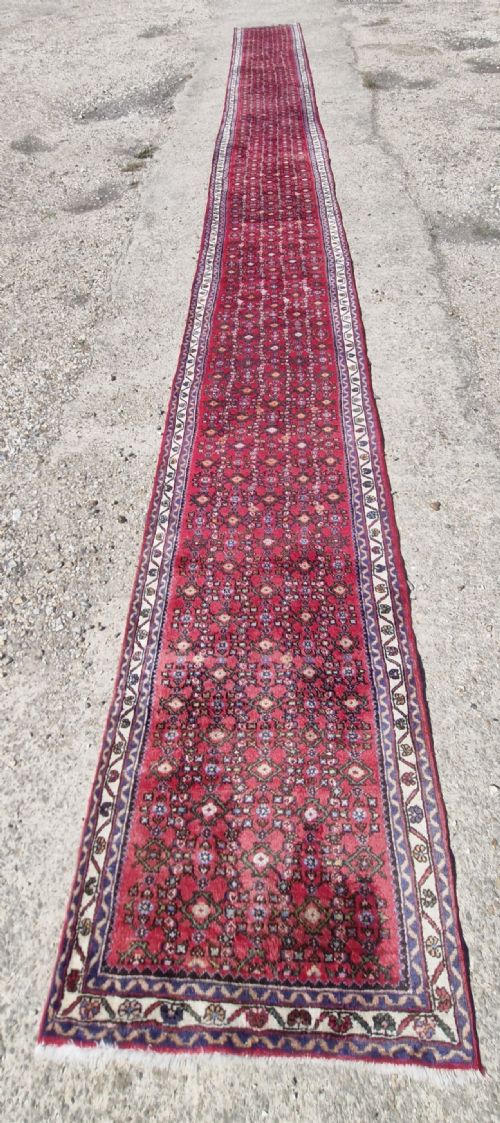
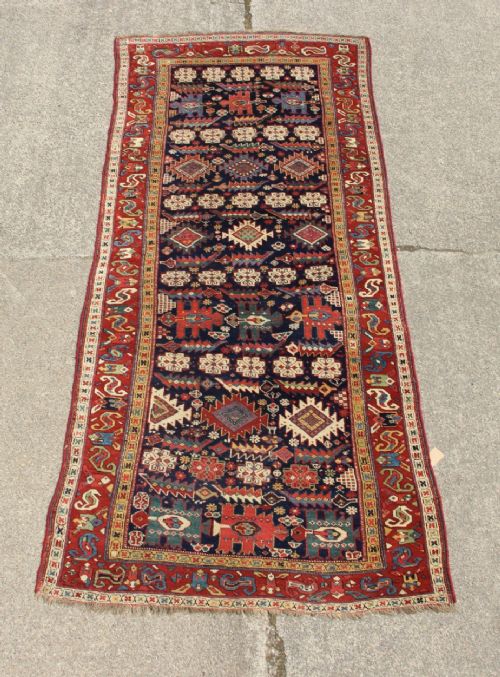
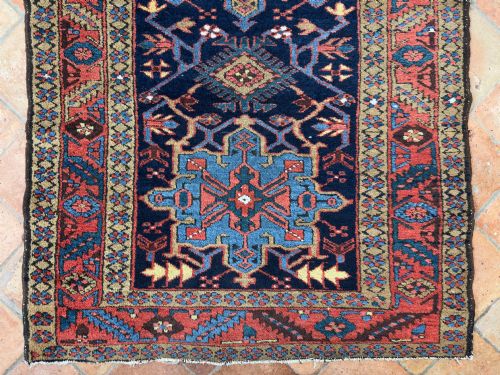
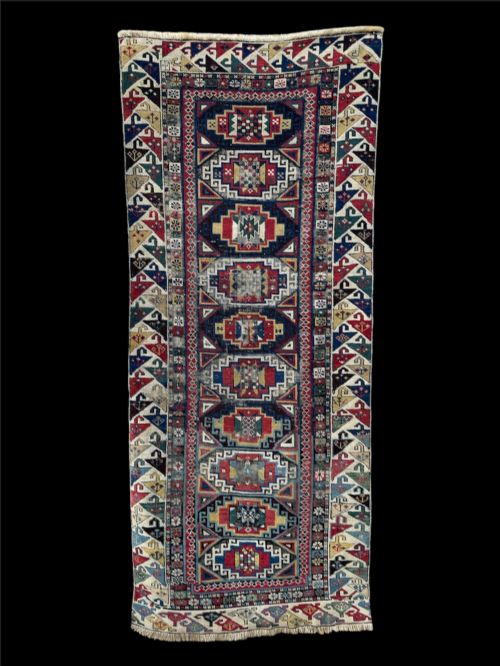
A tribal persian corridor carpet brings bold geometric motifs and rich wool texture directly to long hallways.
Tribal Persian Corridor Carpet
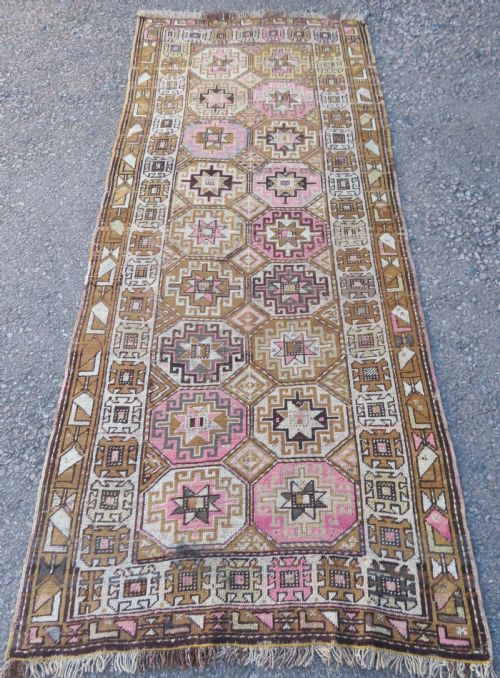
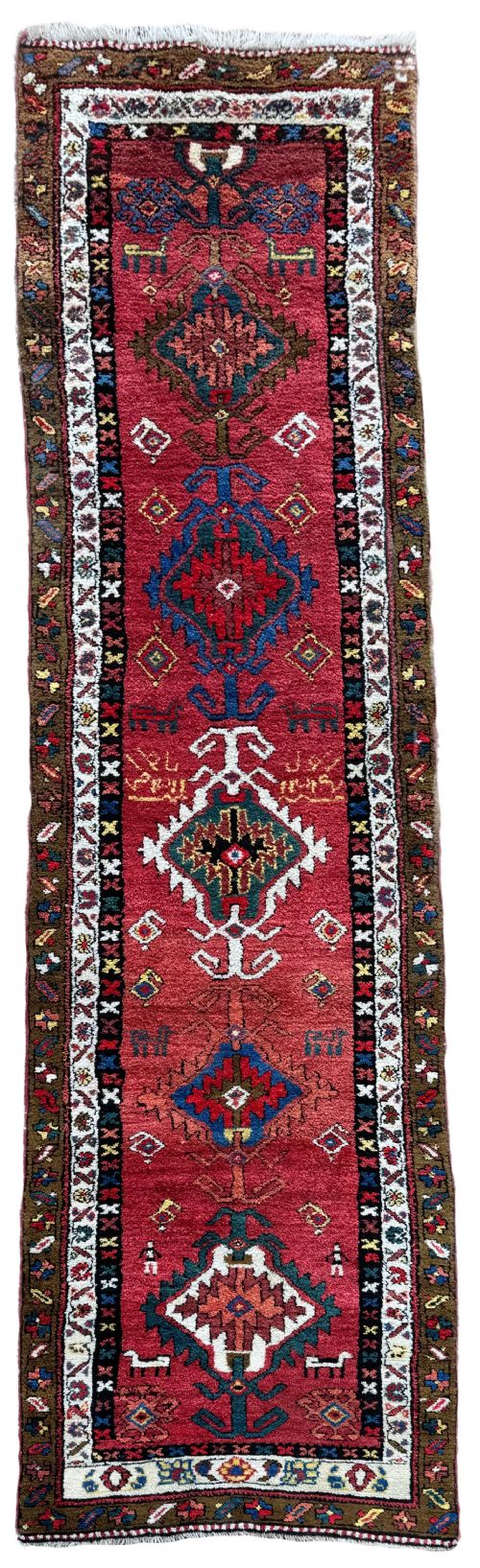
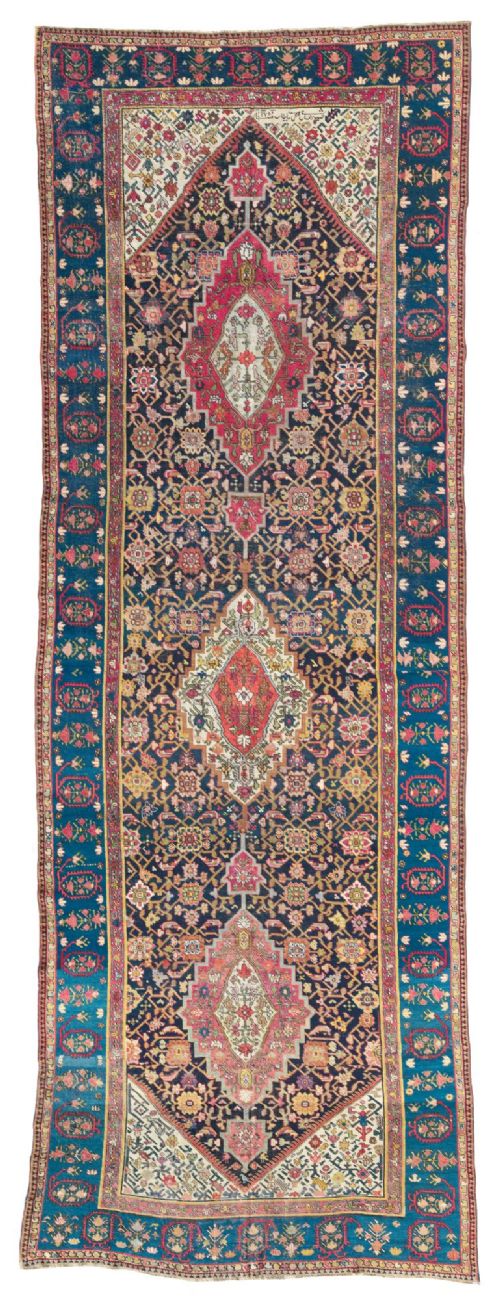
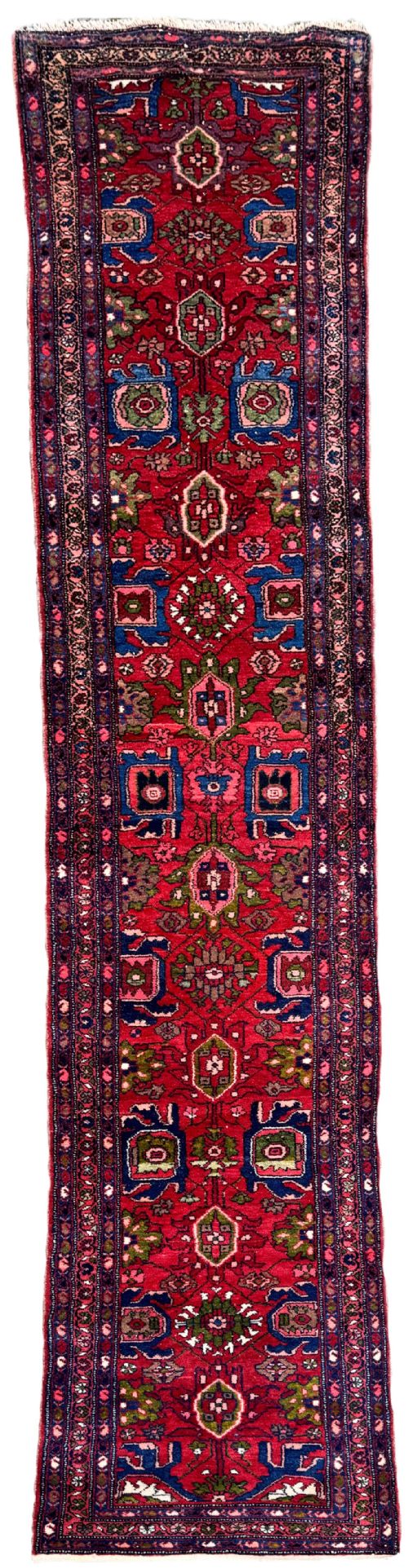
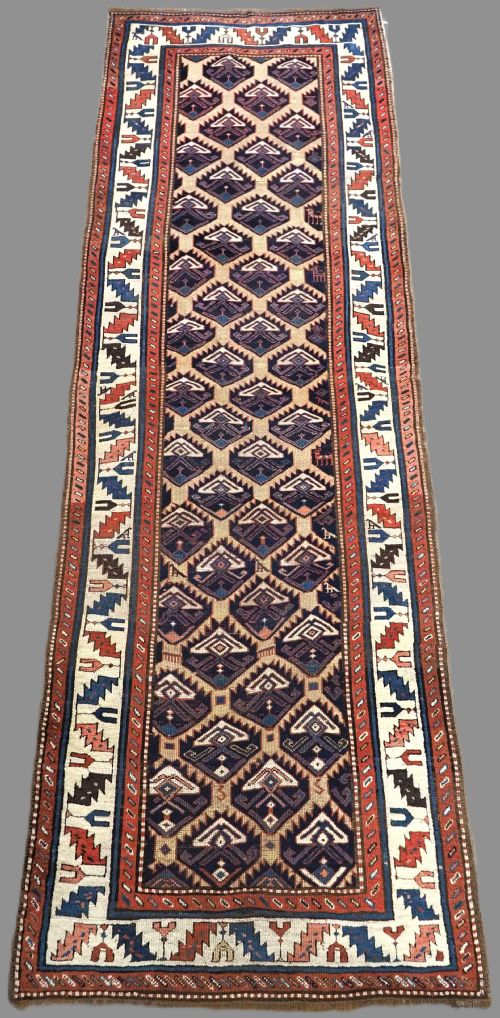
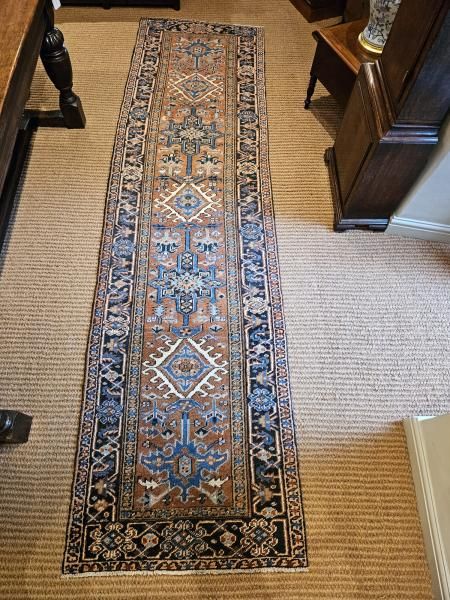
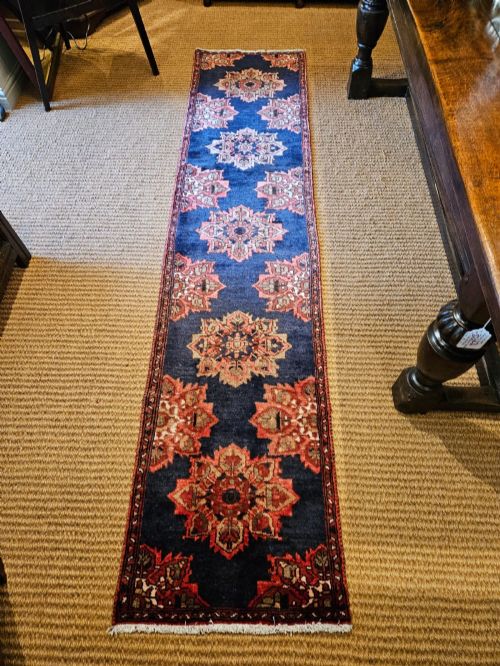
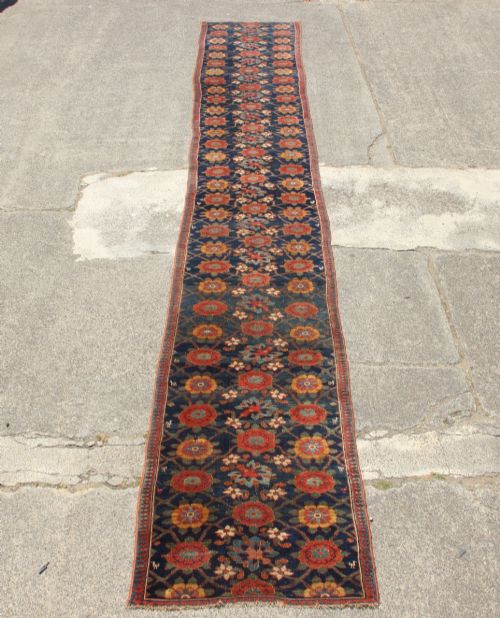
A tribal persian corridor carpet brings elongated proportions and village weaving traditions into narrow spaces. These textiles arrive as runners and long carpets produced across Persian, Kurdish, and Caucasian regions. Buyers searching for a tribal persian corridor carpet encounter narrow formats designed specifically for corridors, halls, and landings.
The pieces appearing here span from the mid-nineteenth century through the early twentieth century. Examples include Heriz, Hamadan, Kurdish, and Bakshaish runners alongside Caucasian formats. Each piece reflects the distinct knotting traditions of village and tribal workshops rather than formal court manufactories.
How They Were Made
Weavers constructed these carpets using wool pile knotted onto cotton or wool foundations. Hand-spun wool provides the tactile density and subtle colour variation seen across the surface. Natural dyes impart deep tones of navy blue, olive green, and rich reds that mature gracefully over decades.
Village weavers utilised traditional upright looms without pre-drawn paper cartoons, relying instead on tribal memory for designs. This method produced characteristic slight irregularities in width and alignment along the length of the runner. Knot densities vary according to the specific tribal origin and district traditions.
Some antique runners arrive with wonderfully crooked geometry, proving that village weavers measured by eye and tea break.
What Varies In Quality
Quality rests primarily in the integrity of the wool, the clarity of the natural dyes, and the balance of the tribal design. Hand-spun wool retains natural lanolin, which contributes to longevity and a rich sheen under foot traffic. Finer knotting allows intricate lattice and geometric motifs to resolve with distinct precision.
Proportional consistency along extended lengths also separates exceptional pieces from simpler village work. While minor irregularities stem from hand production on tribal looms, a harmonious overall rhythm marks superior execution. The depth and saturation of the palette determine the visual strength of the corridor format.
The Tribal Persian Corridor Carpet Glossary
- Runner
- A long, narrow carpet format designed for hallways, corridors, and stairs. These pieces balance length with restricted width to fit transitional spaces.
- Kelleh
- A large rectangular carpet format, often intermediate in proportion between a standard rug and an extended runner. They share the bold field designs typical of village weaving.
- Hand-spun wool
- Yarn prepared manually using a spindle rather than industrial machinery. This technique leaves variable thickness in the strand, which absorbs dye unevenly to create subtle abrash.
- Lattice design
- A repeating grid pattern formed by intersecting lines across the carpet field. This framework frequently encloses floral or geometric motifs.
- Abrash
- Variations of colour shade within a single field of tone, caused by shifts in dye batches or hand-spun wool lots. Collectors value this characteristic as a sign of traditional production.
Tribal Persian Corridor Carpet: Frequently Asked Questions
Where do these long runners work best?
A tribal persian corridor carpet suits narrow transitional areas such as hallways, long landings, and entrance corridors. Their extended proportions draw the eye down the length of the space while introducing warmth and colour.
Because these formats were woven specifically for domestic circulation paths, they function practically in high-traffic zones. The durable wool pile handles daily movement while anchoring architectural spaces that might otherwise feel bare.
How do I care for an old wool runner?
Regular gentle vacuuming without a rotating power brush keeps dust from settling into the wool foundation. Rotating the carpet every year ensures even exposure to light and foot traffic across its length.
Professional cleaning tailored to antique textiles preserves the natural lanolin in the hand-spun wool. Avoiding direct, harsh sunlight prevents fading of natural dyes over extended periods of time.
What is the difference between Kurdish and Heriz runners?
Kurdish runners often feature looser, highly expressive geometric layouts with saturated dark wool and playful tribal irregularities. Their designs reflect village traditions rooted in specific regional motifs.
Heriz runners typically present bolder, more architectural medallion or geometric structures with structured borders. These pieces generally display tighter knotting and a more formal village execution.
Why do some runners have uneven widths?
Hand-spun wool and traditional upright looms without mechanical tensioners naturally produce slight width variations along a carpet. Weavers worked from memory rather than rigid blueprints, allowing natural adjustments as the work progressed.
This slight asymmetry confirms the handmade tribal origin of the piece. Collectors look for these organic shifts as evidence of genuine village craftsmanship.